The two biggest projects at La Tierra Trails this year push in the same direction. They let more people use the system during more of the year. Six steel-and-wood ramps now stand where the old dirt jumps of the Frijoles Skills Park used to be. On September 28, the Santa Fe Fat Tire Society met its community match for what would be Santa Fe's first adaptive and universal-access mountain bike trail. Both projects build on the system's existing role. La Tierra is the trail that stays usable after the higher trails above town freeze over.
For anyone living along Tano Road or in La Tierra, Las Dos or Aldea, that matters more in October than in June. The months when La Tierra is at its best are just starting.
The Trash Pit Got Rebuilt in Steel
The skills area off the Frijoles Trailhead has gone by the "Trash Pit" among local riders for years. As of this summer, it no longer runs on dirt features. The Santa Fe Fat Tire Society's grand-opening announcement describes six new steel-framed, wood-decked ramps that replaced aging dirt jumps, and it calls them a safer, more durable riding experience for riders of all skill levels.
A $90,000 grant to the Fat Tire Society from the New Mexico Outdoor Recreation Division's Trails+ Grant Program paid for the work. Rocket Ramps, a New Mexico trail-building outfit, designed and installed the features. The City of Santa Fe, the Fat Tire Society, the state Outdoor Recreation Division and Rocket Ramps held the ribbon cutting at Frijoles Trailhead on Saturday, June 13, 2026.
A more durable skills park suits a trail system whose main draw is that it can be ridden for more of the year.
A Two-Mile Loop Waiting on a January Decision
The second project is further back and more ambitious. The Fat Tire Society, working with the City of Santa Fe, has proposed a roughly 2-mile adaptive and universal-access loop at La Tierra. It would be designed for adaptive riders and people with a range of mobility needs. The organization's project page puts the purpose plainly:
"This isn't simply about making a trail easier to access. It's about creating a place where more people can ride together."
The loop would mostly be stitched together from trail that already exists or sits close to it. Here is the scope as the project lists it:
| Segment | Status | Length |
|---|---|---|
| Frijoles–La Cuchara trail | Existing | 0.4 mi |
| Meadow segment | Proposed | 0.4 mi |
| Ridgetop segment | Proposed | 0.7 mi |
| Downhill adaptive trail | New | 0.7 mi |
The funding math explains why the timing matters now. The project is going after a $62,000 matching grant from the same state Trails+ program that paid for the Trash Pit. Volunteer labor, in-kind contributions, donations and pledges account for $52,000. The remaining $10,000 had to come from the community. As of September 28, 2026, donors had given $10,069, so the match goal is met.
Meeting the match does not get the loop built, though. The state's grant decision is expected in early January 2027. If the grant doesn't come through and the project doesn't proceed, the Fat Tire Society has committed to refunding donations through PayPal within 180 days. For now, the adaptive loop is a funded-match proposal waiting on that January decision.
Why the Calendar Tilts Toward La Tierra Once It Gets Cold
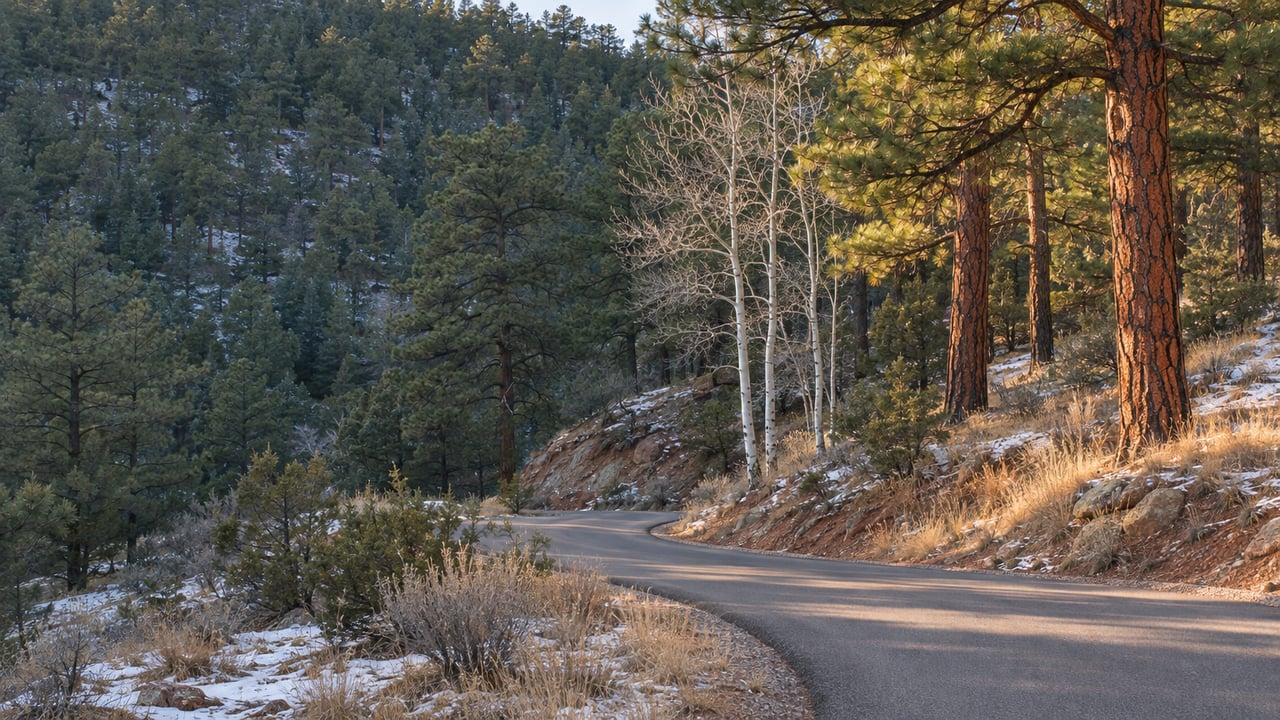
La Tierra stays rideable after the higher trails close for the winter. A local winter-riding FAQ from Santa Fe Singletrack names La Tierra as the usual winter option. It calls Dale Ball hit-or-miss and notes that Chamisa and higher trails can stay snow-covered into late spring. The same guide says terrain above about 8,500 feet is frozen or snowy in most Santa Fe winters, while La Tierra and the Galisteo Basin are often rideable.
There's enough terrain to fill a season. The Santa Fe Conservation Trust describes La Tierra as a multi-use system of more than 25 miles. The City's trail map places it on 1,500 acres and rates the hiking and biking routes easy to moderate. The map's sample outings include a 2.0-mile walk from the Calabasas trailhead and 2.7- or 10.0-mile loops from La Cuchara. Frijoles Trailhead, home of the Trash Pit, sits at 1990 Camino de los Montoyas.
The City map is drawn from 2013 GIS data, so any detail about parking or amenities at a particular trailhead should be checked with the City before relying on it. Dogs are welcome across the system on leash.
Santa Fe's trail network as a whole also got a national nod this year. On March 31, 2026, the International Mountain Bicycling Association named Santa Fe one of 28 inaugural IMBA Trail Towns. It's a designation, not a ranking. When the higher trails close for the winter, La Tierra is the part of that network that local winter-riding guidance recommends.
Rides on the Books Through November
The group-ride calendar shows the same seasonal shift. Some weekly rides wrap up in October. Others carry on at La Tierra deep into November. These are the dates published as of today, October 11:
| Ride or event | Where | When | Remaining dates |
|---|---|---|---|
| Atalaya Flyers, free, for youth 13 and under and families | Frijoles Trailhead | Mondays, 5:30 p.m. | Oct. 12, 19, 26 |
| Women's no-drop ride, Santa Fe Fat Tire Society | La Cuchara trailhead | Tuesdays | Oct. 20, 27 |
| Friday ride, Santa Fe Fat Tire Society | La Tierra | Fridays, 9:45 a.m. | Oct. 16 through Nov. 27 |
| Santa Fe Conservation Trust trail-work mornings | Site not listed | Wednesdays, 9 a.m. to noon | Oct. 14, 21 |
The Atalaya Flyers series began May 4 and ends October 26. That leaves three Mondays for families who haven't brought kids out yet. The Friday ride goes on after that, and its listed dates run weekly through November 27. The Bike Santa Fe calendar lists the trail-work mornings without naming a site, so volunteers are directed to the Conservation Trust for the location.
Ride calendars change, and the Fat Tire Society's calendar page displays current entries on a page first built in 2024. Confirm cancellations on the live calendar before loading the car.
The Freeze-Thaw Rule
Winter access comes with a condition. La Tierra stays rideable only if people stay off it when it's soft. In 2017, the Santa Fe Reporter described signs at La Tierra asking trail users to use dirt trails, not mud trails. The paper explained the damage. Muddy traffic pushes soil to the trail edges, and those berms trap water and speed erosion as snow melts or rain returns.
The same Reporter piece gives the practical rule for freeze-thaw days. Ground that's firm in the morning softens in the warm part of the day, so that's the window to avoid. For fat bikes after snow, the Santa Fe New Mexican relayed IMBA's guidance. Avoid soft conditions. Hard-packed snow up to two inches may be rideable. If your tire leaves a rut, it's too soft.
This guidance is general etiquette, not a conditions report. The Fat Tire Society runs a trail-conditions page where riders can report freeze-thaw, ice, mud and wet conditions. Its current reports don't always include La Tierra.
The new ramps, the proposed adaptive loop and the November rides all depend on La Tierra staying in good shape through the months when the higher trails are under snow. If the state comes through in January, a new 2-mile loop will join the system. It will hold up best if the trails around it have been ridden only when firm.
If you're thinking about what a home near Frijoles Trailhead and La Cuchara offers, including trails that stay rideable through the winter, Ricky Allen-Tara Earley Group can help you tell that story to the right buyer.