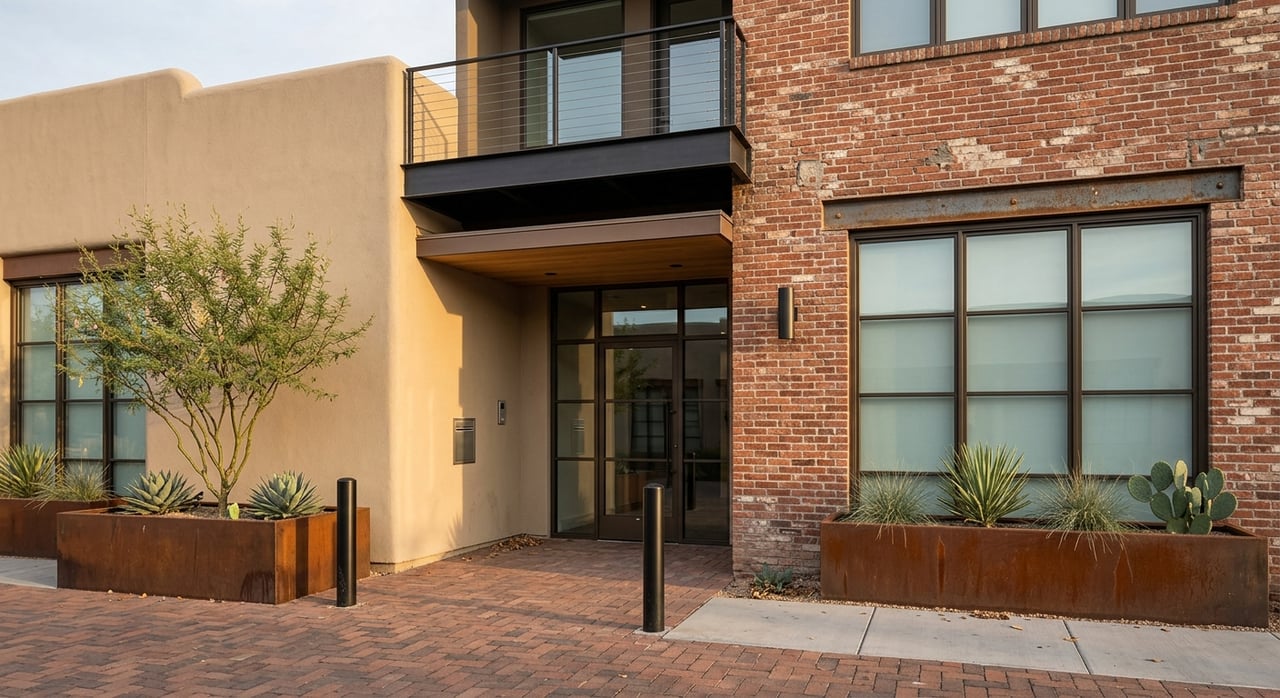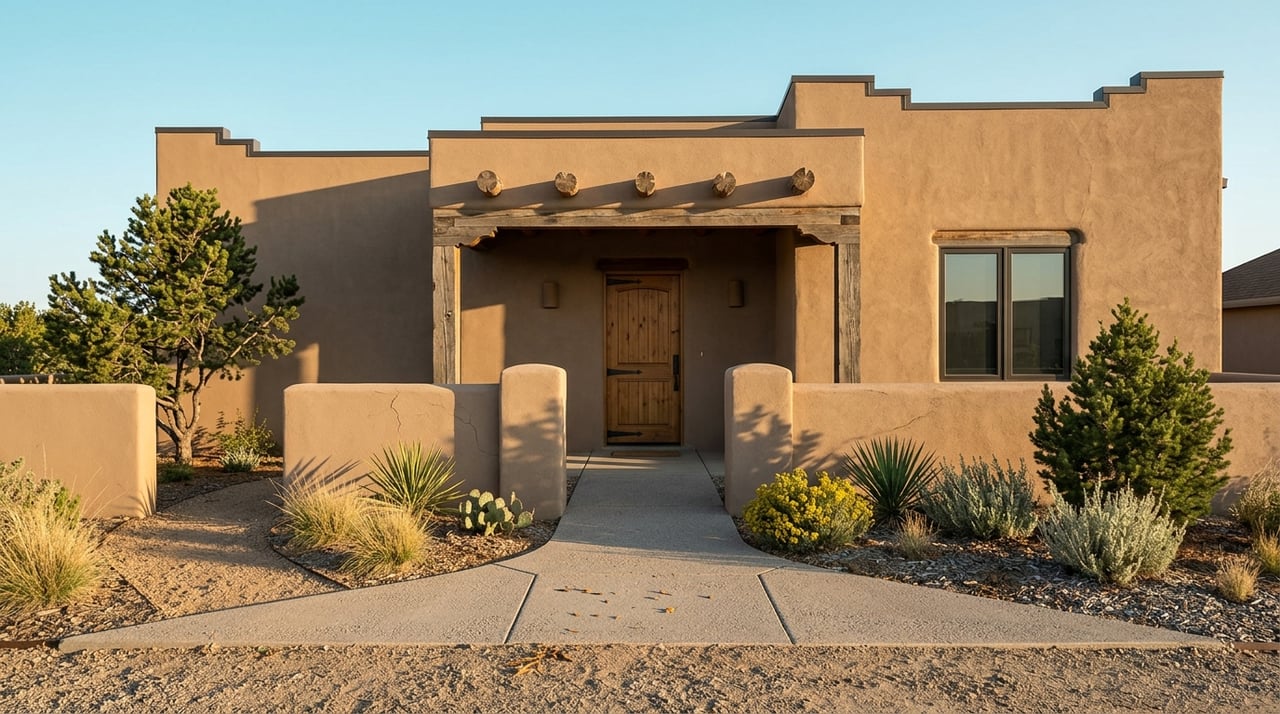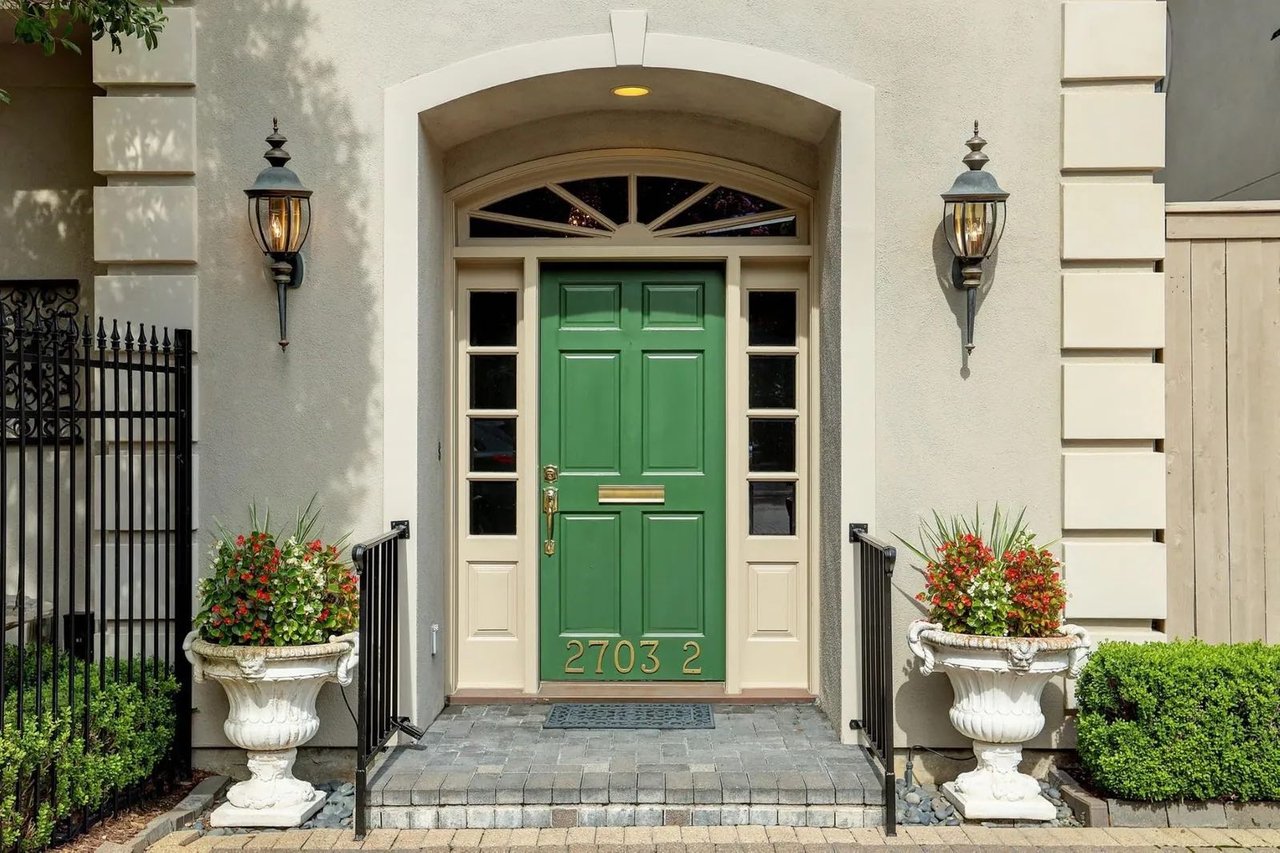
The gate at Casas de San Juan has been open the same number of hours every day since March. What changed on August 29 wasn't the schedule. It was the traffic behind it.
For five weekends a year, this stretch of Bishop's Lodge Road carries a version of itself that most of Santa Fe never sees: valet lines, headlights threading up the hill at dusk, the low hum of an orchestra tuning somewhere just over the fence line. Then, sometime in late August, it stops. Three weeks later, on a Tuesday morning in September, the community looks exactly like it does the other nine months of the year. Quiet. A little dusty from summer. Waiting on the first cold front to strip the cottonwoods.
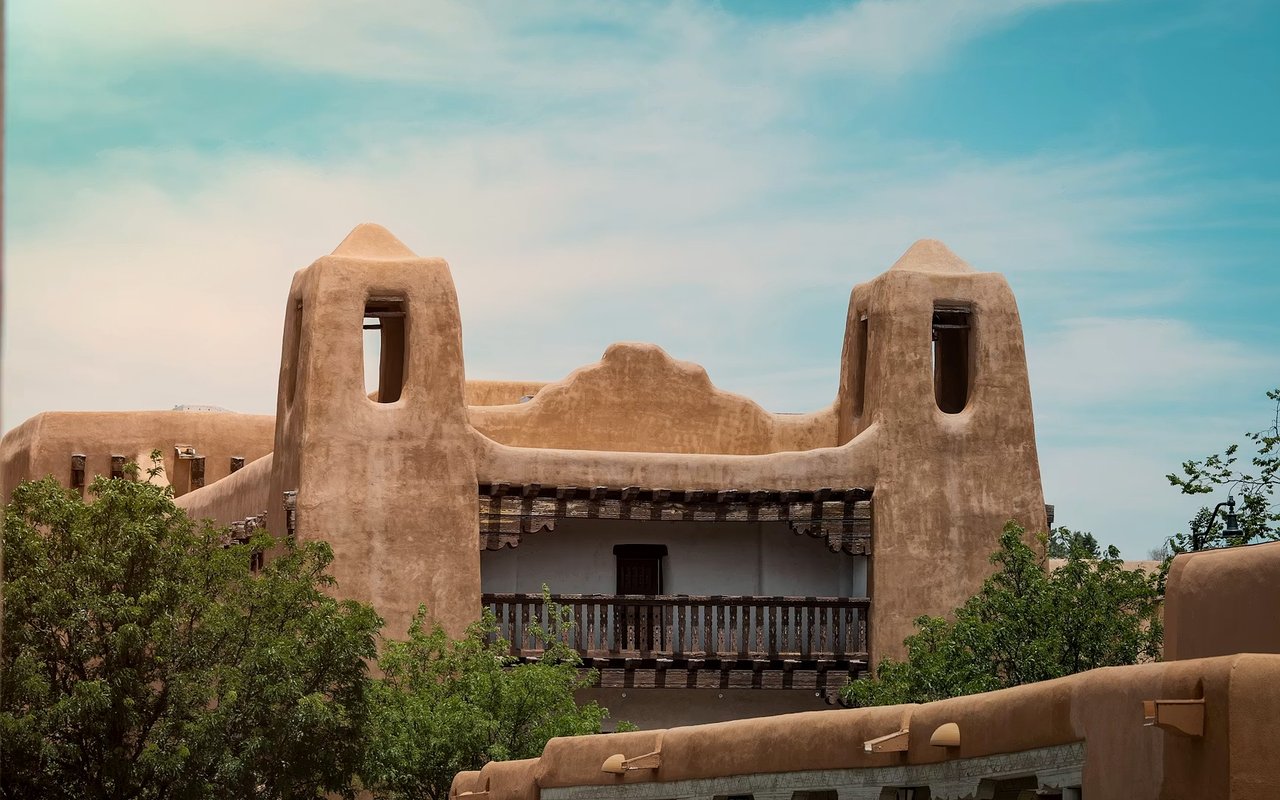
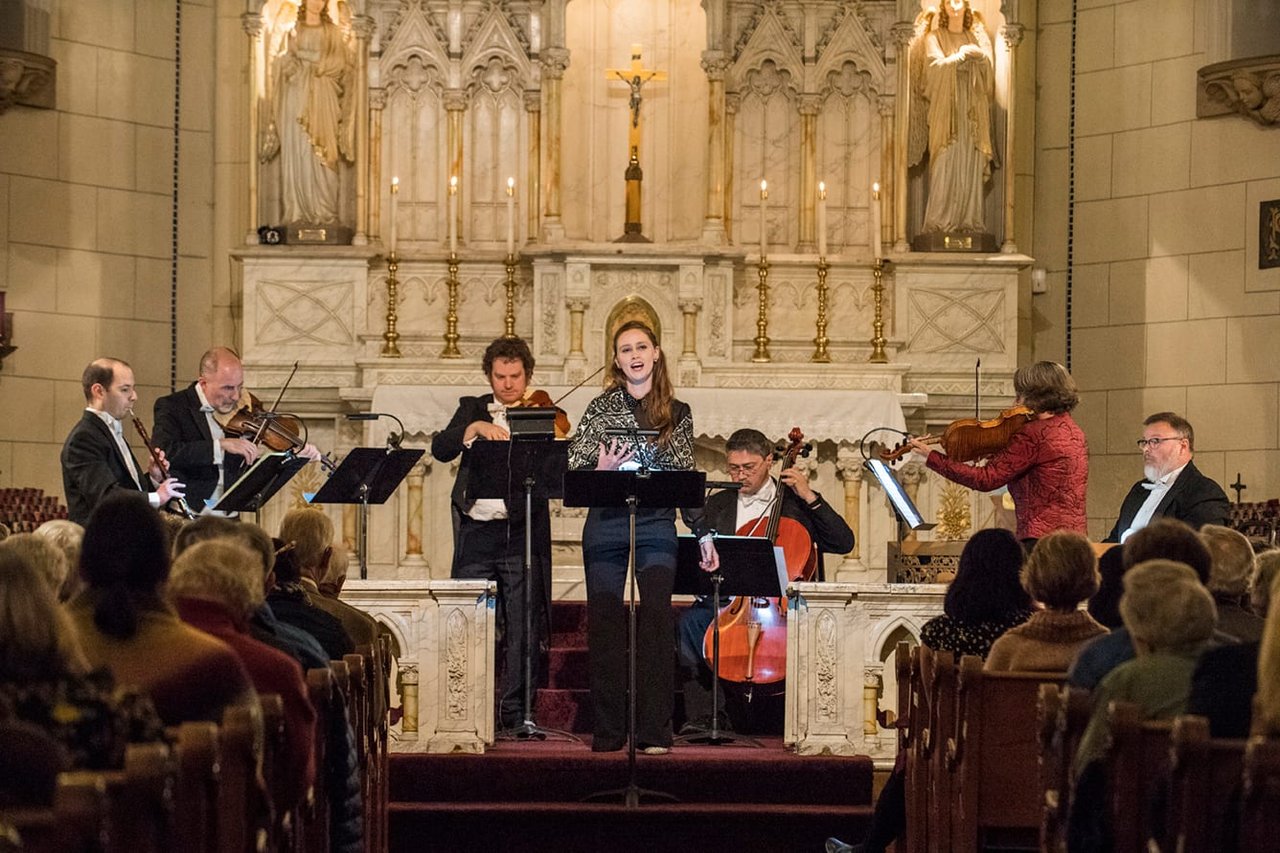
The story people tell about Casas de San Juan is that it's the neighborhood built around the opera. That's true in the sense that the streets are named for it, La Traviata, Caruso, La Scala, and Camino Crosby, the last one after John Crosby, who founded the Santa Fe Opera in 1957. But naming a street after an opera and living next to one performing it eight times a summer are two different relationships to the same institution. The first is permanent. The second, it turns out, is not just seasonal. It's fragile in a way that says something real about what this place actually is underneath the marketing language.
The Nights the Weather Decided
This year made that fragility visible in a way ticket holders felt but residents watched up close. Three performances in the second week of August were canceled outright, not for demand, not for casting, but for air quality. Madama Butterfly on August 10. Rodelinda on August 11. Eugene Onegin on August 12. The Santa Fe Opera confirmed the cancellations and closed the season on schedule, August 29, but that stretch of three consecutive nights without a show is not something the calendar usually produces.
For a household on the other side of that fence, three dark nights in the middle of peak season reads differently than it does from a hotel room downtown. It's not a scheduling footnote. It's a reminder that this whole open-air institution, world-class casts and all, answers to the same wind and smoke patterns that decide whether you can leave your windows open in Casas de San Juan on a given evening. The Opera's stage has no roof. Neither does the neighborhood next to it. When the air isn't safe for an orchestra pit, it isn't especially pleasant for a back patio either.
That's the piece of information most opera-adjacent real estate copy skips past. The proximity that makes this address distinctive isn't just proximity to music. It's proximity to whatever the sky is doing that week, for better and for worse.
What Fills the Space Instead
So what does a resident here actually do on a Wednesday in late September, three weeks after the last curtain call, with the Crosby Theatre sitting dark next door?
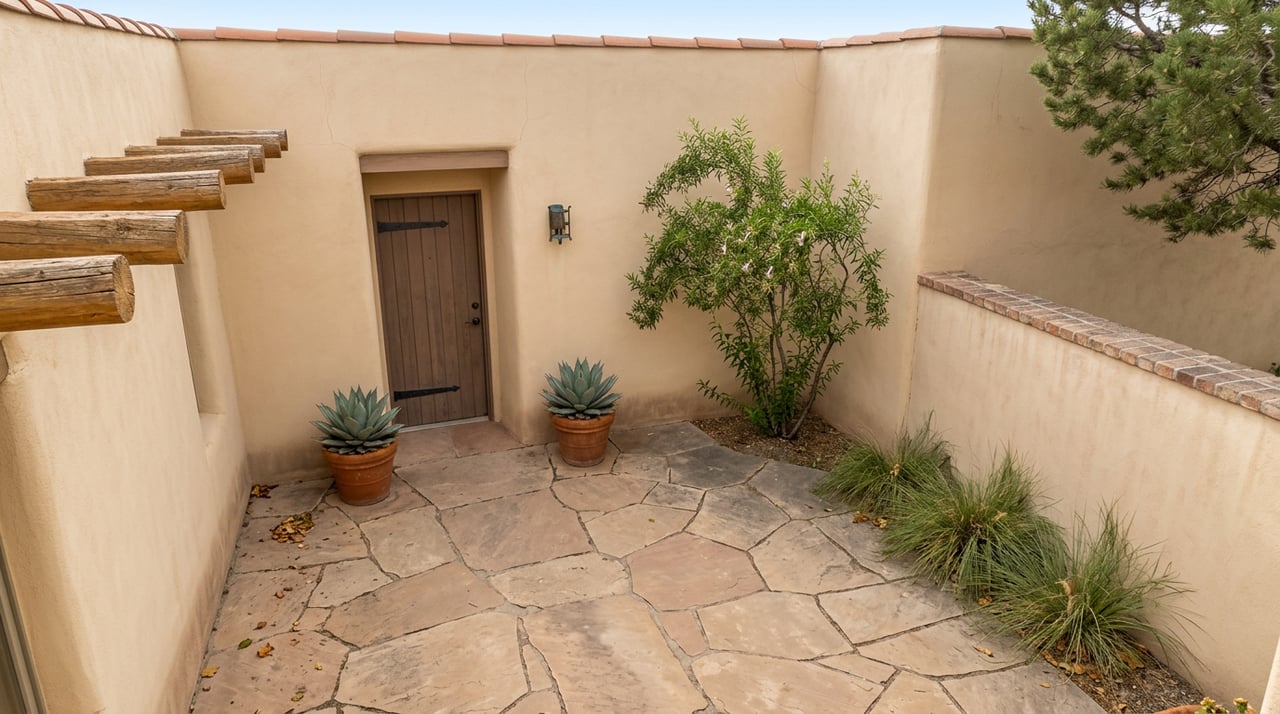
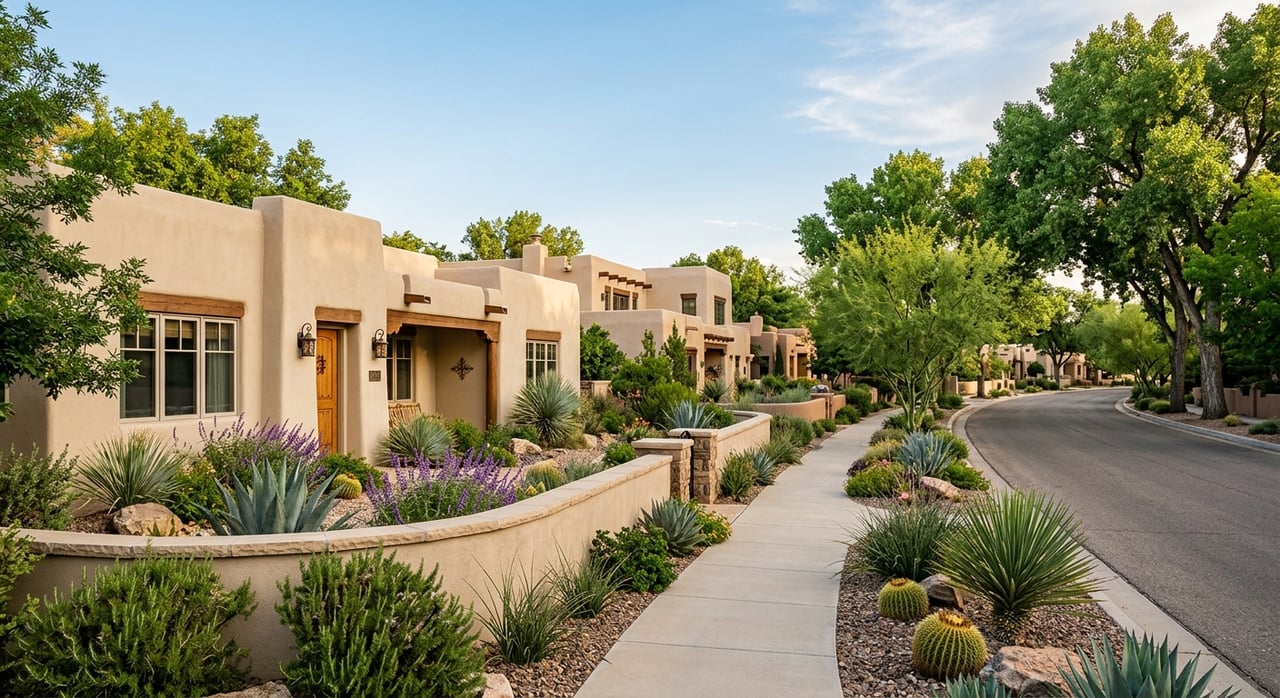
The honest answer is the same thing they did in April. Casas de San Juan was never built around nightly opera traffic. It was built around a gate, a set of covenants, and a short drive to a village that has nothing to do with Puccini.
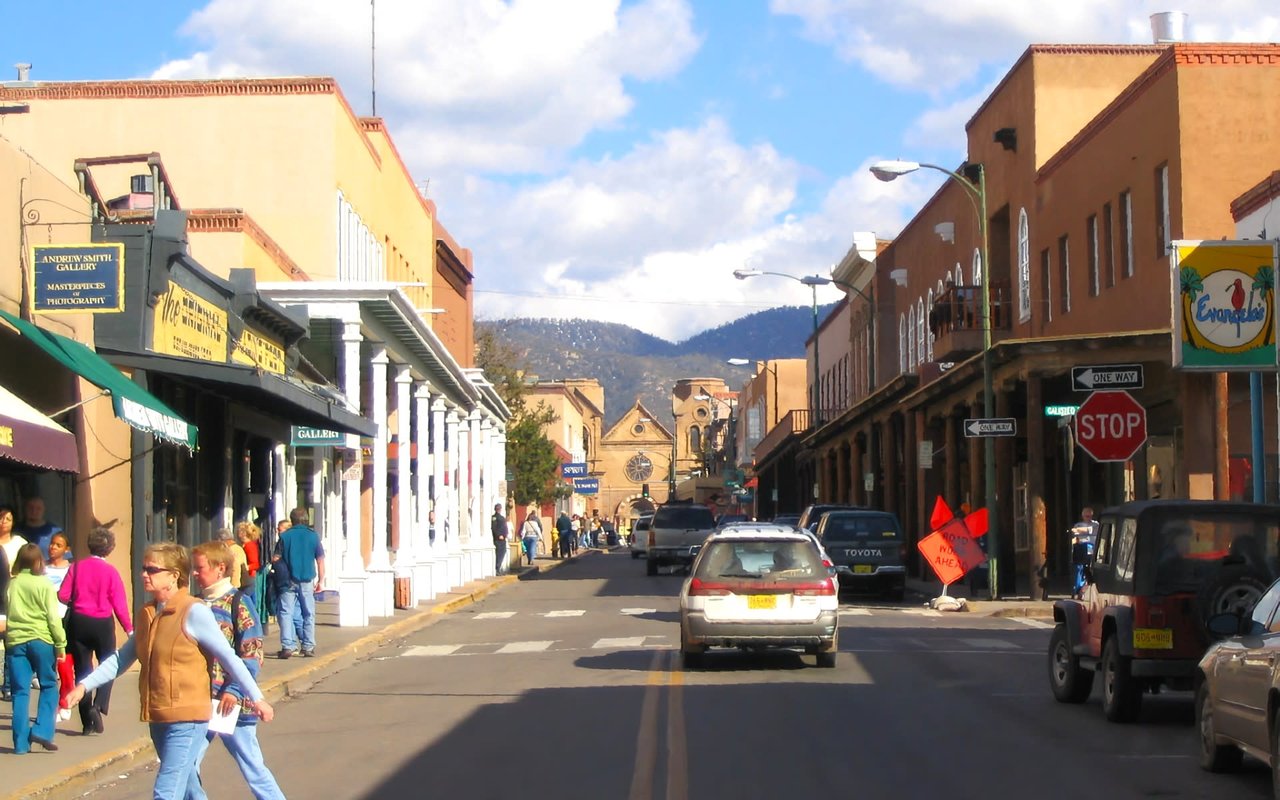
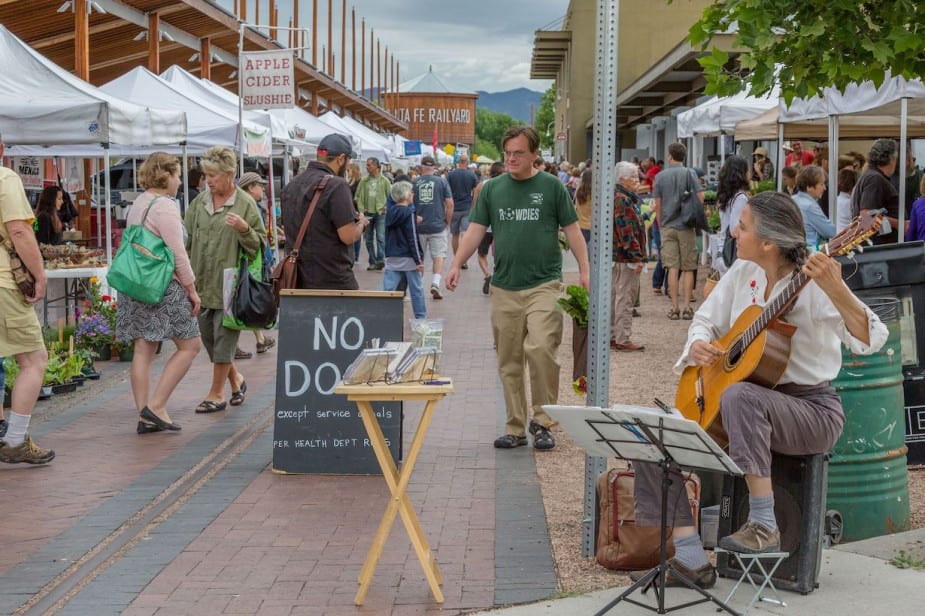
That village is Tesuque, and its actual center of gravity is a market that predates the opera-themed street signs by decades. Tesuque Village Market has operated in some form since 1969, long enough that it has outlasted several owners and at least one attempt to export the concept to Los Angeles. Locals get there the way longtime residents always have, up Bishop's Lodge Road rather than the highway, watching for the building on the left as the road narrows into the village. It's the same drive whether the opera season is in full swing or three weeks closed. The market's hours don't shift for August crowds or September quiet. It opens at 9 and closes at 9, every day, whether the Crosby Theatre is packed or dark.
That consistency is the actual texture of life here. The opera gives Casas de San Juan its street names and its two loud months. The market gives it its rhythm the other ten.
The Gate Staff Never Worked for the Opera
One detail that gets flattened in most descriptions of this neighborhood is the gate itself. It's staffed around the clock, and the people working it aren't opera ushers on loan. They're the same faces in February as they are in July, and what they actually do most of the year has nothing to do with directing traffic toward a parking lot. They know which contractor is expected on a given afternoon. They know which household is away for the season and which one just had a delivery mixed up. During the two months when opera traffic spikes, their job temporarily includes crowd logistics. The other ten, it's the quieter, more useful work of knowing a small community well enough to be helpful about the ordinary stuff.
That's worth sitting with, because it reframes what the "opera adjacency" of this address actually buys a resident. It's not a nightly amenity. Most residents are not walking over in formalwear four times a week. It's an institution that shapes two months of traffic and twelve months of street names, sitting inside a neighborhood whose actual daily infrastructure, the gate staff, the drive to Tesuque, the quiet, was built for the other fifty weeks.
Why the Timing Matters Right Now
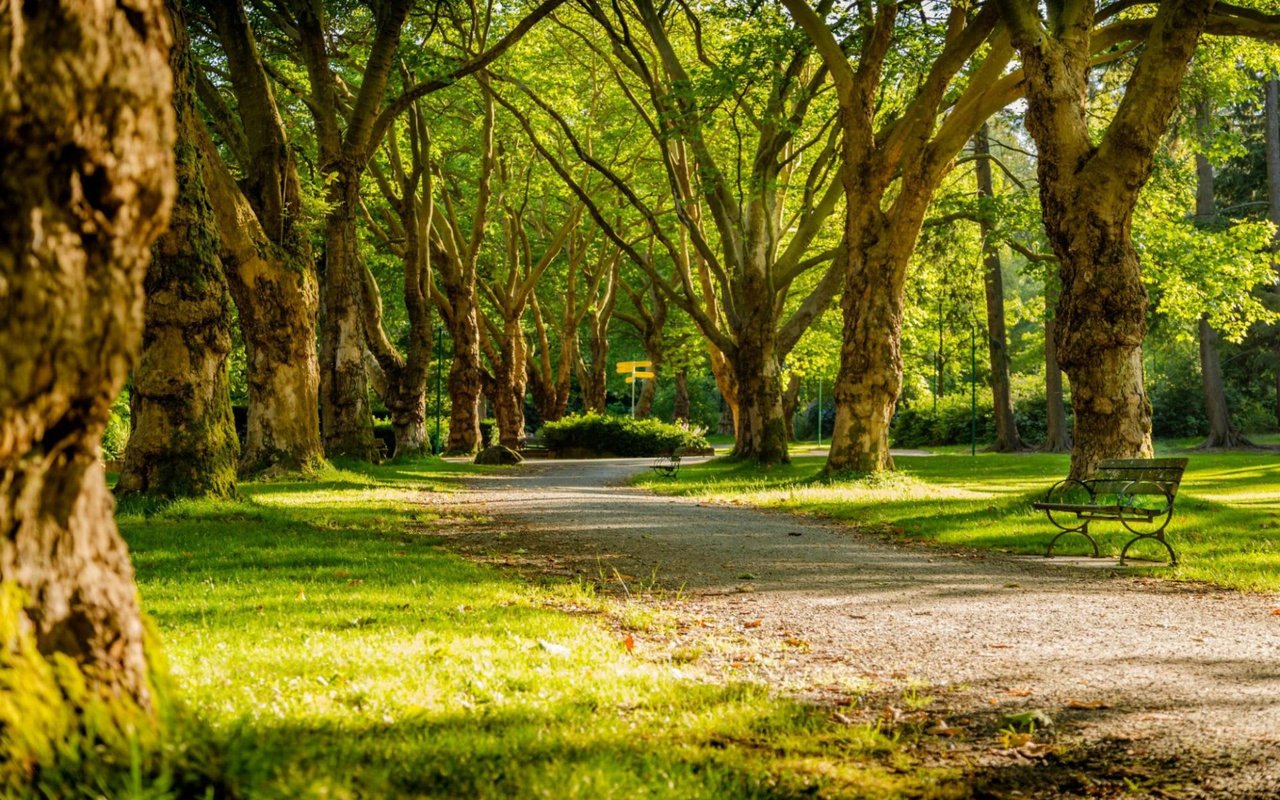
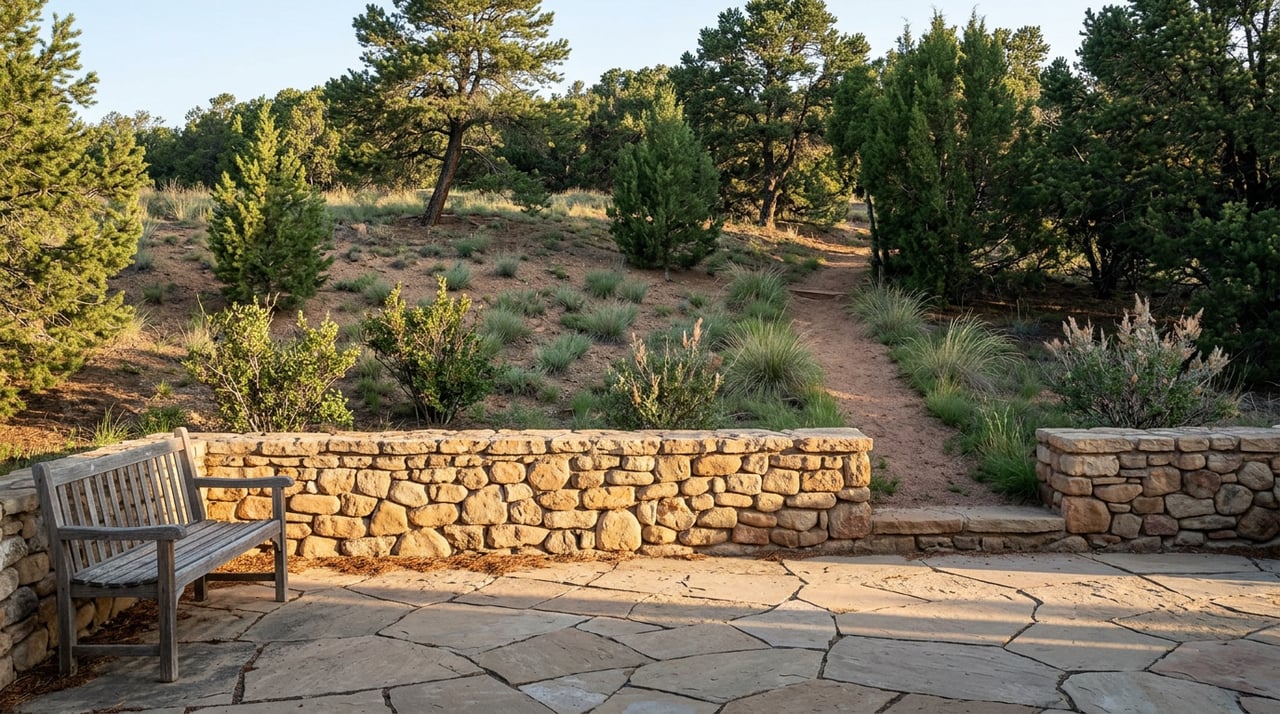
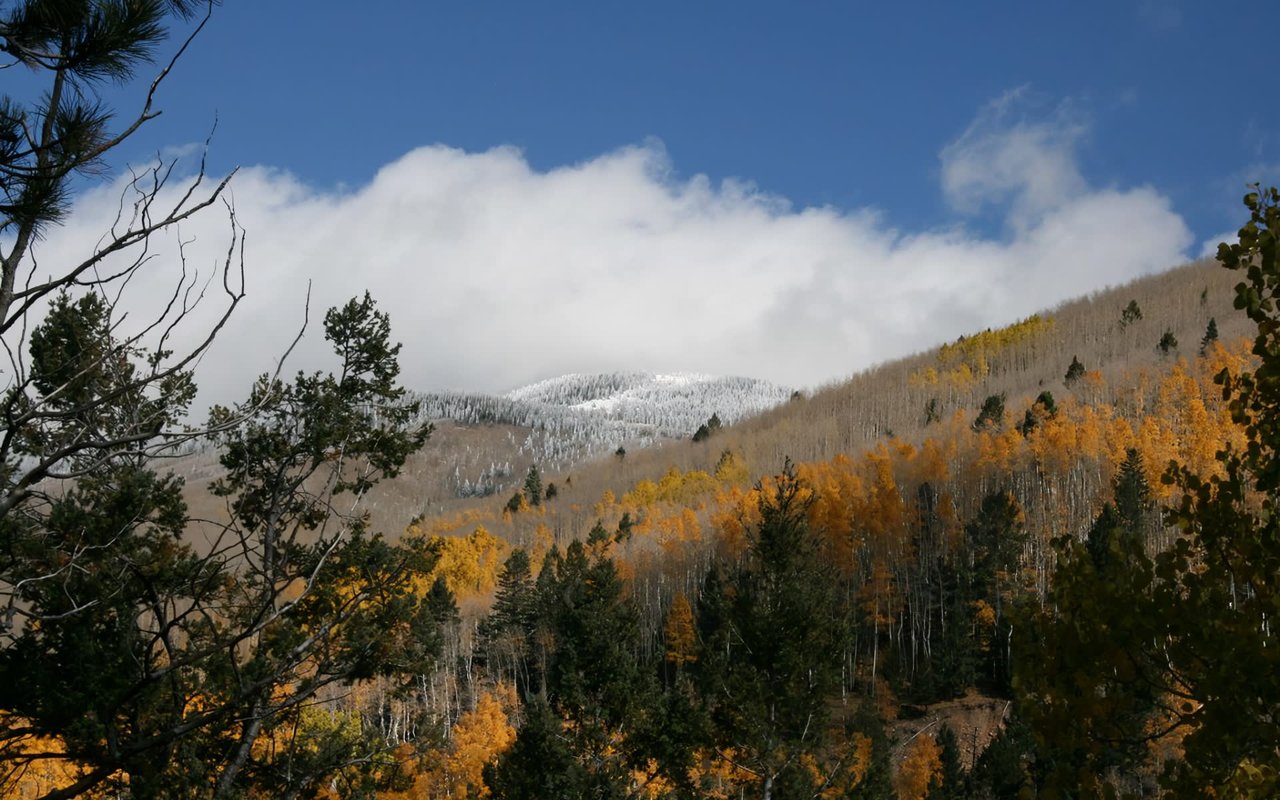
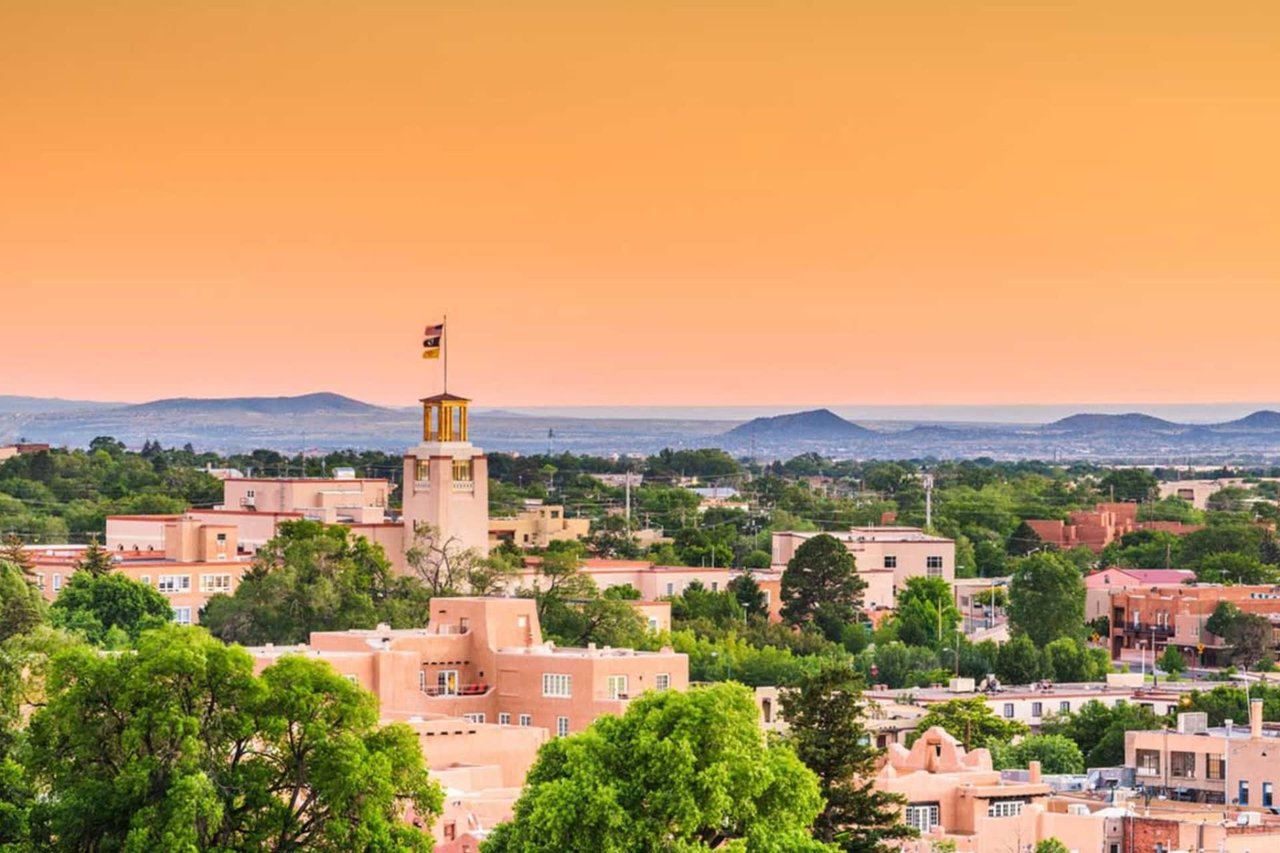
If you live here, late September is a specific and useful moment to notice this. The season just closed. The novelty traffic is gone. What's left, right now, this week, is the neighborhood in its default state, the one it holds longer than any other. The mountain light is starting to shift lower in the afternoon. The cottonwoods along the walk to Tesuque haven't turned yet, but they will within a few weeks. The Crosby Theatre's parking lots are empty enough that you'd have no idea, driving past, that Handel and Puccini filled them a month ago.
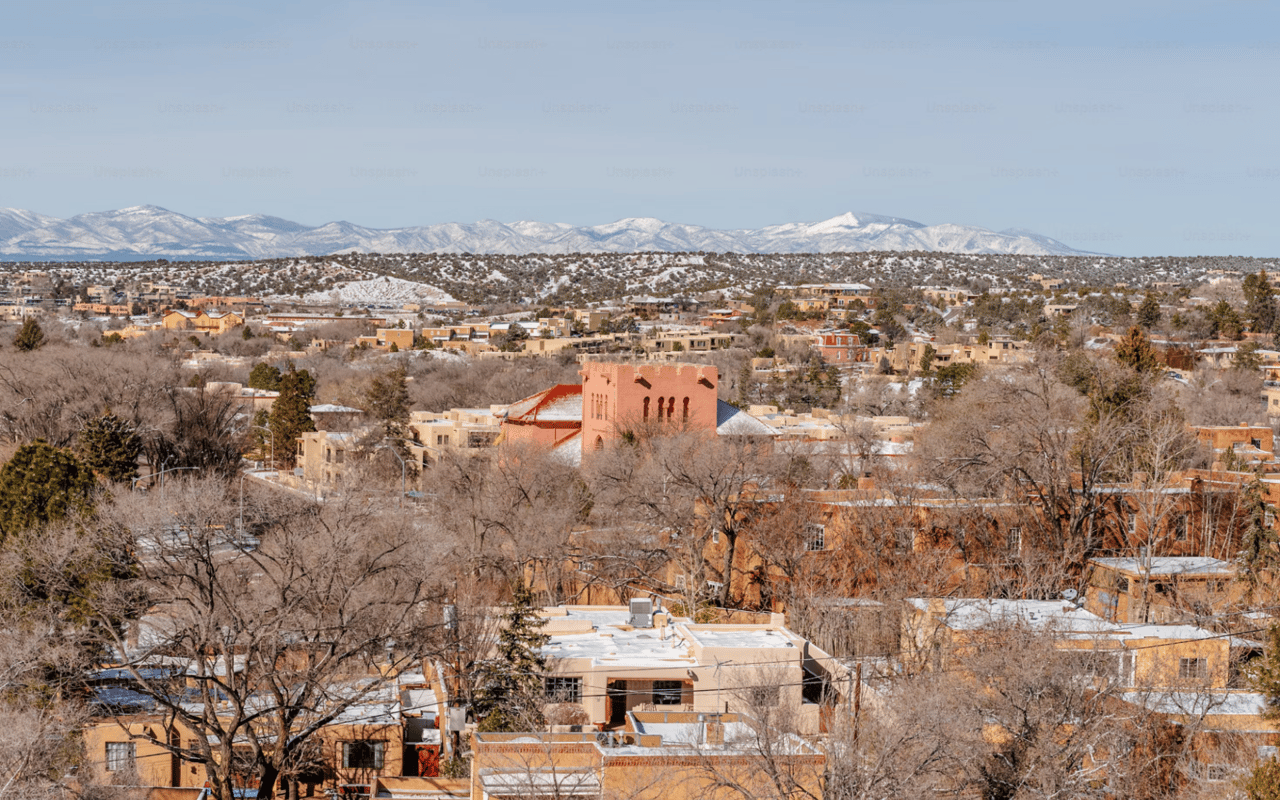
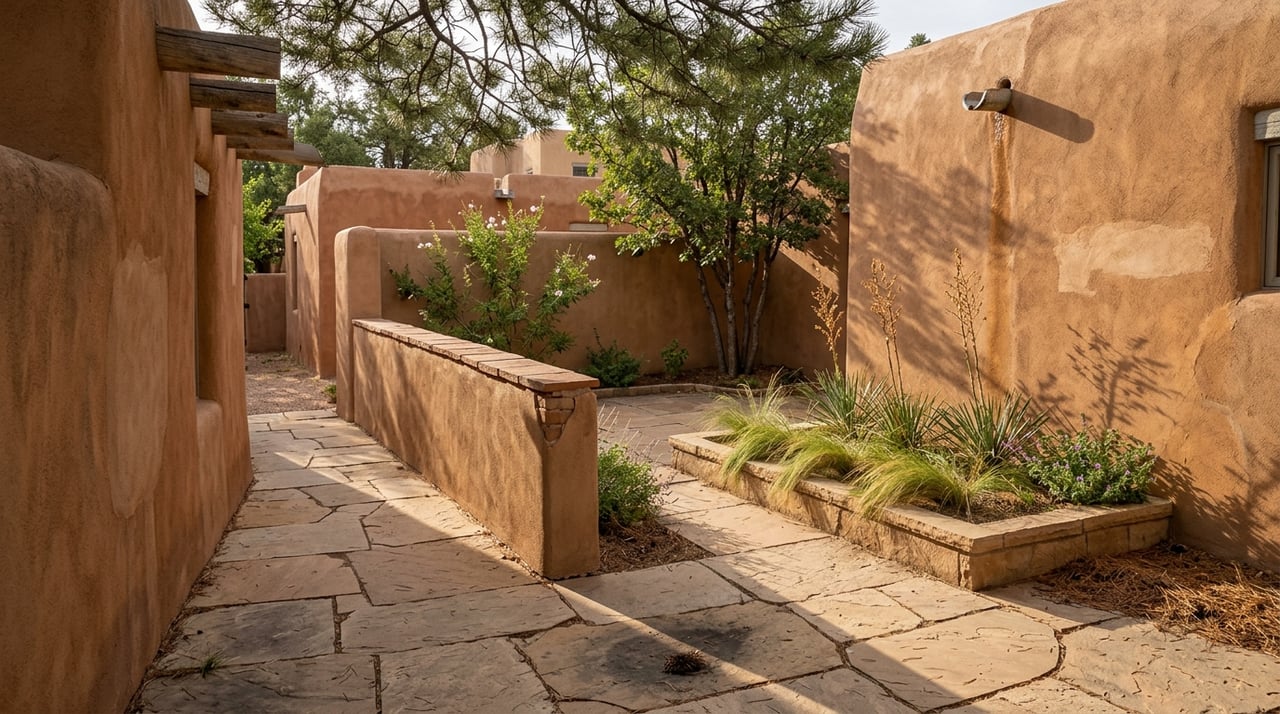
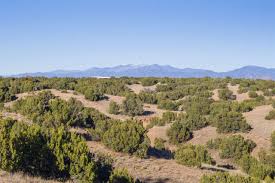
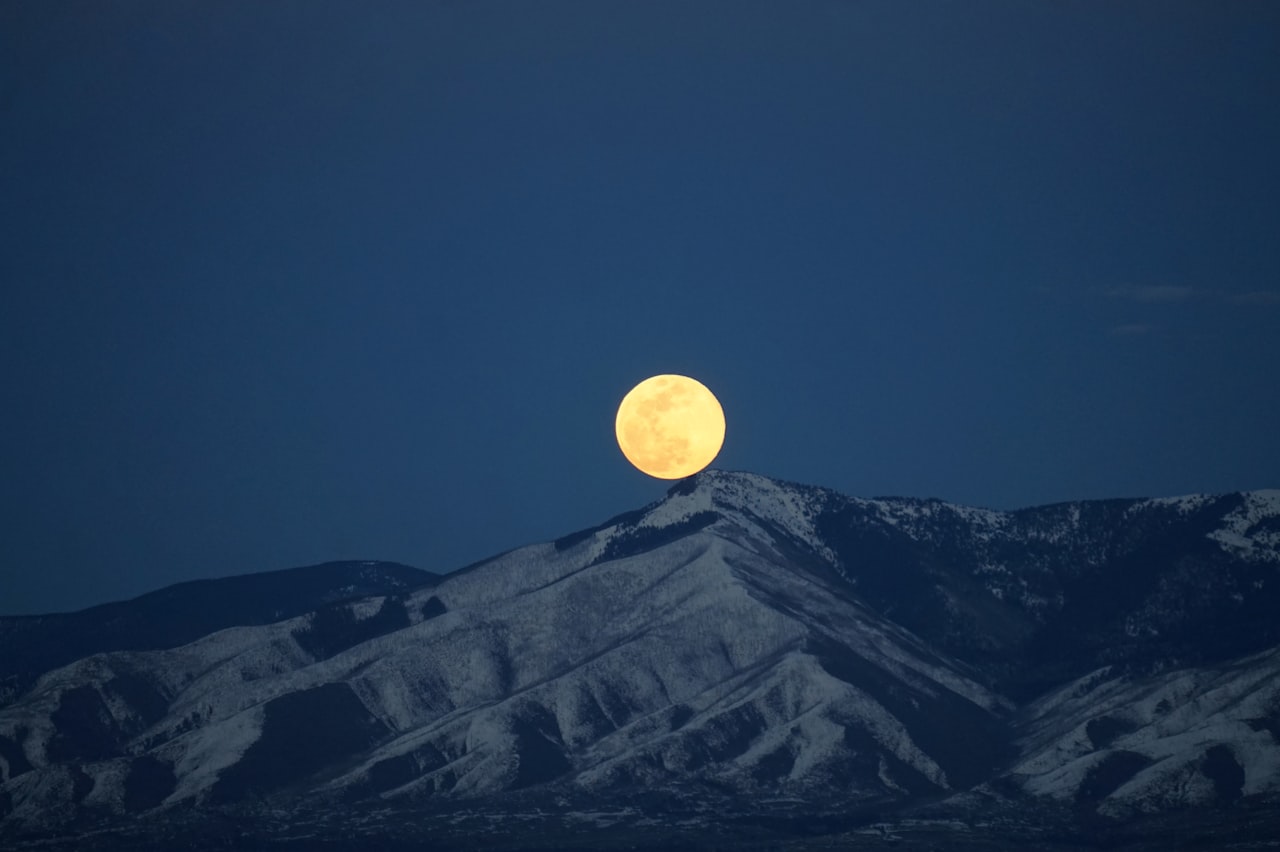
That contrast, full lots to empty ones, loud nights to quiet ones, tells you more about what it's actually like to live in Casas de San Juan than any description of the opera season could. The season is real, and it's genuinely part of what makes this address distinctive among Santa Fe's gated communities. But it's the smaller fraction of the year. The larger fraction looks like this week does. A staffed gate doing ordinary work. A drive up Bishop's Lodge Road for dinner at a market that's been there since before most of the streets had opera names to give. Mountains that don't care what's playing.
If there's a single thing worth knowing about this neighborhood that the season preview pieces don't tell you, it's that the Opera is the loudest and least representative two months of an otherwise quiet address. The identity people move here for, privacy, mountain light, an easy walk to a genuine village market, holds steady whether the theater is full or dark. This week, it's dark. It suits the place fine.
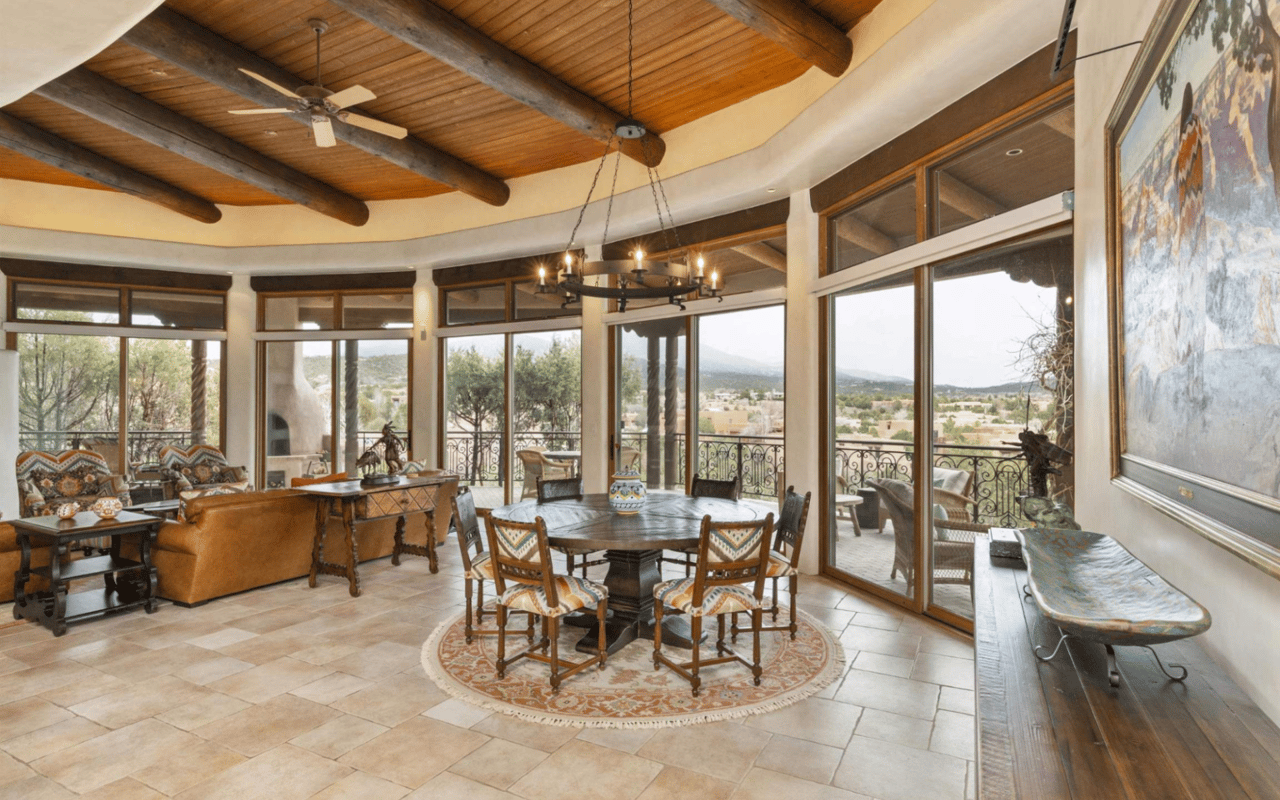
If you're curious what a home in Casas de San Juan or the surrounding Tesuque foothills actually offers once you look past the opera season, the Ricky Allen-Tara Earley Group knows this stretch of Santa Fe County in every month of the year, not just the loud ones. Reach out when you're ready to talk about what living here really looks like.