Ask a Tesuque resident what time Saturday's bronze pour happens at Shidoni and you'll get the same answer twice: it depends. The foundry casts molten bronze at roughly 2,000 degrees on posted Pour Days, and the people who actually live here have learned the real rule long before they show up: call ahead on Friday to find out if there's a pour worth driving for at all. That single habit says more about how this village organizes itself than any map could.
Tesuque has no plaza. It has no downtown block of shops, no obvious civic center where the community's public life happens by default. What it has instead is a scattering of fixed points, a market, a gallery, a restaurant, that residents check in with on their own rotating schedule. The neighborhood didn't inherit a town square from its layout. It built one out of appointments.
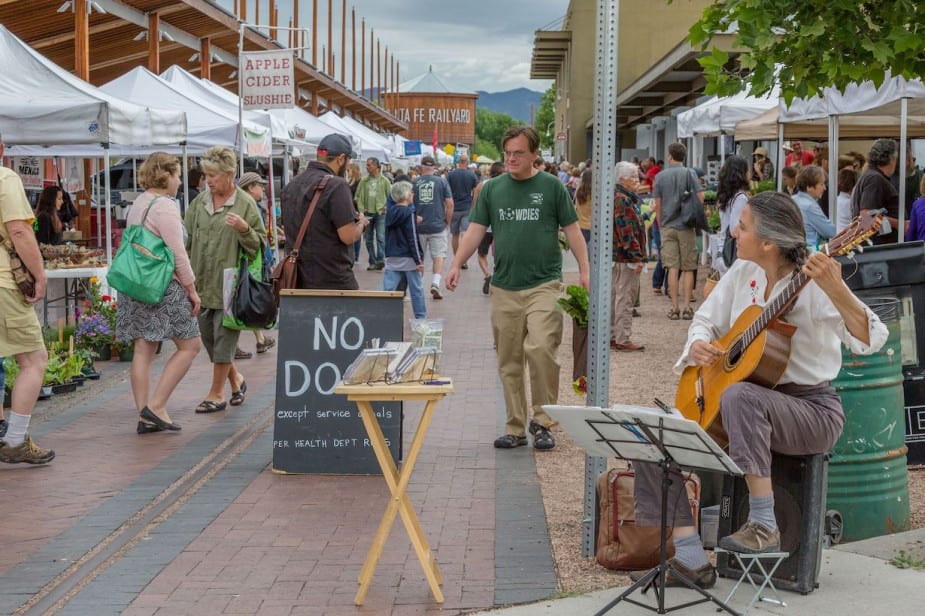
The Market Fills the Gap the Village Never Had
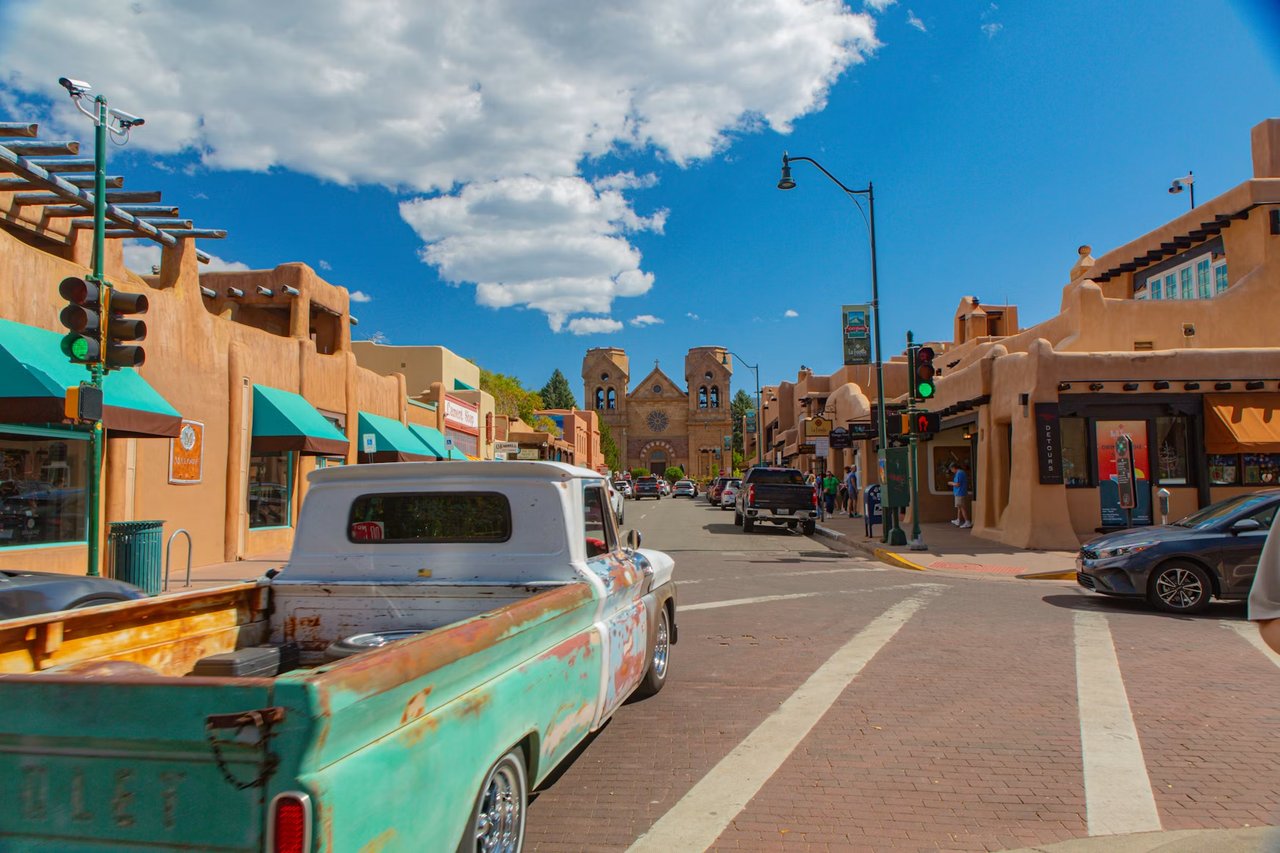
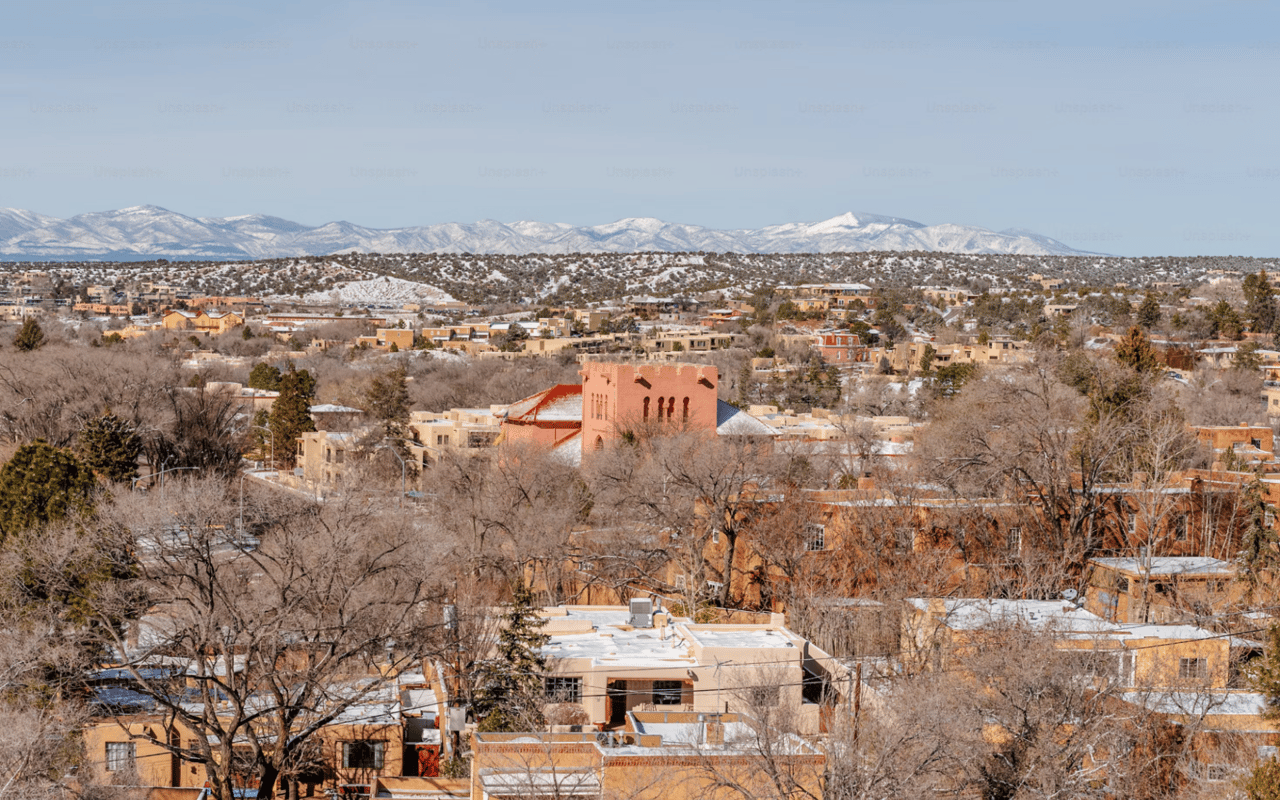
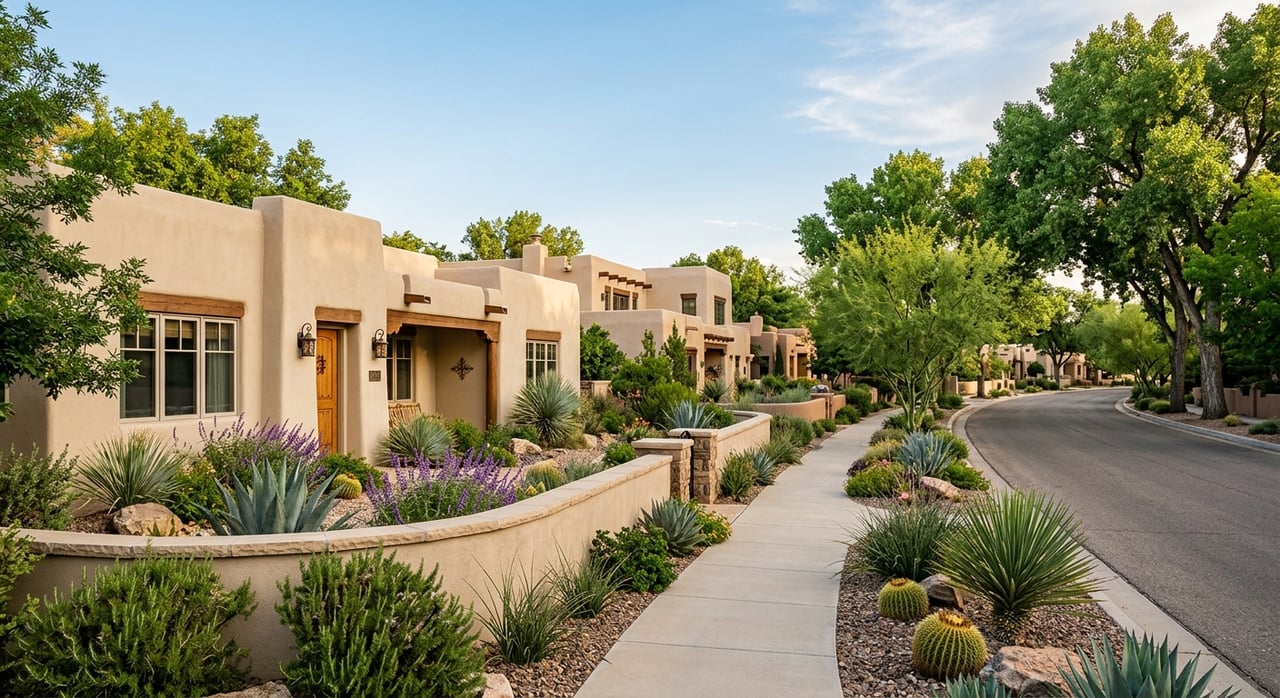
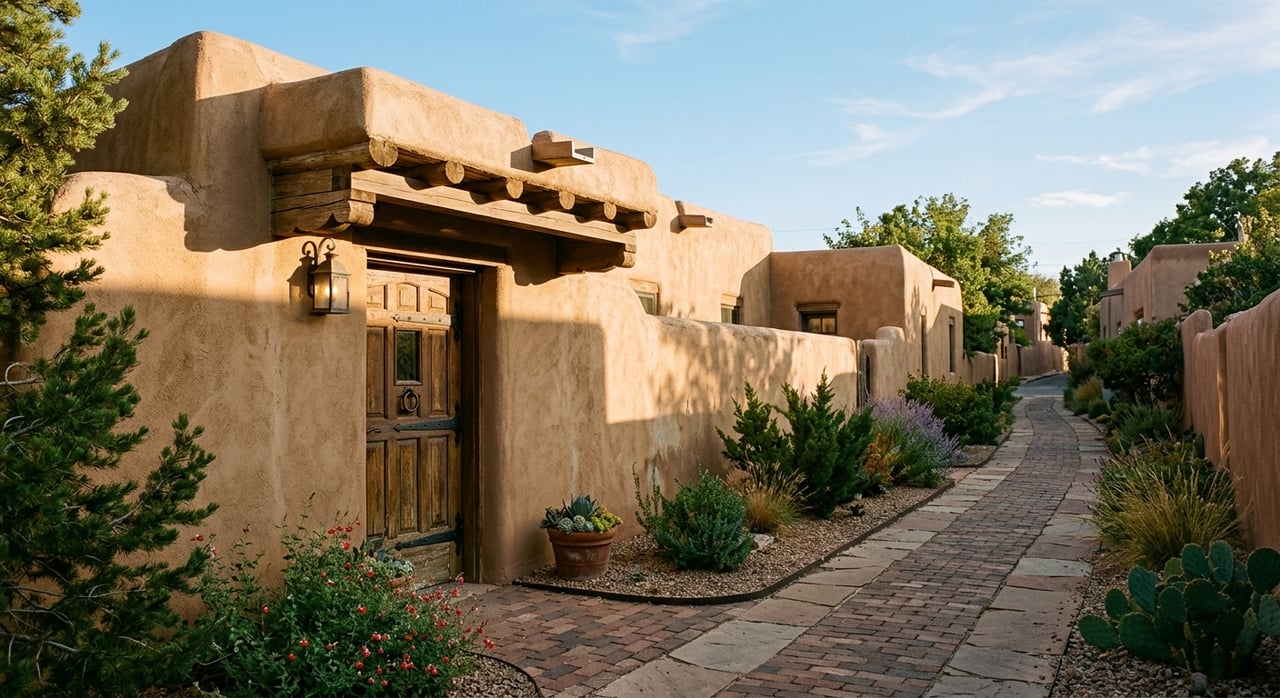
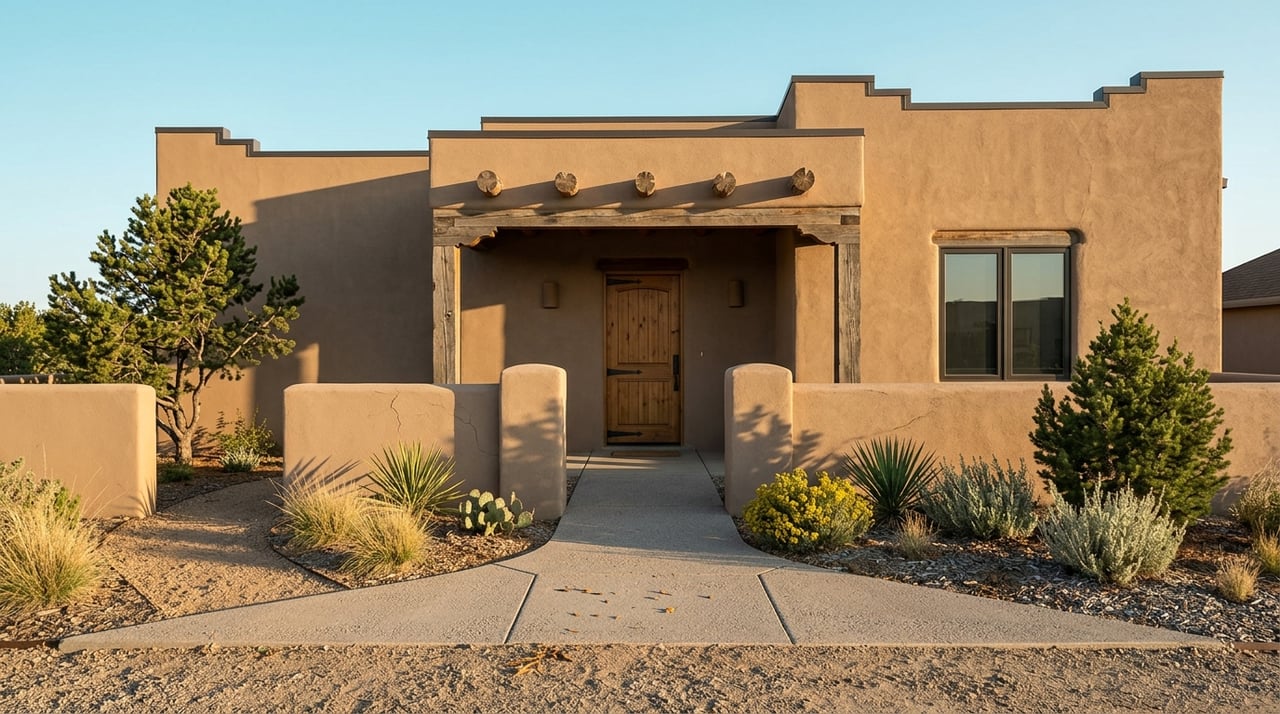
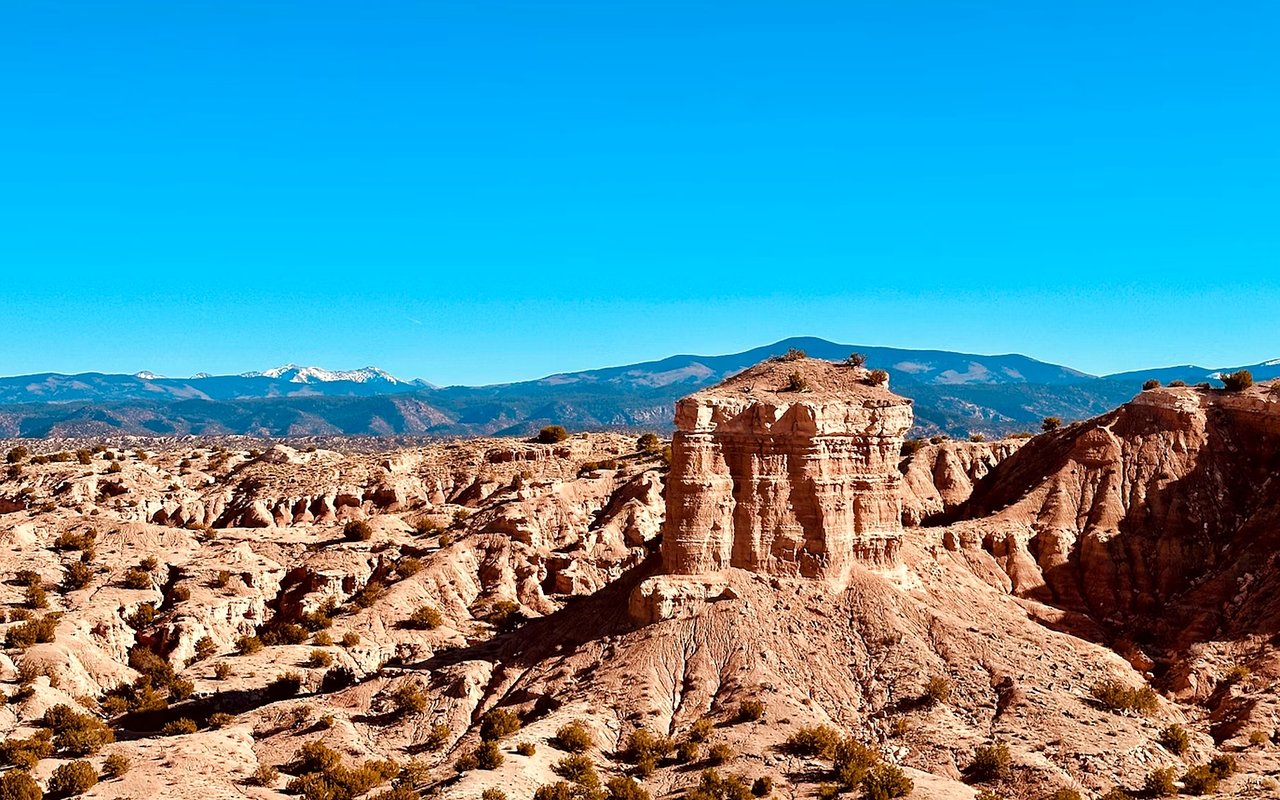
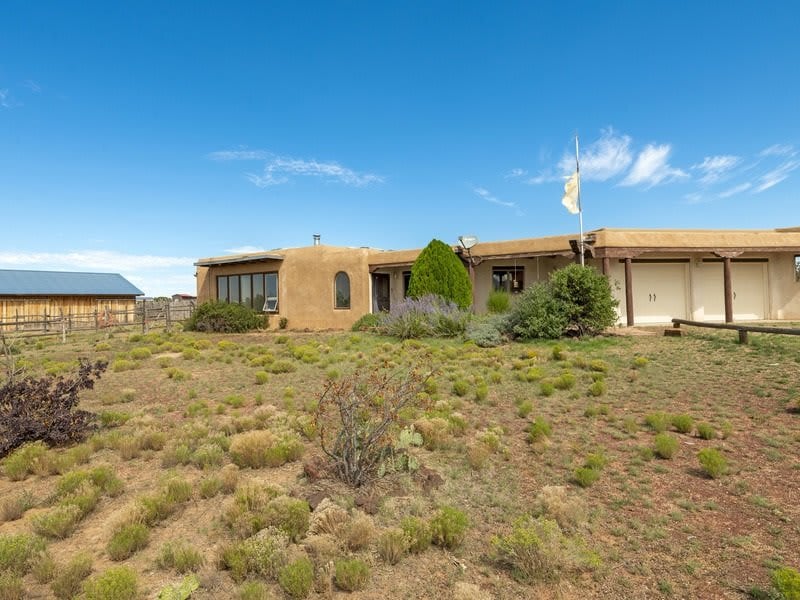
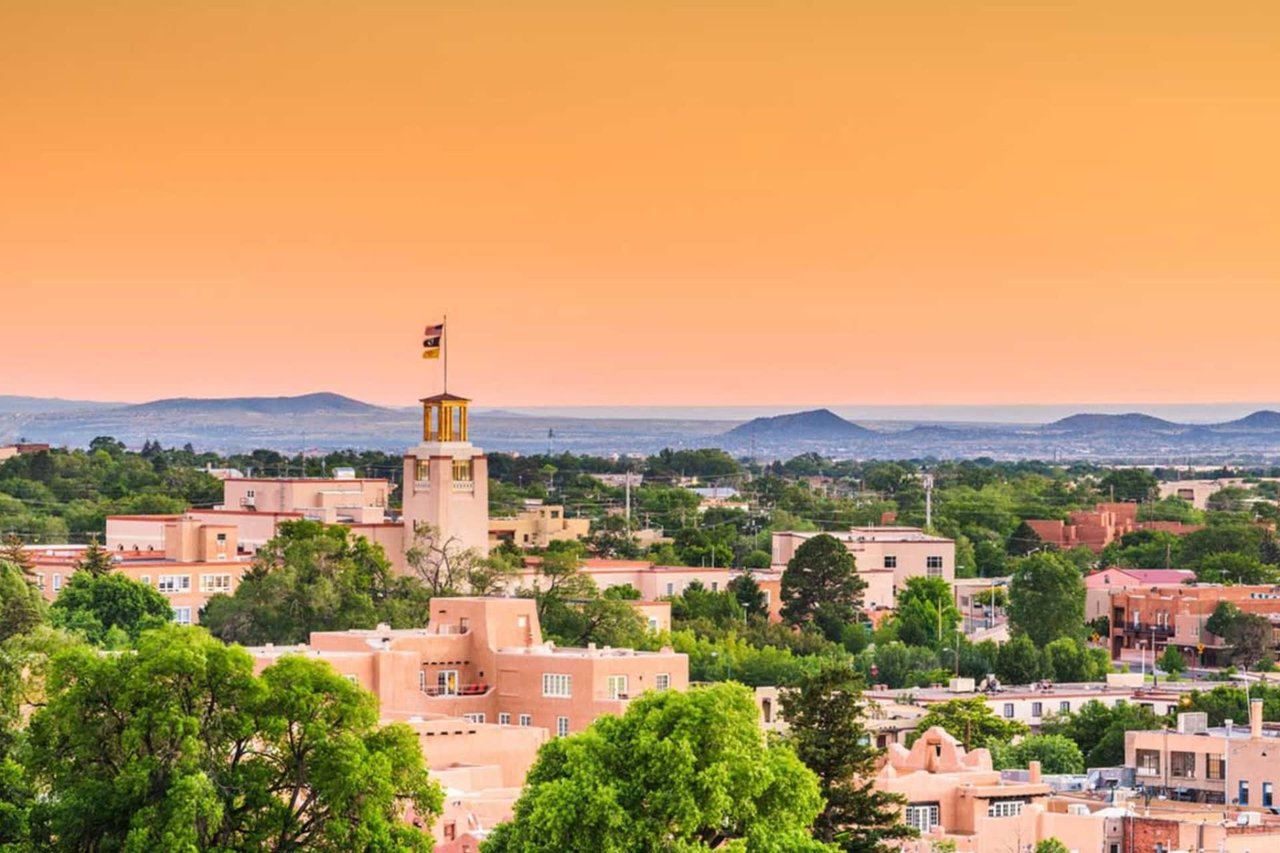
Tesuque is a small, unincorporated place in the valley the Tesuque River cuts on its way toward the Rio Grande, a few miles north of the Santa Fe Plaza on Bishop's Lodge Road, roughly ten minutes away in ordinary traffic. It's home to something like eleven hundred people spread across orchards, small farms and long driveways, and it has never had a commercial street to speak of.
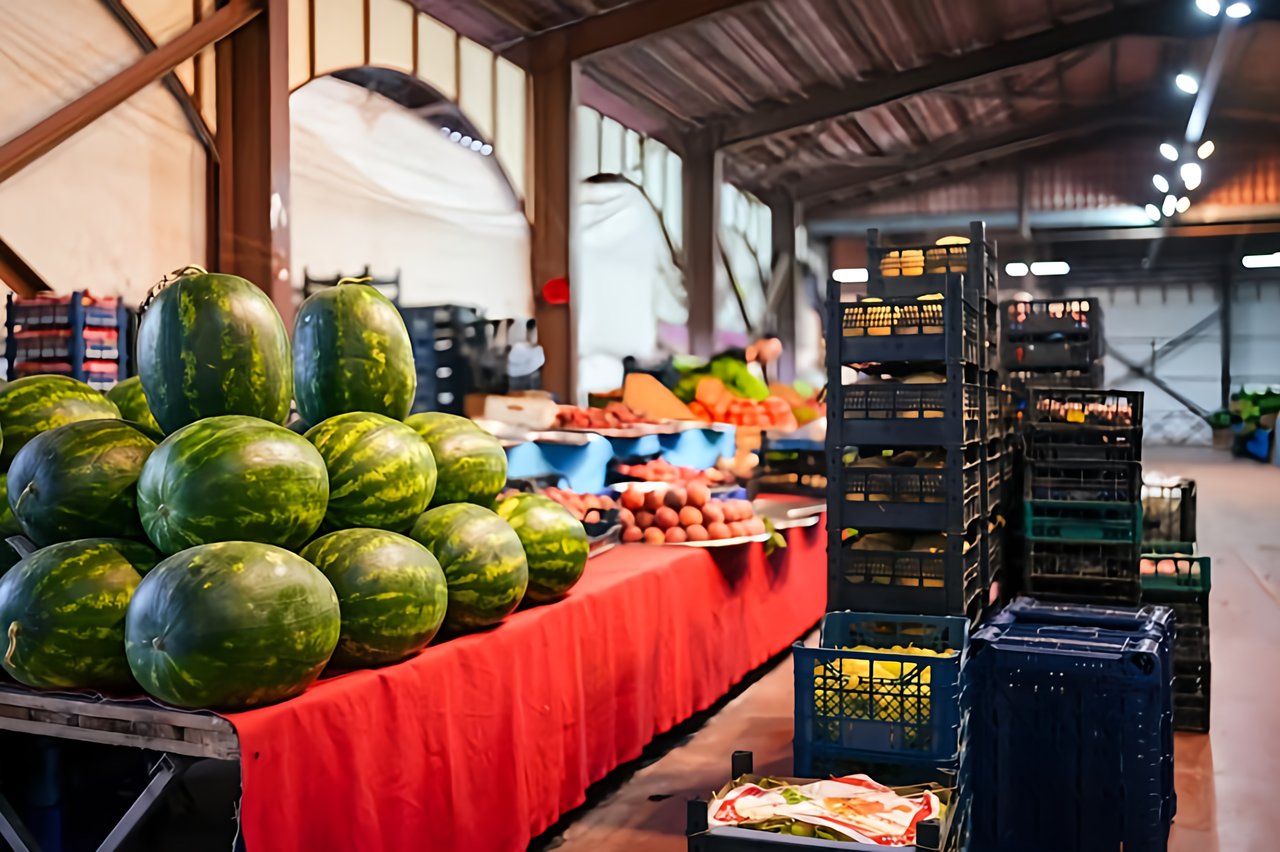
What it does have sits at one intersection: Tesuque Village Road and Bishop's Lodge Road, where Tesuque Village Market operates as grocery store, bakery, bar and restaurant under a single roof and a single owner. The market runs the same hours every day of the week, open from 9 in the morning to 9 at night, seven days straight, which makes it the one truly dependable fixture in a village where almost nothing else keeps a fixed schedule. It's currently running a refreshed menu, a small but telling sign that the place residents treat as their default meeting point keeps quietly updating itself rather than coasting on nostalgia.
Locals don't think of the market as a restaurant they choose among several options. They think of it as the place you already know you're going, because there isn't a second version of it in the village. That's not a lack of choice. It's the closest thing Tesuque has to a town square, and it functions as one precisely because it never closes.
The Gallery's Saturday Is a Maybe, Not a Schedule
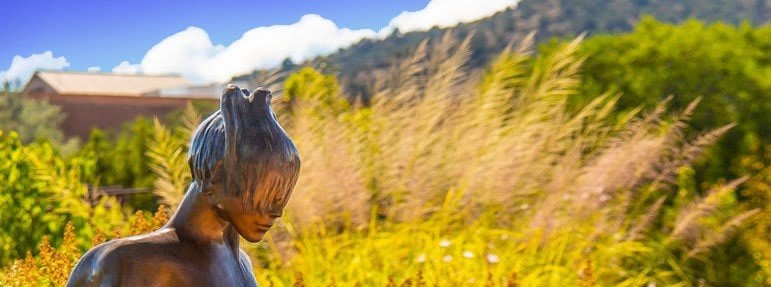
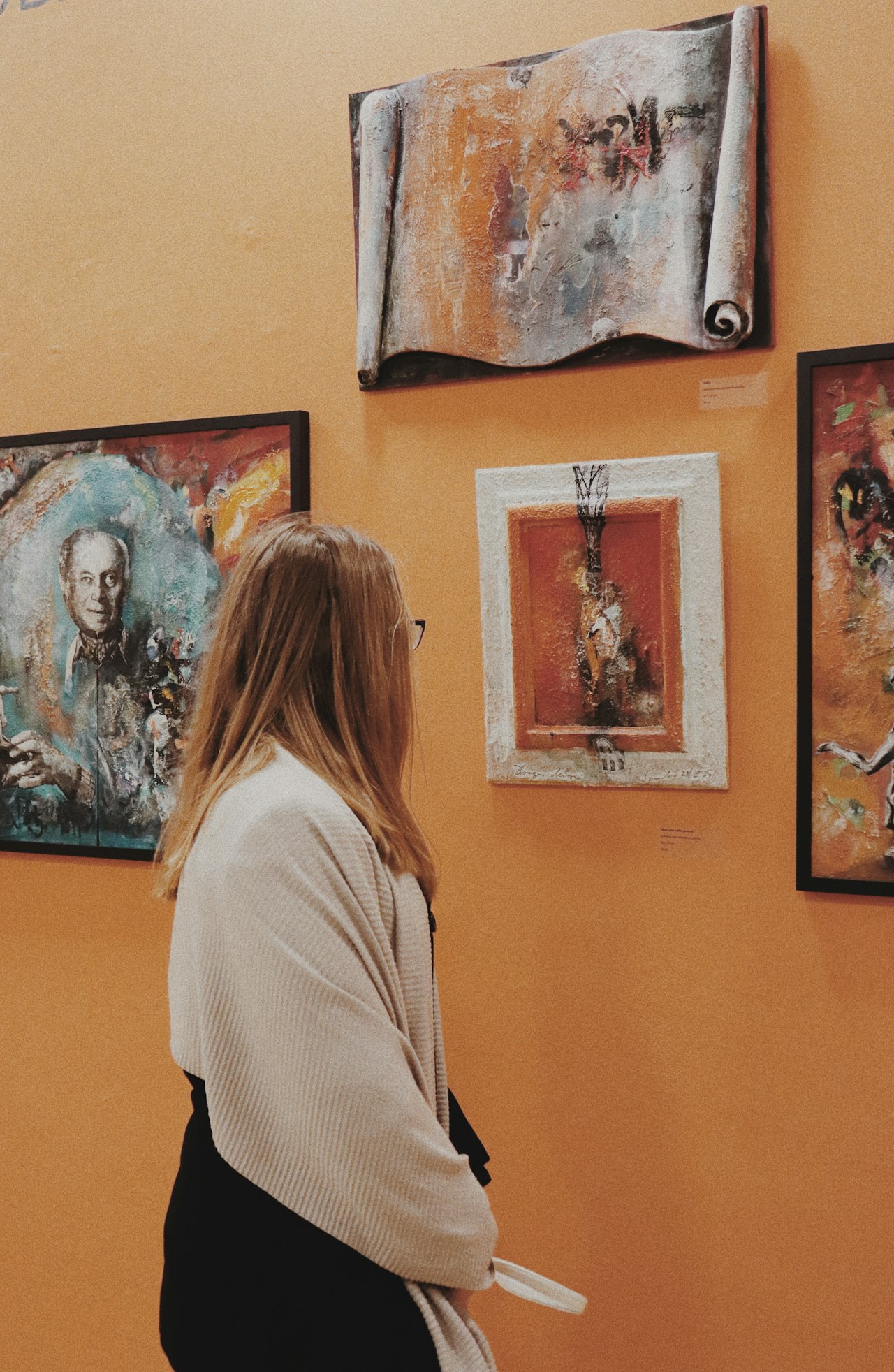
If the market is the fixed point, Shidoni Gallery and Sculpture Garden is the contingent one, and the contrast between them is the whole story. Shidoni opened in 1971 and has operated under the same ownership longer than any other gallery in the Santa Fe area, spread across several acres of sculpture gardens along the Rio Tesuque on what was once an apple orchard. The property holds an indoor arts gallery, an outdoor sculpture garden with room to walk the grounds, and a glassblowing studio, and it's open Tuesday through Saturday from 10 to 5, closed Sunday and Monday.
The foundry is the part that turns a gallery visit into an event. On Saturday Pour Days, visitors can watch technicians pour molten bronze into ceramic shell molds, a process that takes about half an hour and produces the kind of heat and noise that no photograph of a finished sculpture prepares you for. But a Pour Day isn't guaranteed just because it's Saturday. Regulars know that whether a pour actually happens depends on what the foundry has ready to cast that week, and the only way to find out is to call ahead, ideally by Friday afternoon.
That detail matters more than it first appears. It means the neighborhood's single most distinctive public spectacle, hundred-year-old craft, open to anyone who shows up, doesn't run on a clock. It runs on a phone call and the foundry's actual production schedule. Residents who've lived here a while have stopped treating "Saturday at Shidoni" as an event they can simply attend and started treating it as one they confirm.
Dinner Works the Same Way, One Calendar Entry at a Time
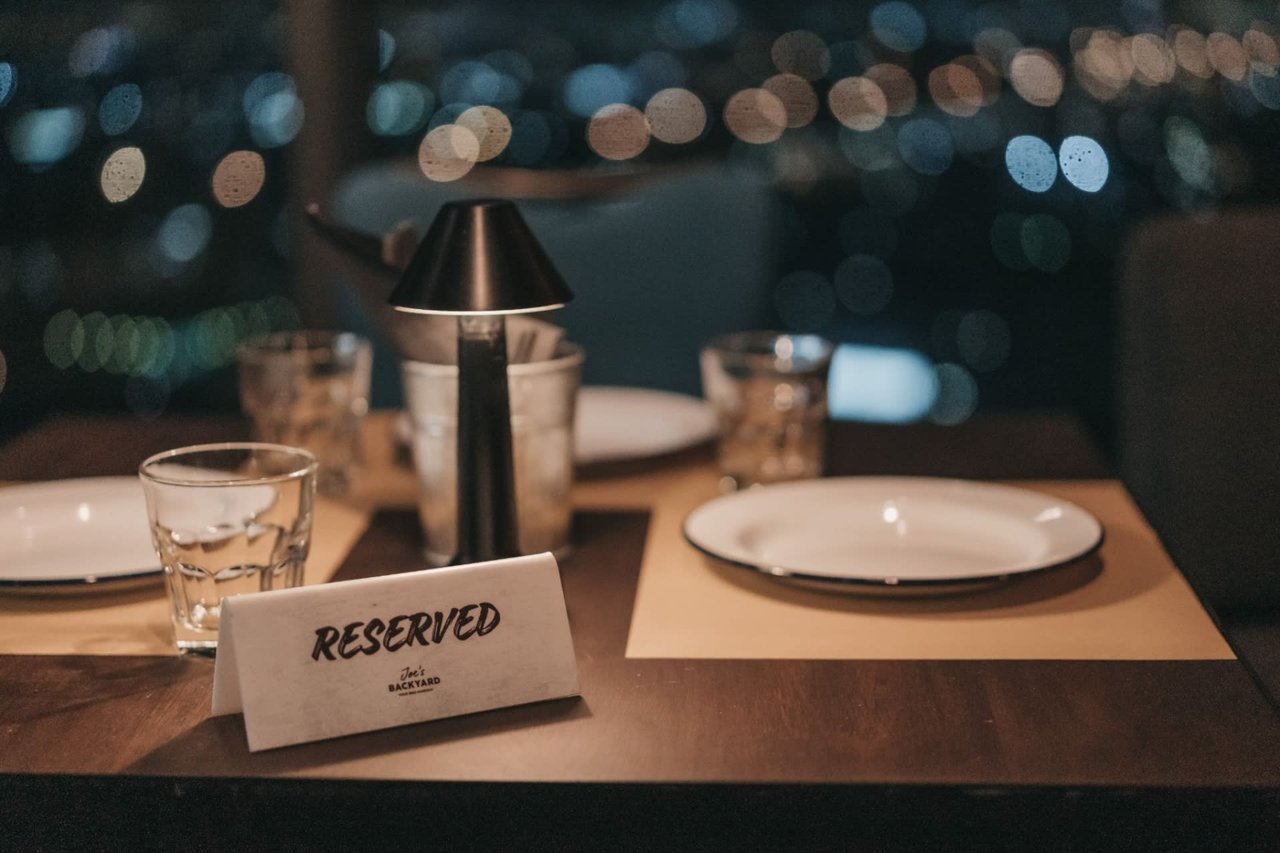
The same logic shows up at El Nido, the restaurant occupying one of Tesuque's older buildings, with its Zozobra Bar, wood-fired pizza, an Argentine grill for steaks and seafood, homemade pastas, and three fireplaces for the colder months. El Nido runs as a restaurant every night, but the events that turn a routine dinner into something residents plan around are one-offs stitched onto the calendar rather than standing weekly features.
This September gives a clean example. The 35th Annual Santa Fe Wine and Chile Fiesta runs September 22 through 27, 2026, and El Nido is marking it with an inaugural Champagne Cocktail Party inside its Crow's Nest space on Thursday, September 24, debuting a new oyster bar alongside live music. The ticket includes a welcome glass of champagne with a caviar bump and seafood stations built specifically for that one night. It isn't a recurring Thursday special. It's a single date on the calendar that exists because the Fiesta exists, and once that week passes, the oyster bar debut becomes part of the restaurant's ongoing offering rather than an event in itself.
Multiply that pattern across a year, a wine dinner here, a seasonal menu shift there, and you get a restaurant that residents track the way you'd track a friend's schedule rather than a business with fixed hours. You don't just walk into El Nido on a random Thursday expecting the same thing that happened last month. You check what's on for this particular week.
Time Became the Village's Geography
Put the market, the gallery and the restaurant side by side and the pattern is hard to miss. One place holds steady every day of the week and absorbs the role a plaza would otherwise play. The other two only become communal events when their calendars line up right, a scheduled pour, a Fiesta-week party, a seasonal menu. Tesuque never built a physical center dense enough to gather people by default, so its residents built a mental one instead, a running list of what's happening this particular week rather than a street they'd naturally end up on.
That's a different kind of neighborhood knowledge than most guides bother to explain. It's not about which restaurant has the best patio or which gallery has the nicest grounds. It's about understanding that in a village this loosely built, showing up on the right day matters more than showing up at all. Residents here don't ask "where is everyone." They ask "what's on this week," and that question does the work a plaza would do somewhere else.
A Saturday, Sequenced the Way Locals Actually Run It
- Morning: coffee and whatever's new on the menu at Tesuque Village Market, since it's open and it's always open
- Midday: a call to Shidoni to confirm whether Saturday's pour is actually happening before making the drive
- Afternoon: if the pour is on, the sculpture garden and foundry make for an hour or two well spent, glassblowing studio included
- Evening, Fiesta week only: a reservation at El Nido's Crow's Nest for whatever one-night event happens to be running that particular week
None of this is a fixed weekly routine so much as a habit of checking before committing, which is exactly what living somewhere without a plaza teaches you to do.
That habit, more than any single business, is what makes Tesuque feel like a place rather than a stretch of road between Santa Fe and somewhere else. The village never needed a center built from brick and pavement. It built one out of a calendar, and its residents learned to read that calendar the way people elsewhere read a street map.
If you're already living that rhythm, or thinking about what it would mean to build a life around it, the Ricky Allen-Tara Earley Group knows this valley from the inside, foundry schedules, market hours and Fiesta weeks included. Tell your home's story, work with the RCT Team.