By Ricky Allen & Tara Early
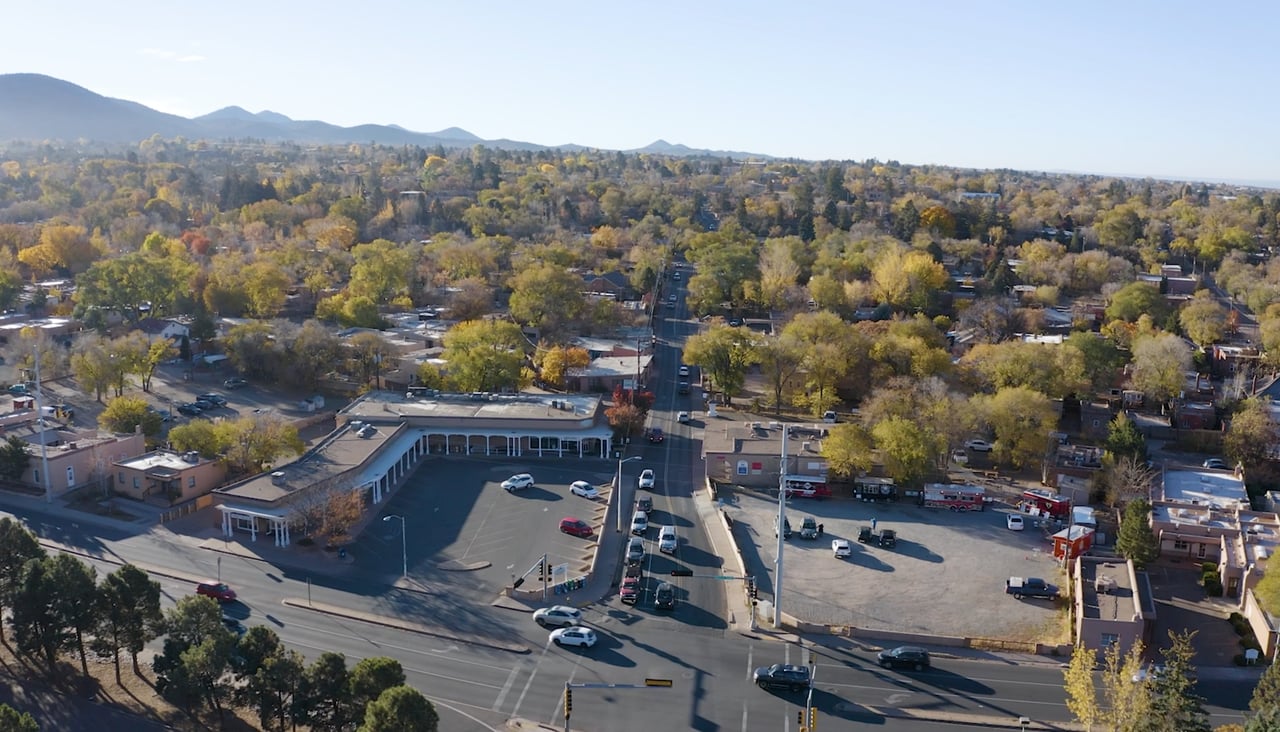
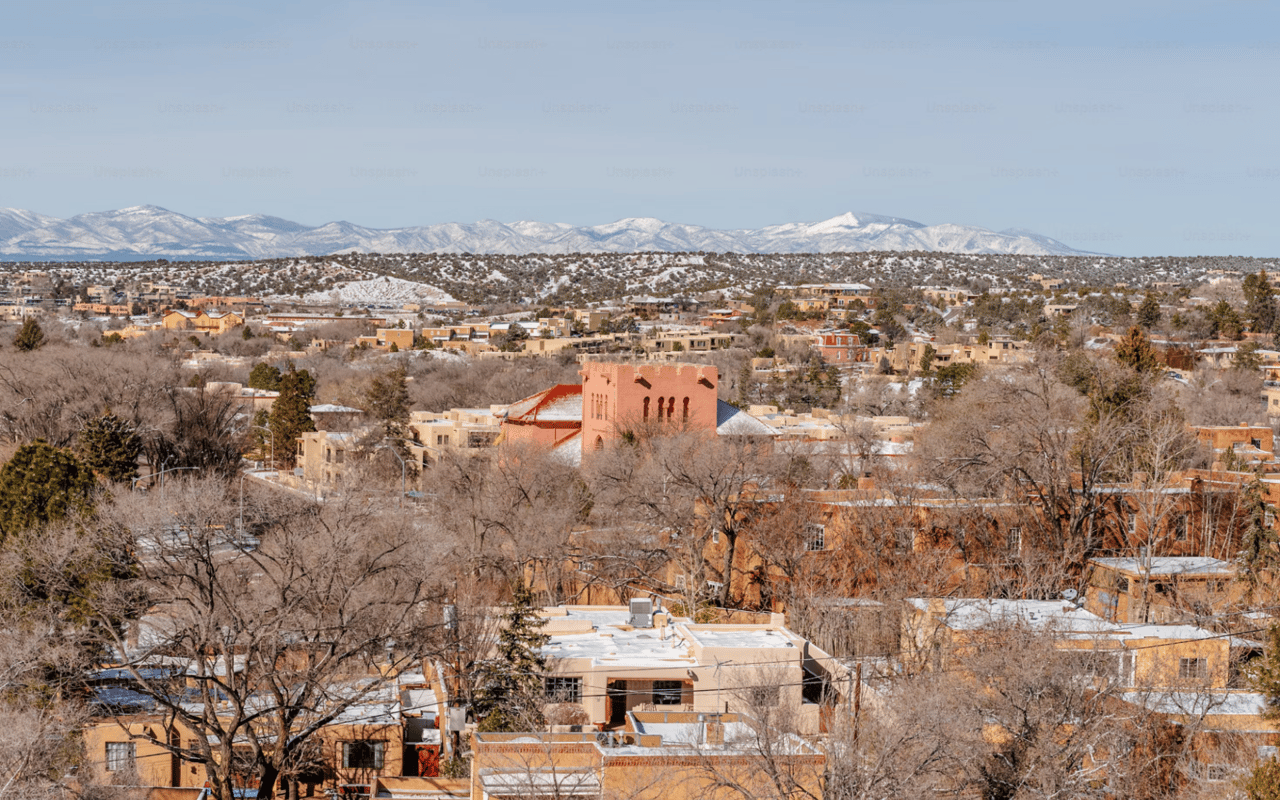
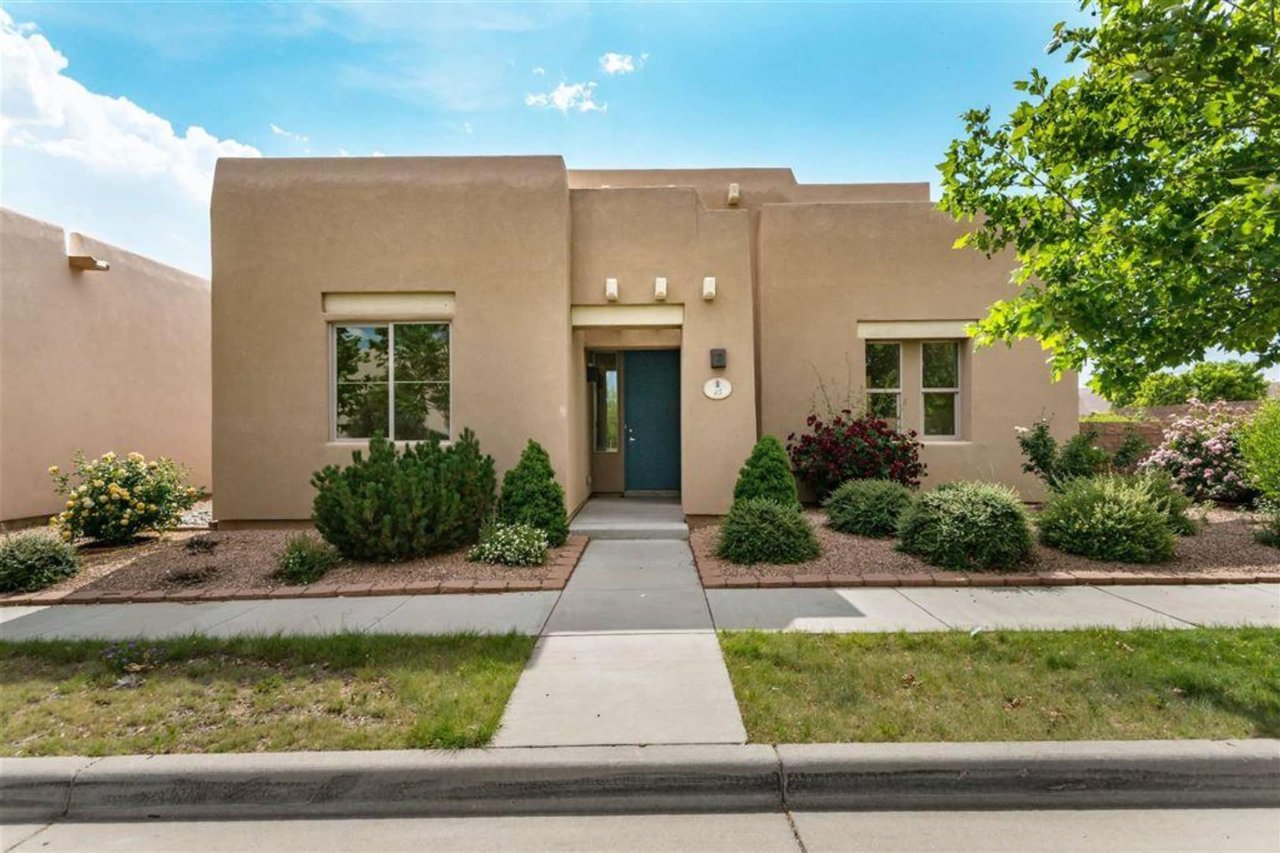
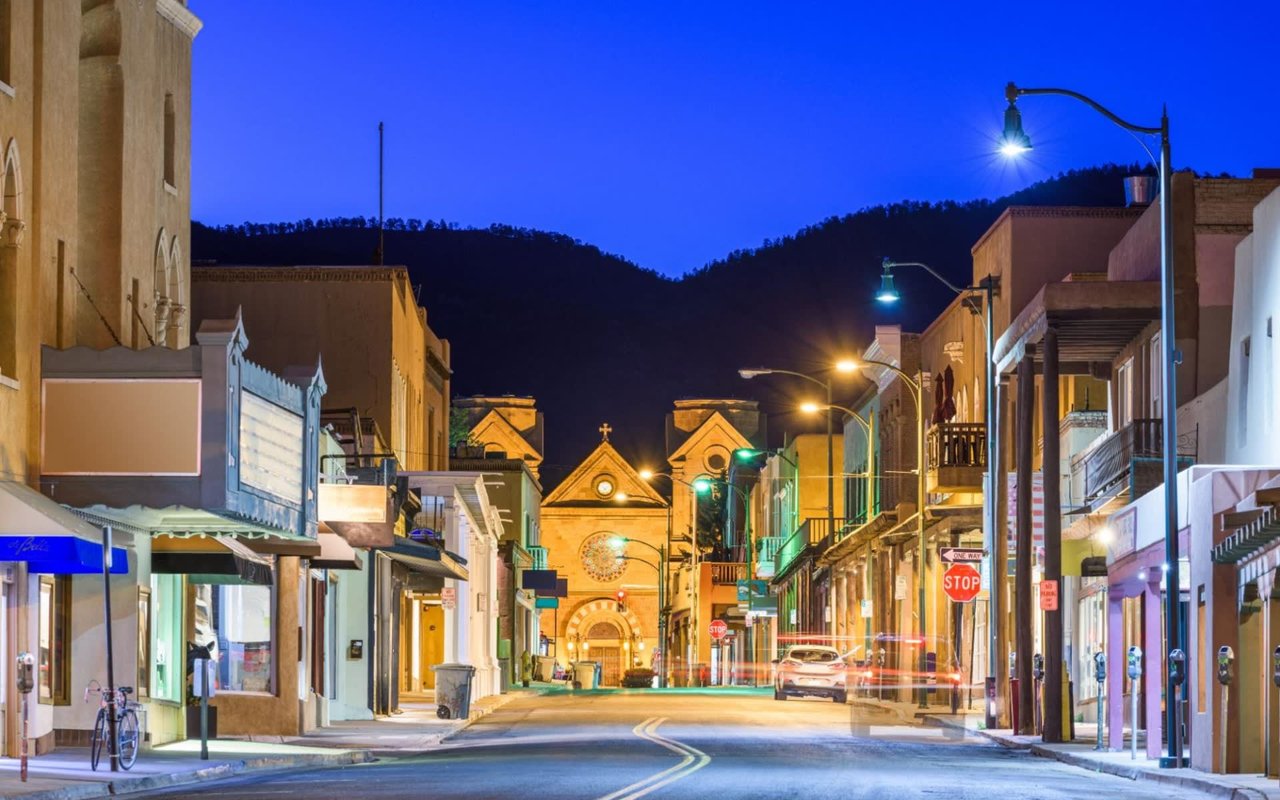
For our clients, a home in Northern New Mexico is a legacy piece, a gathering place for children and grandchildren to experience the multicultural heritage that makes this region world-renowned. We invite you to explore the distinctive profiles that define our skyline, from the soft, hand-troweled curves of Pueblo Revival to the symmetrical, refined lines of the Territorial style.
Key Takeaways
- Learn the defining features of Pueblo Revival, Territorial, and Northern New Mexican designs.
- Discover why local preservation ordinances ensure your investment retains its aesthetic value.
- Identify the structural hallmarks like vigas, latillas, and canales that signify authentic craftsmanship.
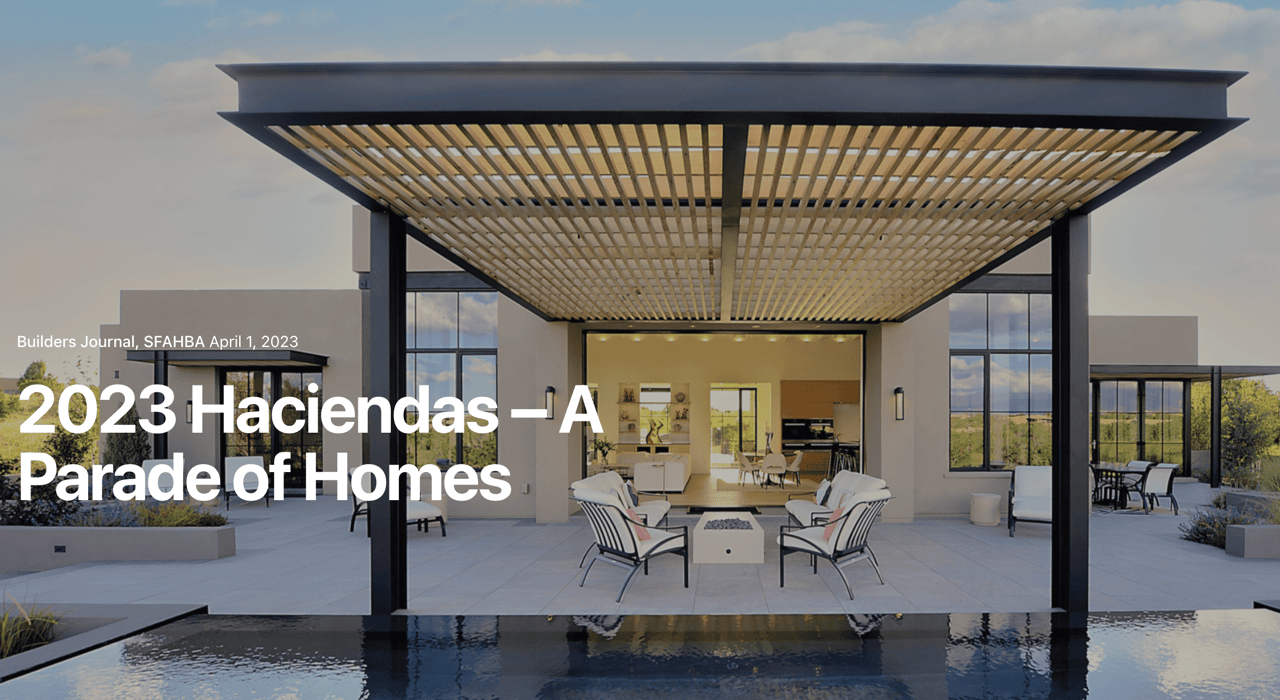
- Discover how contemporary designs seamlessly blend traditional materials with modern luxury amenities.
The Heart of the High Desert: Pueblo Revival
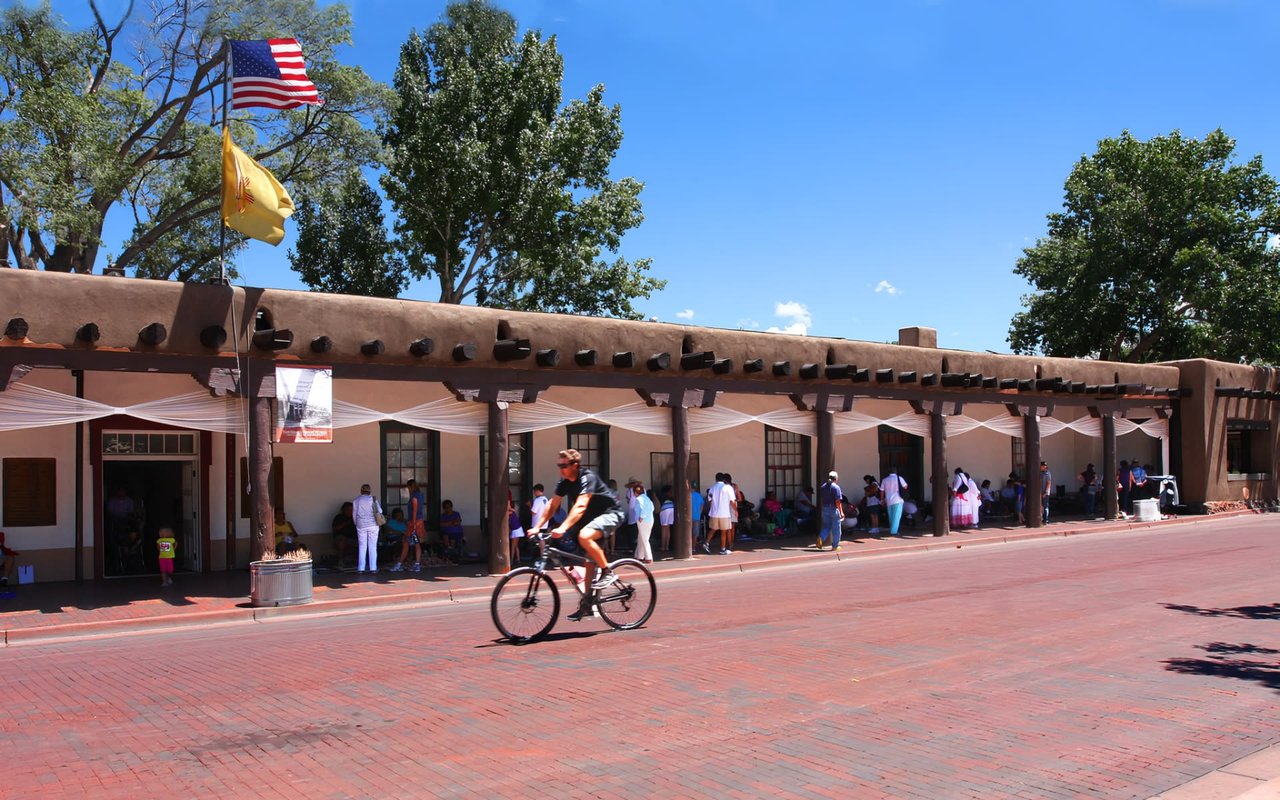
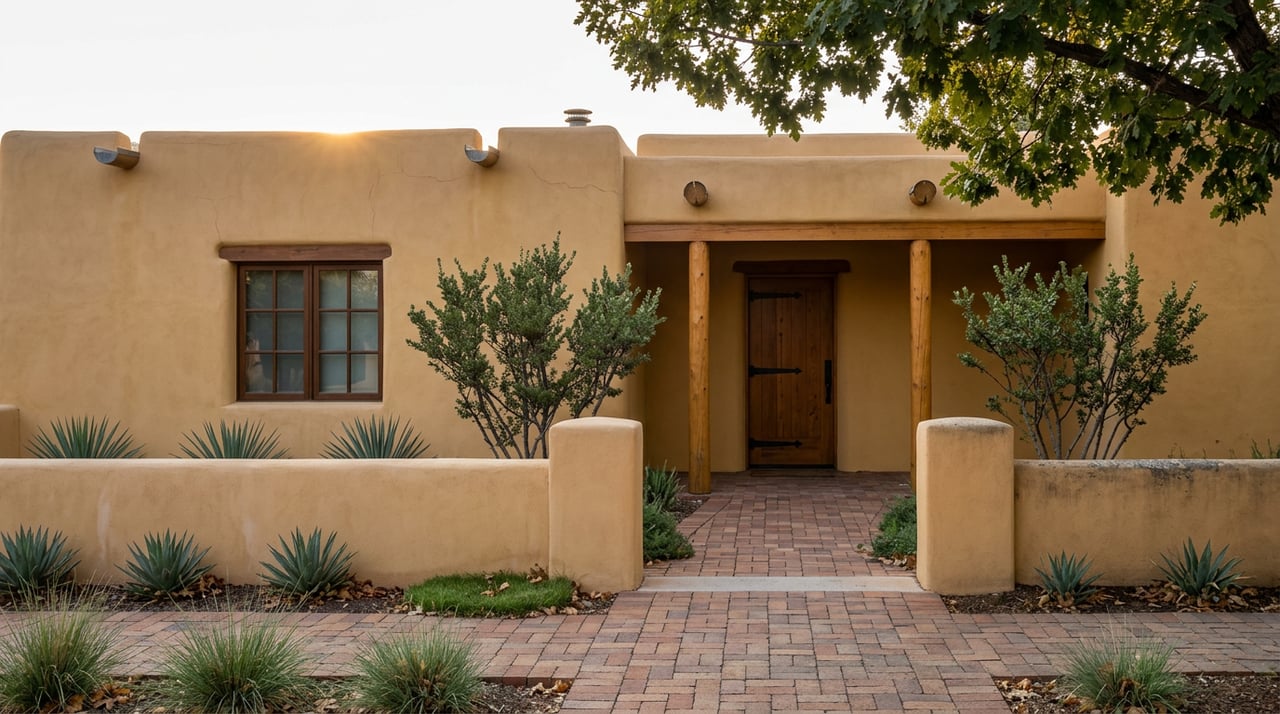
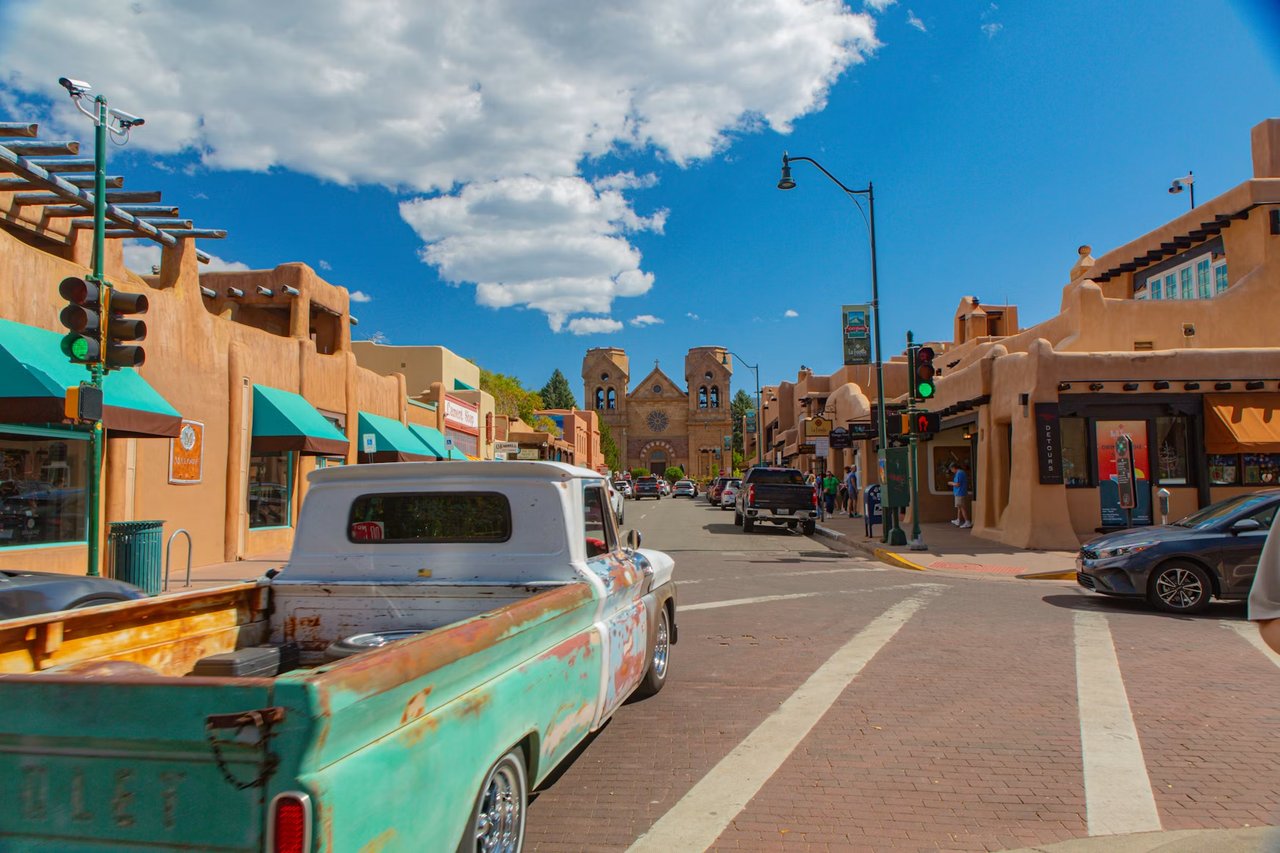
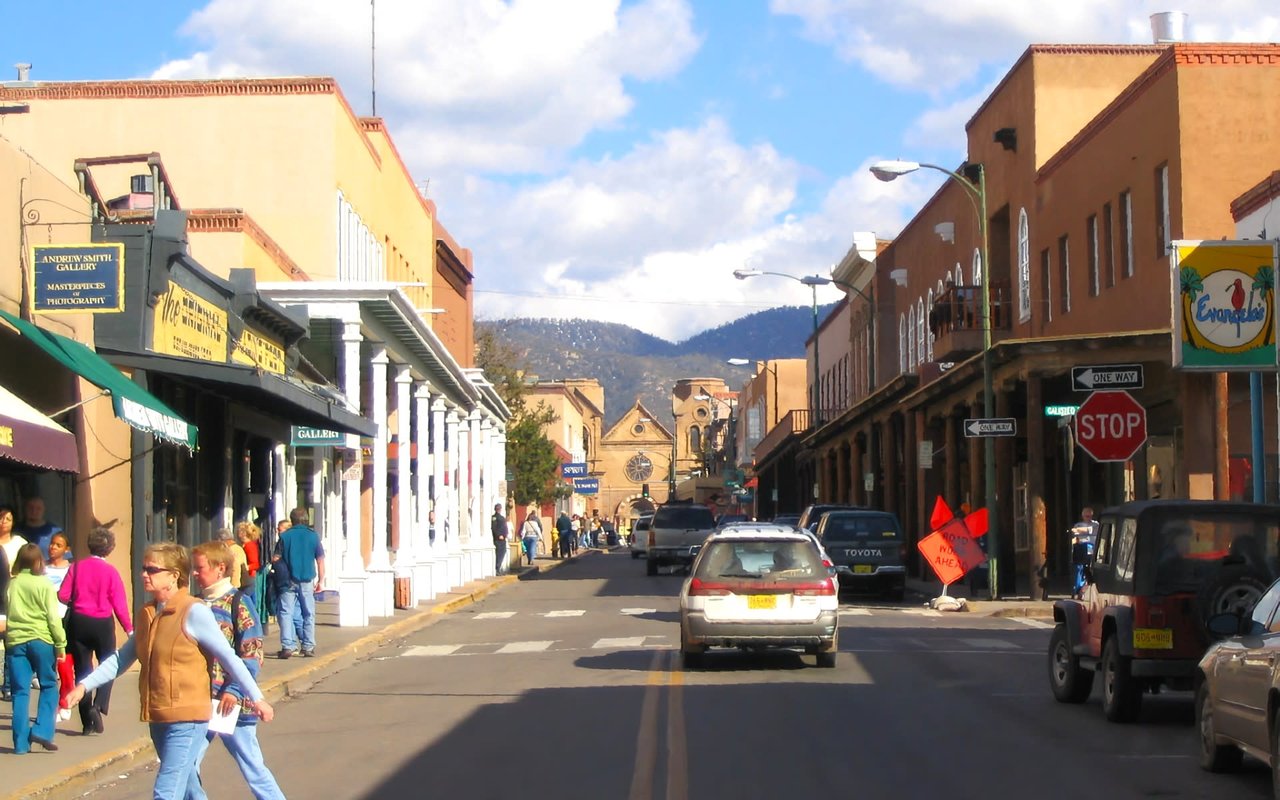
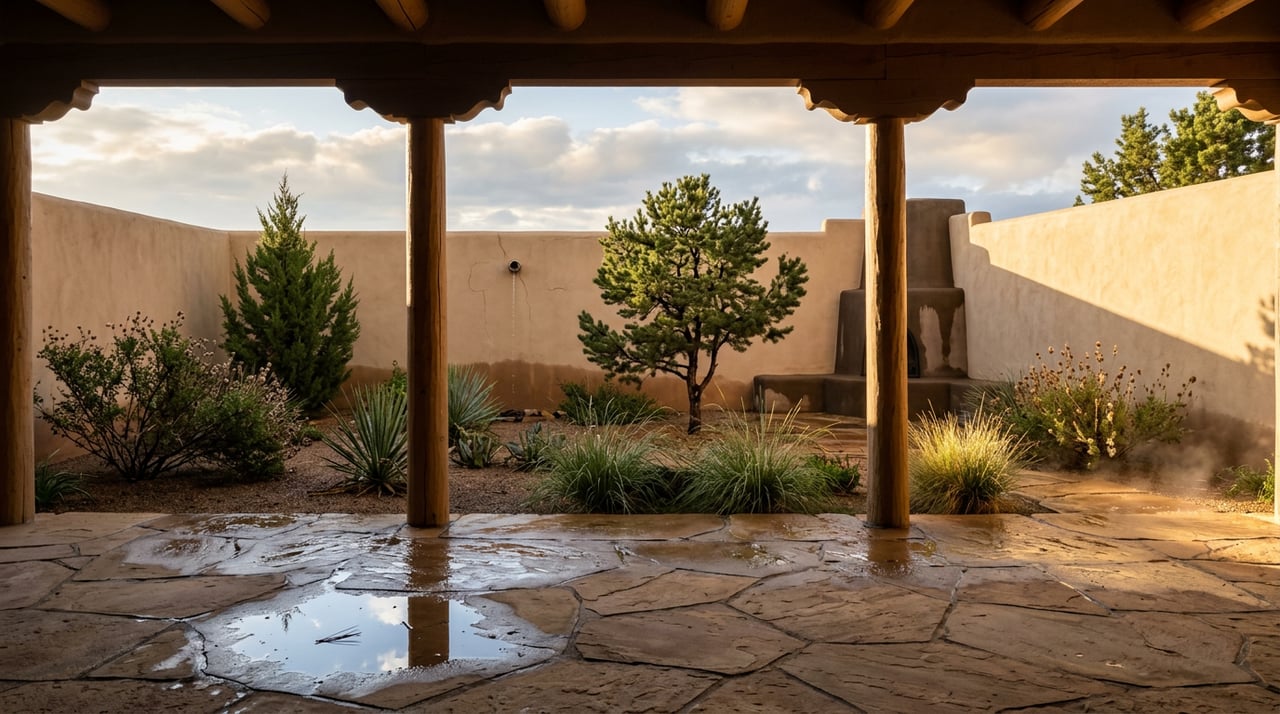
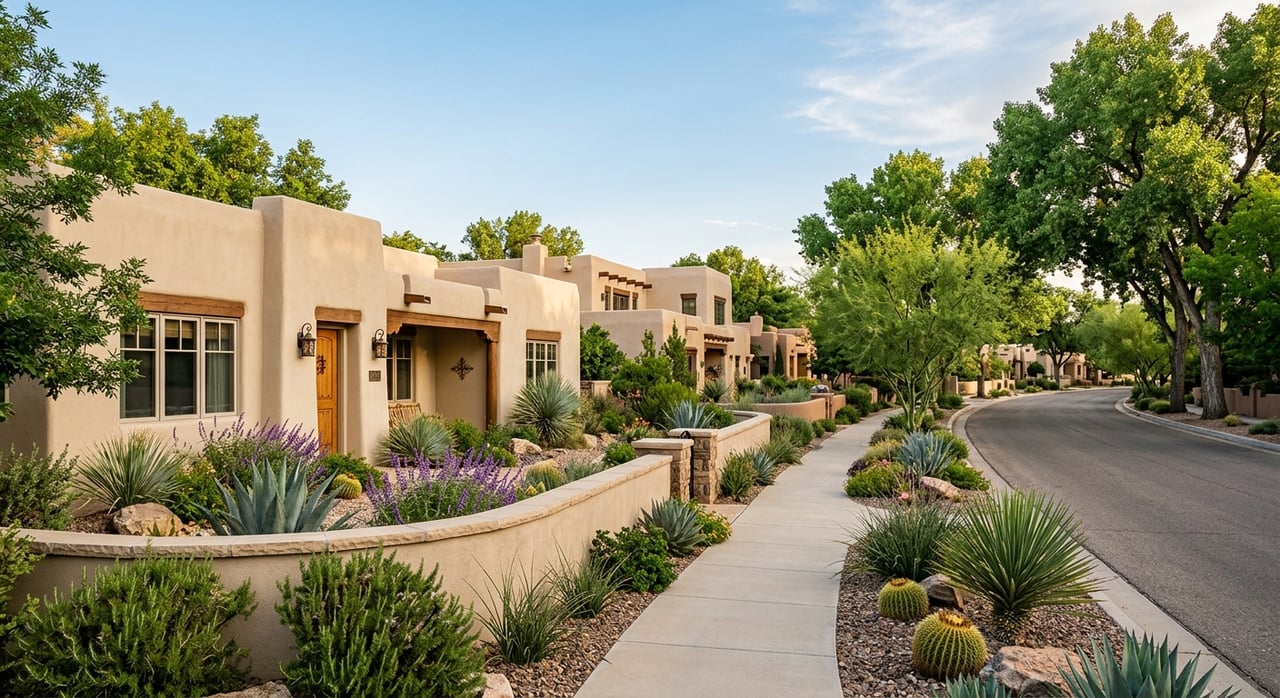
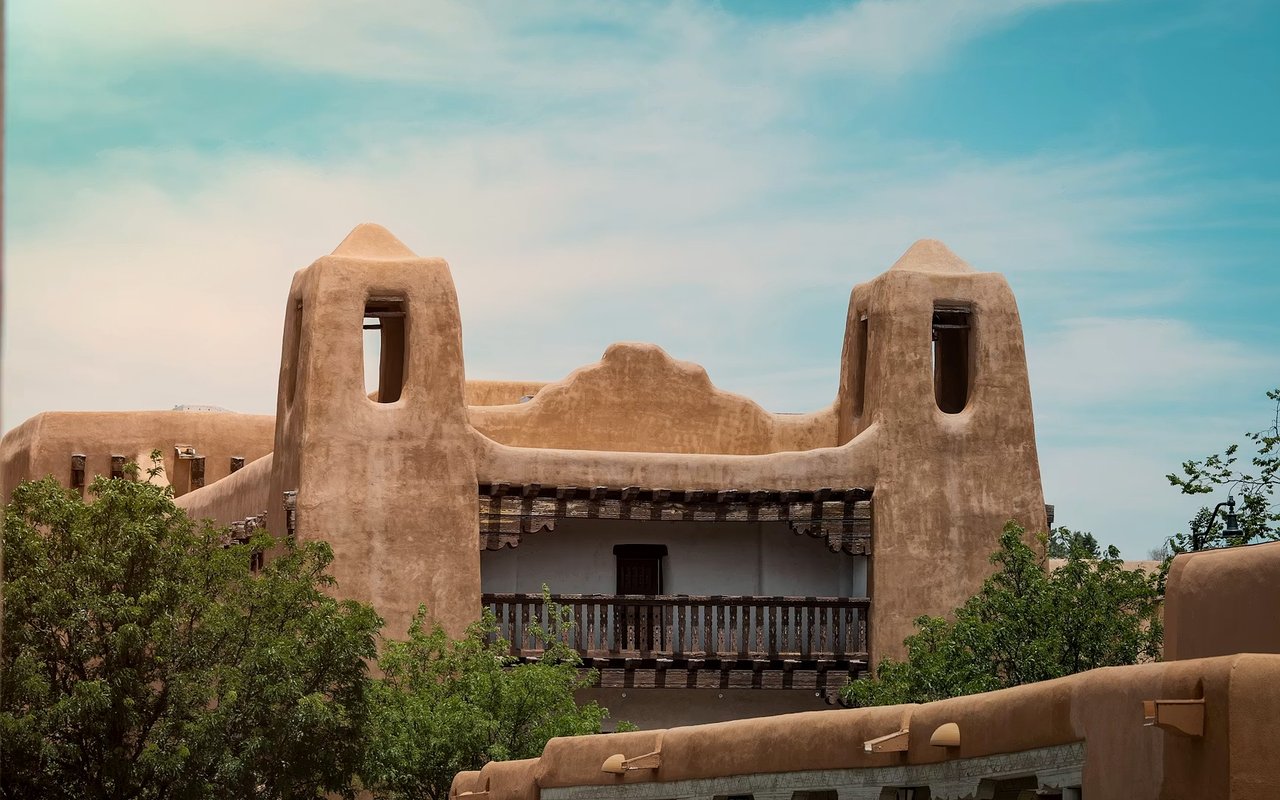
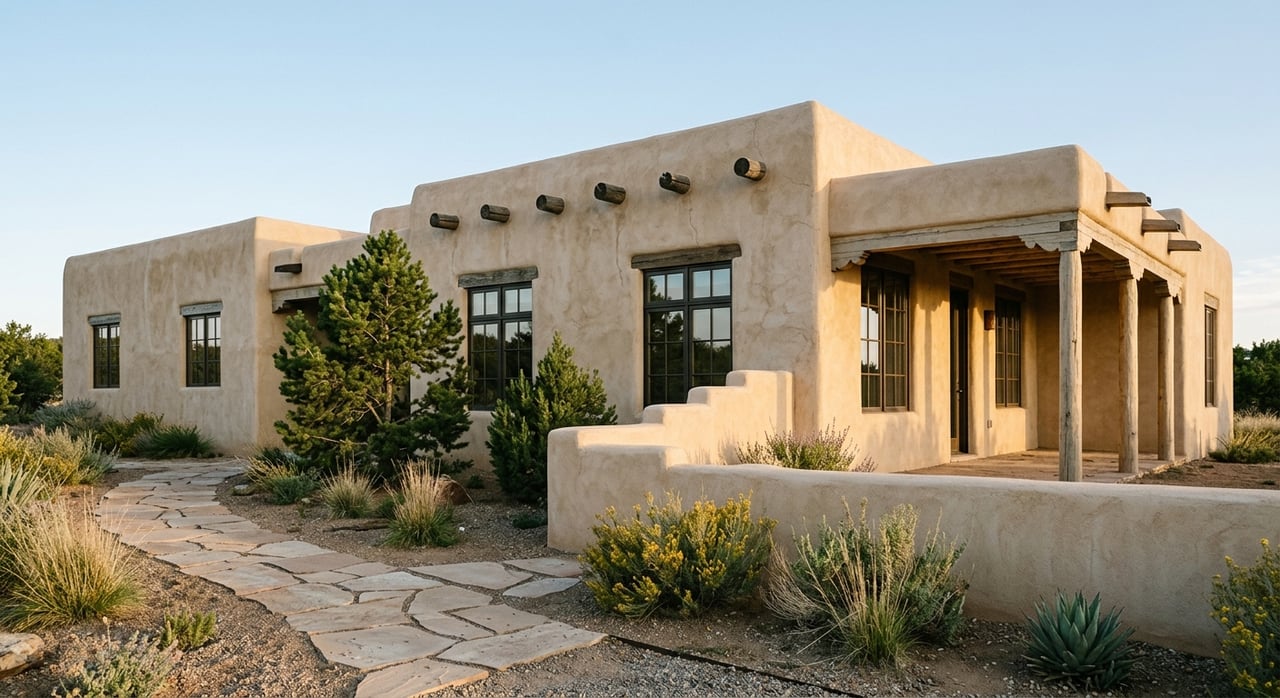
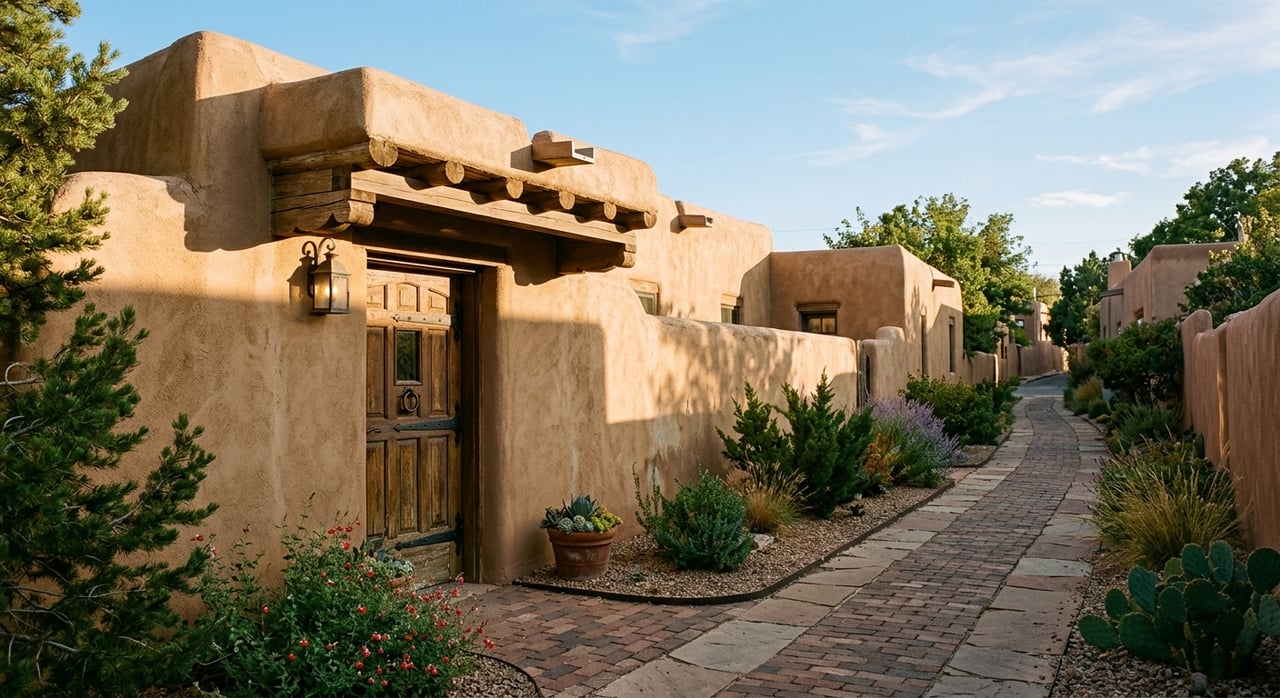
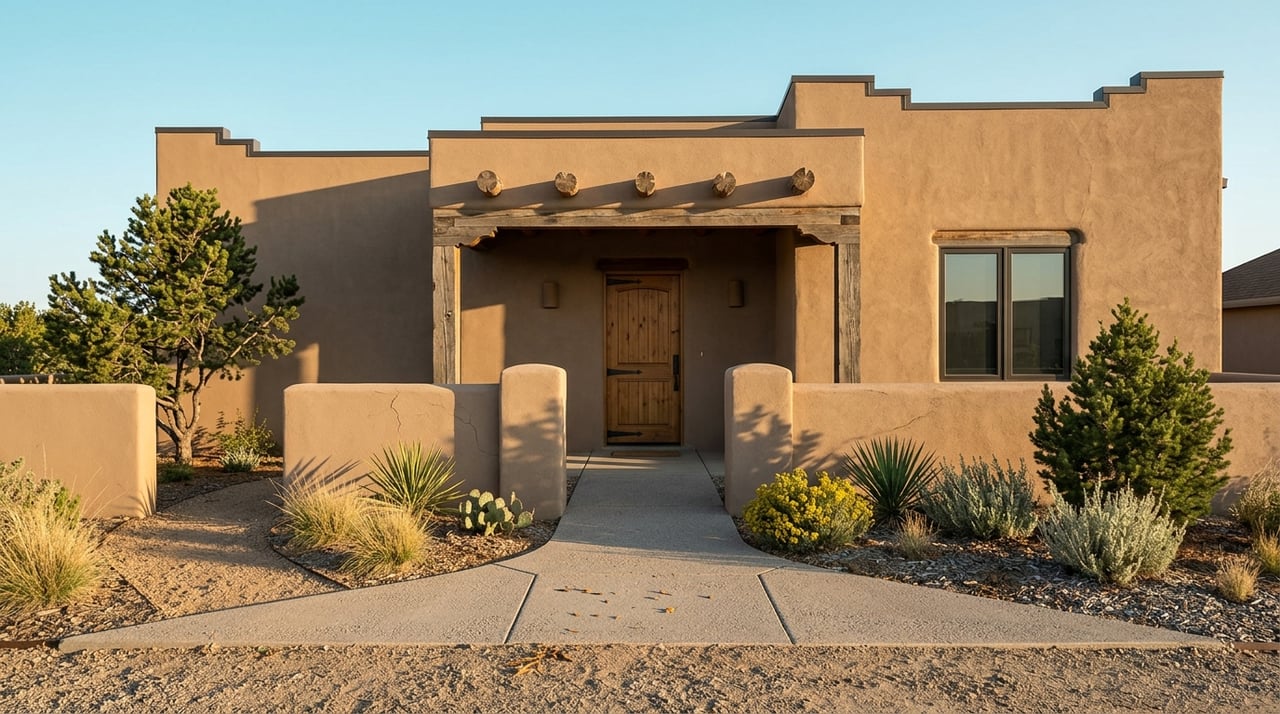
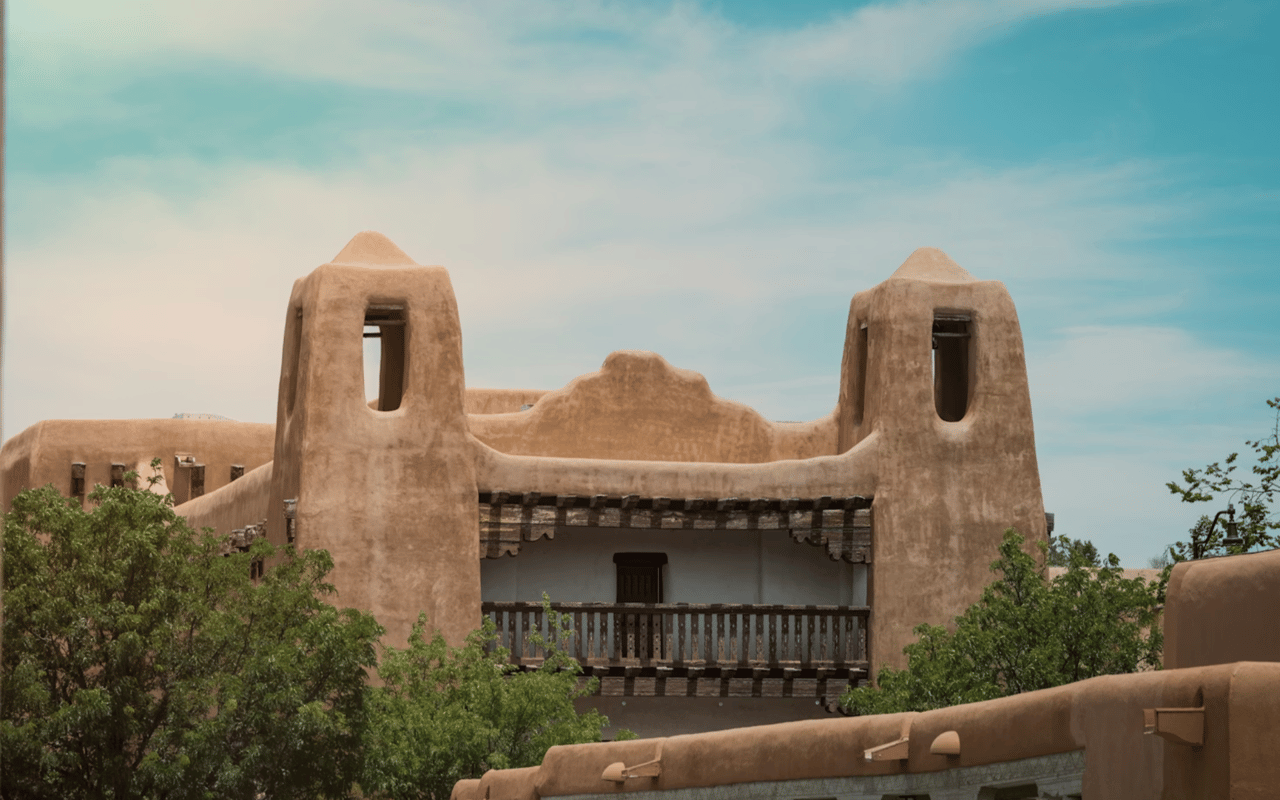
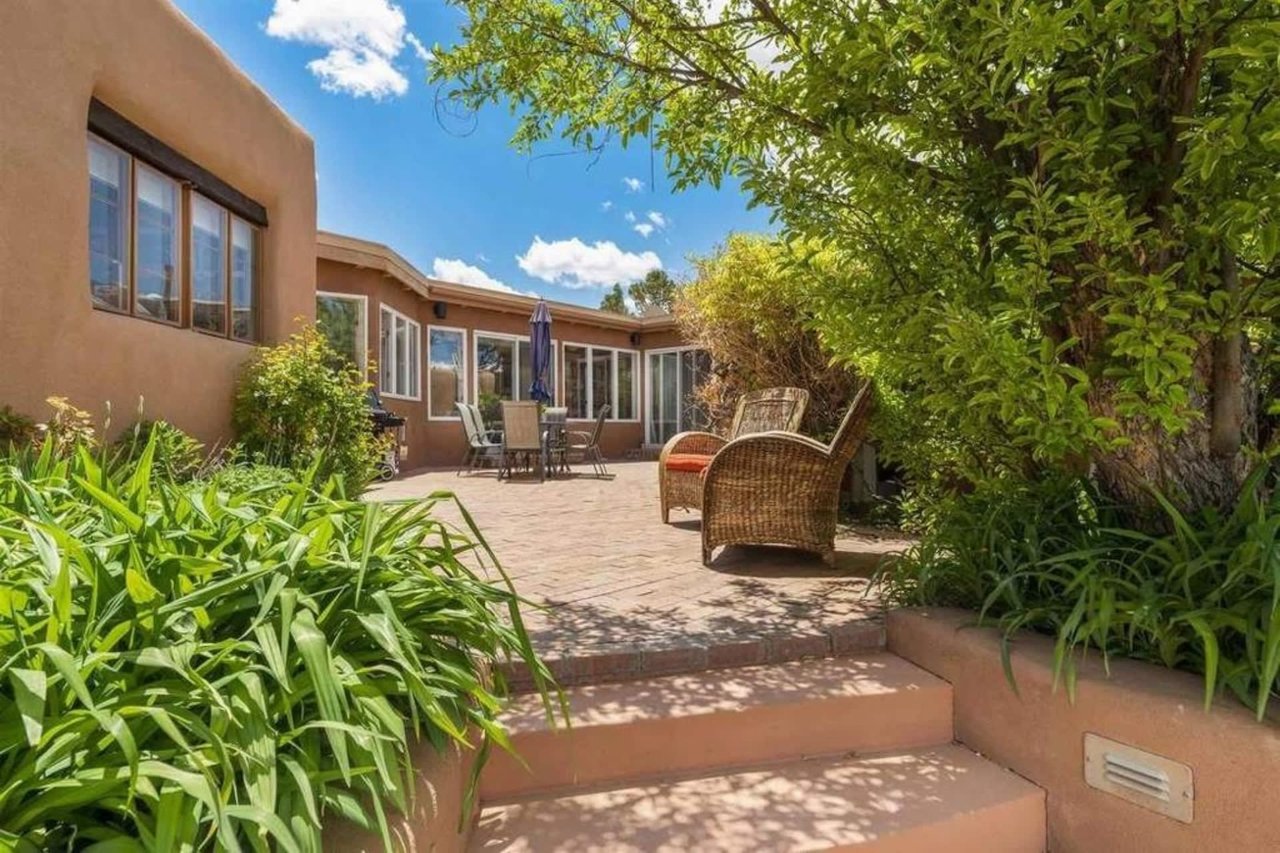
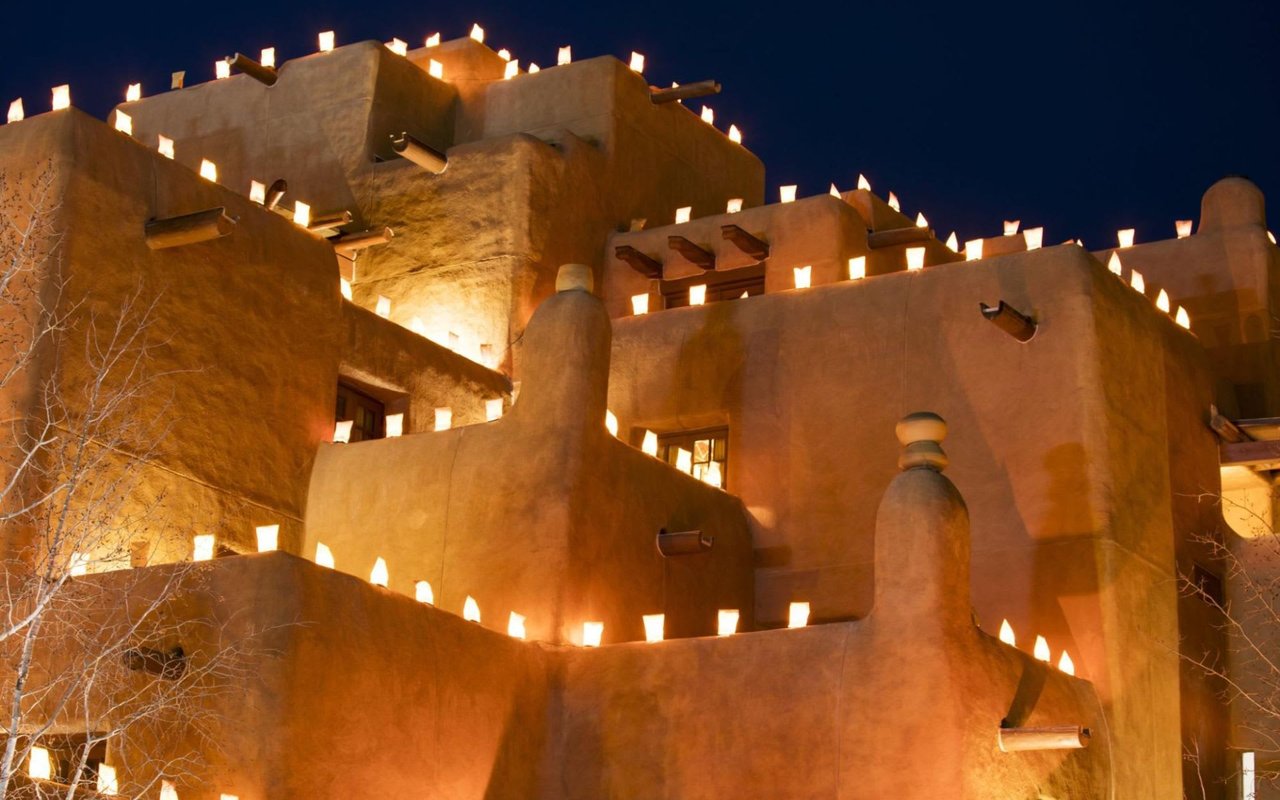
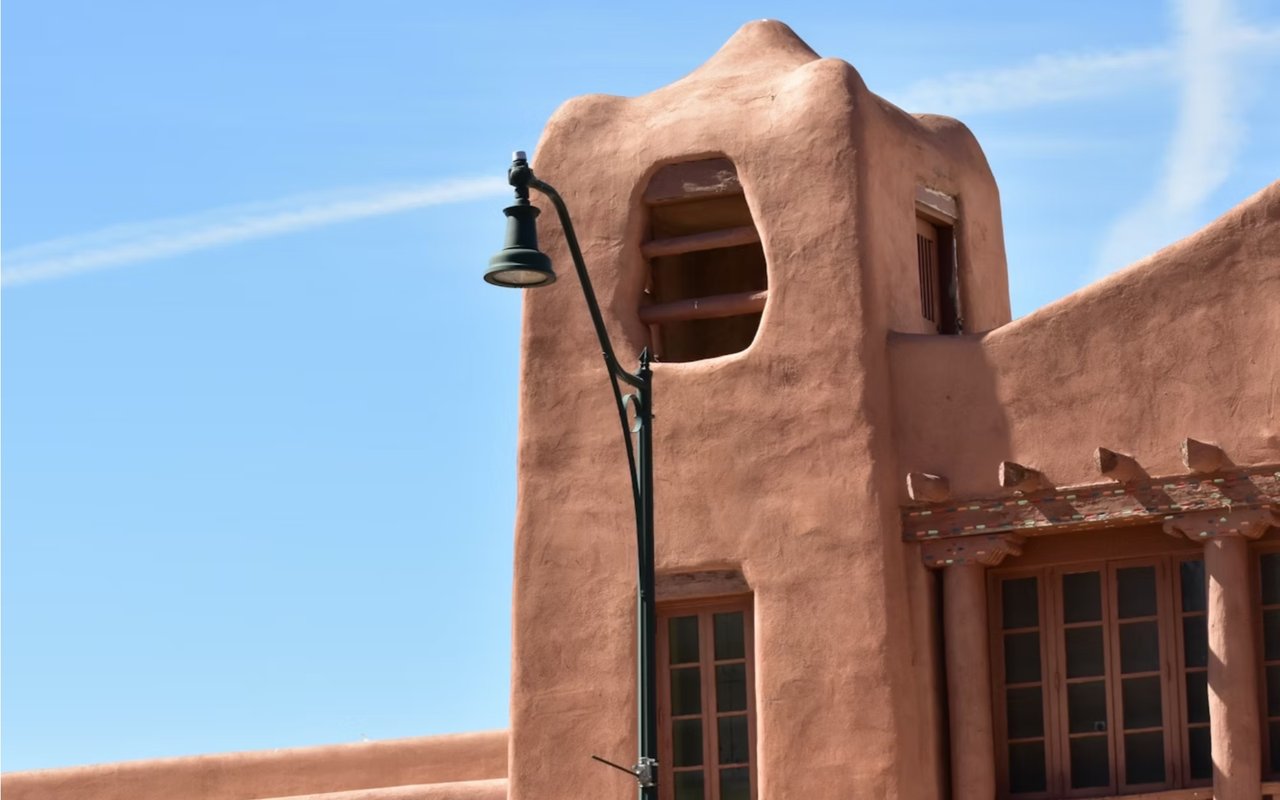
When we walk through the winding lanes of the Historic Eastside, the Pueblo Revival style is what immediately captures the imagination.
Hallmark Features of the Pueblo Revival Home
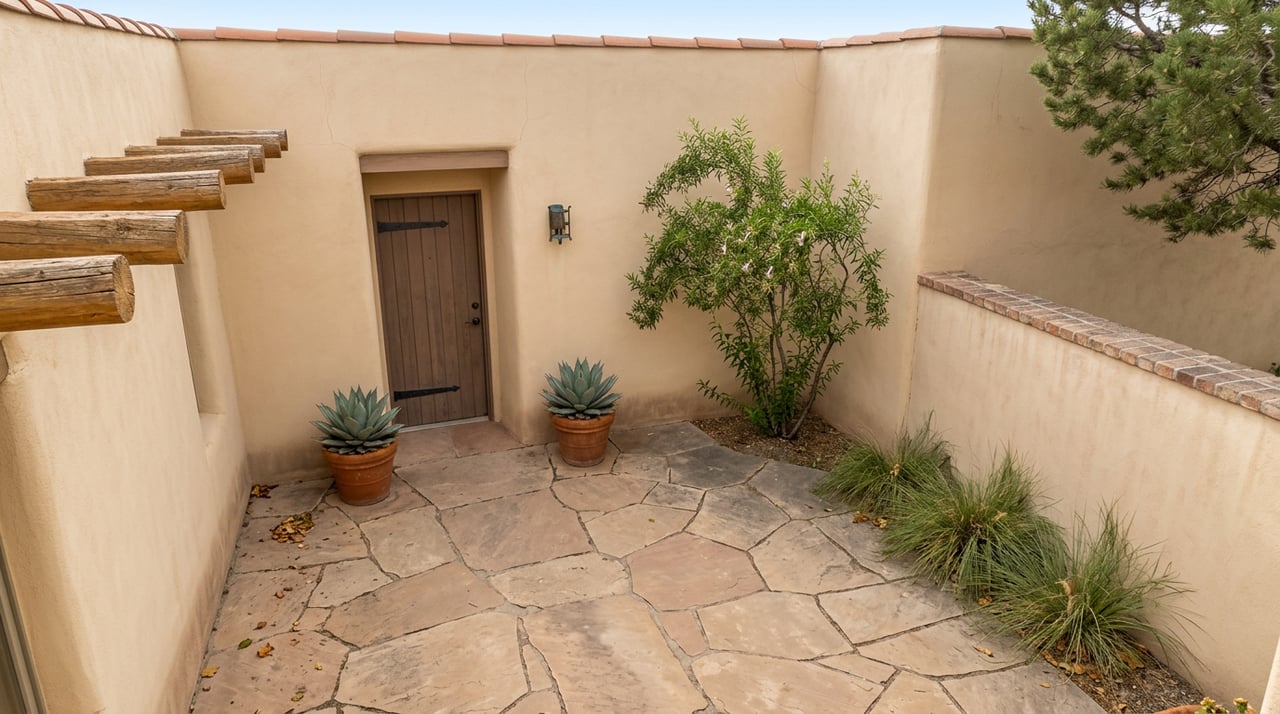
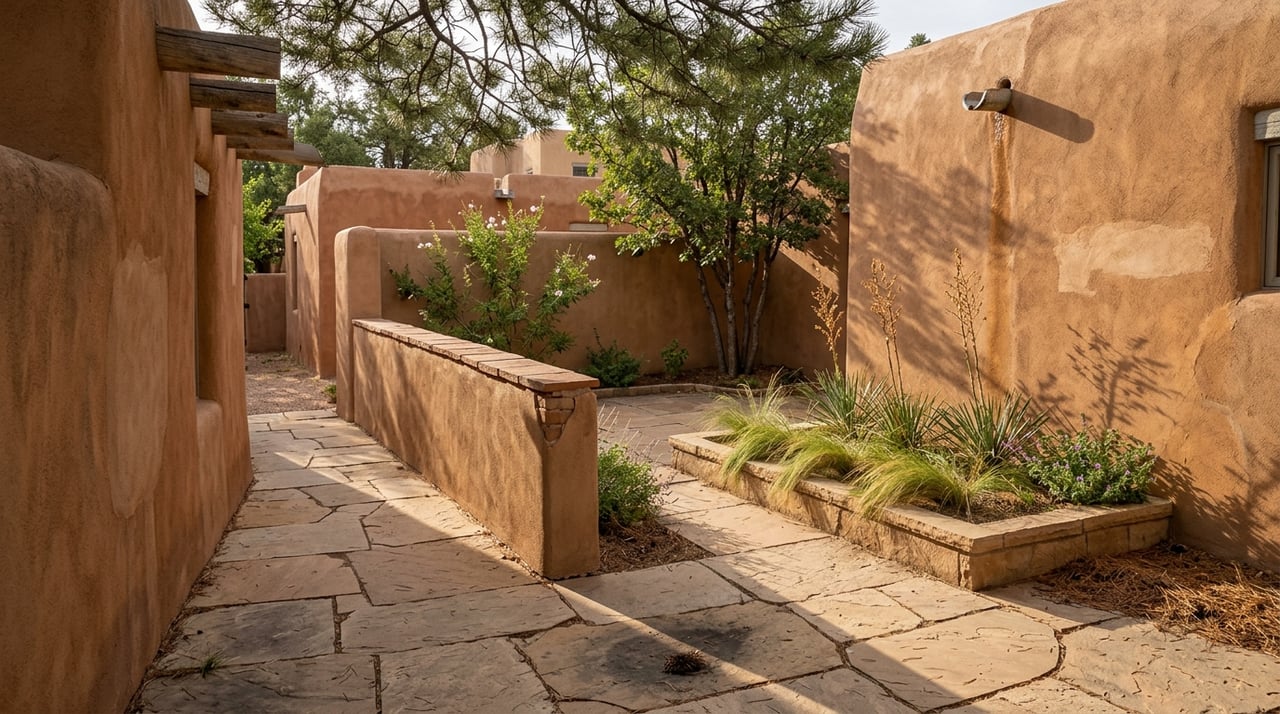
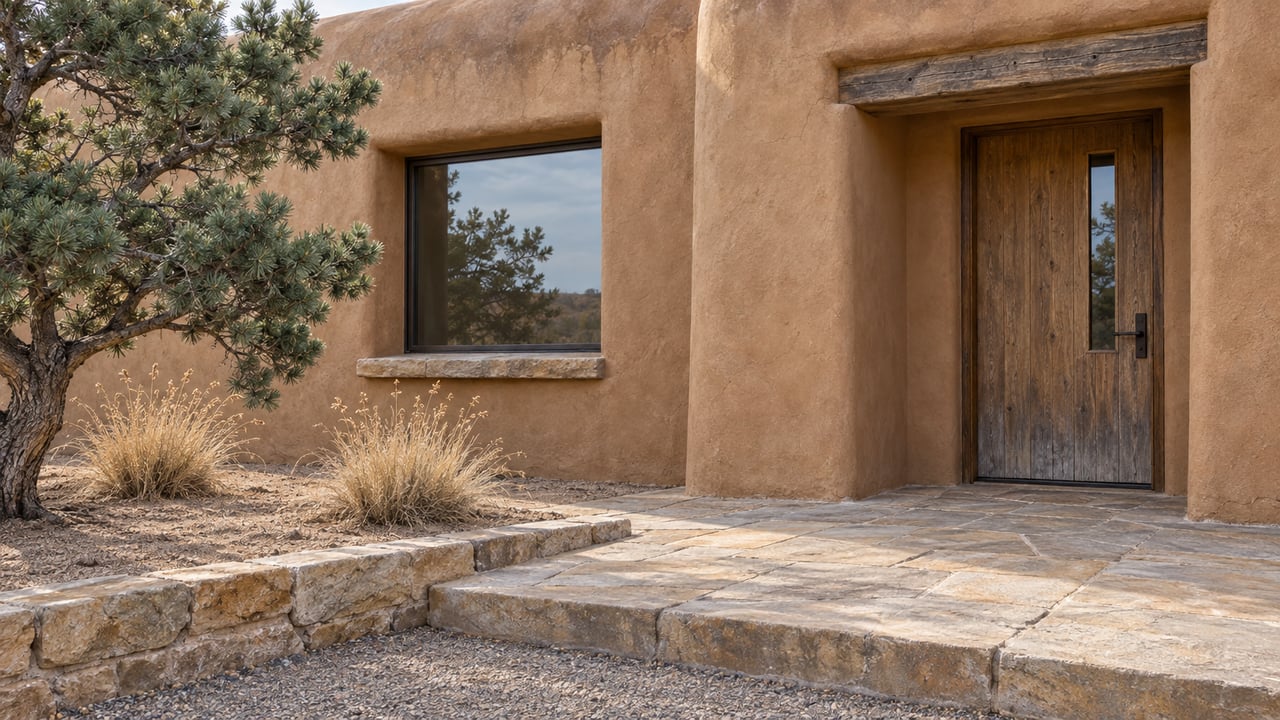
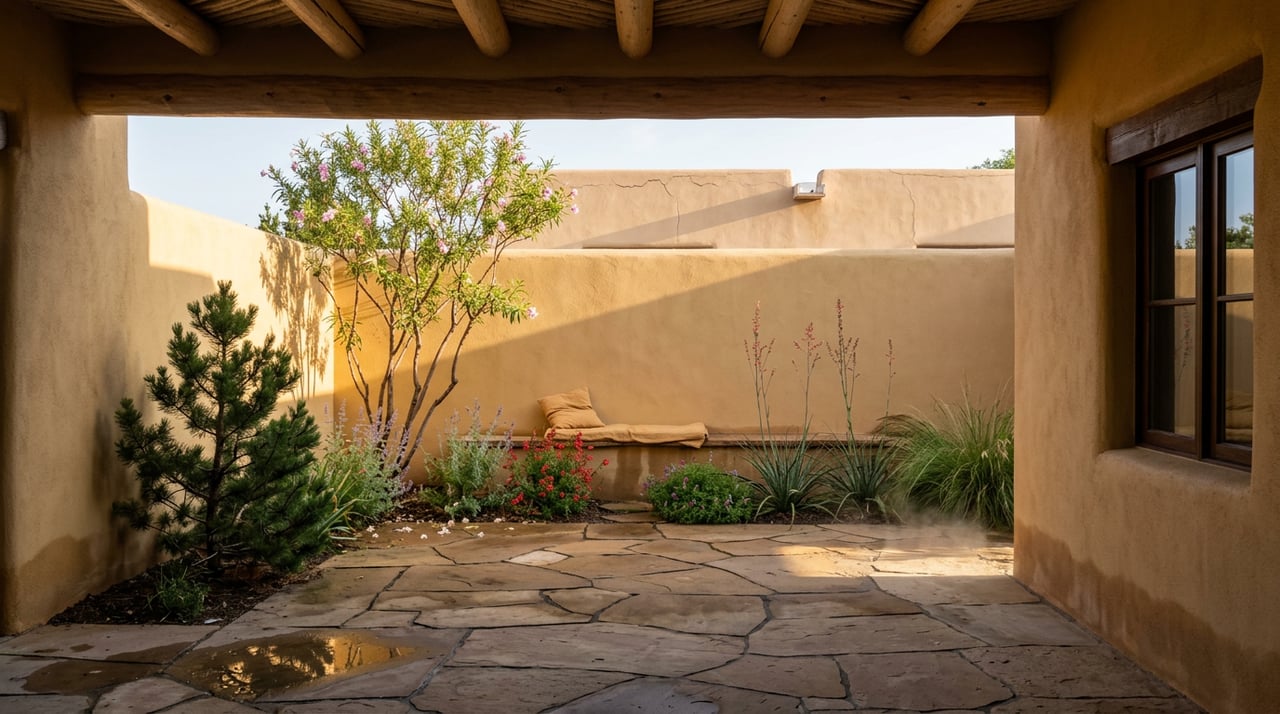
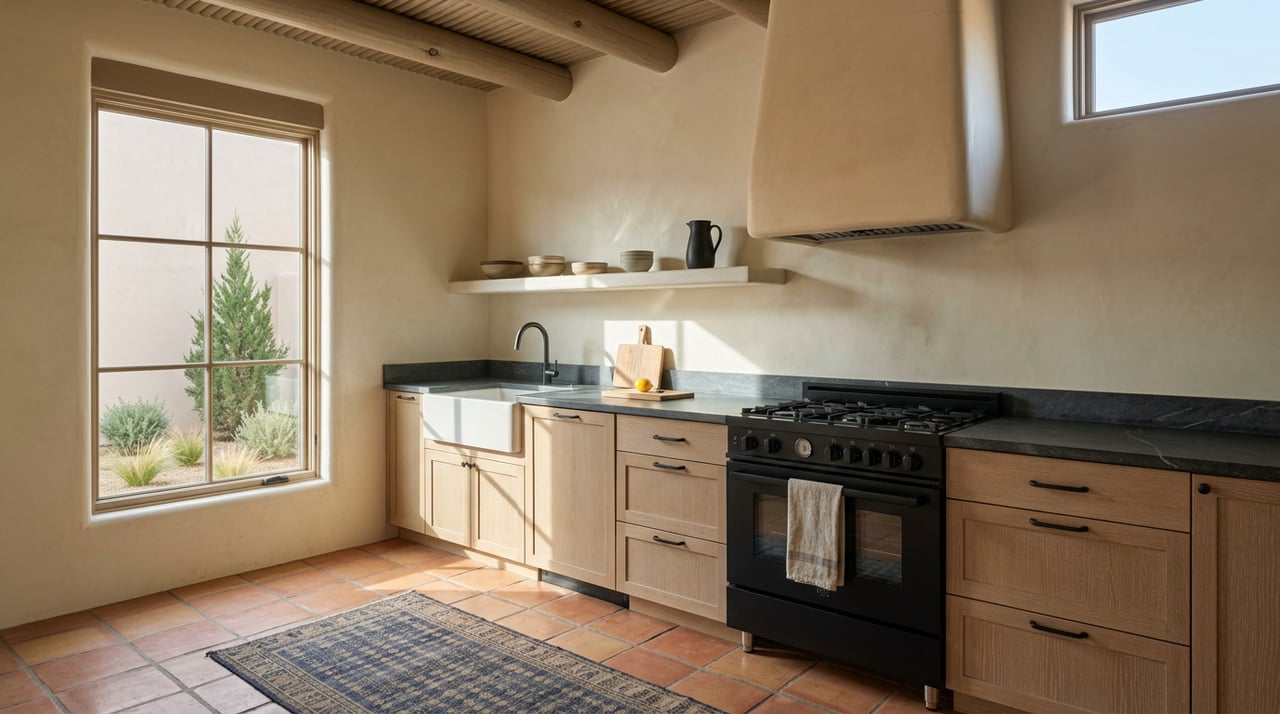
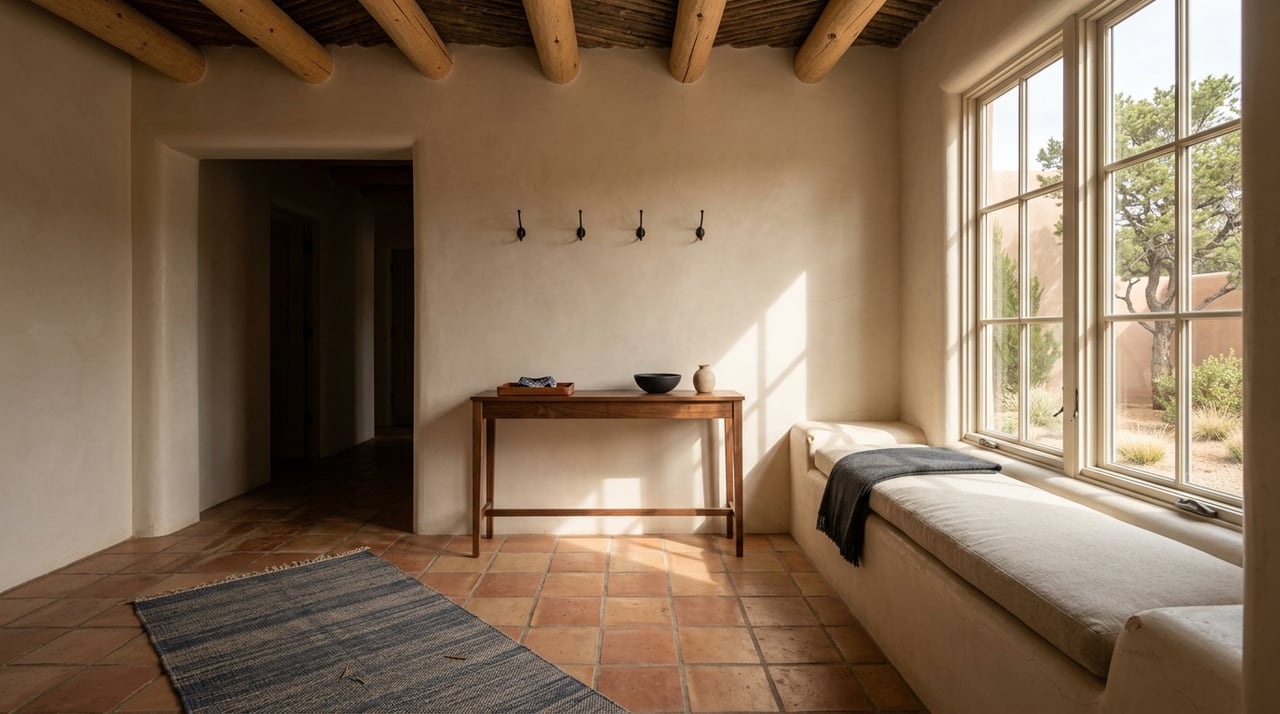
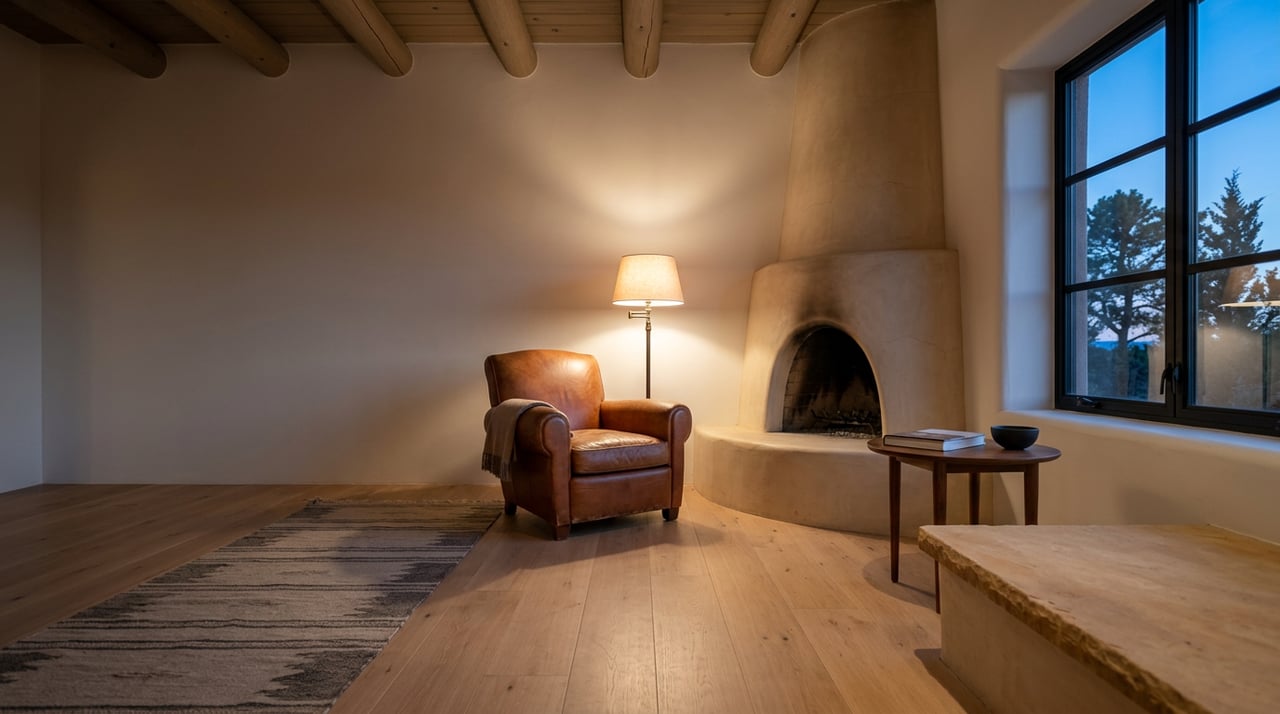
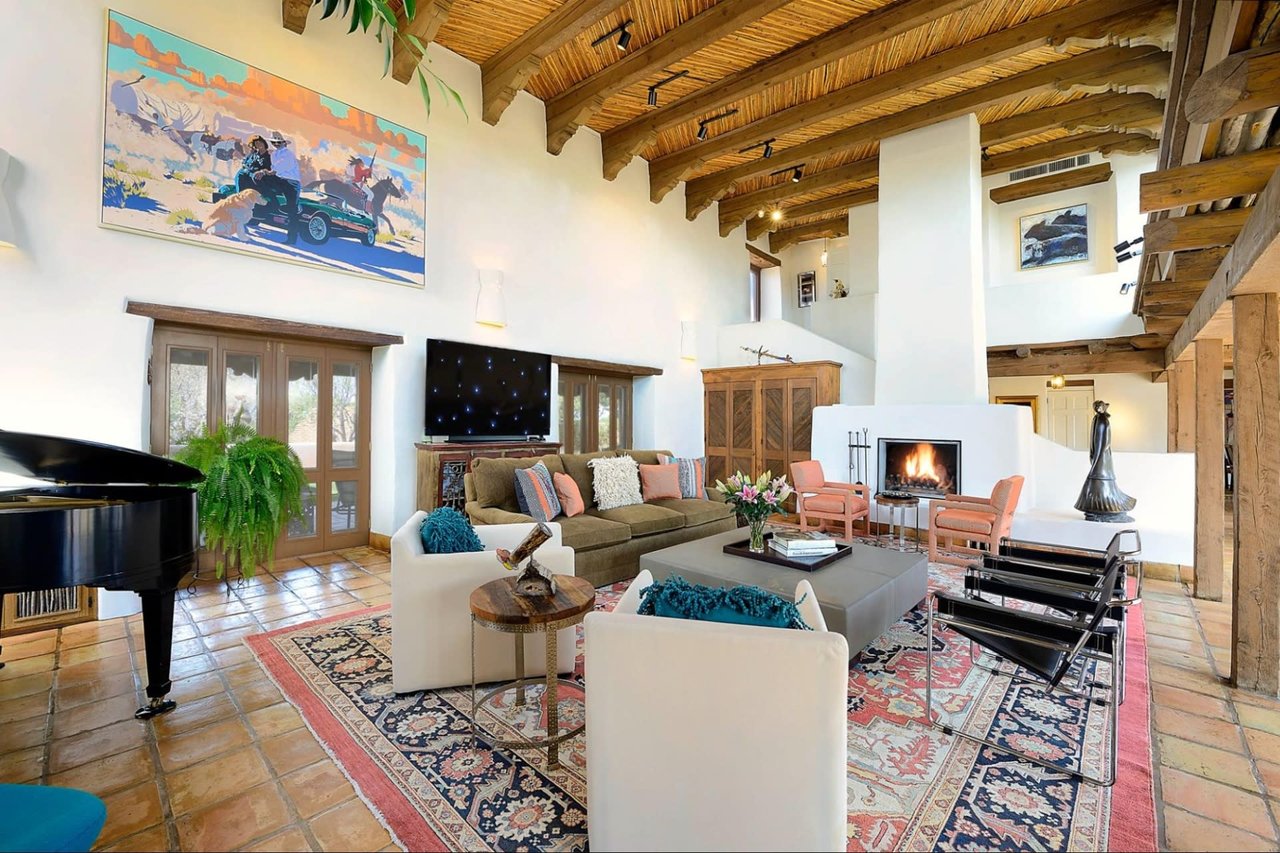
- Use thick, "battered" walls with rounded corners to provide natural insulation against the extreme temperature swings of the high desert.
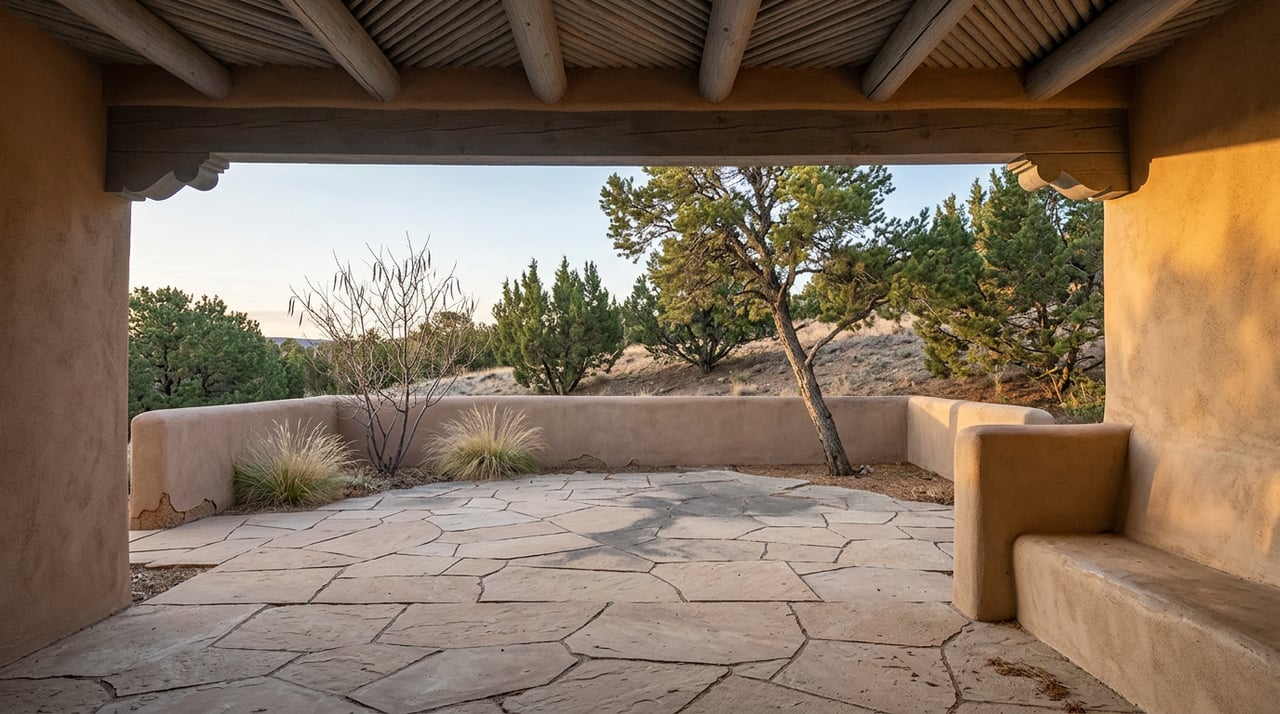
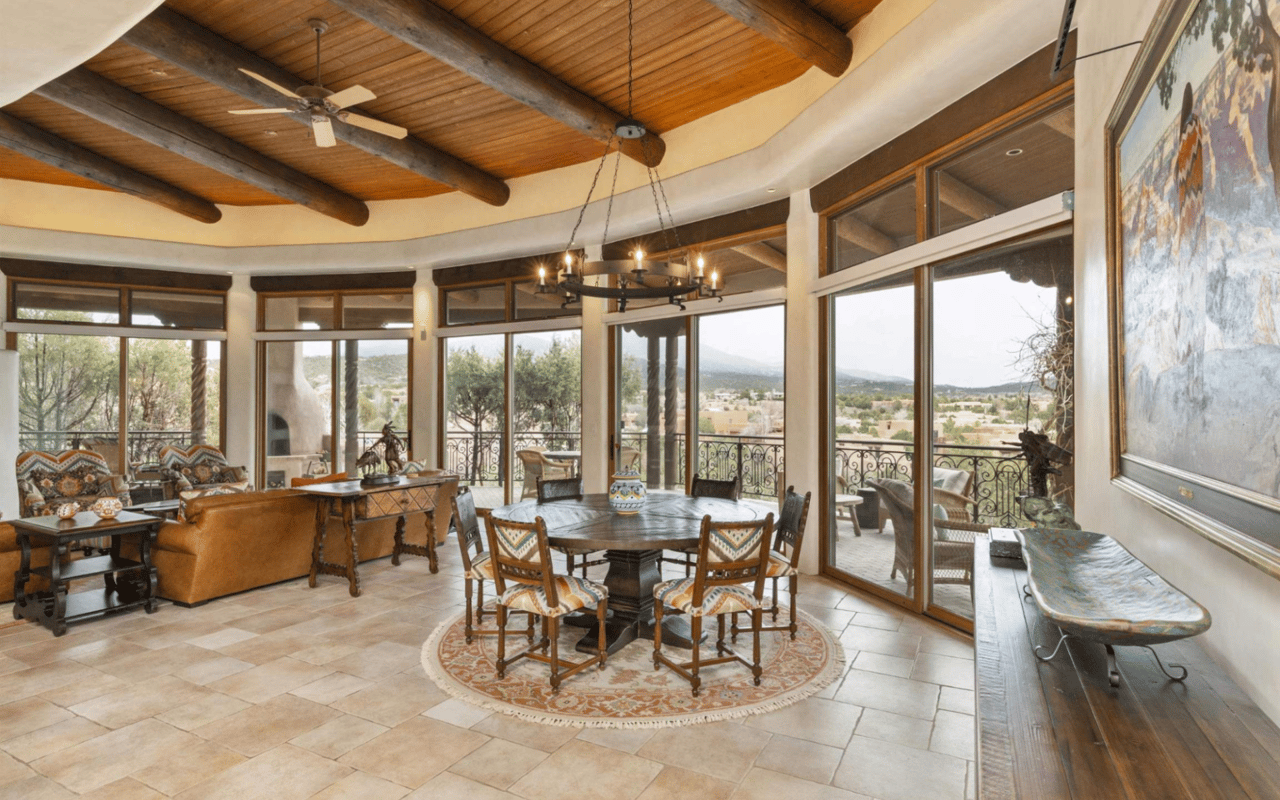
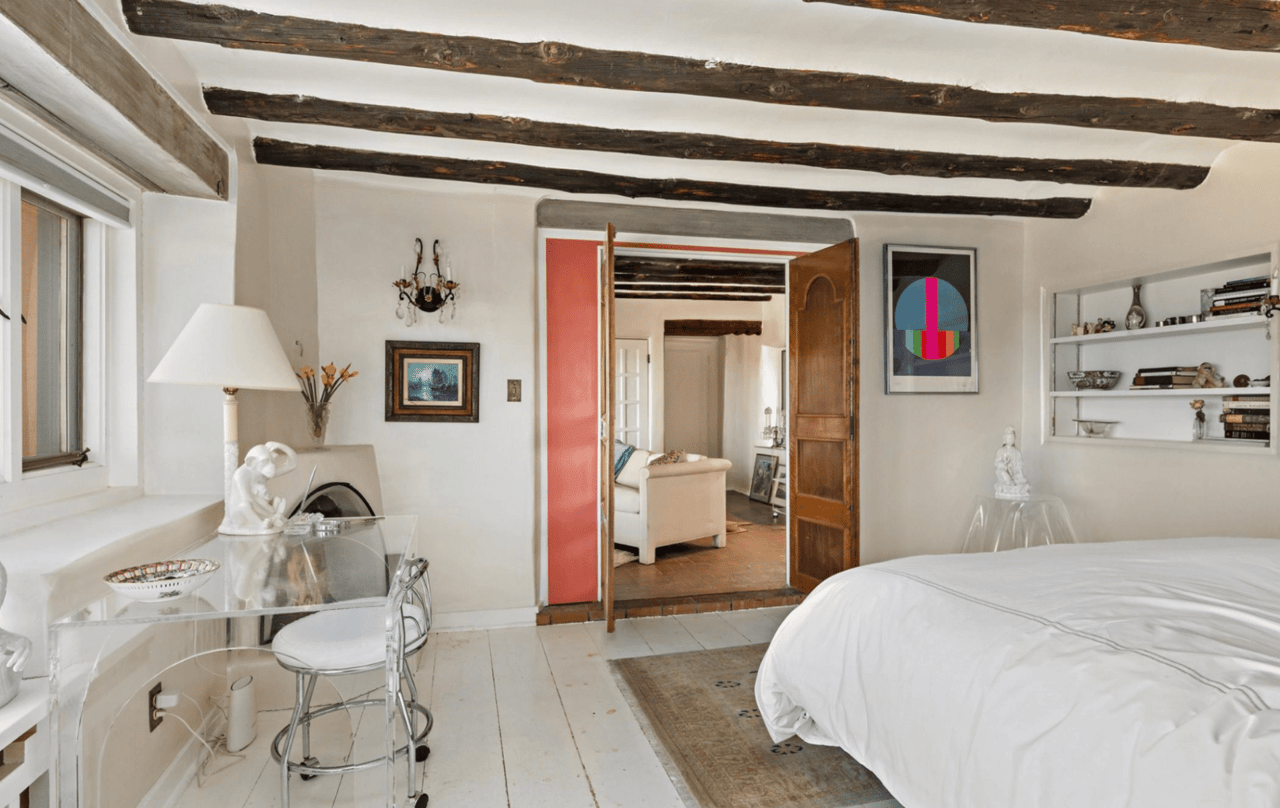
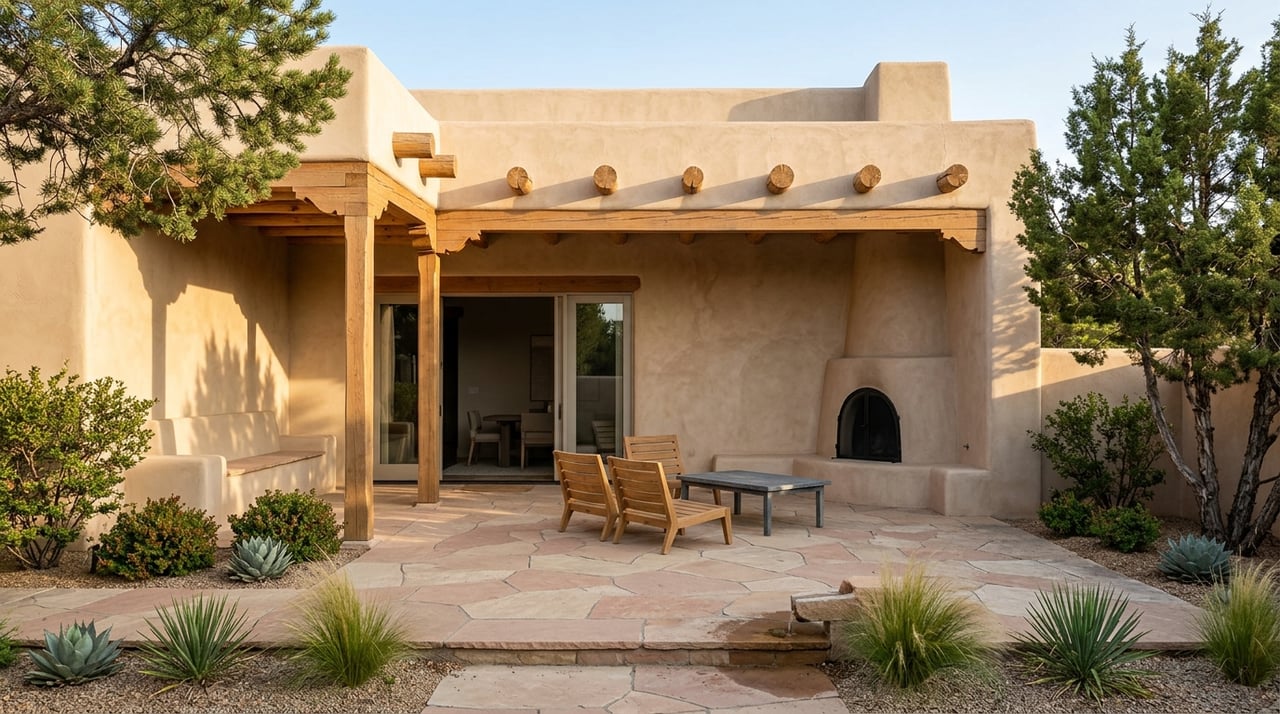
- Look for latillas, which are smaller branches or poles laid between vigas to create a rustic, textured ceiling.
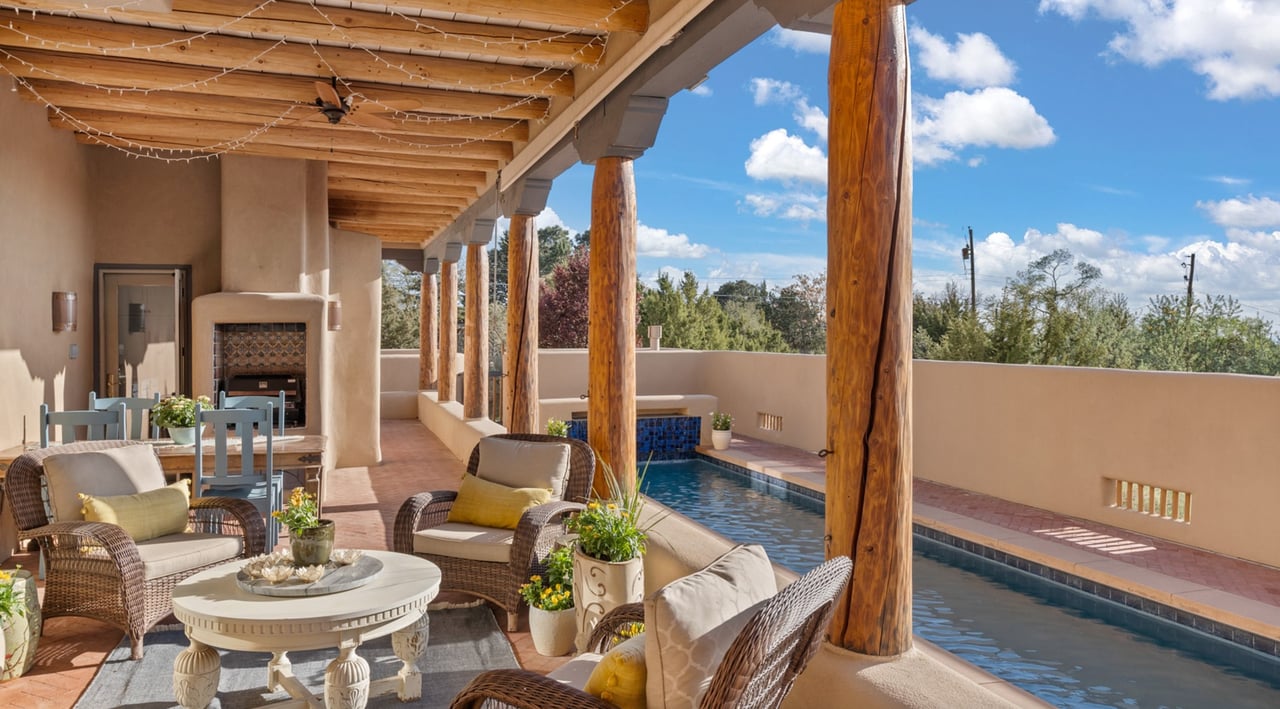
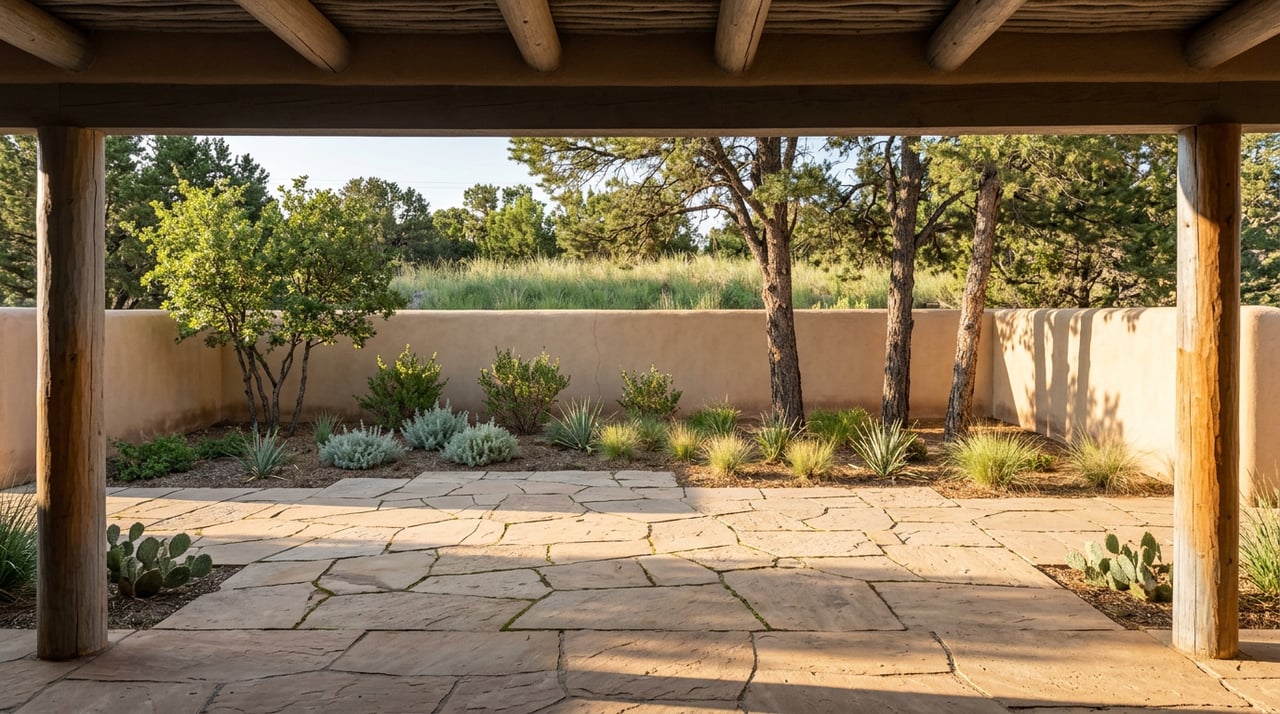
- Use deep portals, or covered porches, to create an outdoor living room that stays cool in the intense New Mexico sun.
Refinement and Symmetry: The Territorial Style
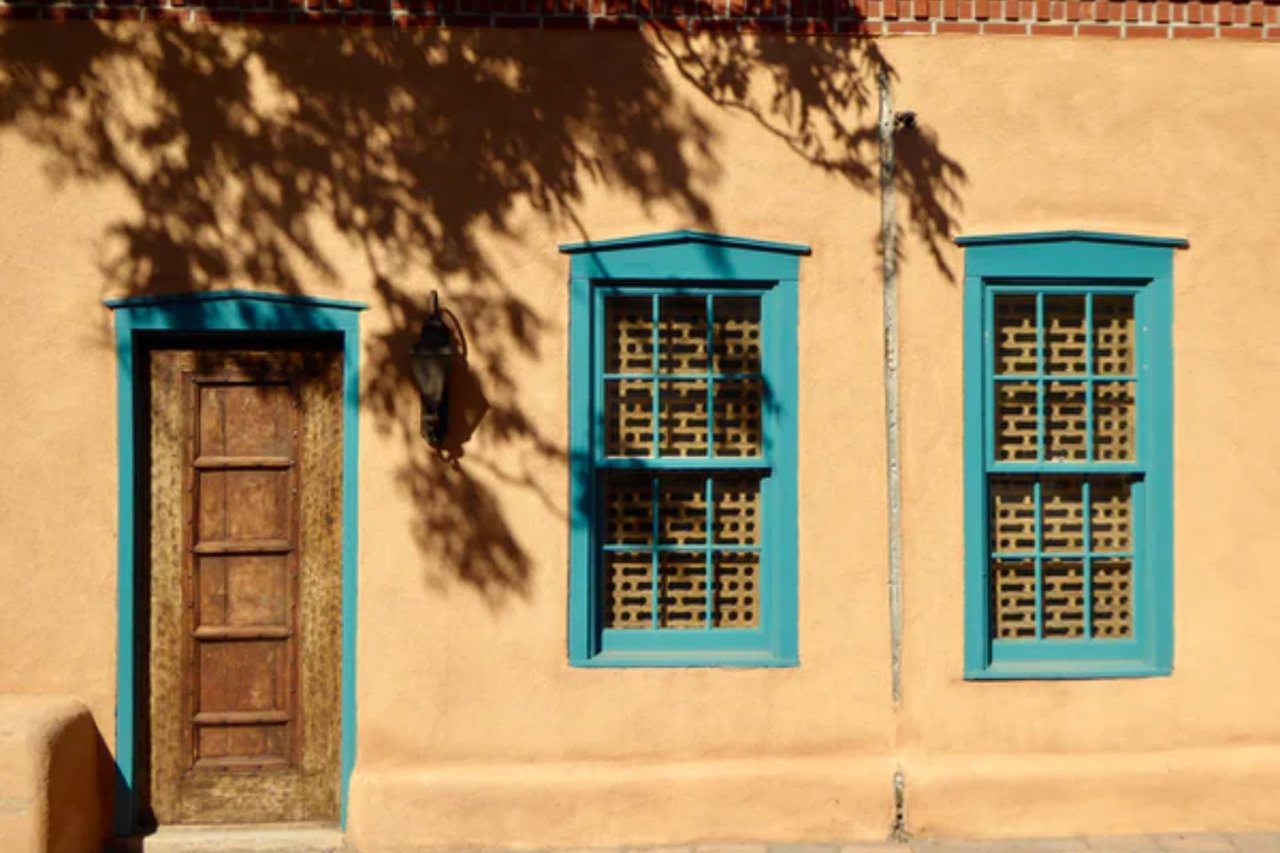
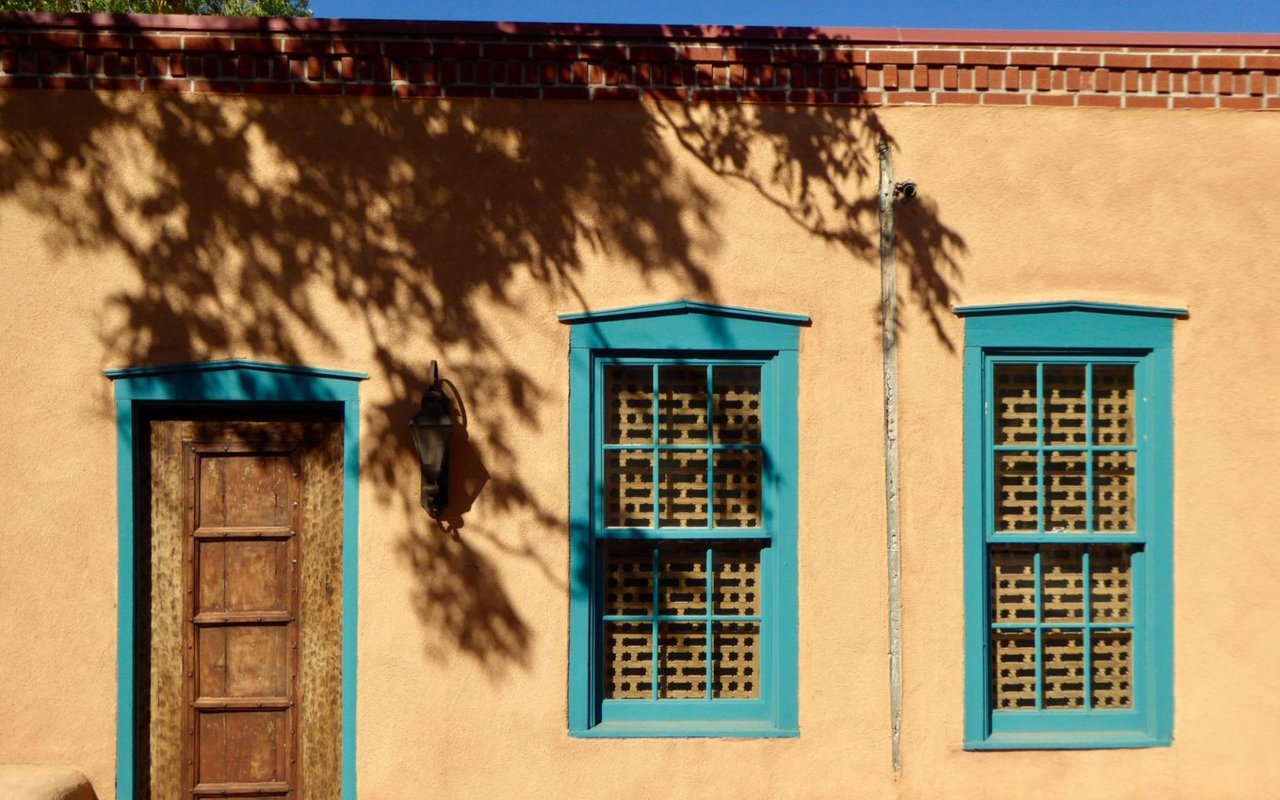
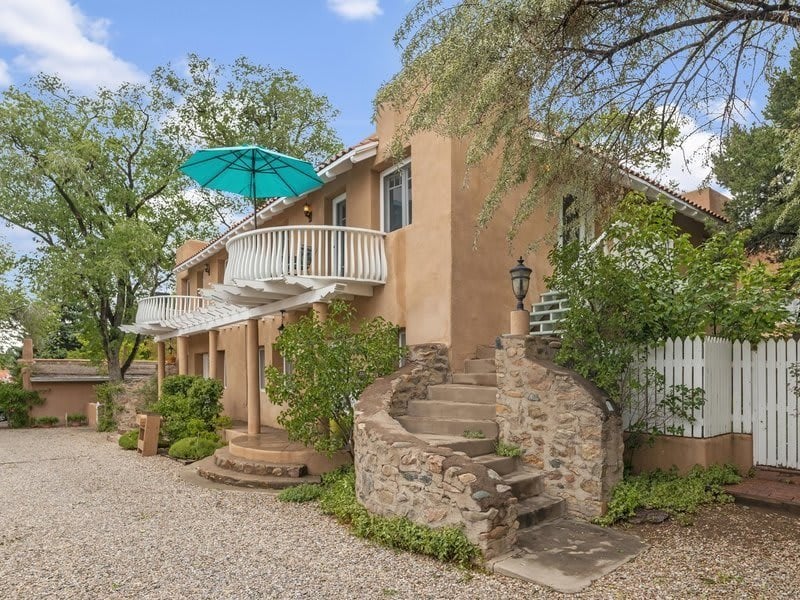
For those who appreciate a slightly more formal and orderly aesthetic, the Territorial style offers a beautiful fusion of Southwestern materials and Anglo-American classical details.
Identify Territorial Landmarks
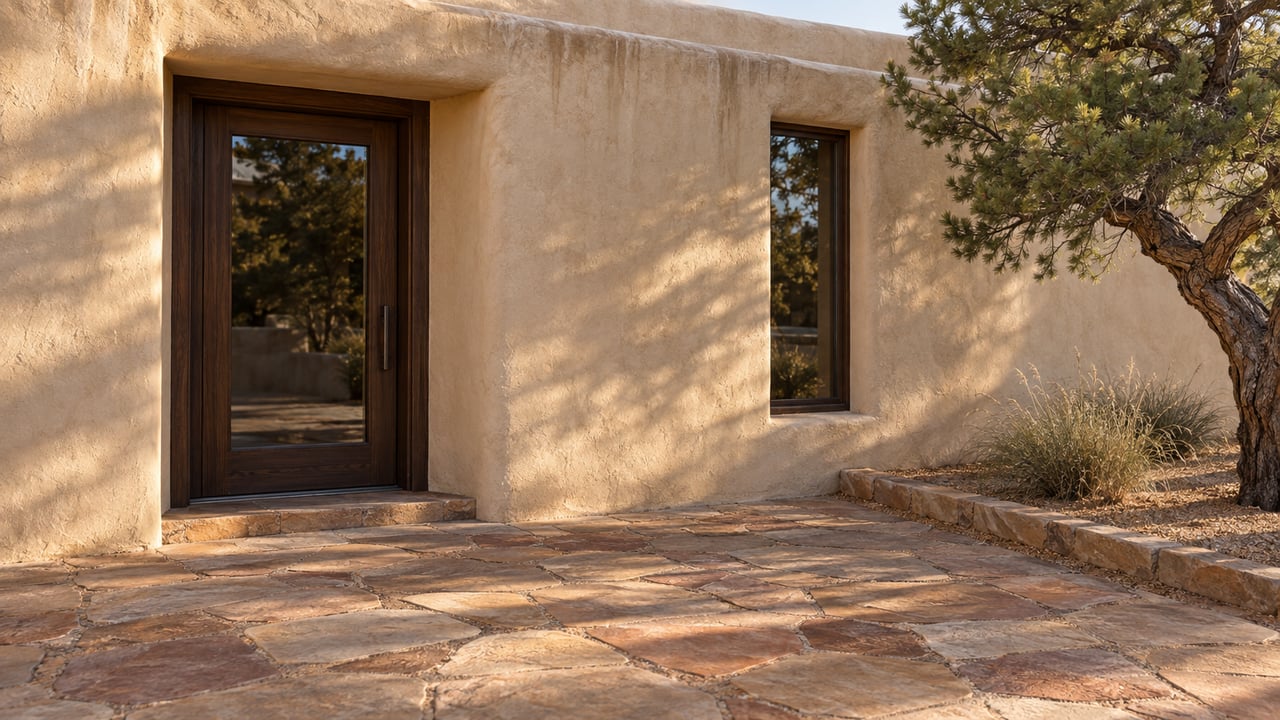
- Use the presence of brick coping atop parapet walls as the primary indicator of a Territorial design.
- Look for white-painted wooden columns on the portals, which contrast beautifully against the earth-toned stucco.
- Use taller, double-hung sash windows to invite more natural light into the home compared to the smaller openings of Pueblo styles.
The Northern New Mexico Village Aesthetic
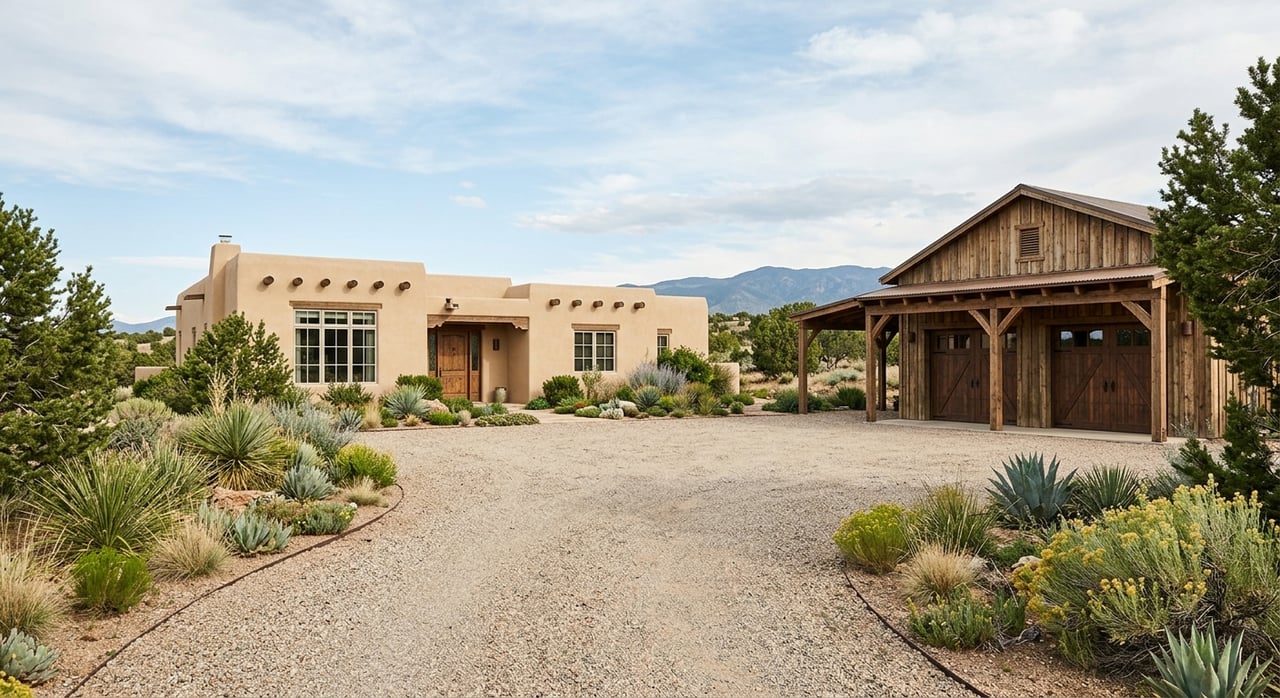
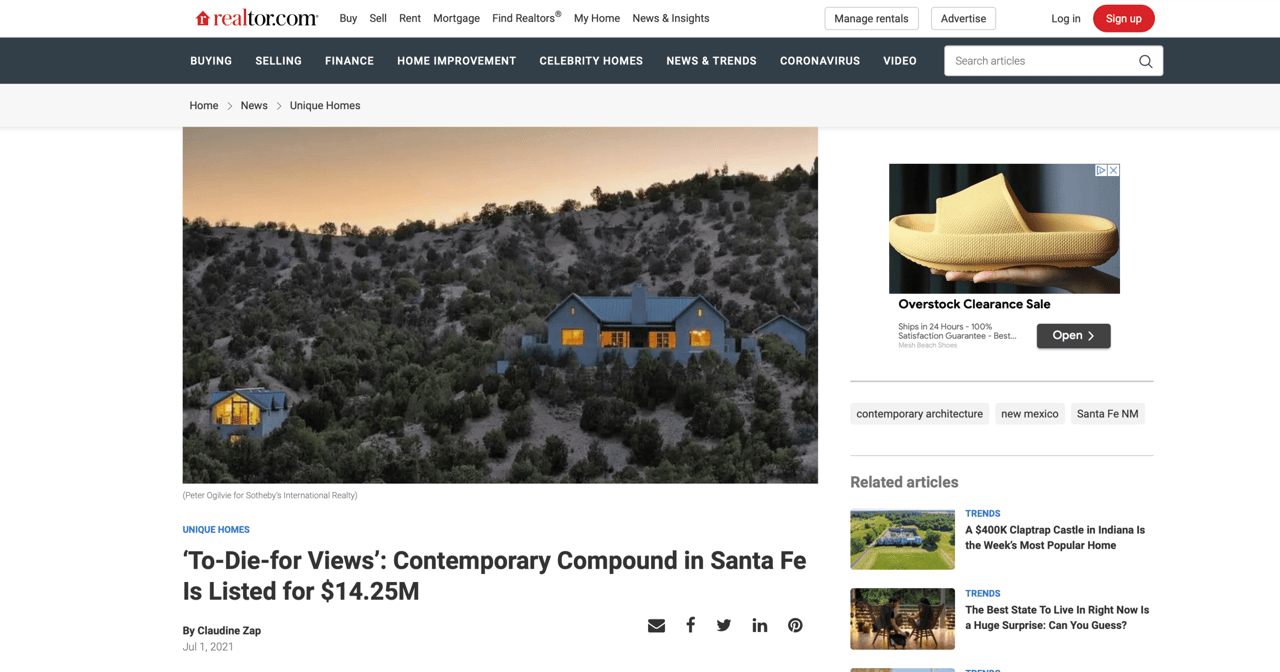
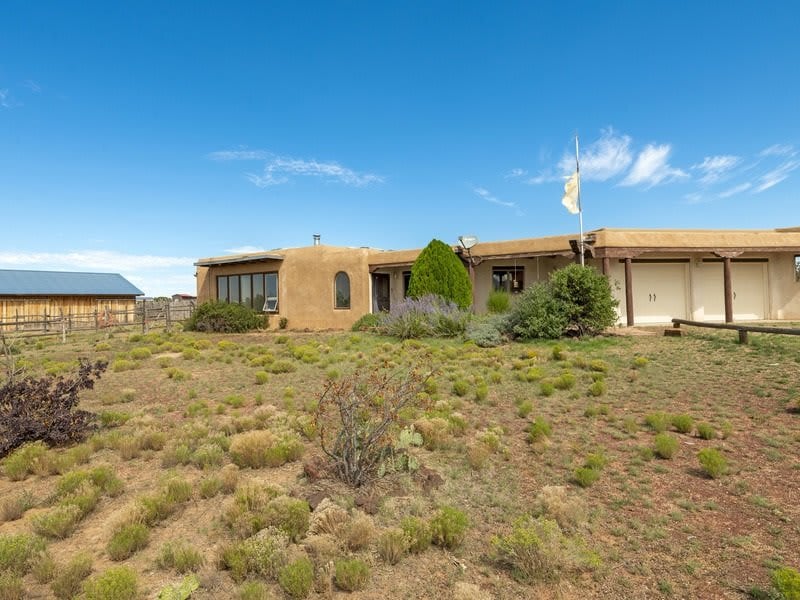
As we travel toward the foothills and the village of Tesuque, we often encounter the Northern New Mexico style, which is characterized by its pitched metal roofs.
The Northern New Mexico Profile
- Use steep, silver-colored metal roofs to distinguish these homes from the flat-roofed Pueblo Revival counterparts.
- Make sure to look for dormer windows that allow natural light to flood into lofted second-story spaces.
- Look for wide, wrap-around porches that provide 360-degree views of the Sangre de Cristo and Jemez Mountains.
The Intersection of Tradition and Modern Luxury
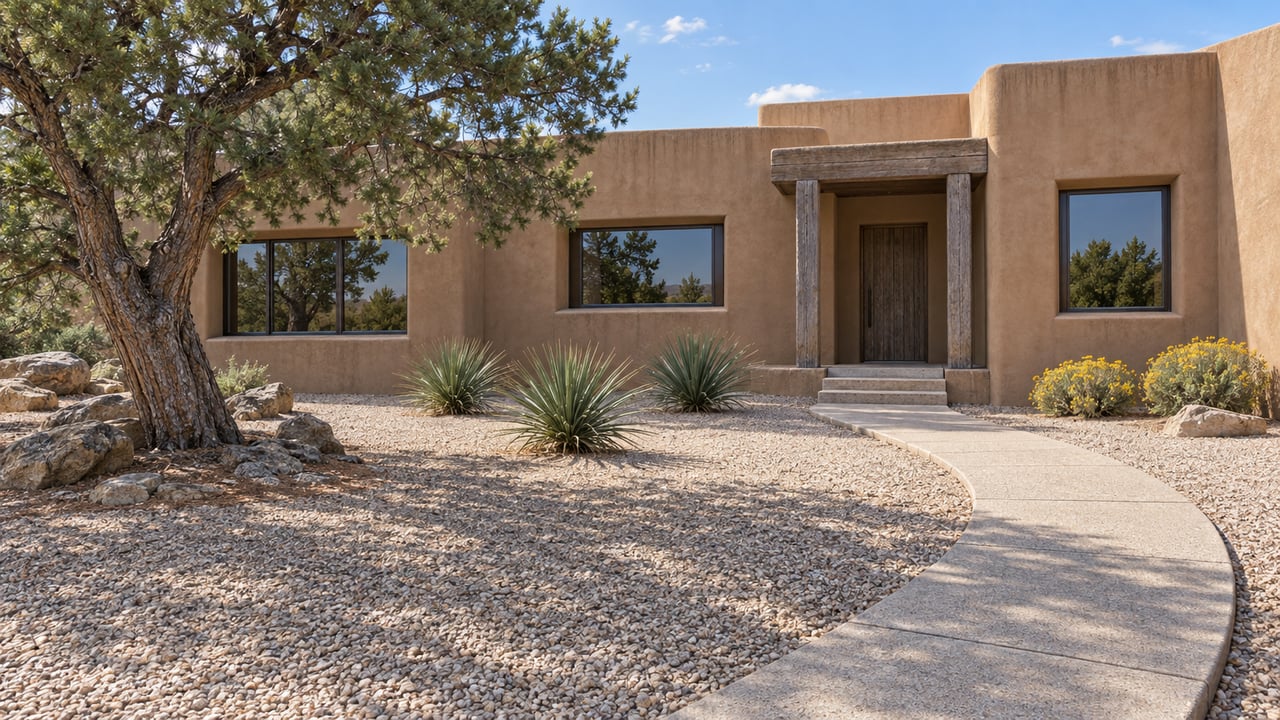
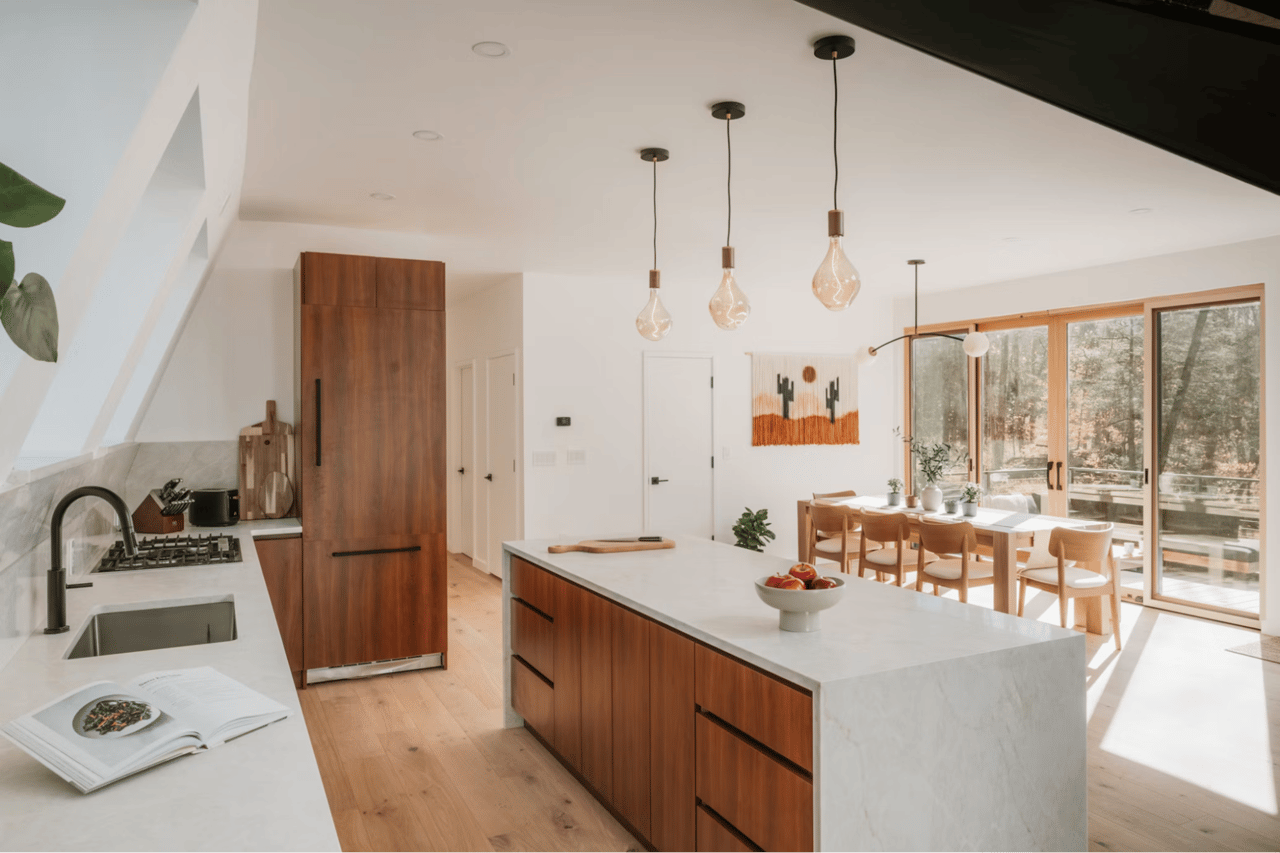
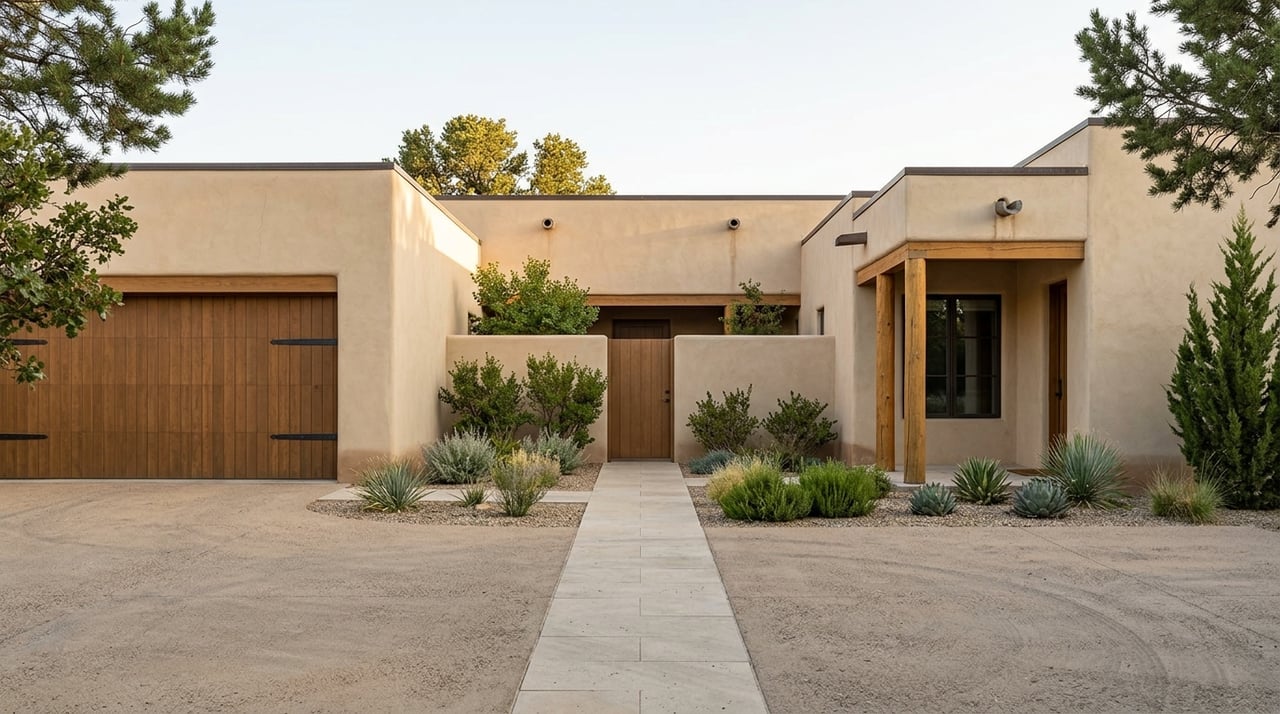
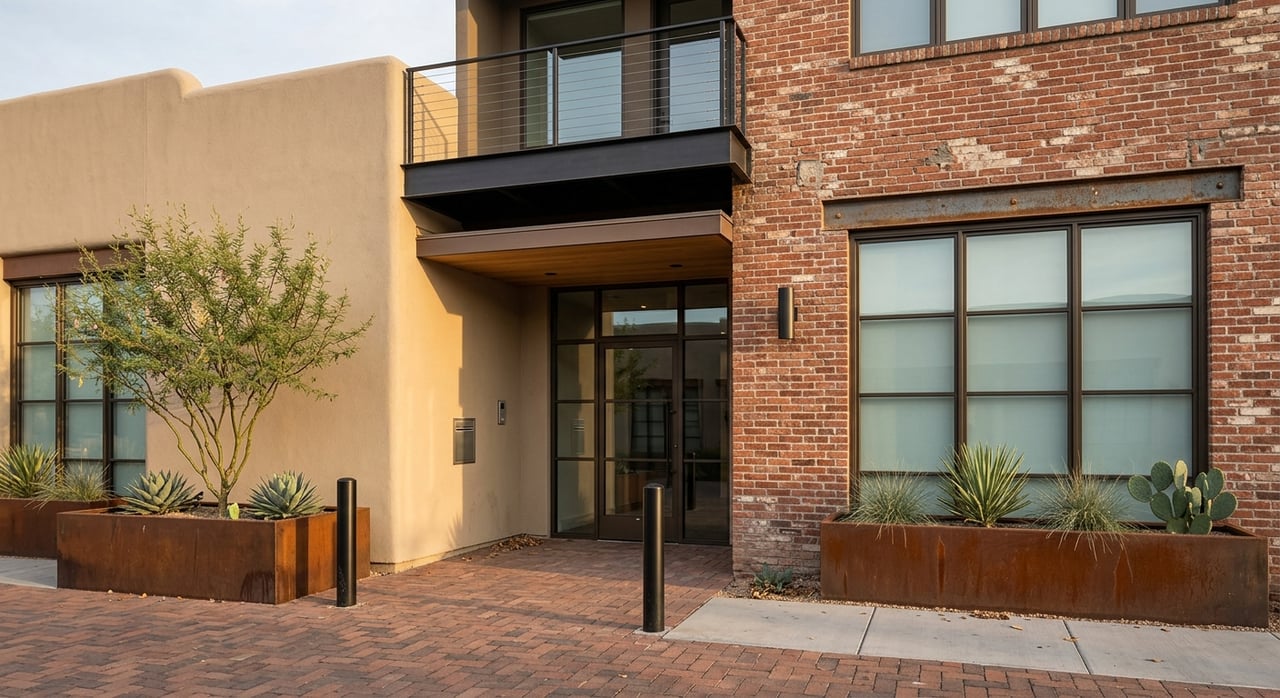
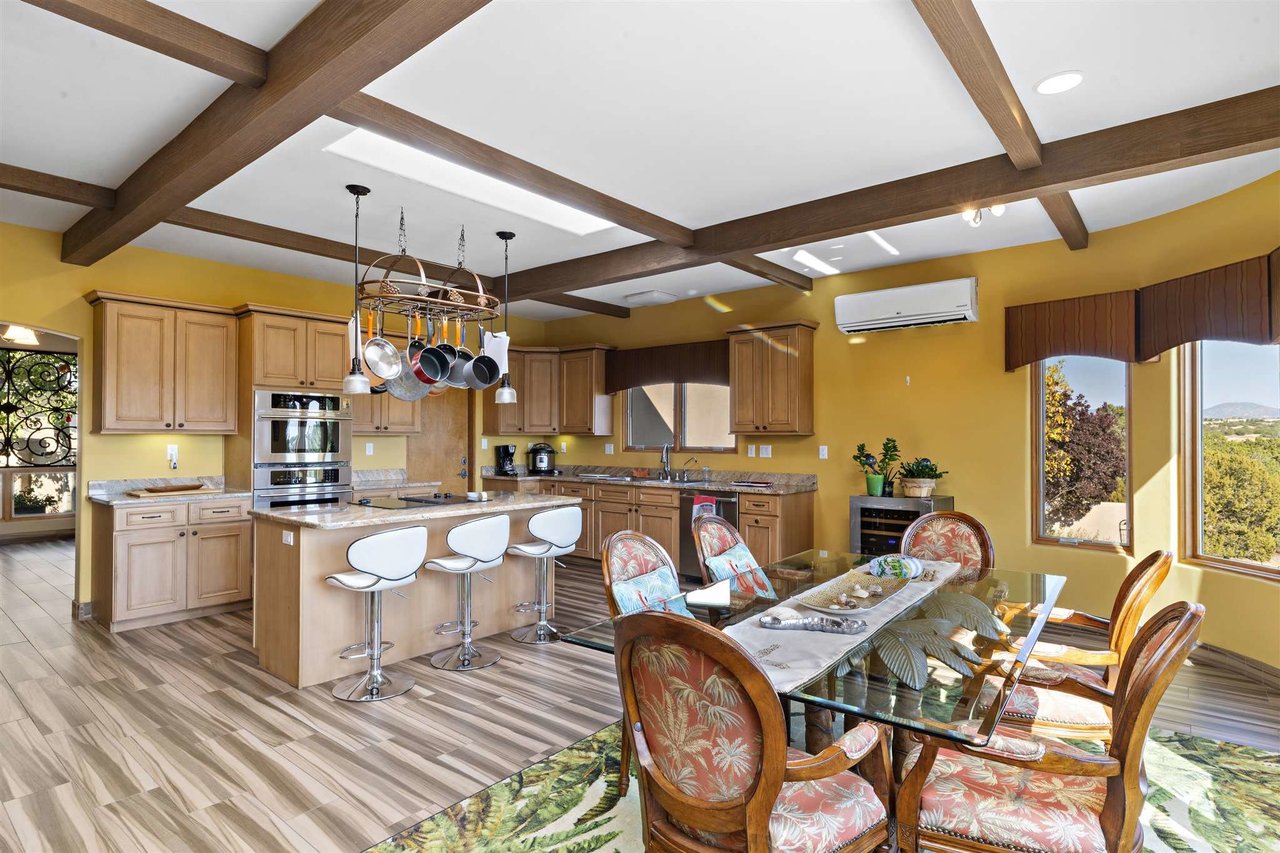
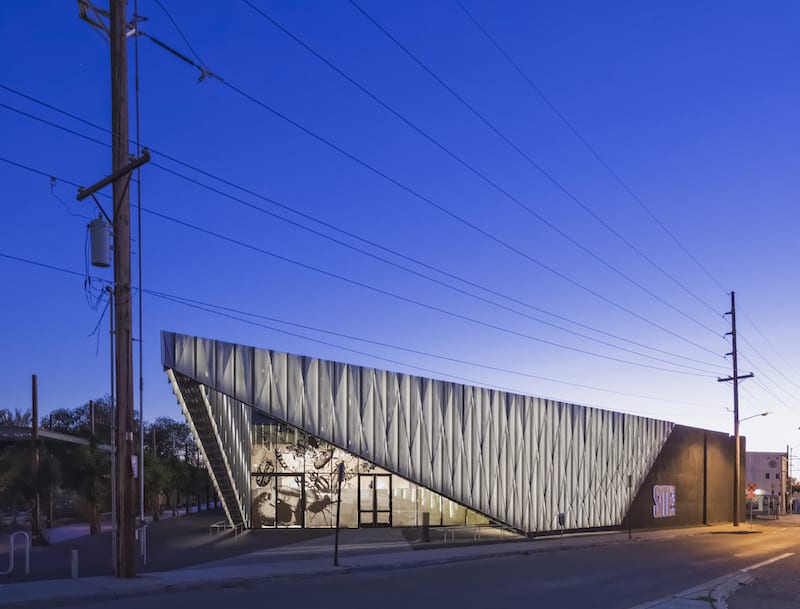
Today, we are seeing a "Southwest Contemporary" movement that pushes the boundaries of these historic architectural styles in Santa Fe.
Luxury Amenities in Contemporary Santa Fe Homes
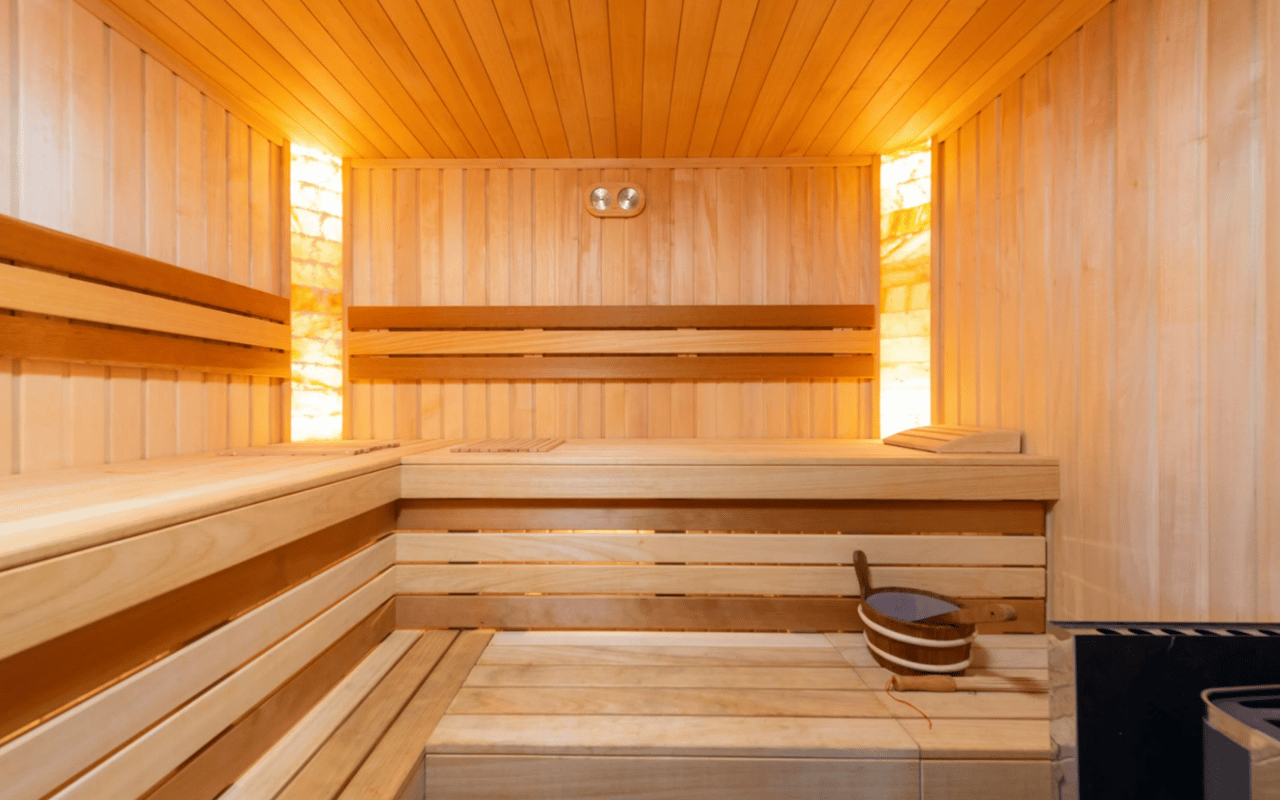
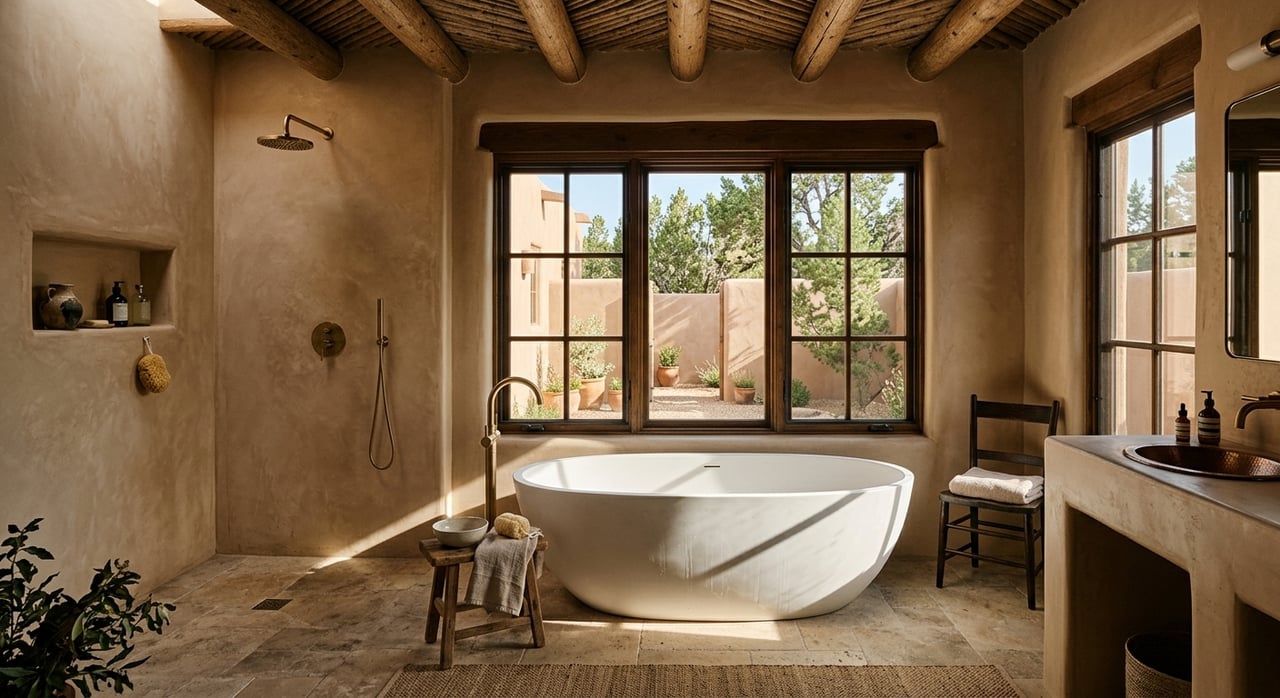
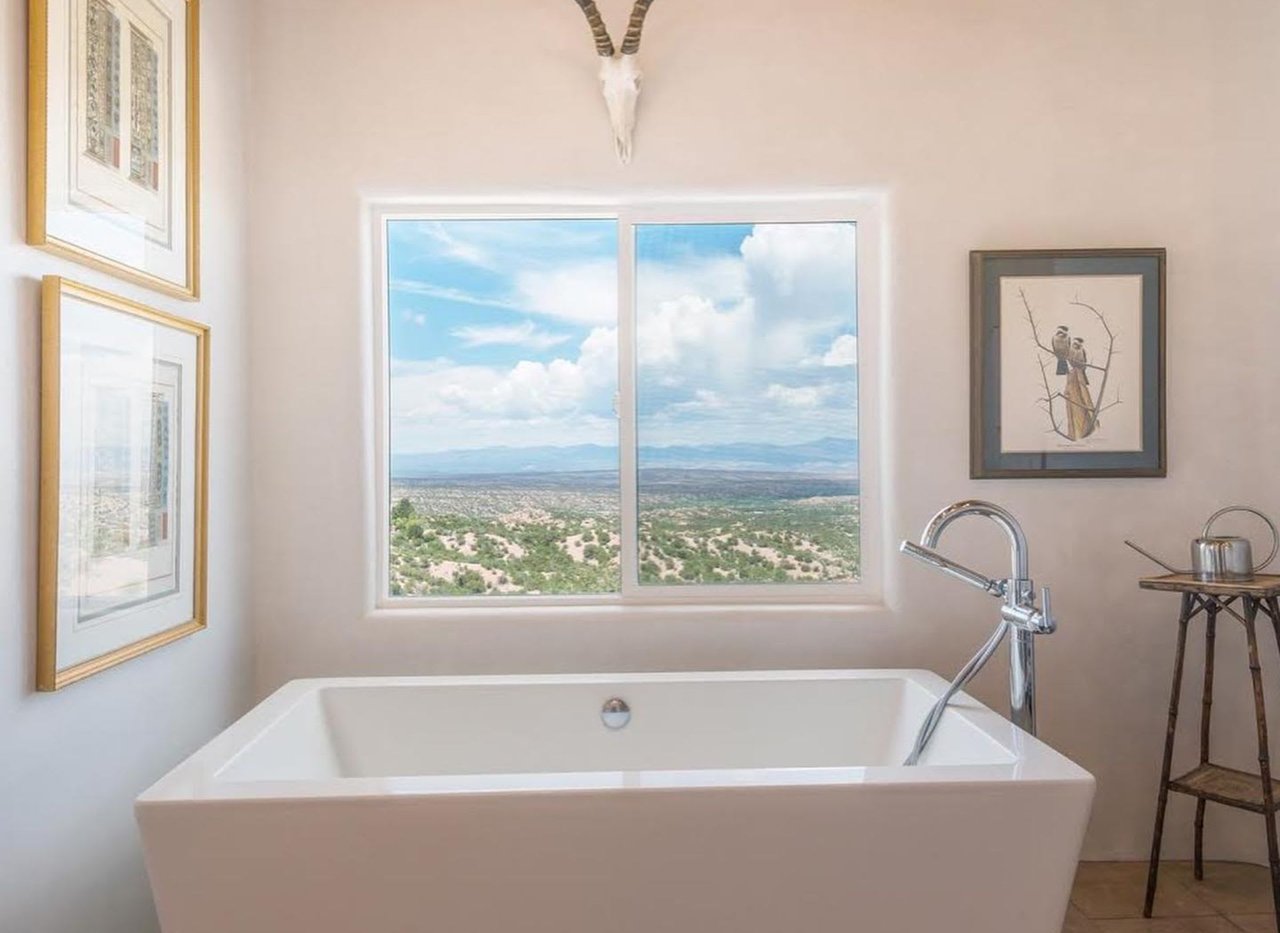
- Make sure to include "spa-like" bathrooms with soaking tubs carved from natural stone and oversized steam showers.
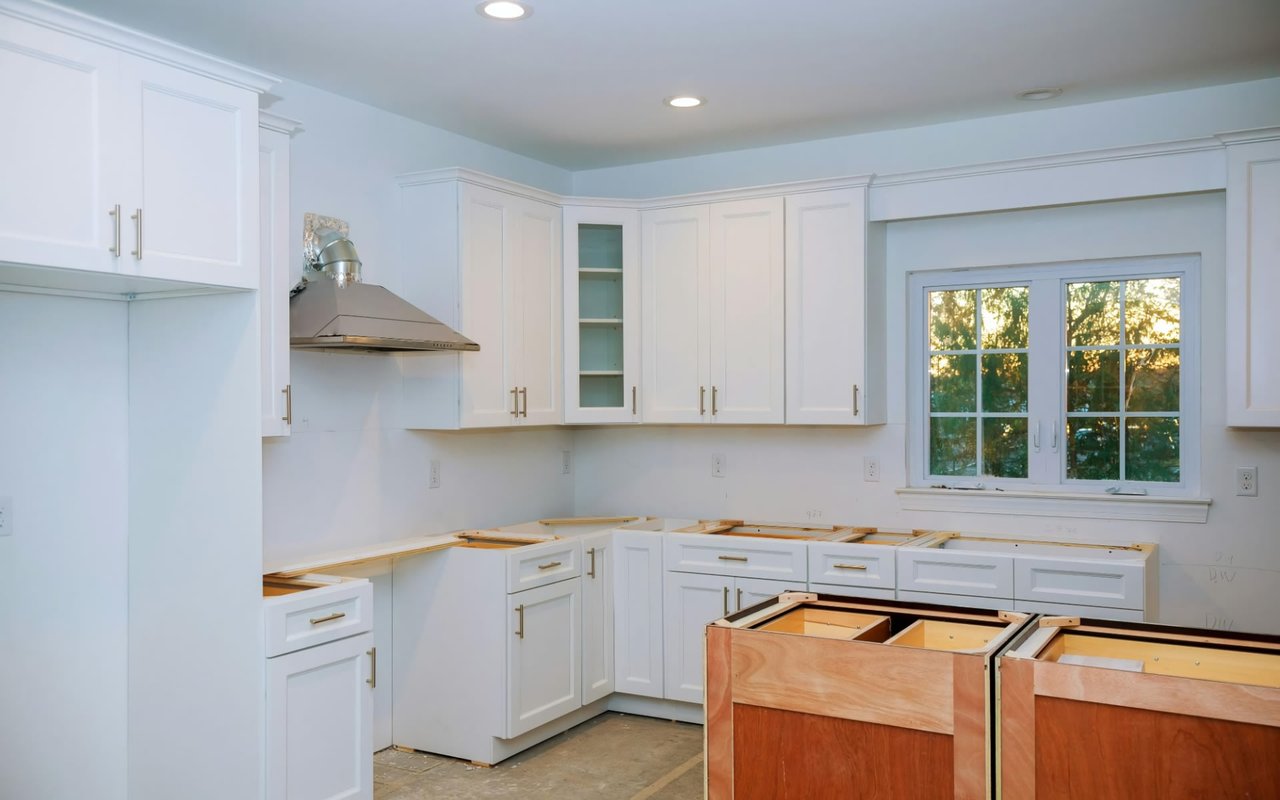
- Look for gourmet kitchens equipped with professional-grade Wolf and Sub-Zero appliances, often hidden behind custom wooden cabinetry.
- Use smart home technology to manage climate, lighting, and security, allowing for a "lock-and-leave" lifestyle for part-time residents.
FAQs
What is the difference between authentic adobe and "faux" adobe?
Traditional adobe is made from sun-dried earth and straw bricks, providing incredible thermal mass. Most modern homes use "faux" adobe, which consists of wood-frame or concrete-block construction covered in thick layers of earth-toned stucco to achieve the same visual profile while benefiting from modern insulation.
Can I change the color of my home in the Historic District?
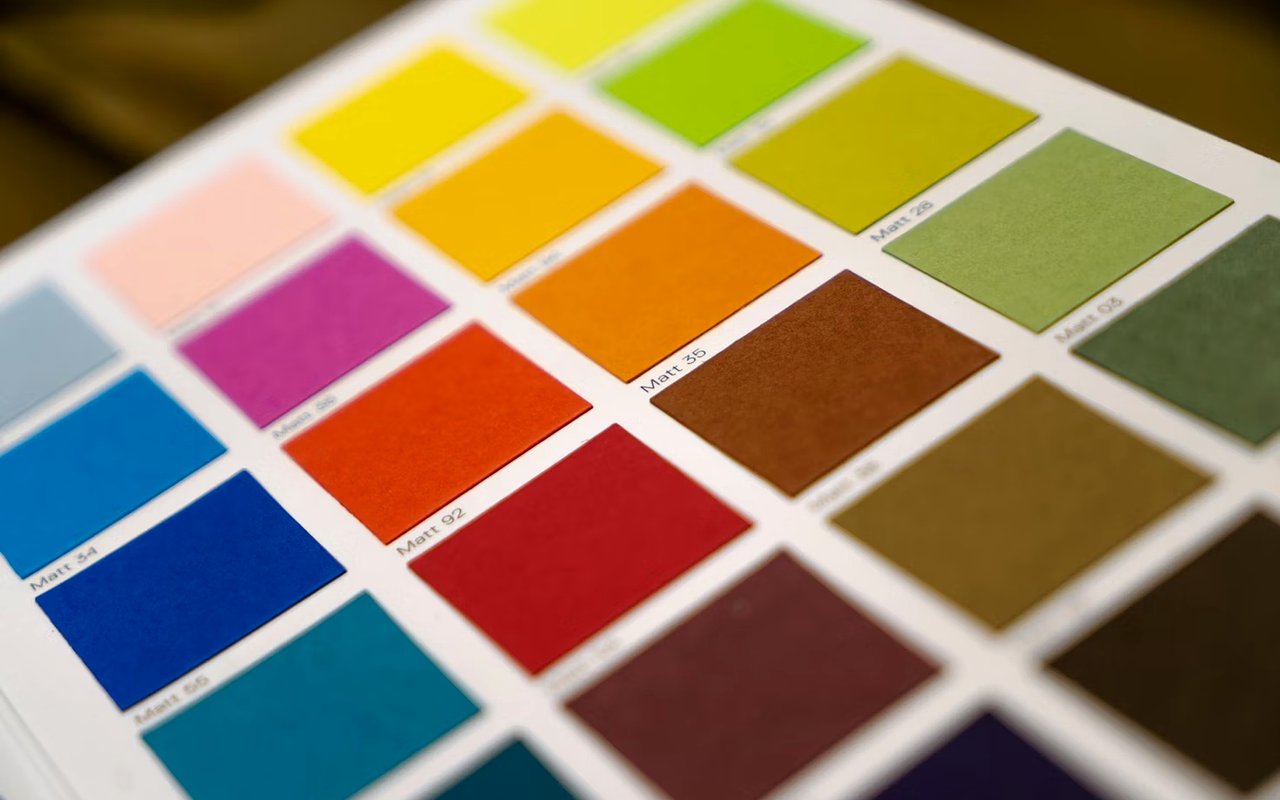
The Santa Fe Historic District has a distinct color palette, often referred to as the "Fifty Shades of Brown." Any changes to the exterior color or structural façade must be approved by the Historic Preservation Division to ensure they remain in harmony with the architectural styles in Santa Fe.
Are pitched roofs allowed in the city center?
Pitched roofs are generally a hallmark of the Northern New Mexico style and are more common in the outskirts and foothills. In the Historic District, the Pueblo Revival and Territorial styles, both of which feature flat roofs with parapets, are more prevalent due to local building codes.
Reach Out to Ricky Allen & Tara Early Today
At our office, your home should be a masterpiece of design that provides comfort for your present and a legacy for your future. We possess local market intelligence and a professional reach to help you find an estate that perfectly captures the "City Different" spirit.
Reach out to us at Ricky Allen & Tara Early, and we’ll help you navigate the nuances of the local market with the professional care you deserve.
Reach out to us at Ricky Allen & Tara Early, and we’ll help you navigate the nuances of the local market with the professional care you deserve.