Wondering whether Aldea de Santa Fe offers the right balance of space, community, and convenience for your next move? If you are comparing Santa Fe neighborhoods, it helps to know that Aldea is not a typical subdivision and not quite an in-town district either. It was planned as a village-centered community with open space, trails, and a mixed-use core, which gives daily life here a distinct rhythm. If that sounds appealing, this guide will help you understand what Aldea offers, who it tends to suit, and what to weigh before you buy. Let’s dive in.
What Makes Aldea Different
Aldea de Santa Fe sits in Santa Fe County’s west-side Tres Arroyos del Poniente planning area, where county planning identified the Aldea village center as the primary village center for the area. From the beginning, the vision was more village-like than suburban. That matters if you want a neighborhood with a clear layout and shared spaces at its core.
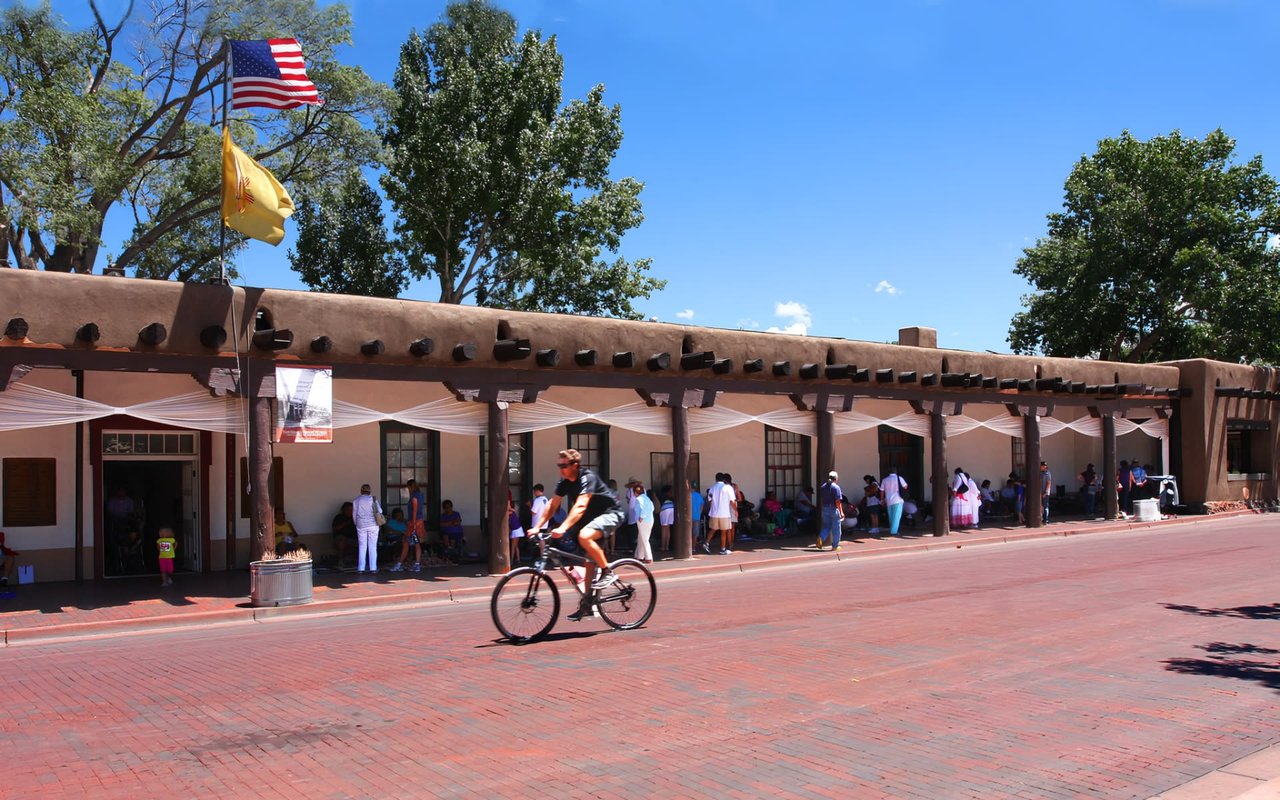
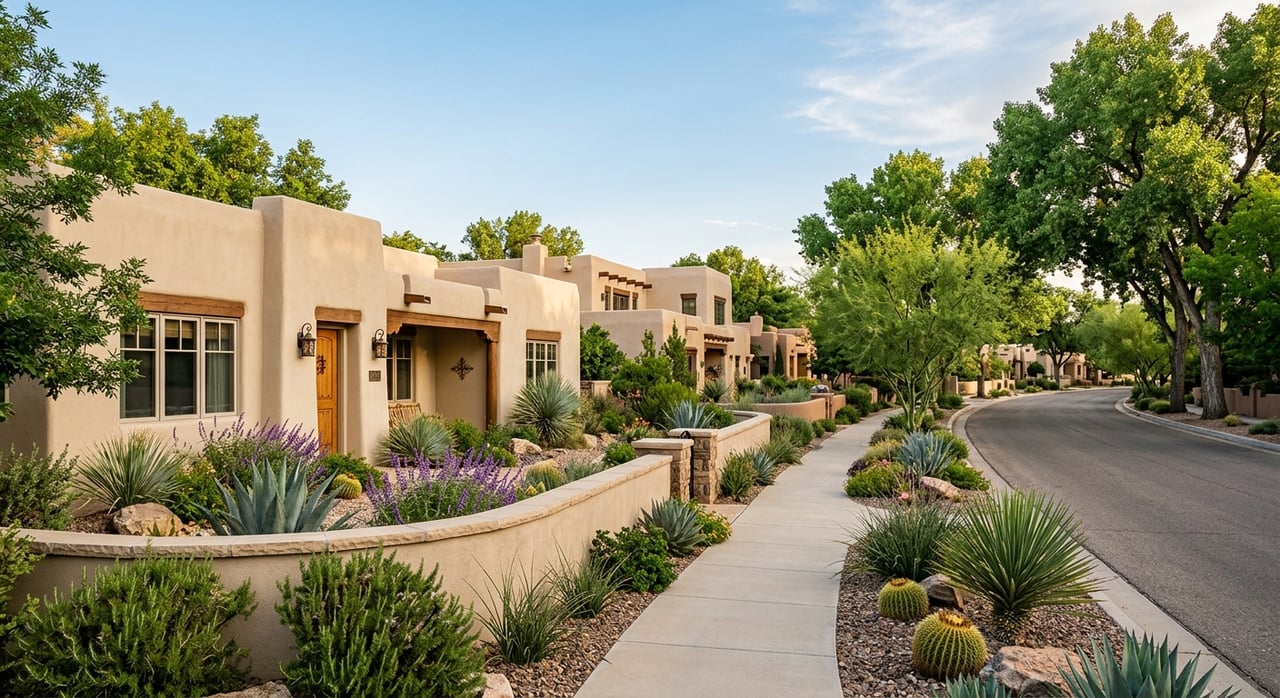
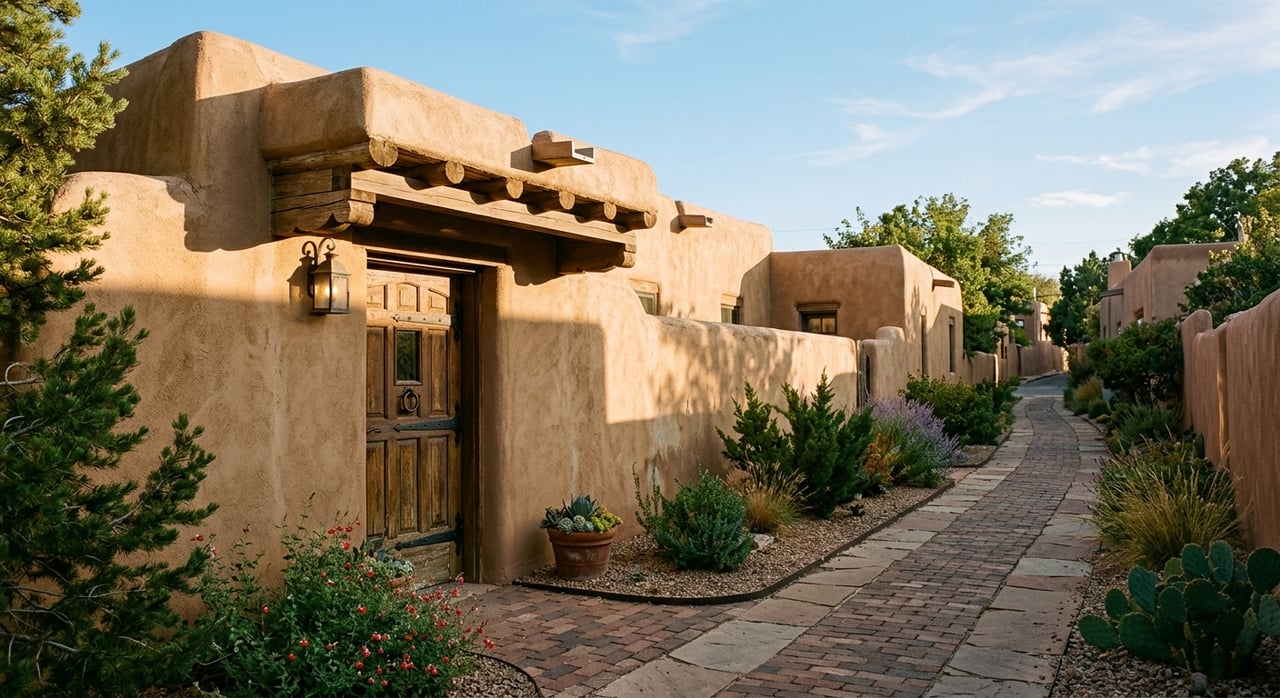
The planning model is New Urbanist, sometimes called neo-traditional. In practical terms, that means clustered homes, a central plaza, trail connections, and a mixed-use core intended to serve local needs. Instead of feeling spread out in the usual suburban pattern, Aldea was designed to feel more connected and pedestrian-oriented within the community itself.
Aldea also offers meaningful scale without feeling oversized. A Santa Fe County water-infrastructure packet from 2017 described the community as having 538 approved lots, with 373 developed and 165 undeveloped. For buyers, that suggests a neighborhood with an established base and some ongoing buildout still ahead.
Daily Life in Aldea
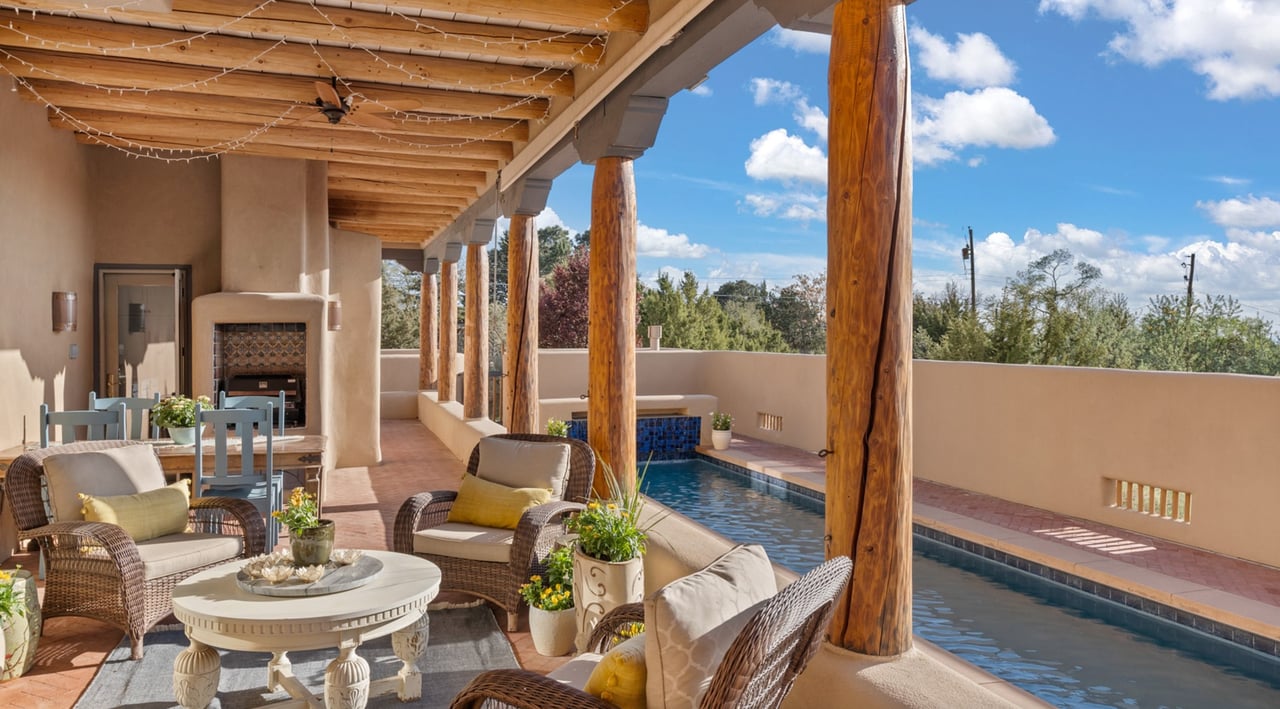
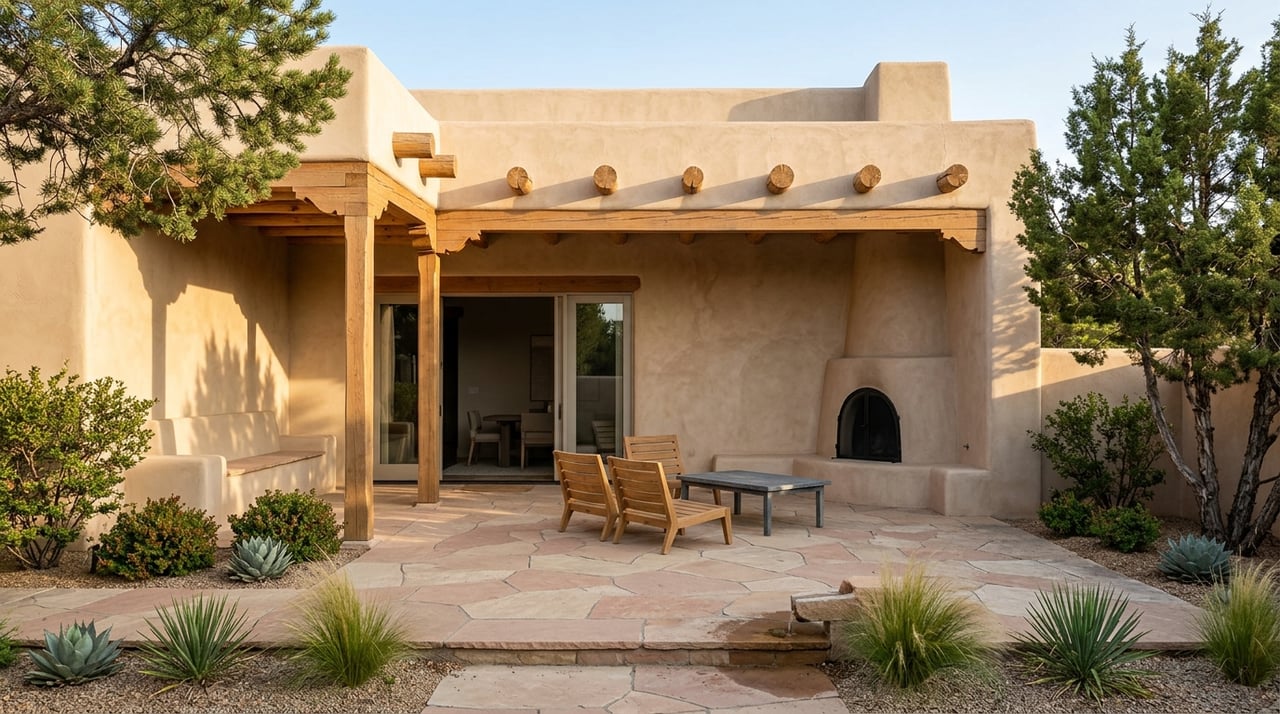
For many buyers, the biggest draw is the lifestyle. Official community information says Aldea includes 205 acres of open space along with amenities such as tennis, pickleball, basketball, bocce, playgrounds, parks, a labyrinth, walking trails, and the Village Plaza. The community building in the middle of the plaza is used for HOA functions, meetings, and exercise classes.
That setup can shape your day in a very practical way. You may find it easier to step outside for a walk, join a class, or spend time in shared outdoor areas without leaving the neighborhood. If you value routine, fresh air, and a sense of place, Aldea has features that support that lifestyle.
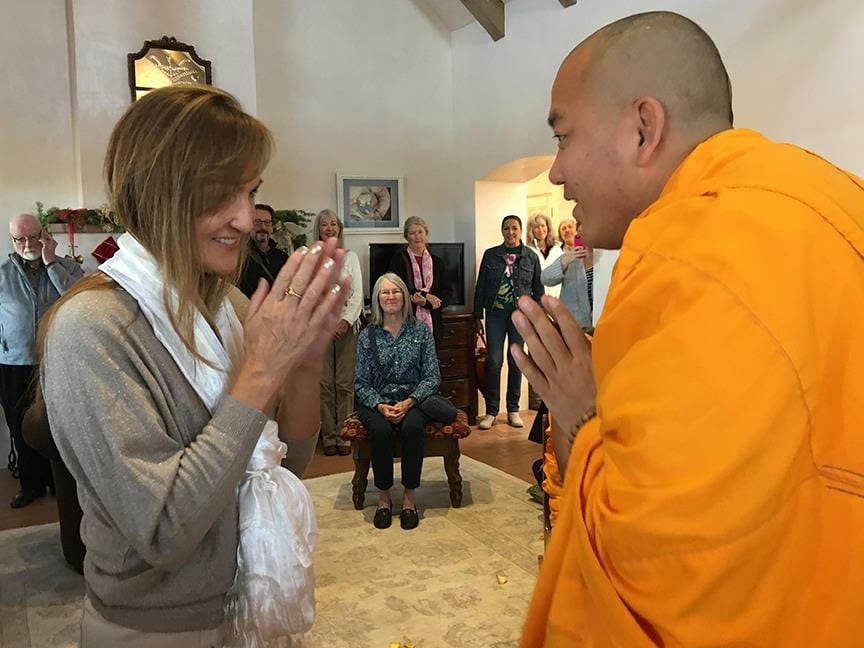
The social side of the community is also more active than in many neighborhoods. The HOA calendar shows recurring events such as monthly Friday socials, board meetings, yoga or Tai Chi, and an investment club. That does not mean every resident participates, but it does point to a neighborhood with regular community programming rather than amenities that sit unused.
Open Space and Outdoor Experience
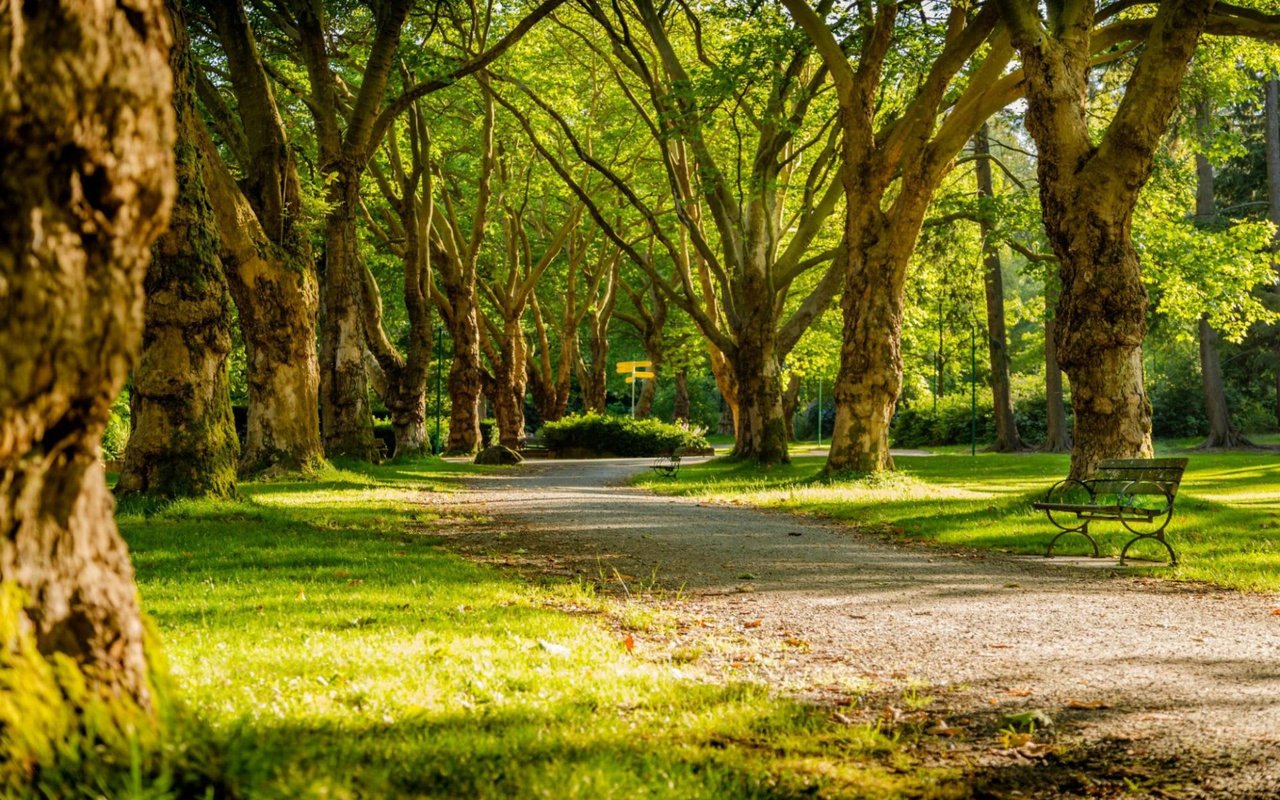
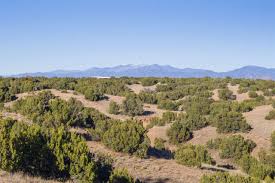
Aldea’s outdoor identity goes beyond a few walking paths. The community’s official birdwatching information describes a Birding Group, field trips, a NestWatch chapter, and more than 100 bird species seen in the area. The outdoor committee also emphasizes permaculture and water-conscious stewardship, which adds another layer to how the neighborhood relates to its landscape.
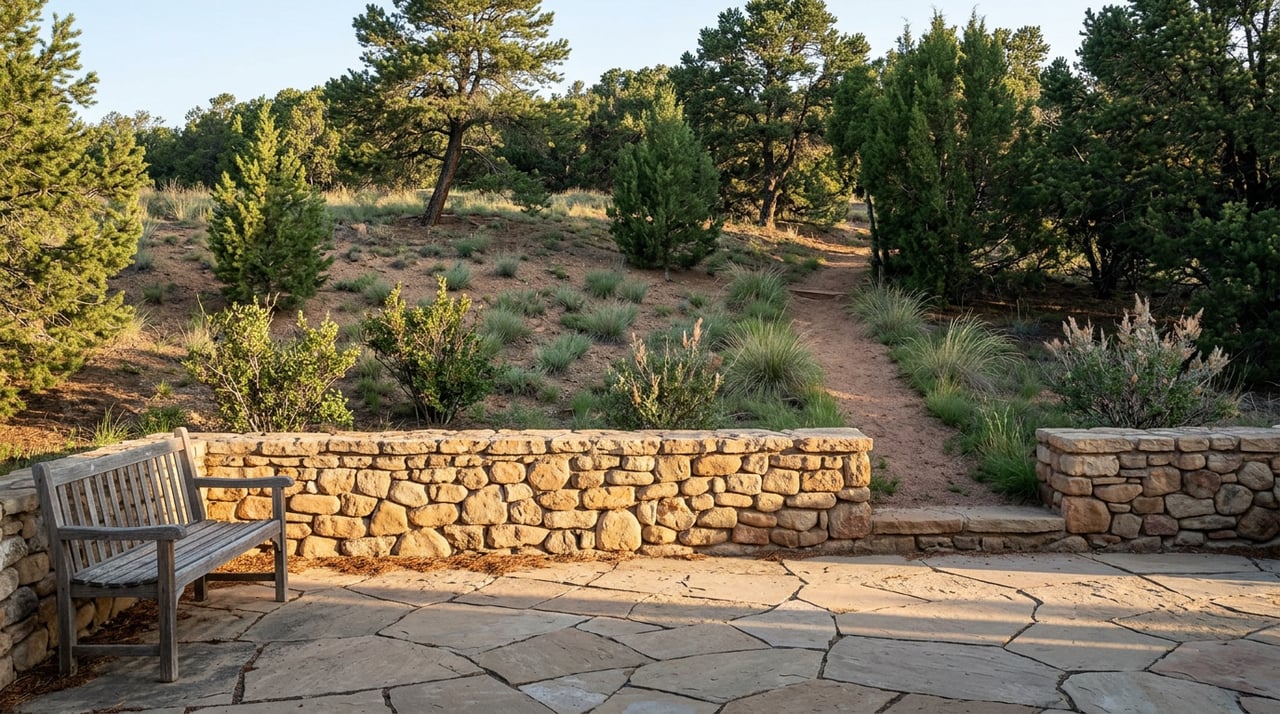
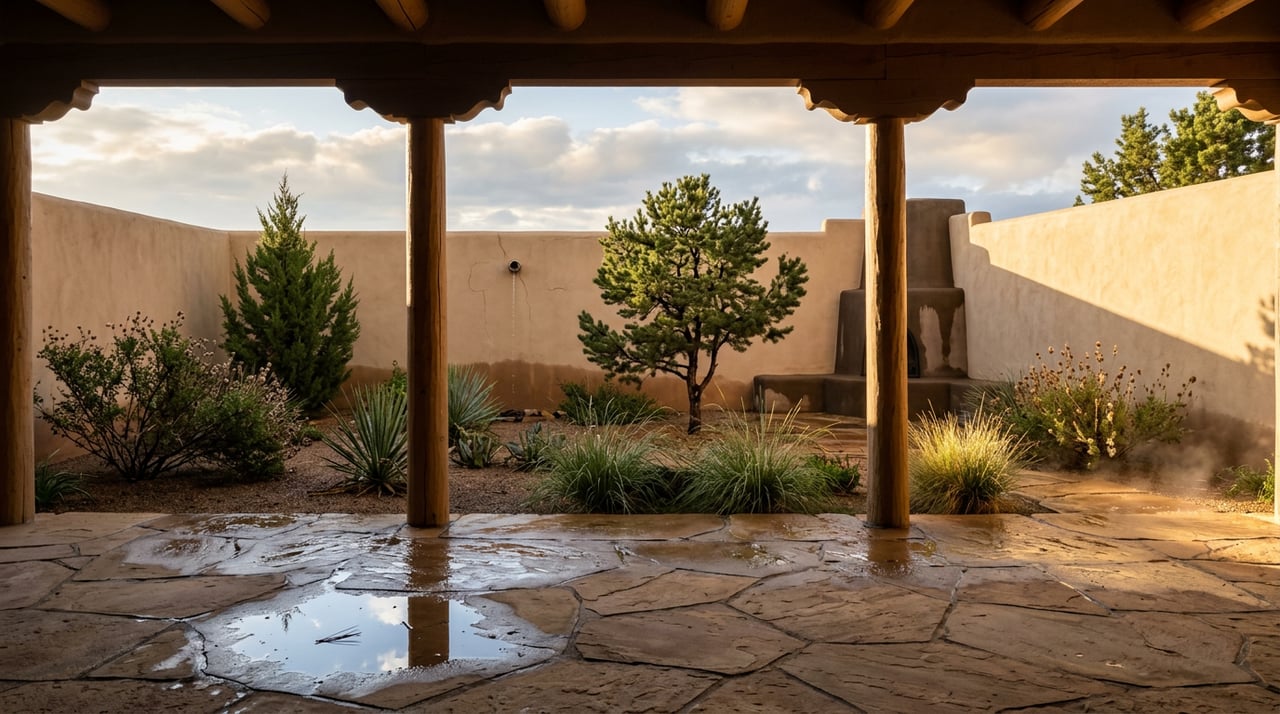
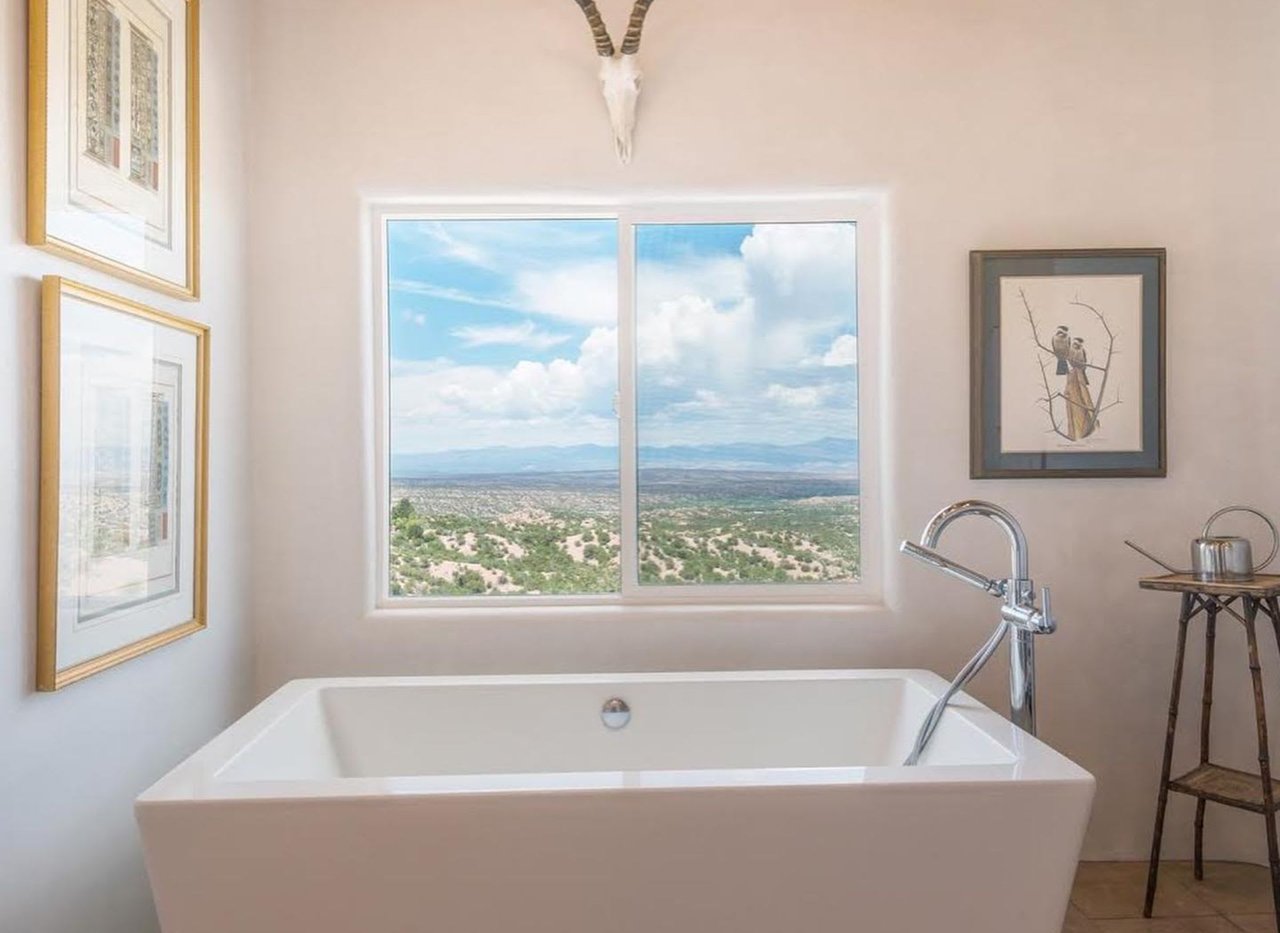
That said, the outdoor experience here is not polished in a resort-style way. Community maps note that some trails are natural walking trails and are not lined or clearly defined on the ground. If you love a more natural desert-path setting, that may feel authentic and appealing. If you prefer formal, highly finished pathways, it is something to keep in mind.
Homes, Architecture, and Layout
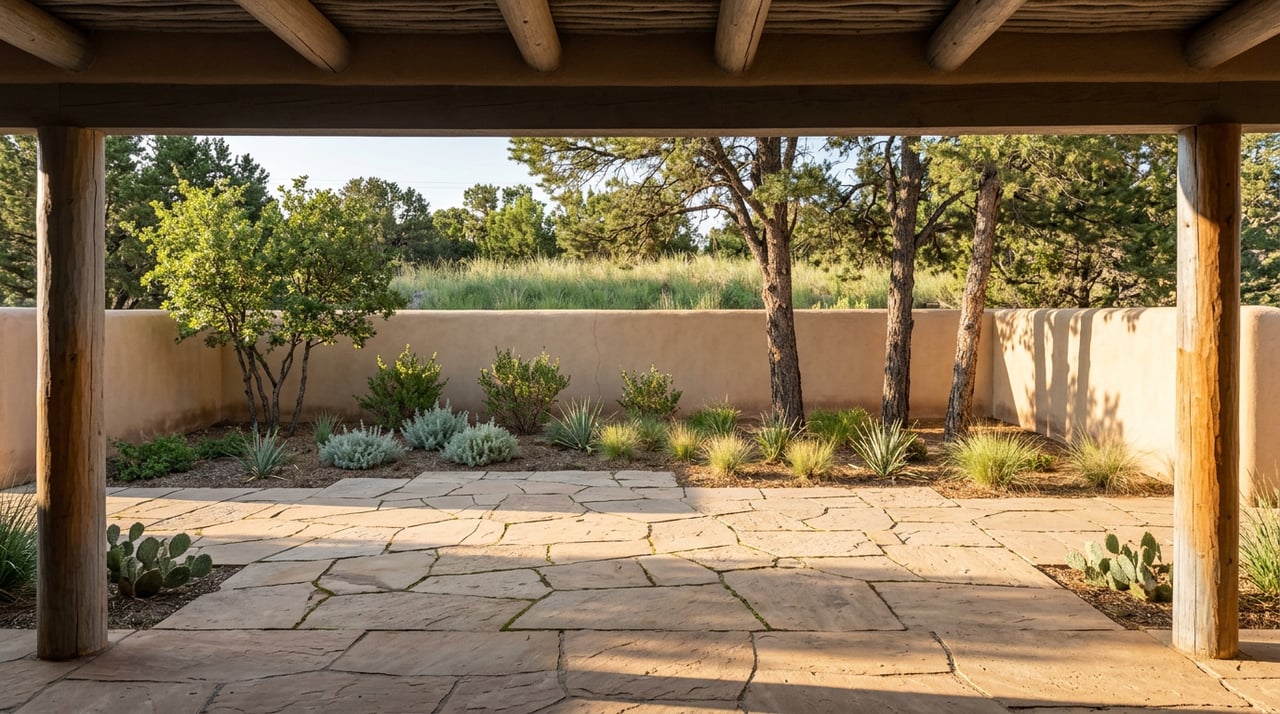
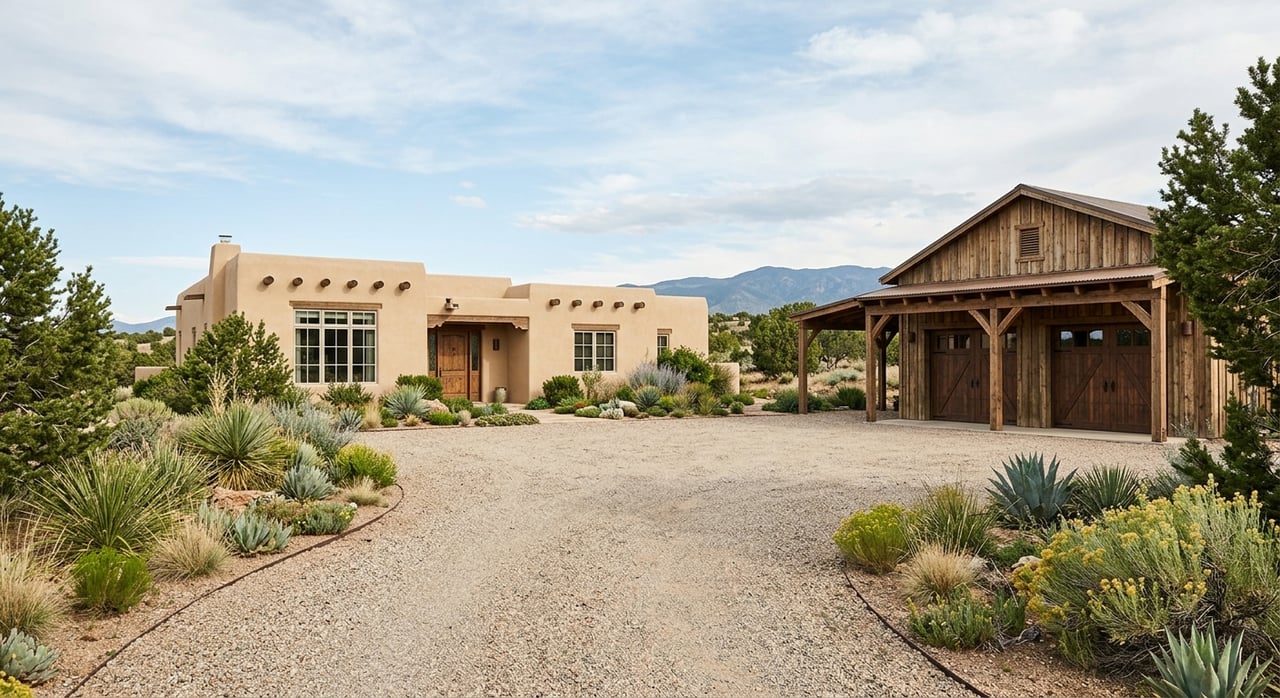
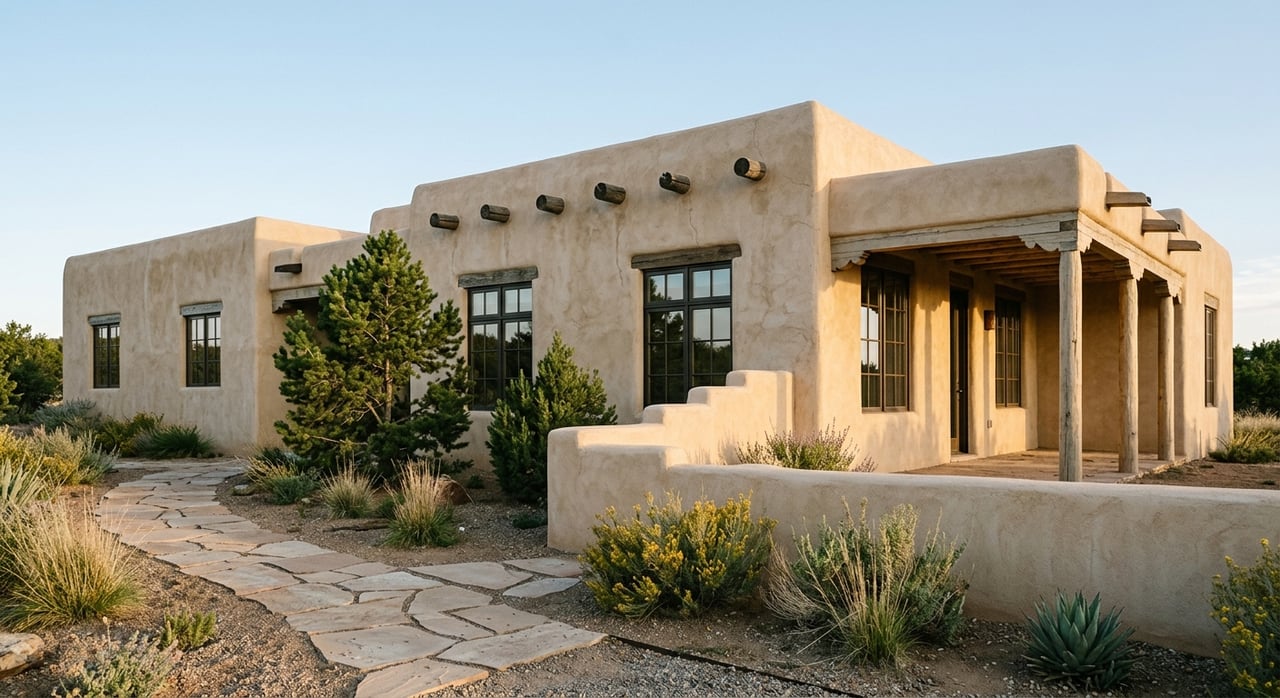
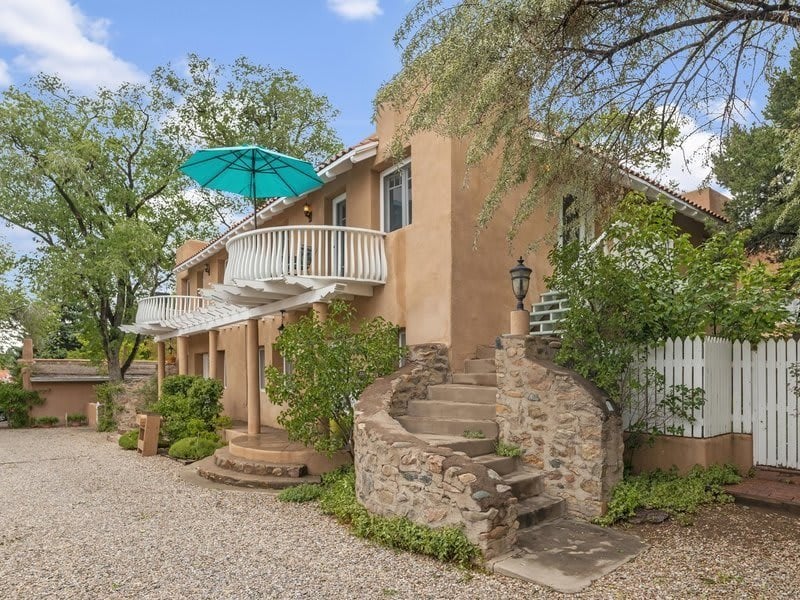
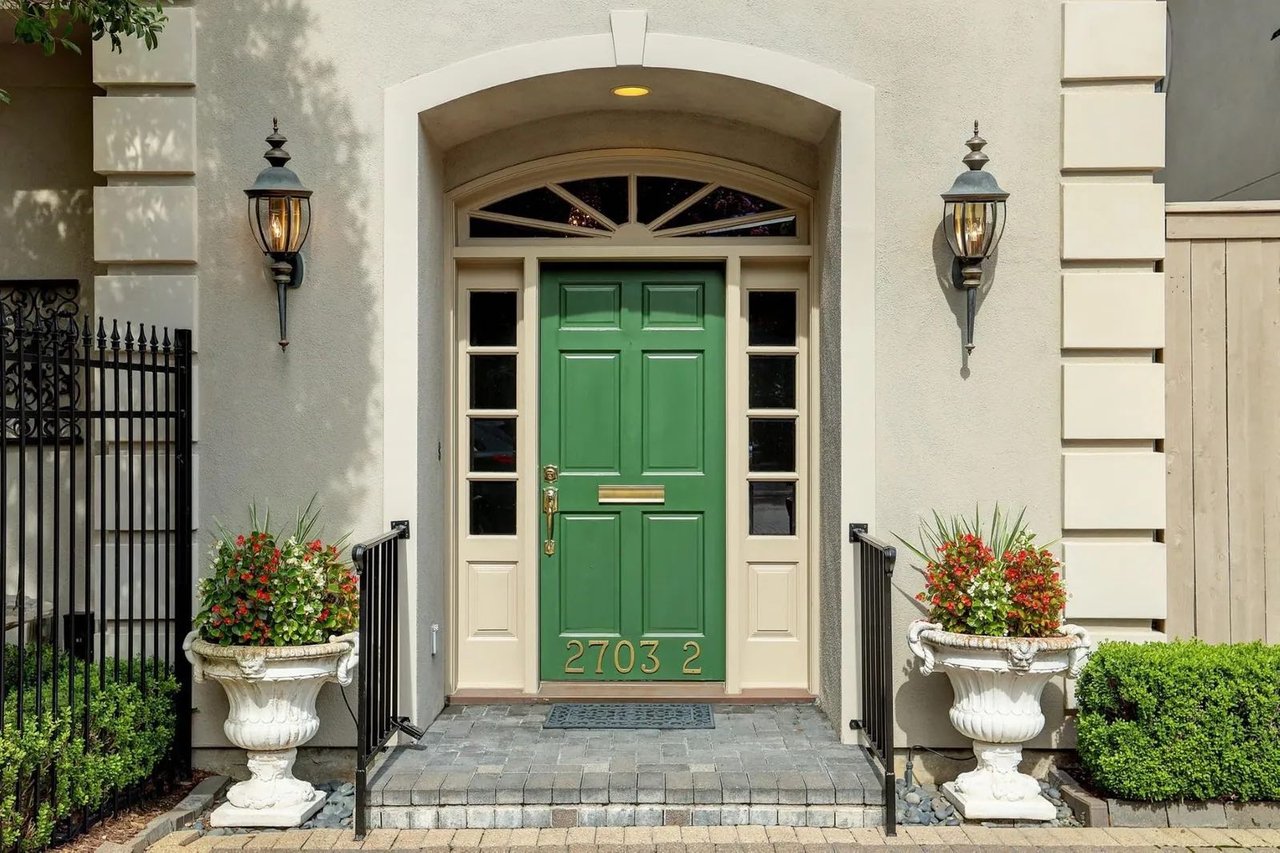
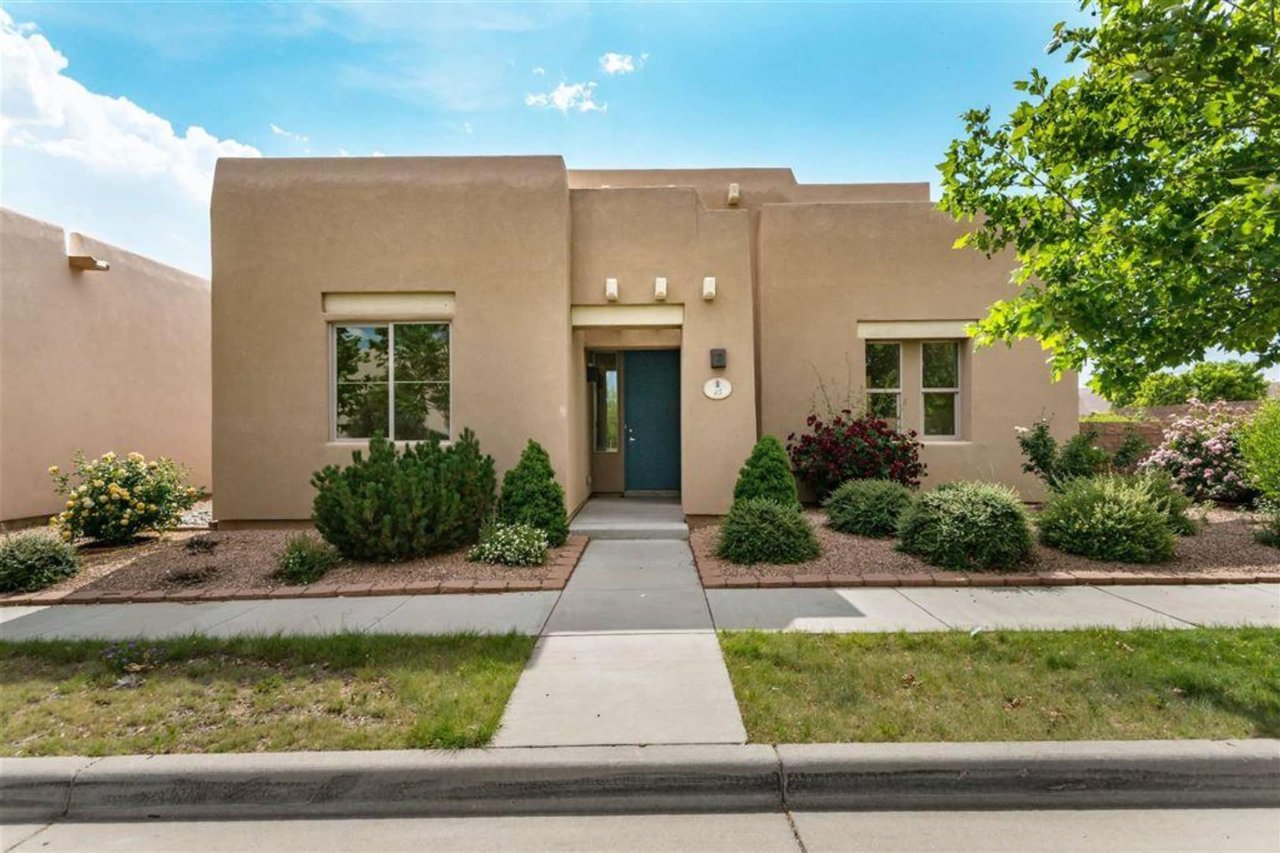
Aldea is best understood as a planned village with several land-use layers. The site map shows single-family homes, patio homes, town homes, live/work units, plaza-commercial space, arroyo-commercial space, institutional uses, parks, and even an equestrian trail. That mix gives buyers more variety than you might expect from a single neighborhood name.
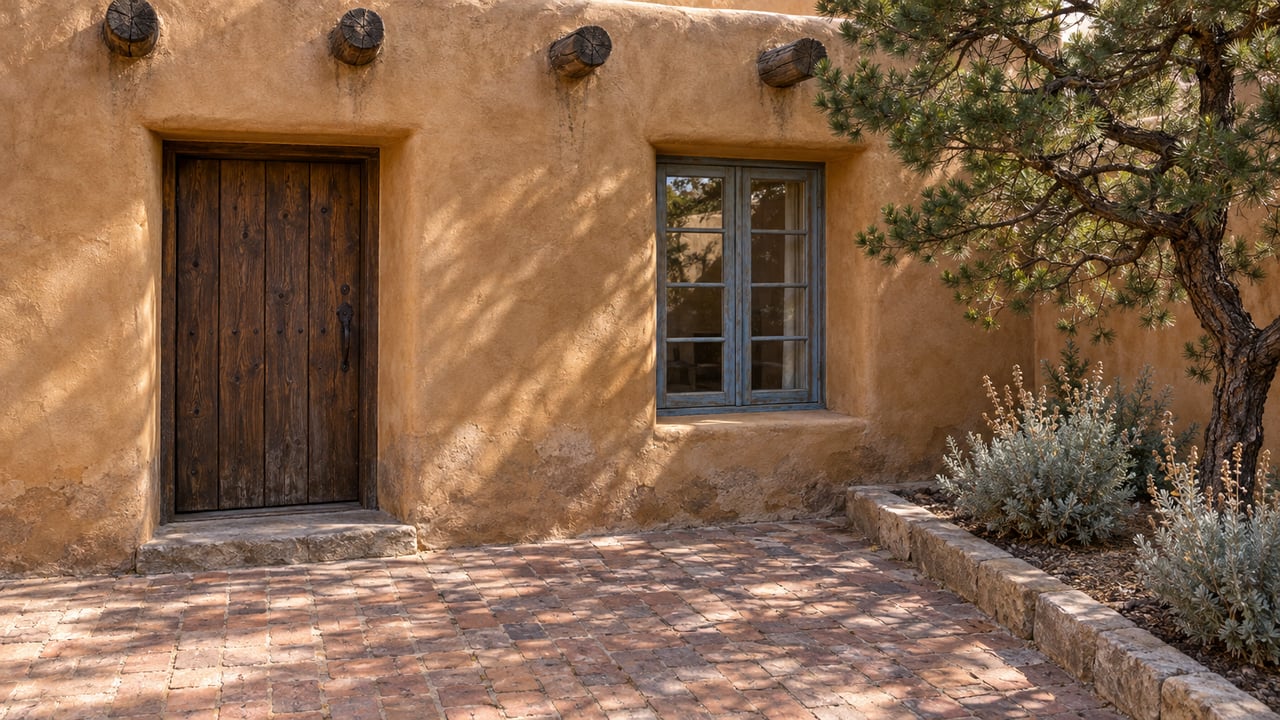
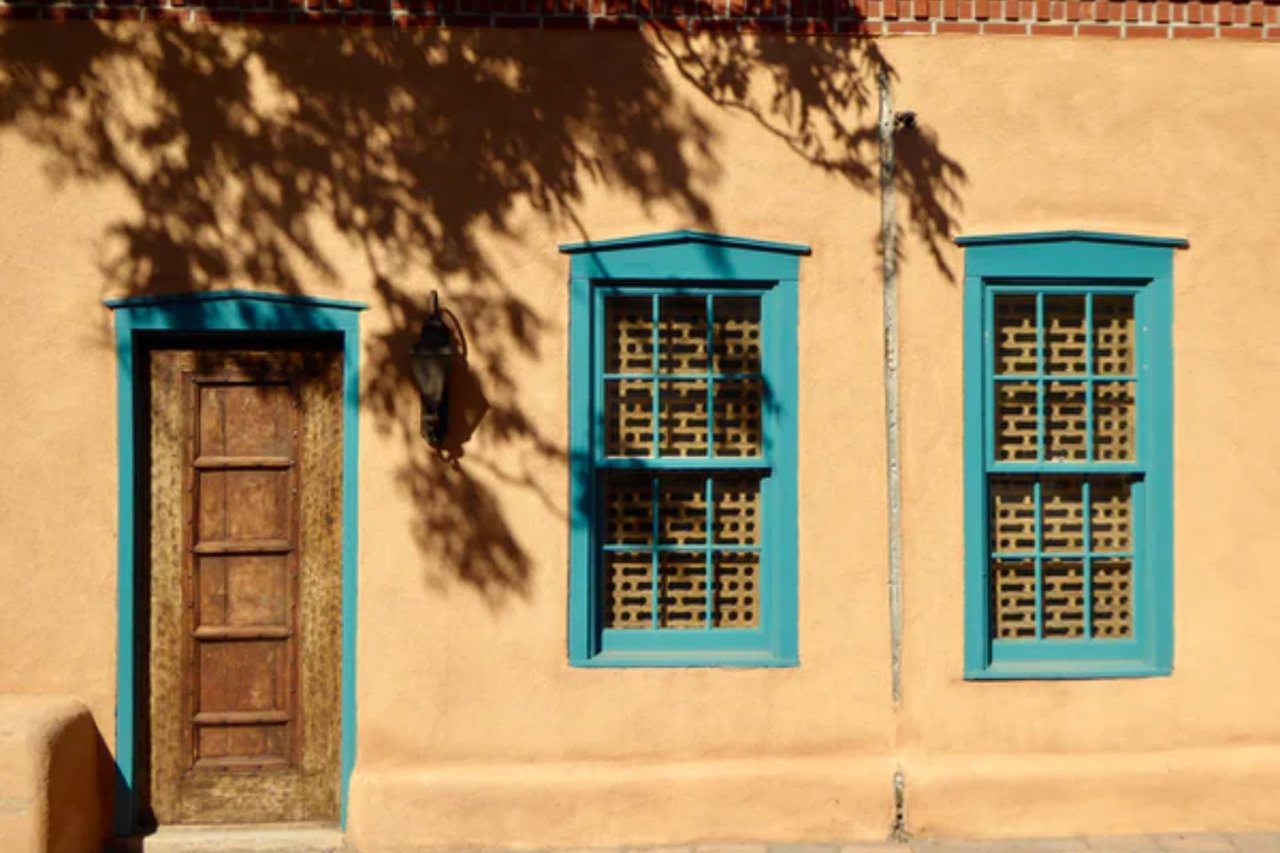
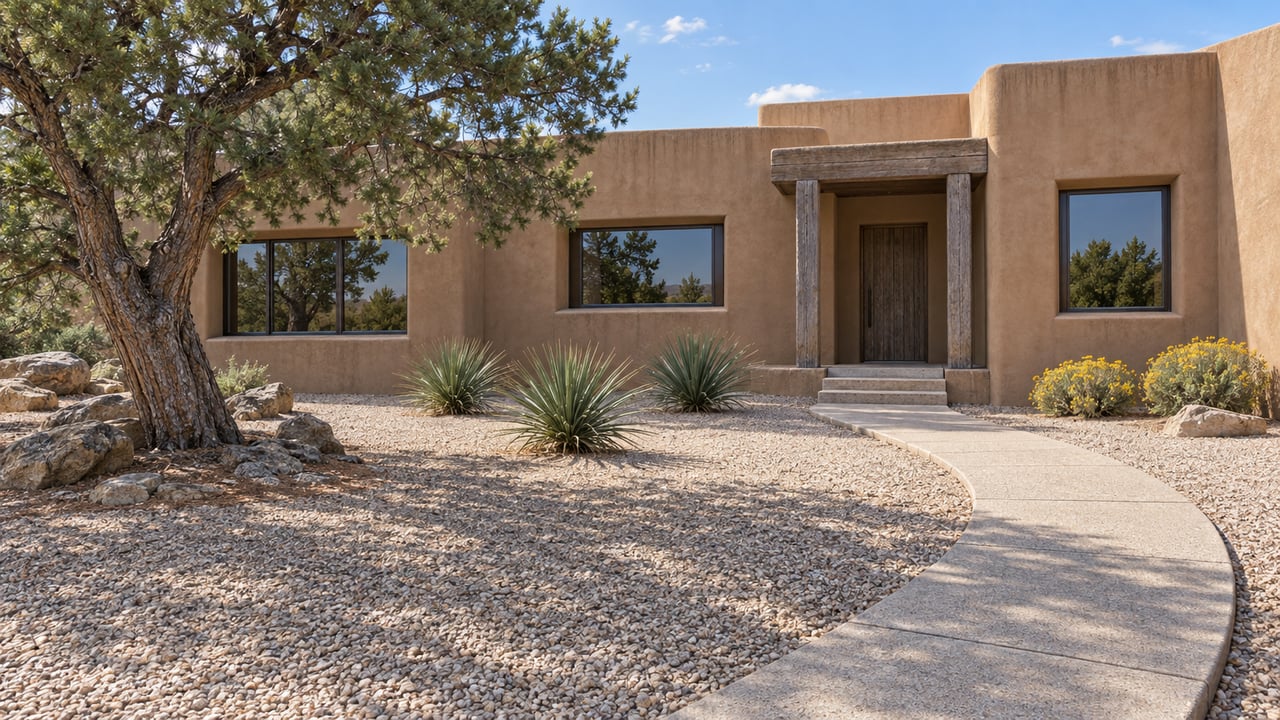
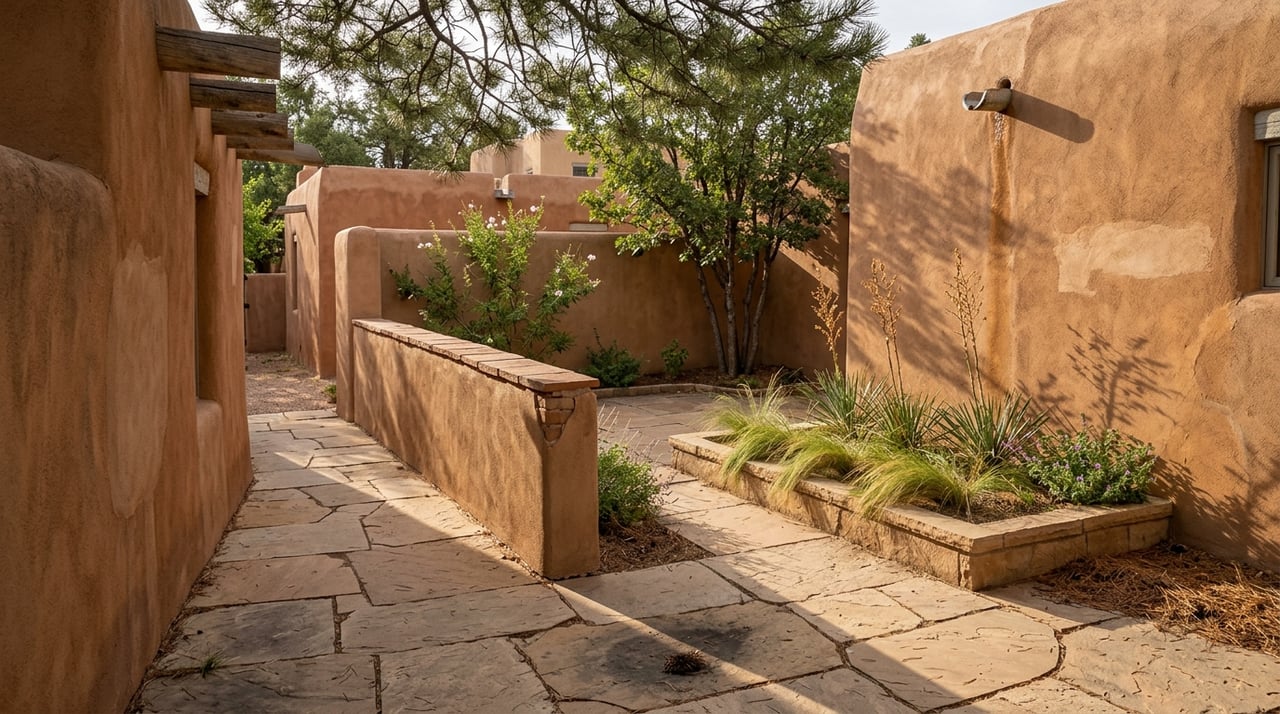
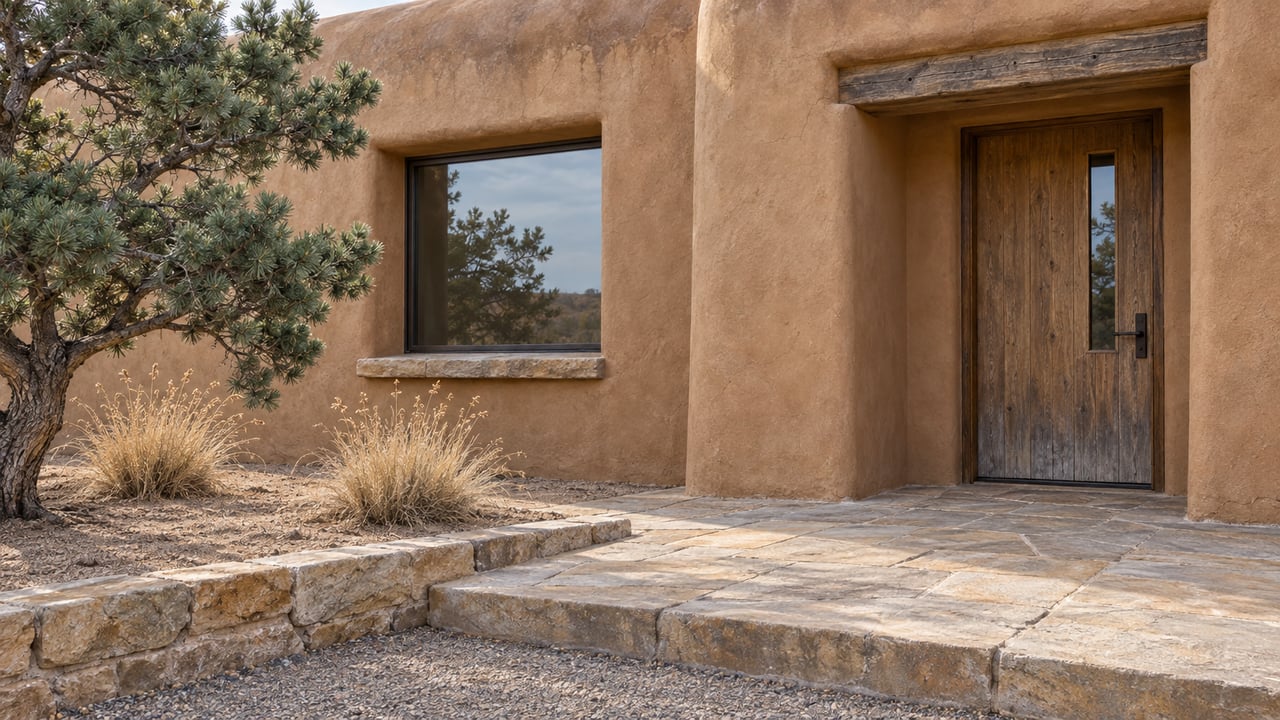
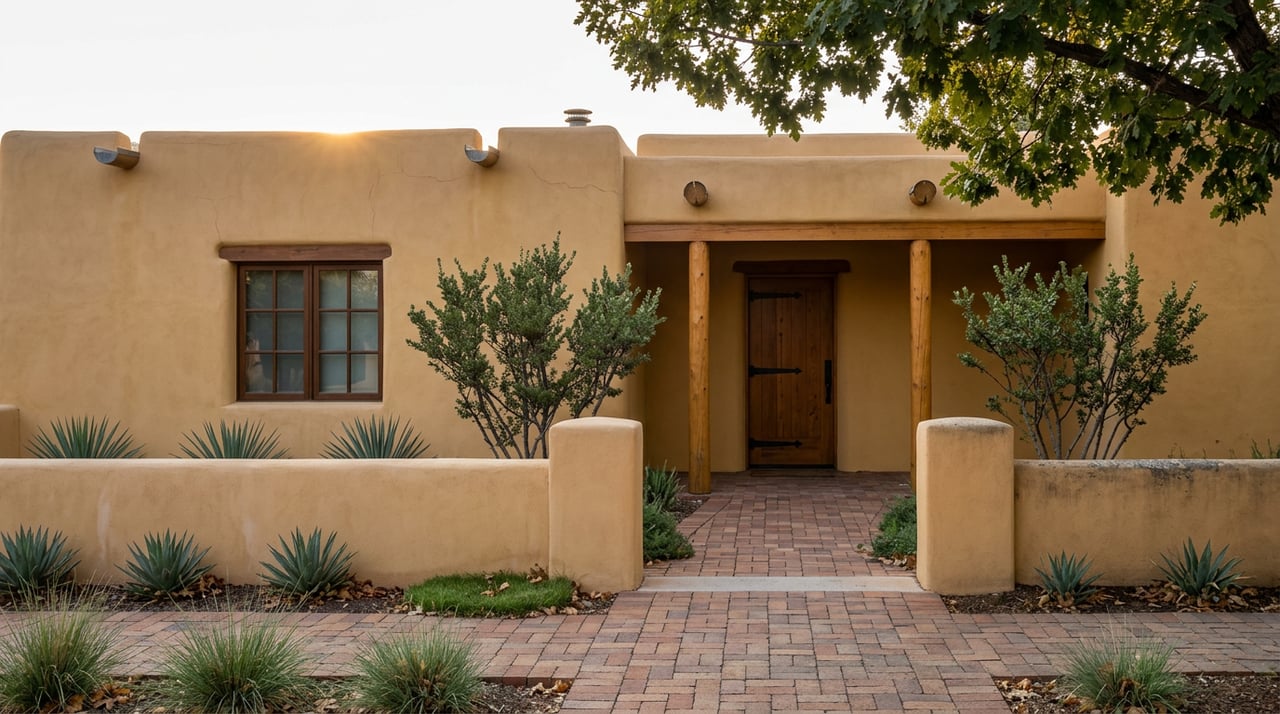
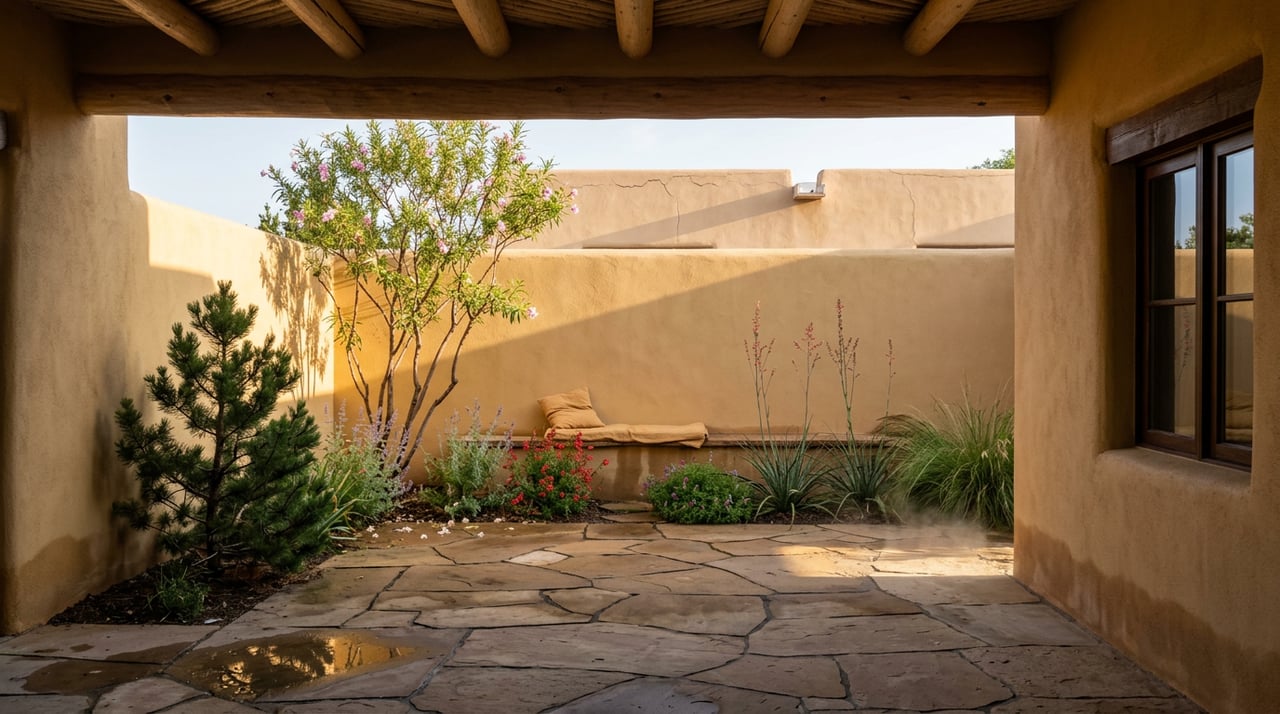
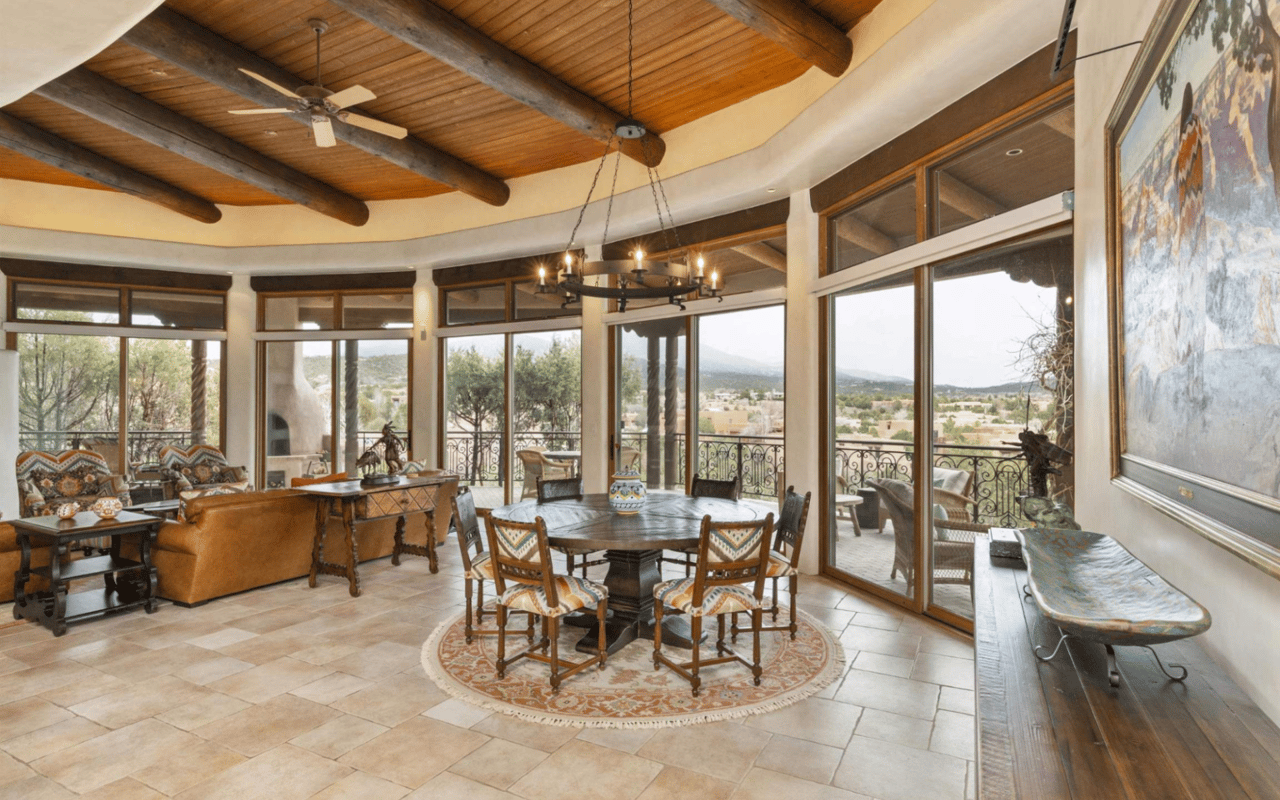
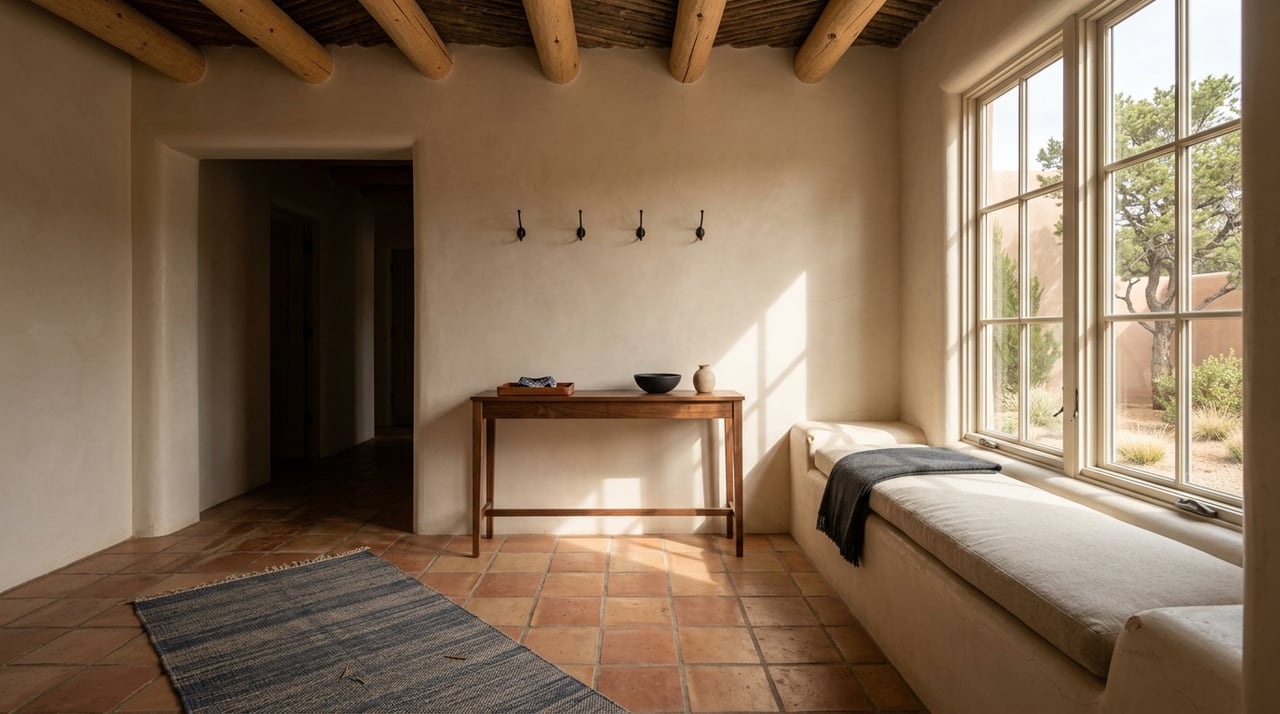
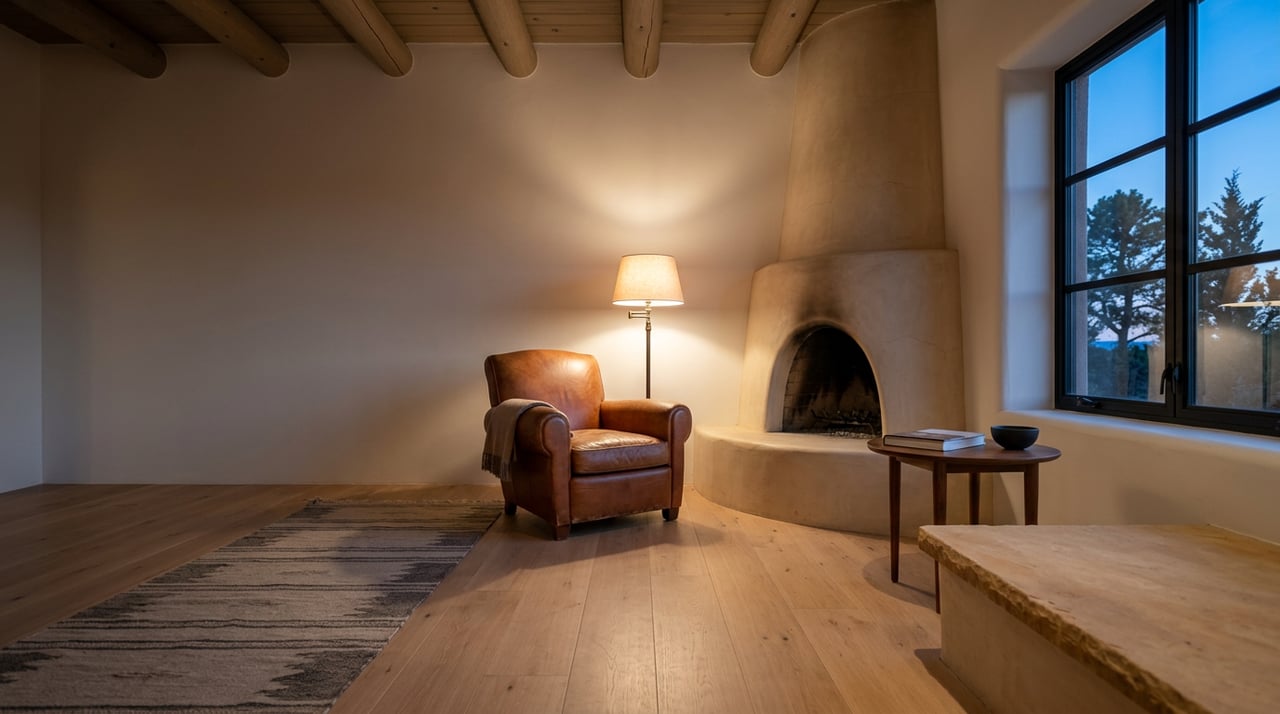
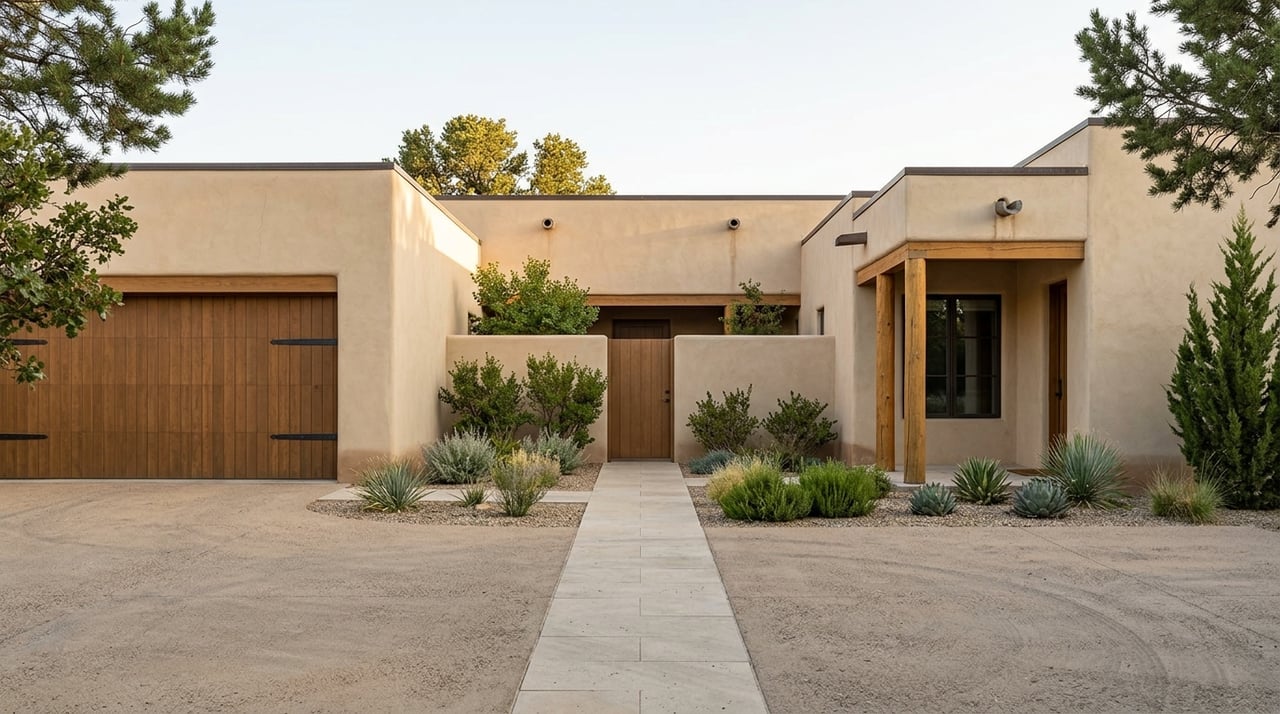
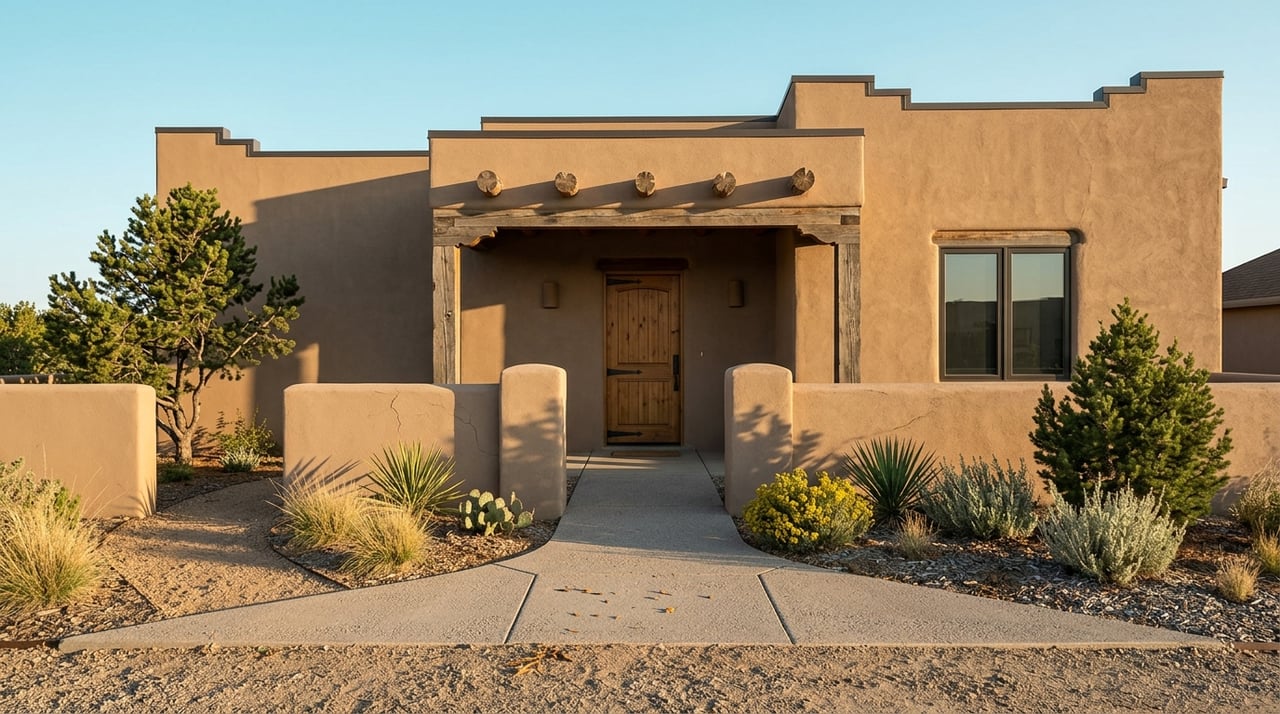
Architecturally, Aldea is closely tied to its neo-traditional planning roots. The site map describes it as a traditional, pedestrian-friendly village with a central plaza. That makes it a good fit for buyers who want a community that feels intentional and cohesive, rather than one that grew in a more piecemeal way.
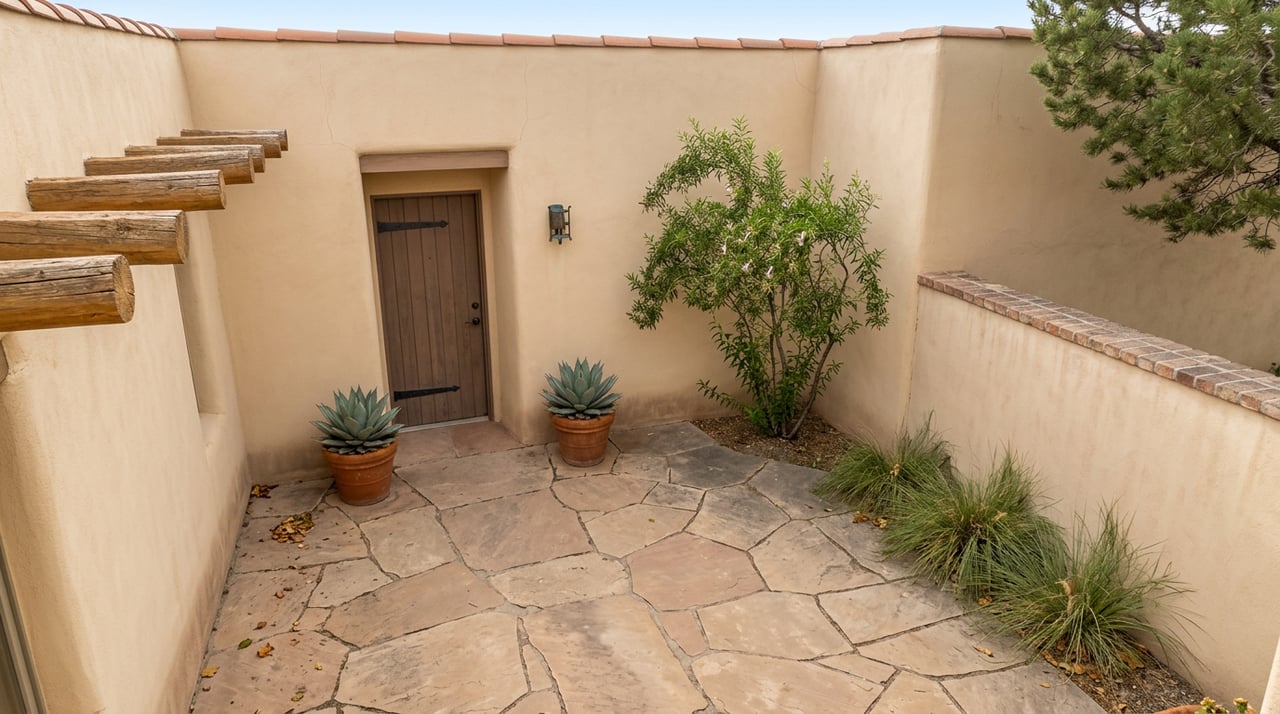
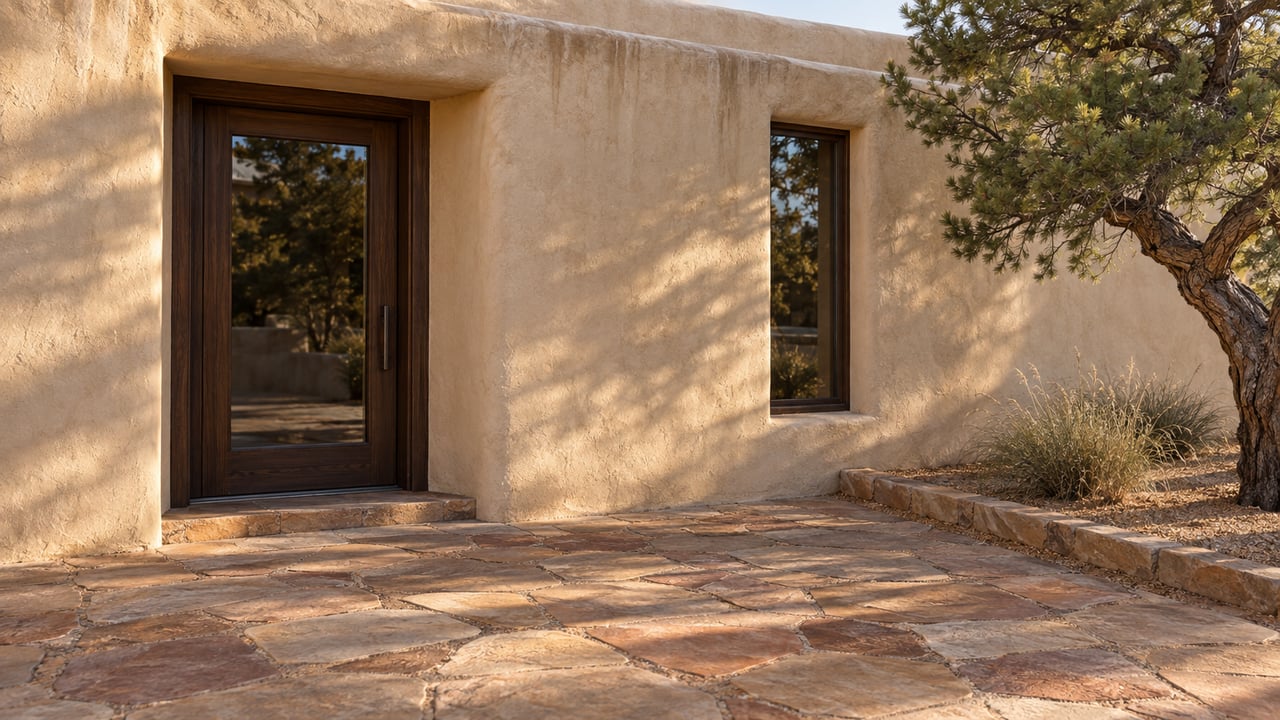
You should also expect more design oversight here than in some Santa Fe neighborhoods. The HOA’s Architectural Review Committee requires written approval for exterior changes and uses design-code oversight to keep updates consistent. For some buyers, that added structure supports the neighborhood’s visual continuity. For others, it may feel more restrictive, so it is worth reviewing early in your search.
Live/Work Potential and the Mixed-Use Core
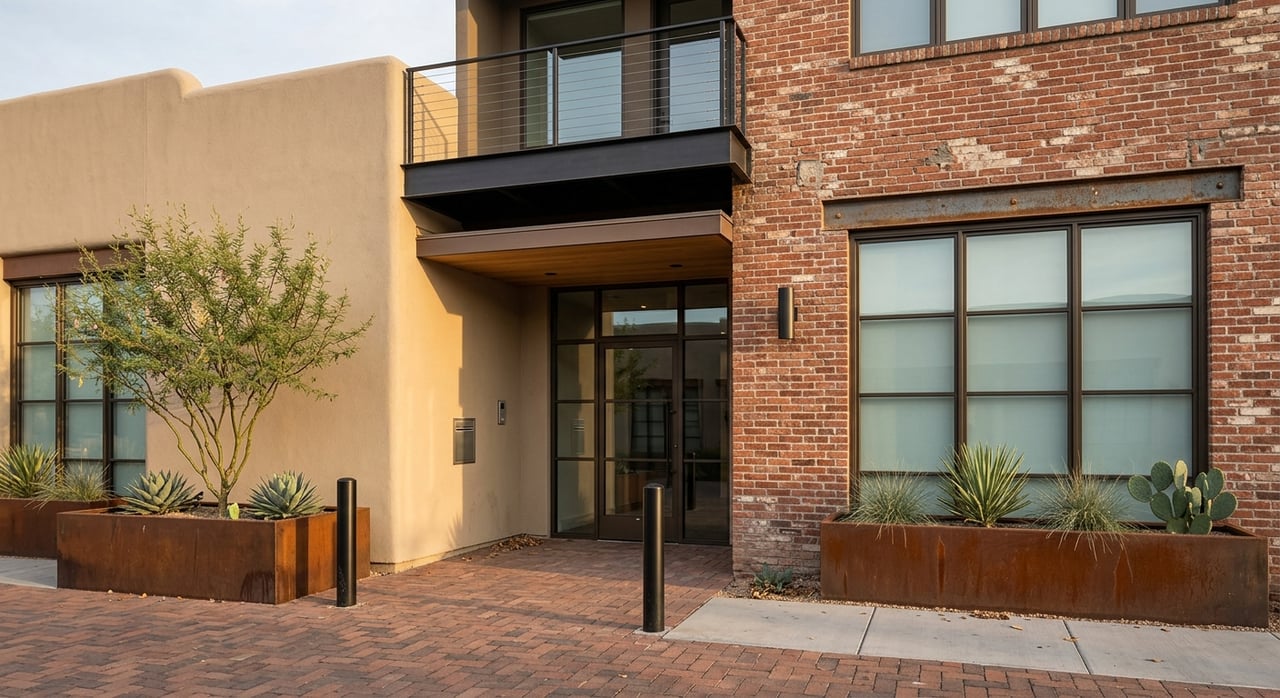
One of Aldea’s more interesting features is that it was planned to support more than residential living alone. County planning documents say the plaza and village-center commercial areas were intended to provide local shopping and office space, while the broader west-side plan says Aldea actively encourages home businesses. That makes the neighborhood especially relevant if you work from home or want a property that supports both living and working.
Still, it is important to view the commercial core realistically. County planning material says the plaza commercial areas are under development, and the site map notes that Aldea Plaza will grow into convenient commercial and retail services. In other words, this is part of the community vision, but buyers should treat it as an evolving story rather than a fully built urban center.
Location and Convenience
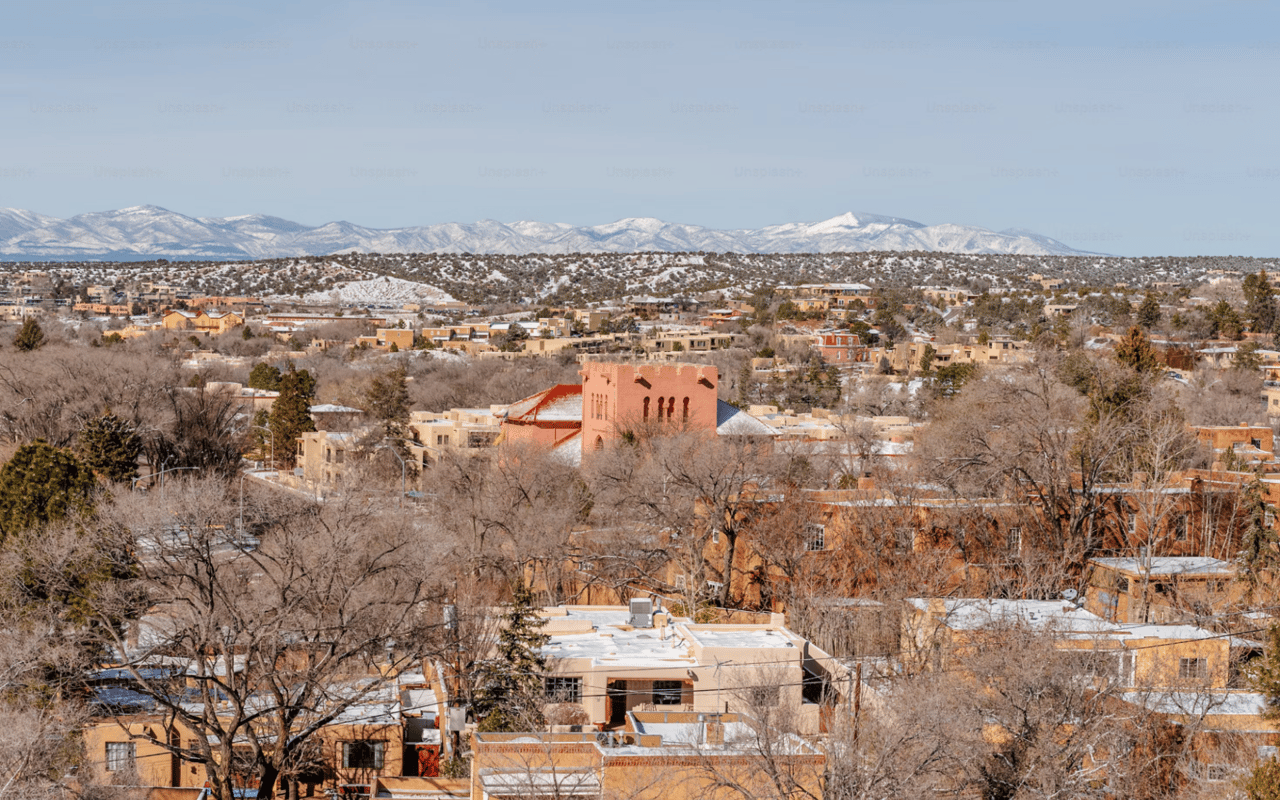
Aldea can appeal strongly to relocation and second-home buyers because of its west-side setting and access. The community maps highlight downtown Santa Fe and note that the airport is about 10 minutes away. If you expect frequent travel or want easier airport access, that detail can matter.
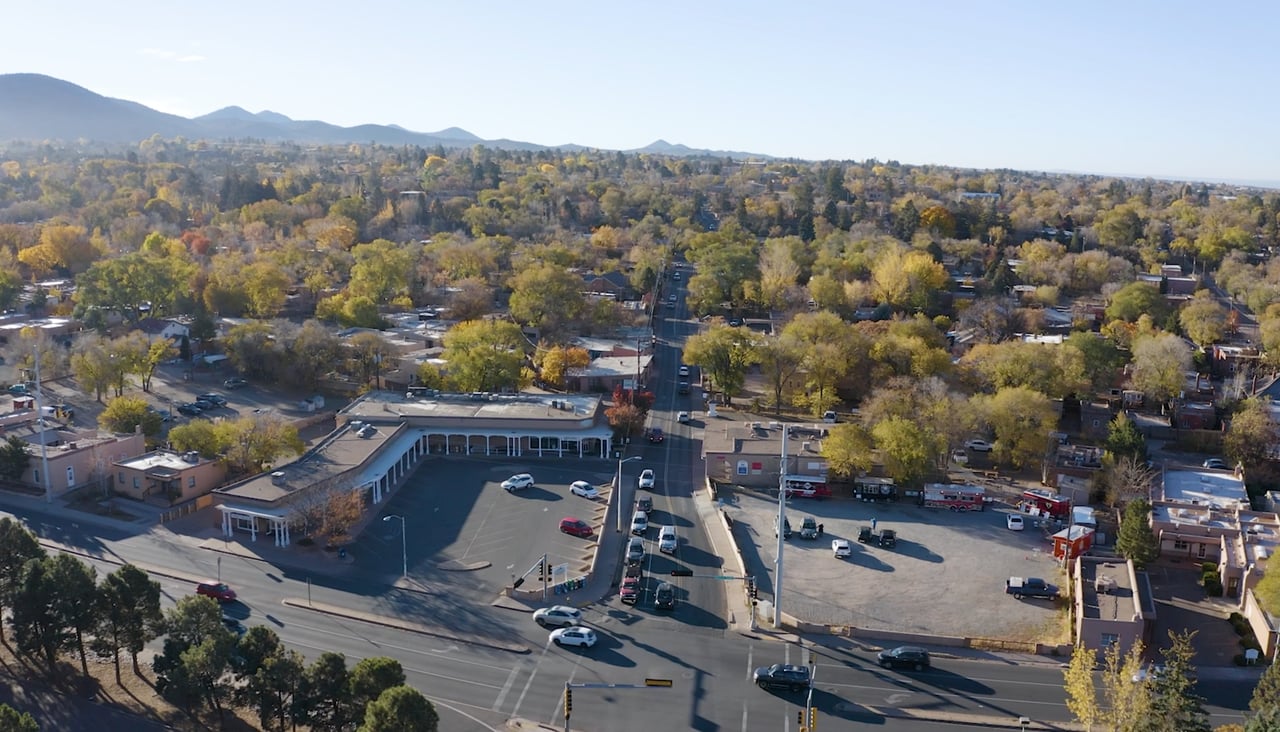
At the same time, Aldea is not the same as living near the historic core. County planning material for the west-side area says residents often drive to Santa Fe for shopping, work, and recreation. So while Aldea is trail-oriented and village-centered within its own boundaries, it is better understood as car-accessible rather than urban-walkable when it comes to broader city life.
How Aldea Compares to In-Town Santa Fe
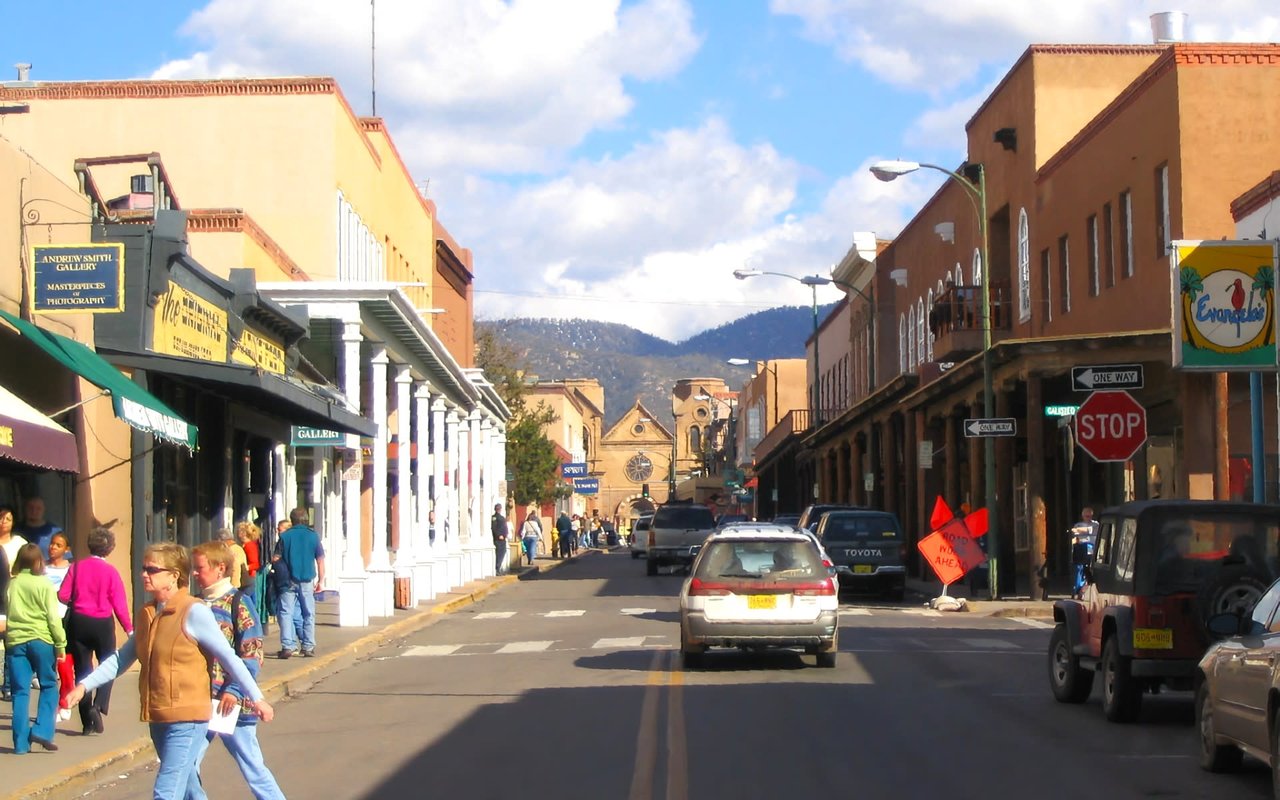
If you are deciding between Aldea and a more central Santa Fe neighborhood, the comparison usually comes down to rhythm and priorities. In-town areas closer to the Plaza often offer more immediate access to restaurants, galleries, and street-level activity. Aldea, by contrast, tends to offer a quieter setting, more open space, and a stronger sense of a self-contained neighborhood environment.
That does not make one option better than the other. It simply means they serve different lifestyles. If you want spontaneous access to the historic core, Aldea may feel a bit removed. If you want more elbow room, programmed community spaces, and a daily connection to trails and open land, Aldea may feel like a better match.
Who May Feel Most at Home Here
Based on the community layout and planning documents, Aldea is likely to resonate with several kinds of buyers:
- Relocation buyers who want orientation, structure, and a neighborhood with defined amenities
- Second-home owners looking for a managed community with open space and a consistent design feel
- Remote workers who may value live/work options, home-business support, and a quieter daily setting
- Buyers drawn to outdoor routines such as walking, birding, and neighborhood-based recreation
If your ideal Santa Fe lifestyle includes immediate urban energy, frequent strolling to dining, or a more spontaneous historic-district feel, another area may suit you better. If you are looking for a village setting with open space and a clear community framework, Aldea deserves a closer look.
Questions to Ask Before Buying in Aldea
Before you make a decision, it helps to think beyond the listing itself. In Aldea, your day-to-day experience will be shaped not just by the home, but by the neighborhood’s structure and rules.
Consider asking:
- How important is HOA design oversight to you?
- Do you want access to neighborhood amenities and recurring community events?
- Are natural, less-defined walking trails a plus for your lifestyle?
- Would live/work flexibility or home-business potential be useful?
- Are you comfortable driving into Santa Fe for more shopping, dining, and recreation?
- Do you want a community that is still evolving in parts of its mixed-use core?
These questions can help you decide whether Aldea fits the way you actually want to live, not just what looks good on paper.
The Bottom Line on Aldea
Aldea de Santa Fe offers a distinct alternative to both standard subdivisions and more central Santa Fe neighborhoods. Its planned village layout, open space, trails, amenities, and mixed-use intent create a setting that feels organized, outdoorsy, and community-minded. For the right buyer, that combination can be very compelling.
The best fit often comes down to whether you want a quieter, managed neighborhood environment with room to breathe, or whether you prefer to be closer to the energy of central Santa Fe. If Aldea’s village rhythm, natural setting, and evolving core align with your priorities, it may be exactly the kind of place worth exploring in person.
If you are weighing Aldea against other Santa Fe neighborhoods, the right guidance can save you time and sharpen your search. The Ricky Allen-Tara Earley Real Estate Group can help you compare lifestyle fit, property options, and location tradeoffs with a local, thoughtful approach.
FAQs
Is Aldea de Santa Fe a typical subdivision?
- No. Aldea was planned as a village-centered, neo-traditional community with clustered homes, a central plaza, trails, open space, and a mixed-use core.
What amenities are available in Aldea de Santa Fe?
- Official community information lists 205 acres of open space, tennis, pickleball, basketball, bocce, playgrounds, parks, a labyrinth, walking trails, the Village Plaza, and a community building used for meetings and classes.
Are there different home types in Aldea de Santa Fe?
- Yes. The site map shows single-family homes, patio homes, town homes, live/work units, and areas planned for commercial and institutional uses.
Is Aldea de Santa Fe good for remote work?
- It can be a strong option for remote workers because the community includes live/work units, and county planning documents say Aldea encourages home businesses.
How close is Aldea de Santa Fe to downtown Santa Fe and the airport?
- Community maps highlight downtown Santa Fe and say the airport is about 10 minutes away, which may be helpful for relocation and second-home buyers.
Is Aldea de Santa Fe walkable for daily errands?
- Within the neighborhood, Aldea was designed to be pedestrian-friendly around its village layout. For broader shopping, work, and recreation in Santa Fe, county planning materials indicate the west-side area is largely car-accessible.
Does Aldea de Santa Fe have HOA architectural rules?
- Yes. The HOA Architectural Review Committee requires written approval for exterior changes and uses design-code oversight to maintain consistency.
Is the commercial area in Aldea de Santa Fe fully built out?
- No. County planning materials describe the plaza commercial areas as under development, so buyers should view the mixed-use core as a work in progress.