If you want Santa Fe living with a more contemporary rhythm, the Railyard stands out right away. This is a part of town where rail service, public art, markets, galleries, and open space all meet in one compact district. If you are considering a move to 87501, this guide will help you understand what daily life in the Santa Fe Railyard actually feels like and how it compares with other well-known parts of the city. Let’s dive in.
Why the Santa Fe Railyard Feels Different
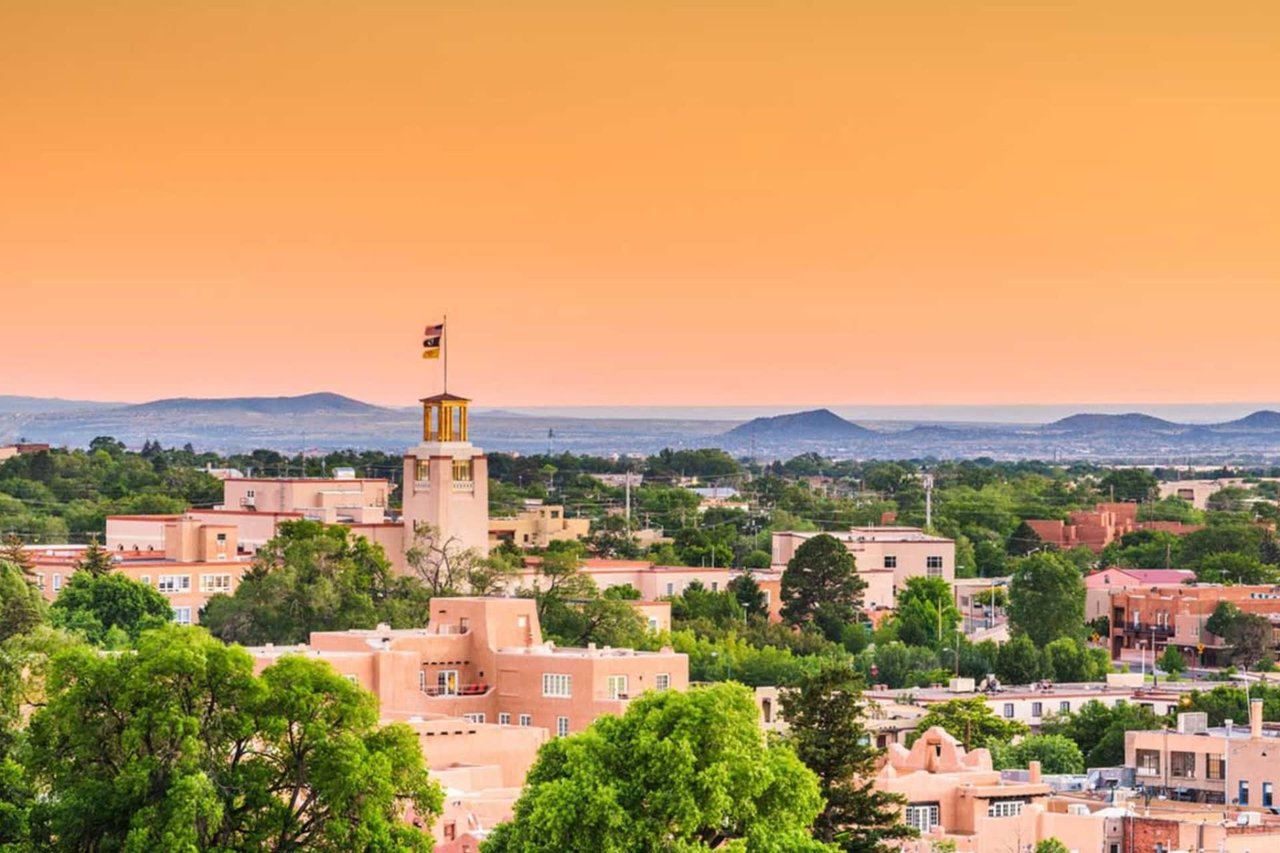
The Santa Fe Railyard is a 50-acre mixed-use redevelopment built on former industrial rail land. According to city and transit sources, the district opened in fall 2008 and now includes a permanent farmers market building, year-round sales areas, outdoor performance space, a public plaza, park area, xeric gardens, galleries, retail, a movie theater, a multi-use path, and green space.
That origin story matters because it shapes the way the neighborhood feels today. Unlike Santa Fe’s historic core, the Railyard was designed as a place for overlapping uses, not just one main activity. You can see that in the mix of public spaces, arts venues, and live-work buildings throughout the district.
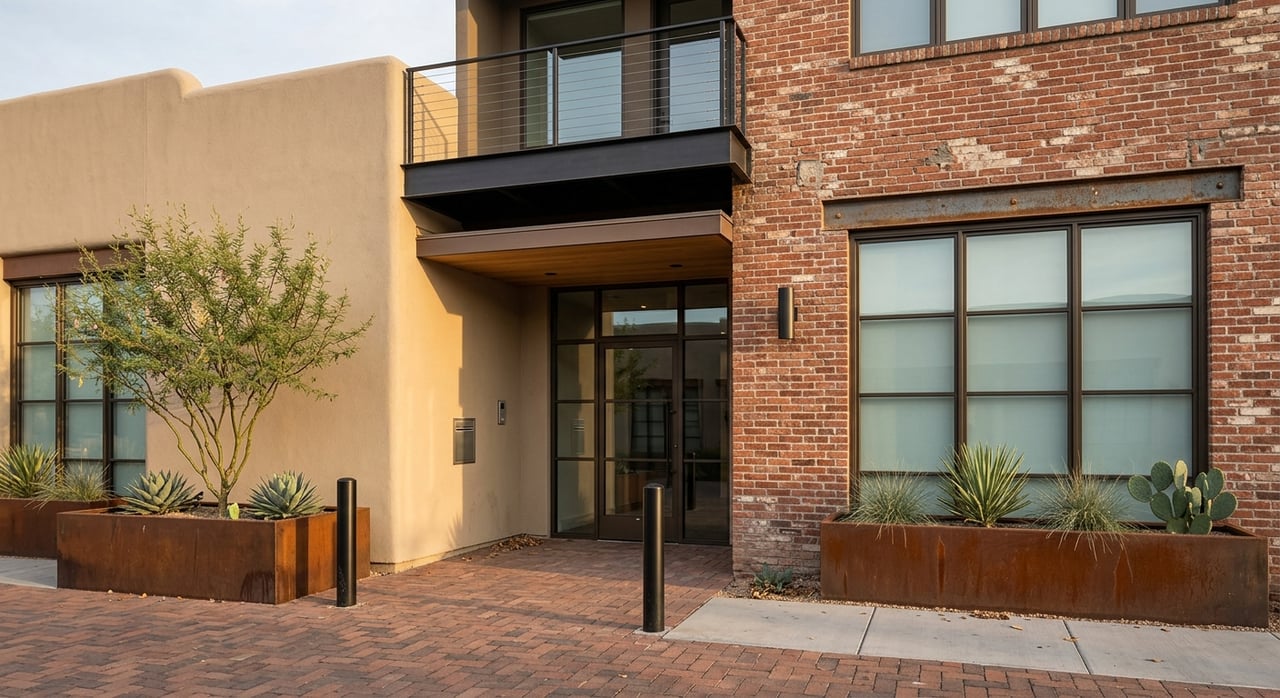
The long-term vision also included housing and live-work uses alongside shopping, dining, and cultural destinations. A current example is the ArtYard building, where commercial and retail space sit on the ground floor and live/work lofts are above. That mix helps explain why the Railyard functions as a real neighborhood, not only a place people visit.
What Daily Life Looks Like
Living in the Railyard means your week can have a built-in rhythm. You are not just near occasional attractions. You are in a district where recurring events and everyday amenities shape how the area feels through much of the year.
Farmers market mornings
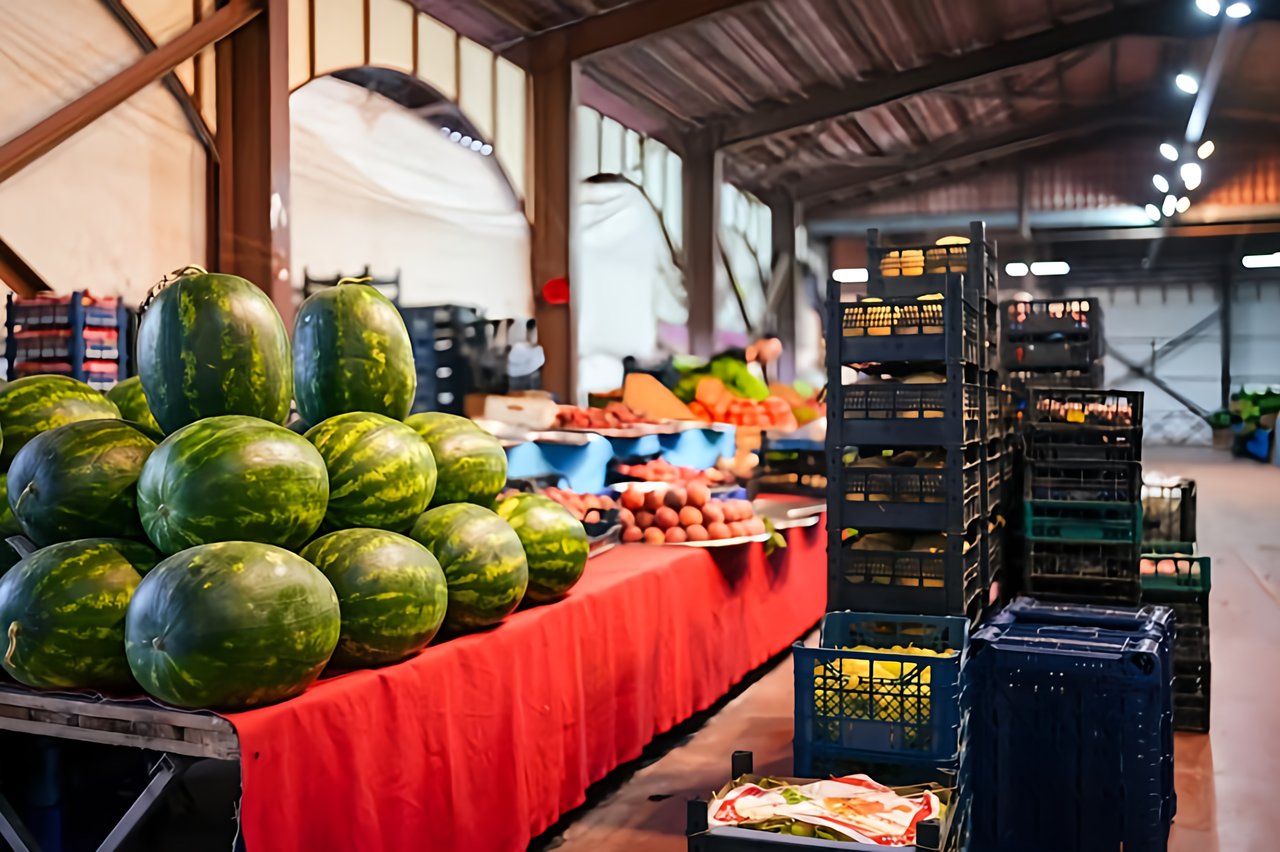
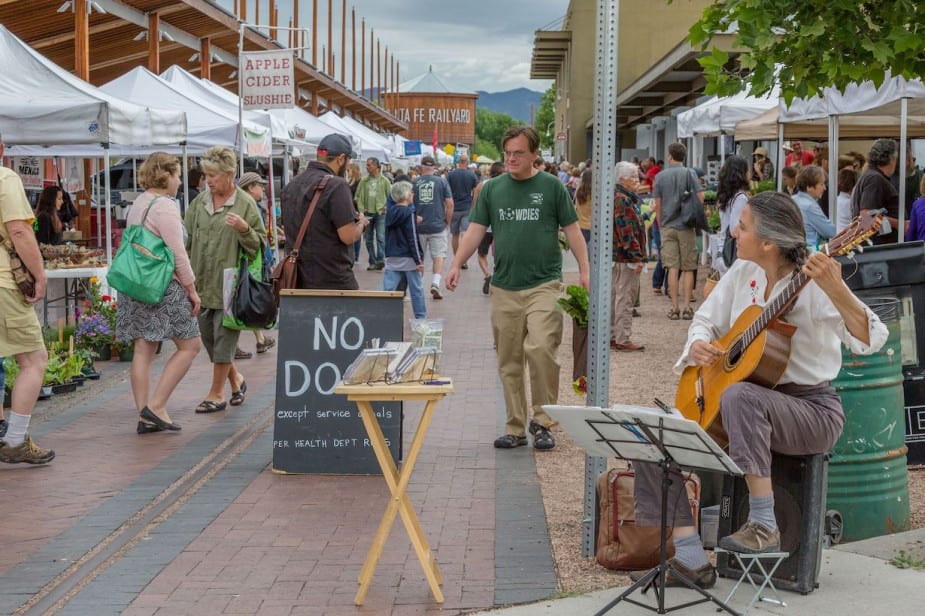
One of the biggest anchors is the Santa Fe Farmers' Market at the Railyard Pavilion. As of 2026, it is scheduled for Saturdays year-round from 8 a.m. to 1 p.m., plus Tuesdays from May 5 through December 22 from 8 a.m. to 1 p.m. The market began in 1968 and moved into the Railyard in 2008.
For residents, that means fresh produce and local goods are part of the neighborhood routine, not a special trip across town. It also means some mornings are more active, with more foot traffic and more energy around the pavilion.
Artisan market Sundays
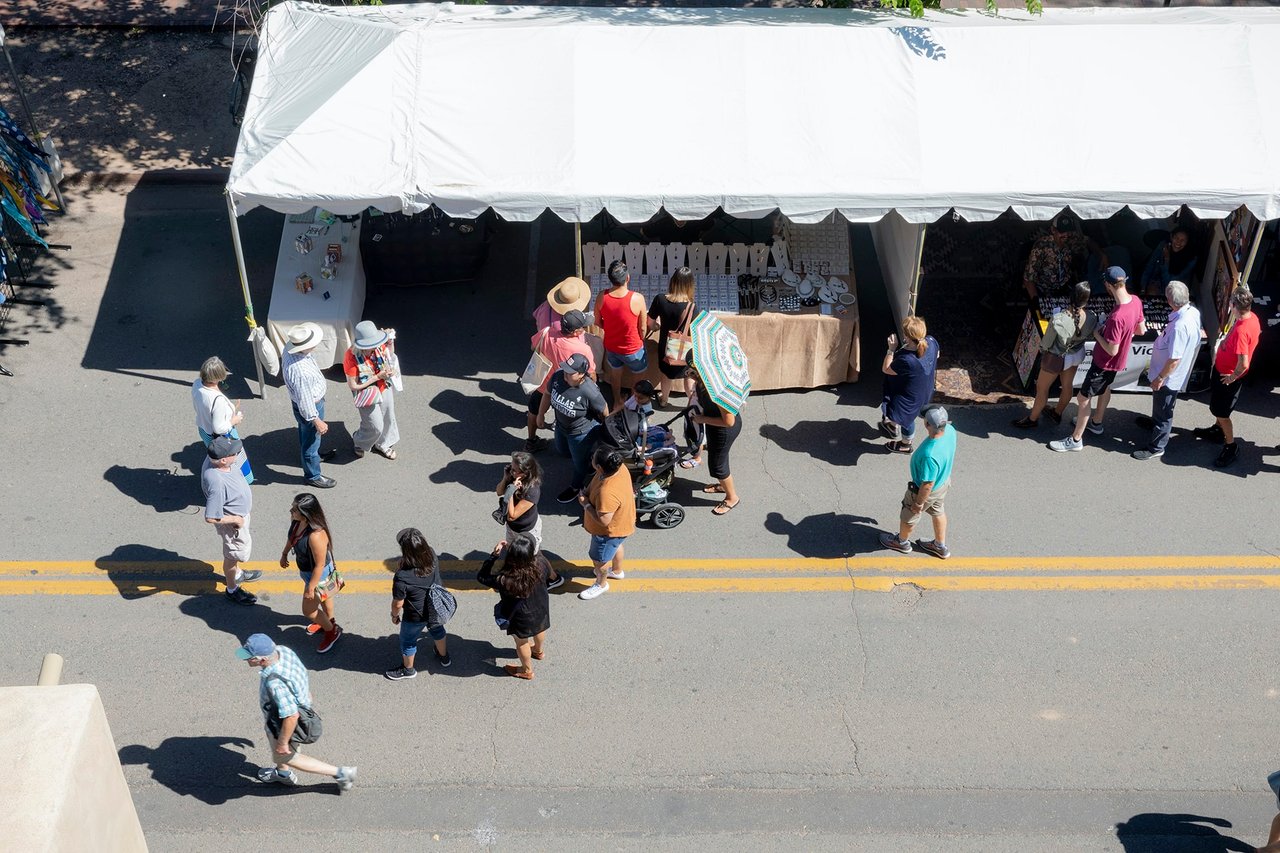
The Railyard Artisan Market adds another recurring layer to the district. Current event information says it features more than 60 local artisans every Sunday year-round from 10 a.m. to 3 p.m., with seasonal Tuesday dates from May through December from 8 a.m. to 1 p.m.
That steady schedule gives the neighborhood a reliable weekend cadence. If you enjoy living in a place where art, handmade goods, and community activity are part of the backdrop, the Railyard delivers that in a very consistent way.
Park and plaza programming
Public space is central to the area’s identity. The city describes the Railyard Park and Plaza as a 13-acre public space used for community events and gatherings, while the Railyard Park Conservancy notes seasonal programming, public art, and family-oriented activities such as community picnics and Sand Play Saturday.
This gives the neighborhood breathing room that is not always easy to find in more built-up areas. It also creates a balance between urban activity and open space, which is a big part of the Railyard’s appeal.
Museums and galleries nearby
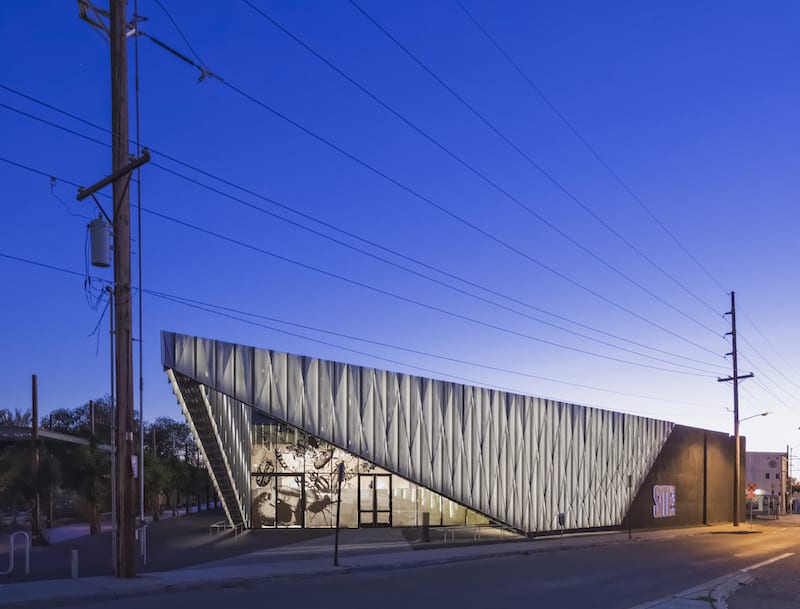
The arts presence here is unusually concentrated. The district includes contemporary galleries and museums such as SITE Santa Fe and the New Mexico Museum of Art’s Vladem Contemporary, and area arts organizations also point to recurring programming like the Last Friday Art Walk and Free Fridays.
El Museo Cultural de Santa Fe is also directly reachable from the depot area on foot, by bus, and by bike. If you want to live near contemporary art and regular cultural programming, few Santa Fe districts offer this kind of close-knit concentration.
Getting Around From the Railyard
For many buyers, one of the Railyard’s biggest advantages is mobility. Compared with many parts of Santa Fe, it offers more ways to get around without relying on your car for every errand or outing.
Rail and bus access
The Railyard is the northern terminus of the New Mexico Rail Runner Express. Rio Metro says the Santa Fe Depot is at 410 S. Guadalupe Street and that the Rail Runner operates seven days a week.
Bus access adds to that convenience. Santa Fe Trails Route 2 serves the depot area, and the city transit system lists Route 2 and Route 4 as daily service, with Route M available as on-demand service seven days a week from 7:00 a.m. to 7:30 p.m.
If you are relocating from a more urban area, this can make the Railyard feel especially practical. You still need to plan around Santa Fe’s scale and schedule, but the transit options here are stronger than in many other local neighborhoods.
Walkability and trail connections
The district is also easy to navigate on foot. Area sources describe key venues as being within walking distance of one another, and Rio Metro notes that attractions such as the Plaza, galleries, museums, restaurants, and shops are within easy walking distance of the depot.
That walkable layout is one reason the Railyard feels distinct from more auto-oriented parts of town. You can move between markets, museums, dining, and open space with less friction, which changes the feel of everyday life.
Parking realities
Parking is available, but it is worth understanding the tradeoff. The city says the Railyard Municipal Garage has 382 spaces, 15 accessible spaces, and nine EV chargers. Railyard surface lots add 317 spaces across several streets.
At the same time, the city’s Multimodal Transition Plan describes the Downtown/Railyard Focus Area as the densest of Santa Fe’s parking areas and the place with the most critical parking challenges because of special events, shopping, dining, and employment. In plain terms, it is possible to live more car-light here, but market mornings and event days still require planning.
How the Railyard Compares With Other Santa Fe Areas
If you are weighing neighborhoods, the Railyard helps to think about Santa Fe in contrasts. Its appeal becomes even clearer when you compare it with the Plaza, Canyon Road, and the Southside.
Railyard vs. Plaza and Downtown
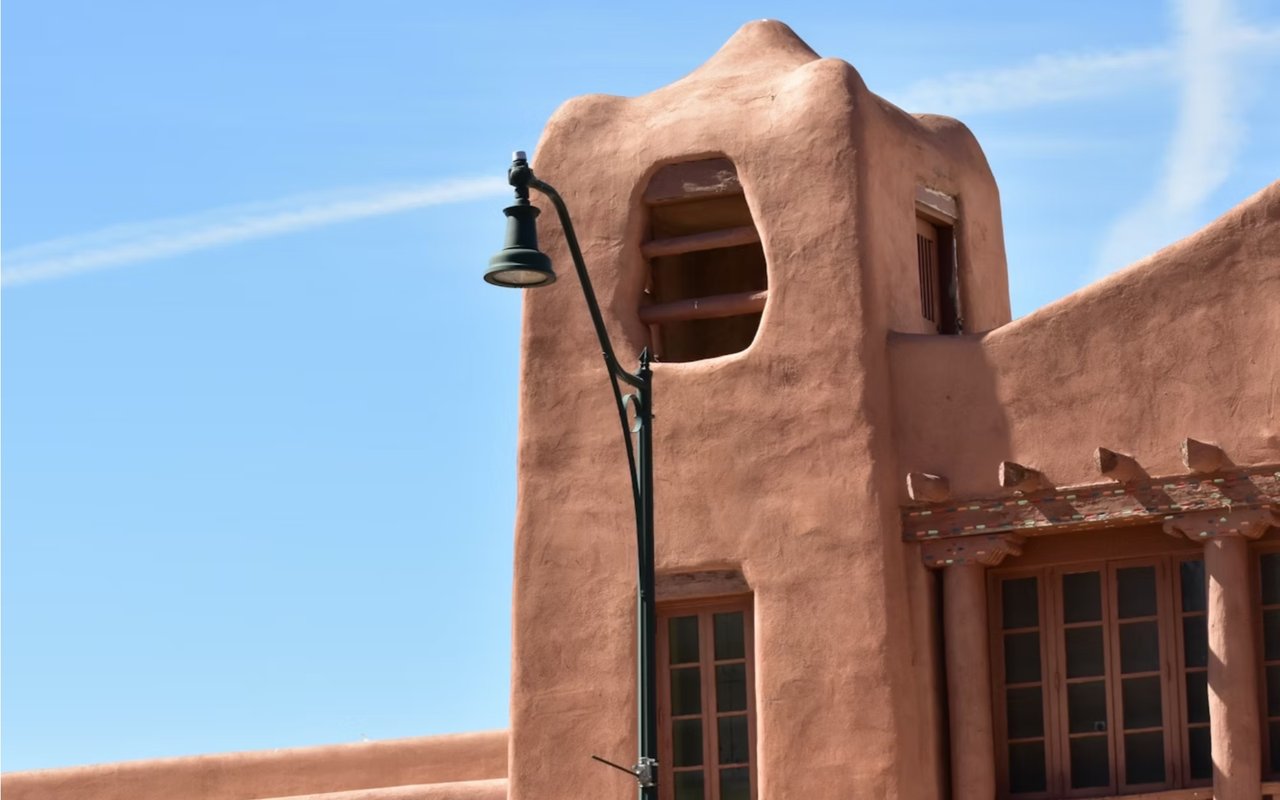
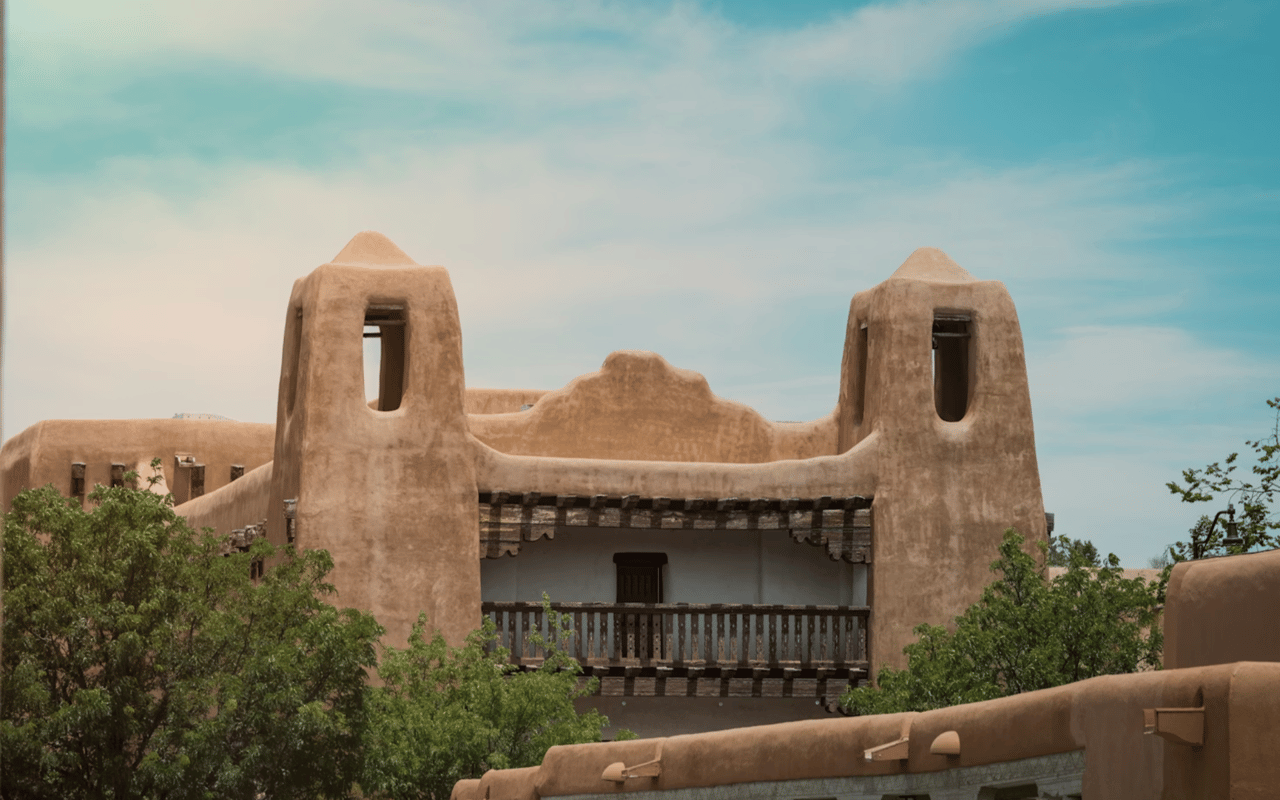
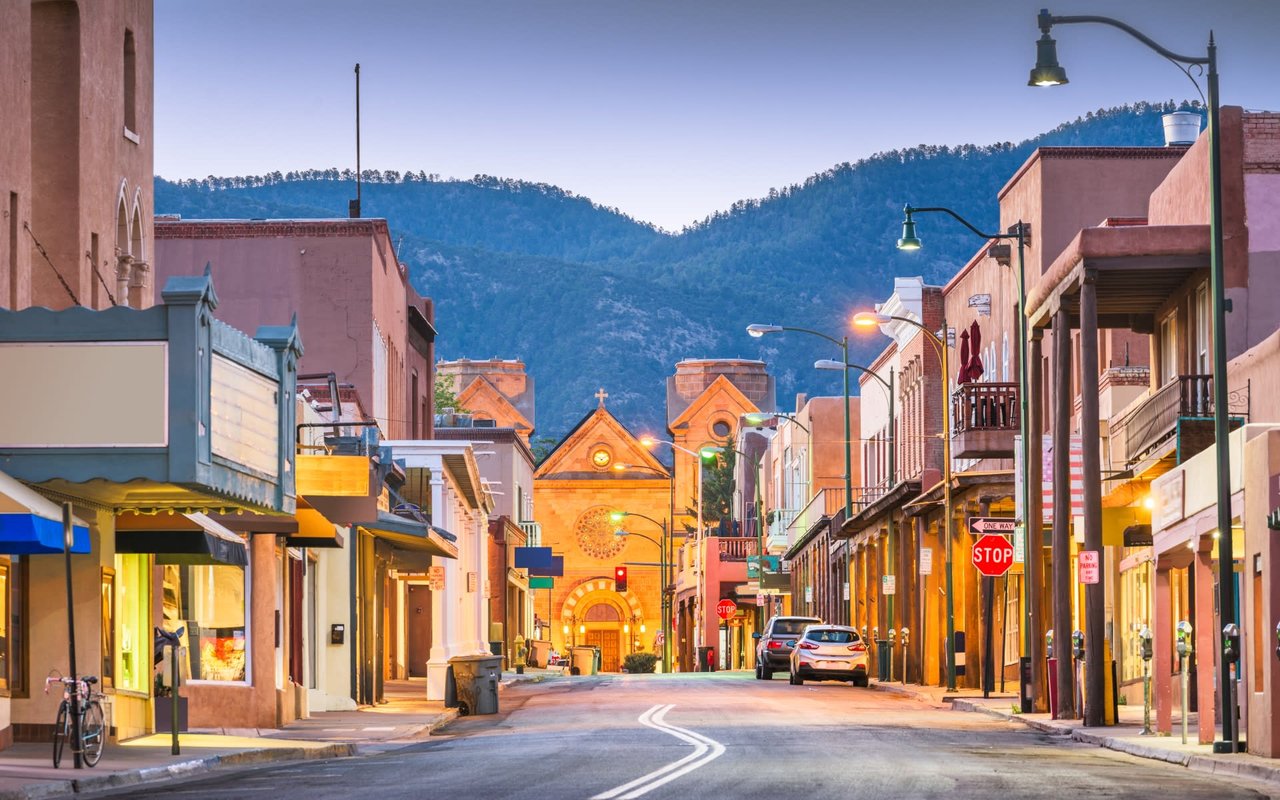
The Plaza and Downtown are Santa Fe’s original city center, with an emphasis on historic architecture, traditional gathering spaces, museums, markets, and hotels. The Railyard feels different because it is rooted in adaptive reuse and more recent redevelopment.
You are still close to downtown, but the experience is visually and functionally distinct. The Railyard sits about seven blocks southwest of the Plaza and feels more contemporary, more mixed-use, and more intentionally shaped around public space, arts programming, and transit.
Railyard vs. Canyon Road
Canyon Road is well known as a half-mile pedestrian-friendly corridor with more than 100 galleries in adobe buildings. It has a strong identity as a gallery street.
The Railyard offers a broader mix of uses. Along with galleries and museums, you have the farmers market, artisan market, rail station, park, plaza, and mixed-use residential development. If Canyon Road feels centered on one iconic experience, the Railyard feels more like a layered neighborhood ecosystem.
Railyard vs. Southside
Tourism Santa Fe describes the Southside as a more residential area with Cerrillos Road as a main corridor, along with grocery chains, restaurants, trails, and airport access. That points to a broader, more auto-oriented residential pattern.
The Railyard is more compact and central. If you want a smaller, denser district with arts, transit, and public gathering spaces woven into daily life, the Railyard offers a very different experience.
Who the Railyard Fits Best
The Railyard tends to appeal to buyers who want Santa Fe character with a more urban, connected feel. It can be especially attractive if you value contemporary art, easy access to cultural venues, and a neighborhood where public space plays a meaningful role in day-to-day living.
It may also suit second-home buyers and relocators who want to be close to downtown without being in the historic core itself. The district offers a live-work pattern, walkable amenities, and a more modern neighborhood structure that can feel familiar to buyers coming from larger cities.
At the same time, it helps to be honest about the tradeoffs. This is an active district with events, visitors, and periodic parking pressure. If you prefer a quieter, more purely residential setting, another part of Santa Fe may be a better fit.
What to Keep in Mind Before You Buy
When you tour homes in or near the Railyard, pay attention to how the block feels at different times of day. A weekday afternoon, a Saturday market morning, and an evening during programming can give you three very different impressions.
You should also think about how you want to move through the city. If rail access, bus service, walkability, and proximity to galleries and museums matter to you, the Railyard checks a lot of boxes. If easy parking and a quieter rhythm matter more, that is worth weighing carefully.
The good news is that the Railyard is not hard to understand once you see it in person. Its value is less about a single landmark and more about the way transit, art, markets, housing, and open space all come together.
If you are considering a move in Santa Fe and want a neighborhood with a strong sense of place, the Railyard is worth a close look. The Ricky Allen-Tara Earley Real Estate Group can help you explore Railyard properties and compare them with other Santa Fe neighborhoods so you can find the right fit for your lifestyle.
FAQs
What is the Santa Fe Railyard known for?
- The Santa Fe Railyard is known for its mixed-use layout, farmers market, artisan market, galleries, museums, rail depot, and the 13-acre Railyard Park and Plaza.
Is the Santa Fe Railyard walkable?
- Yes. District sources say venues are within walking distance of one another, and the depot area is within easy walking distance of attractions such as the Plaza, galleries, museums, restaurants, and shops.
Can you live in the Santa Fe Railyard without using a car every day?
- In many cases, yes. The area has Rail Runner service, bus connections, walkable destinations, and trail access, although event days and market mornings can still make parking and traffic more challenging.
How close is the Santa Fe Railyard to the Plaza?
- The arts-district source places the galleries about seven blocks southwest of the Plaza, which makes the Railyard feel close to downtown while still having its own distinct identity.
Is the Santa Fe Railyard only for visitors?
- No. Planning sources and current mixed-use buildings show that the district was designed to include housing and live-work uses, making it a true neighborhood as well as a destination.
How is the Santa Fe Railyard different from Canyon Road?
- Canyon Road is more focused on its gallery corridor, while the Railyard combines galleries and museums with markets, public open space, transit access, and mixed-use residential development.