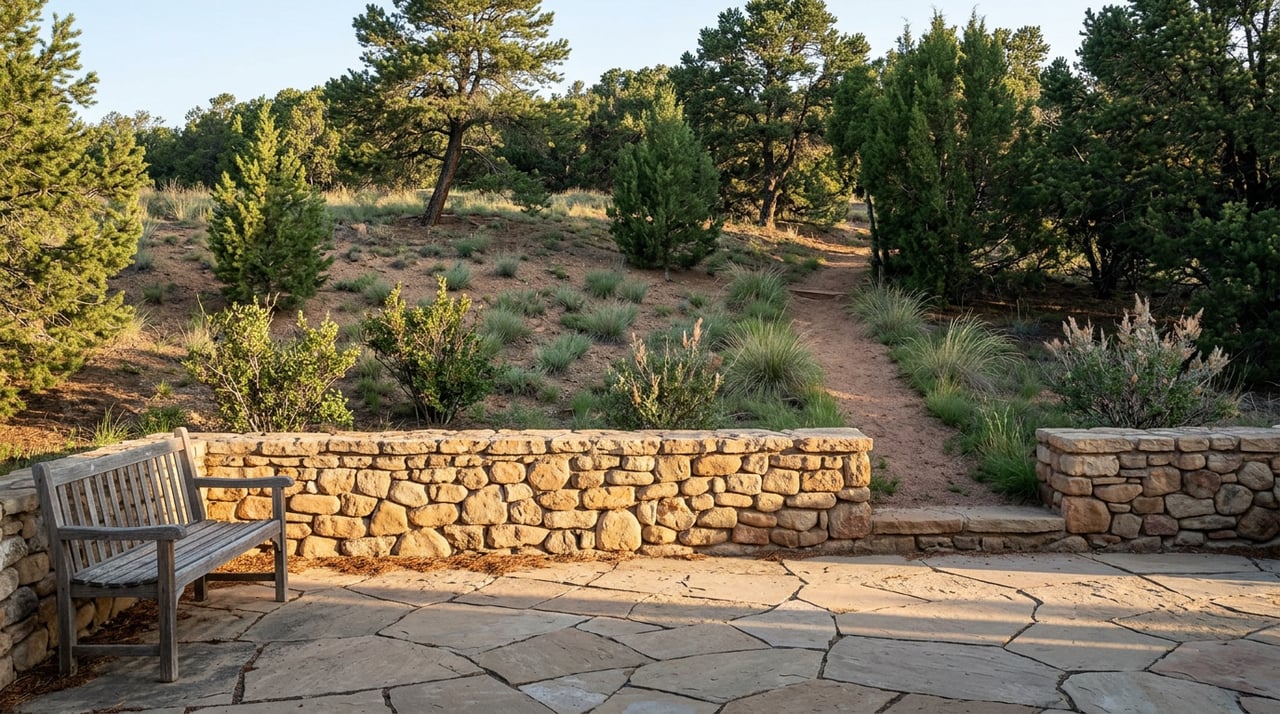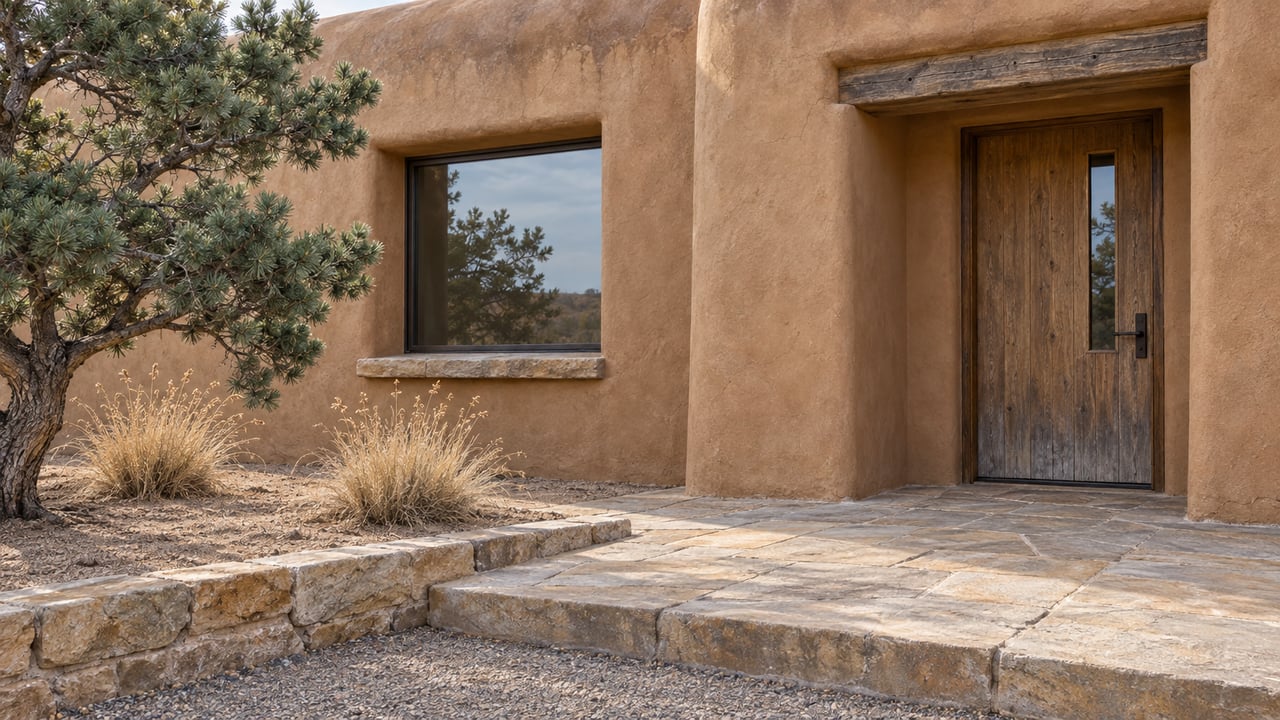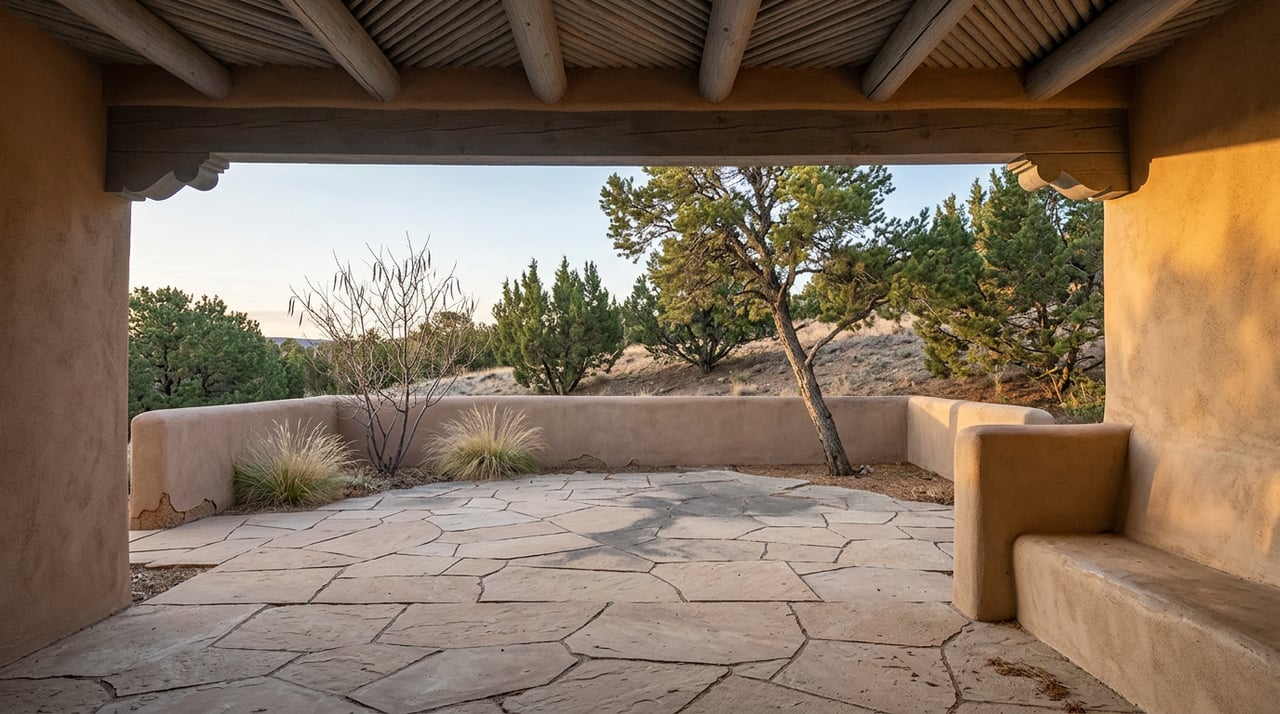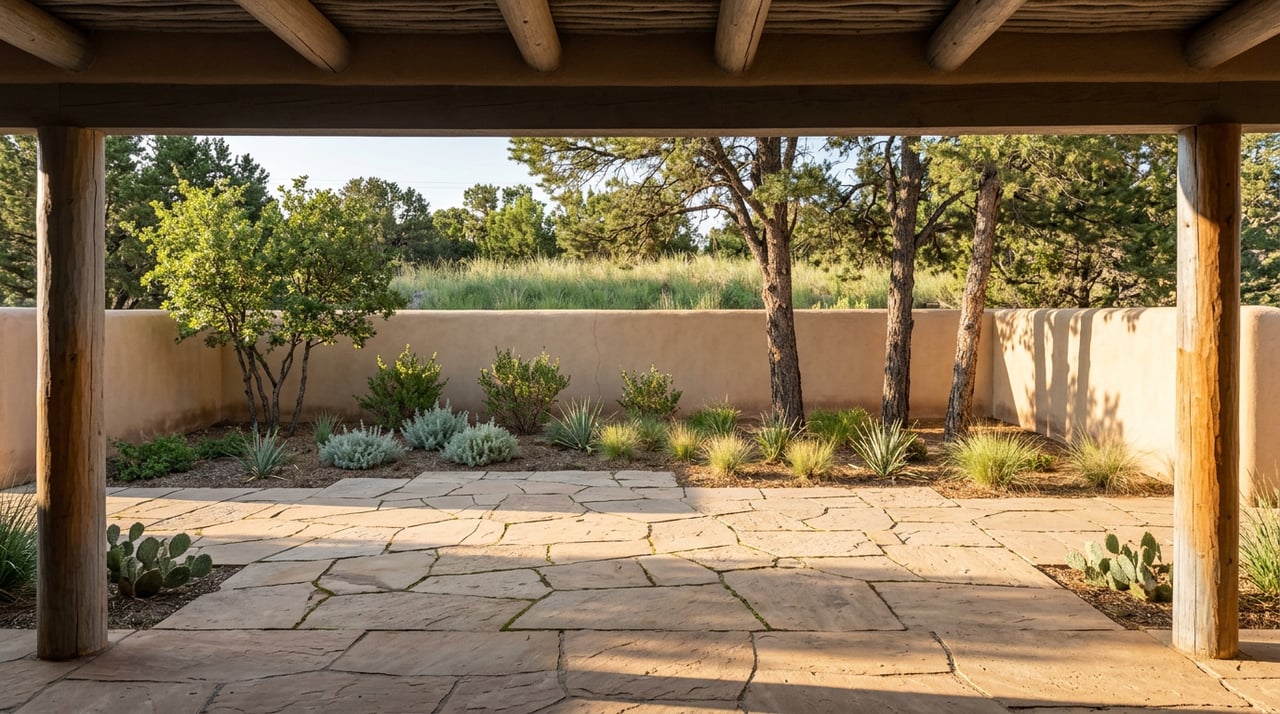
If you picture Santa Fe as a place where art and daily life naturally blend, Canyon Road is where that idea feels most real. For many buyers, the appeal is easy to understand: historic adobe architecture, gallery-filled strolls, and a street culture that turns an ordinary afternoon into something memorable. If you are wondering what it is actually like to live here, this guide will help you understand the rhythm, benefits, and trade-offs of Canyon Road living. Let’s dive in.
Why Canyon Road Stands Apart
Canyon Road is more than a well-known arts corridor. According to the City of Santa Fe, it traces back to a 13th-century footpath that once connected the Pueblo village beneath Santa Fe to the Sangre de Cristo Mountains. Over time, it evolved from a route serving farming communities into a place shaped by art, dining, tourism, and residential life.
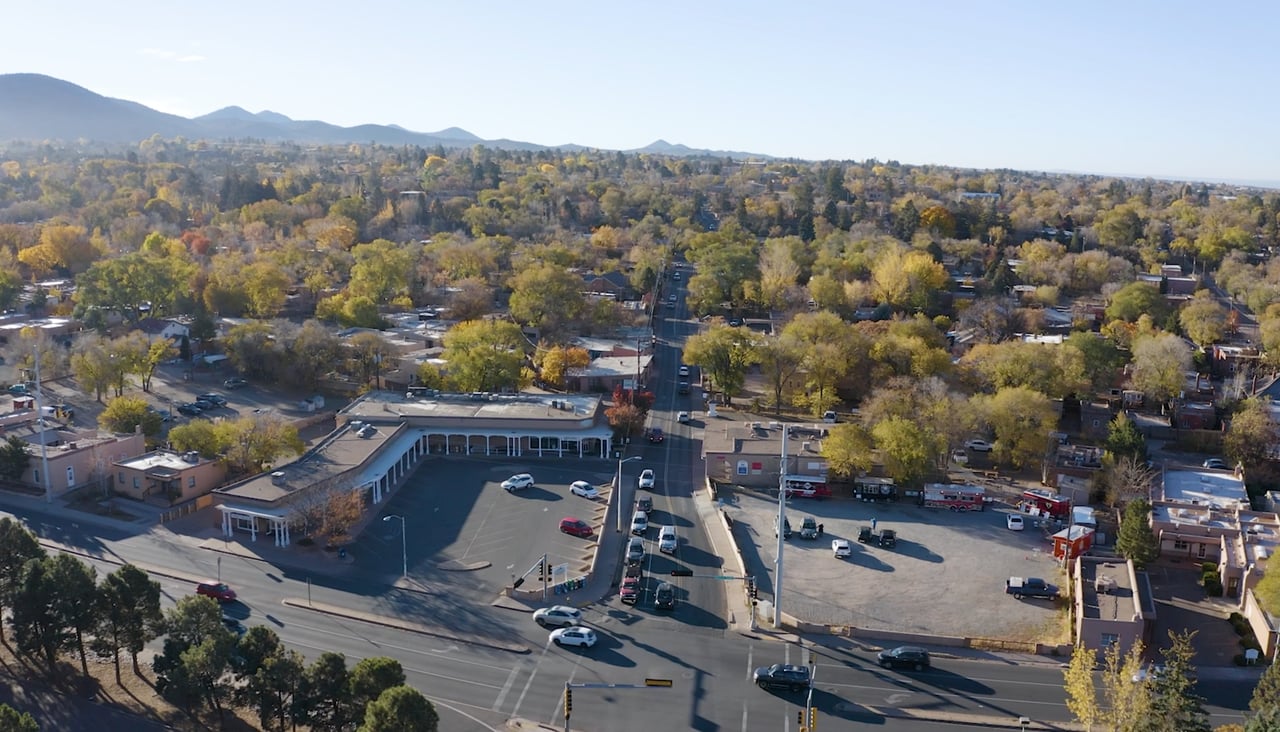
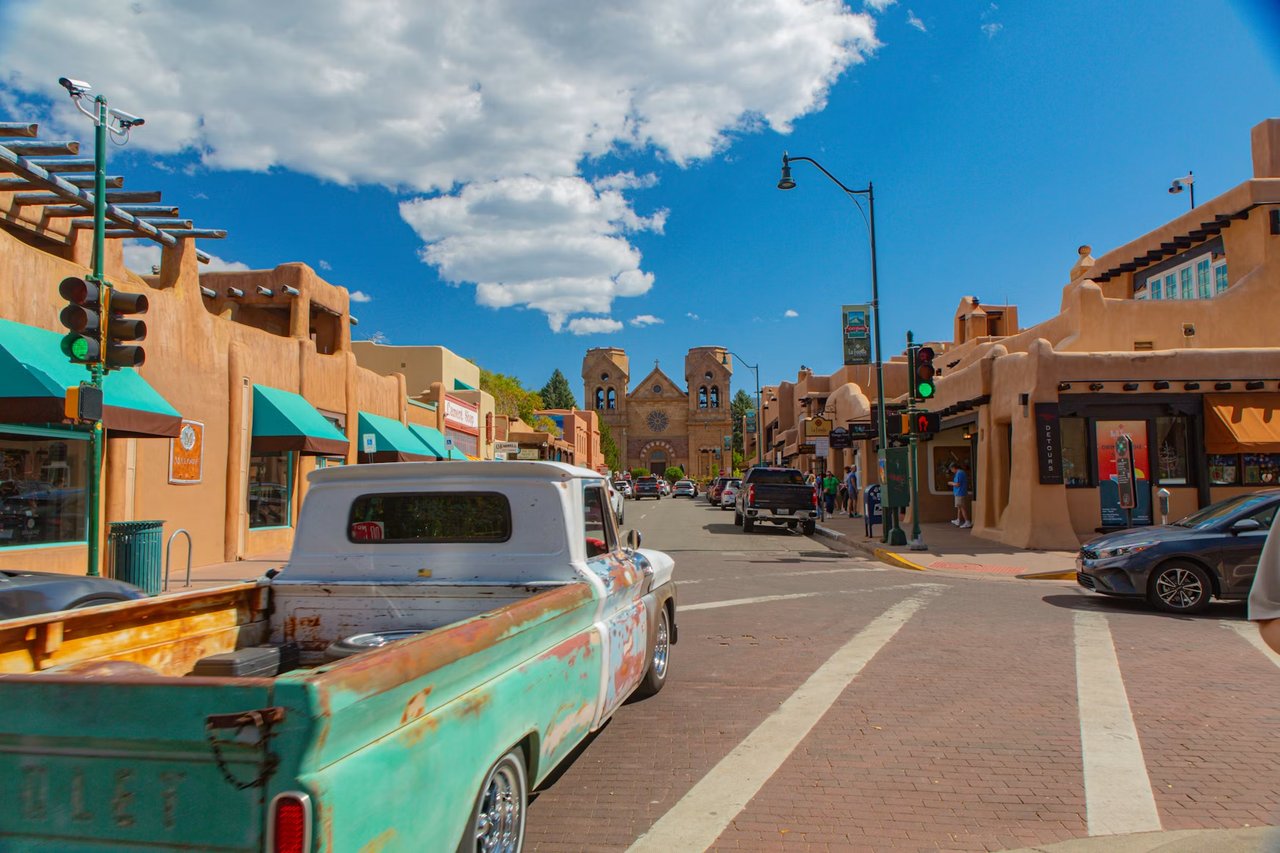
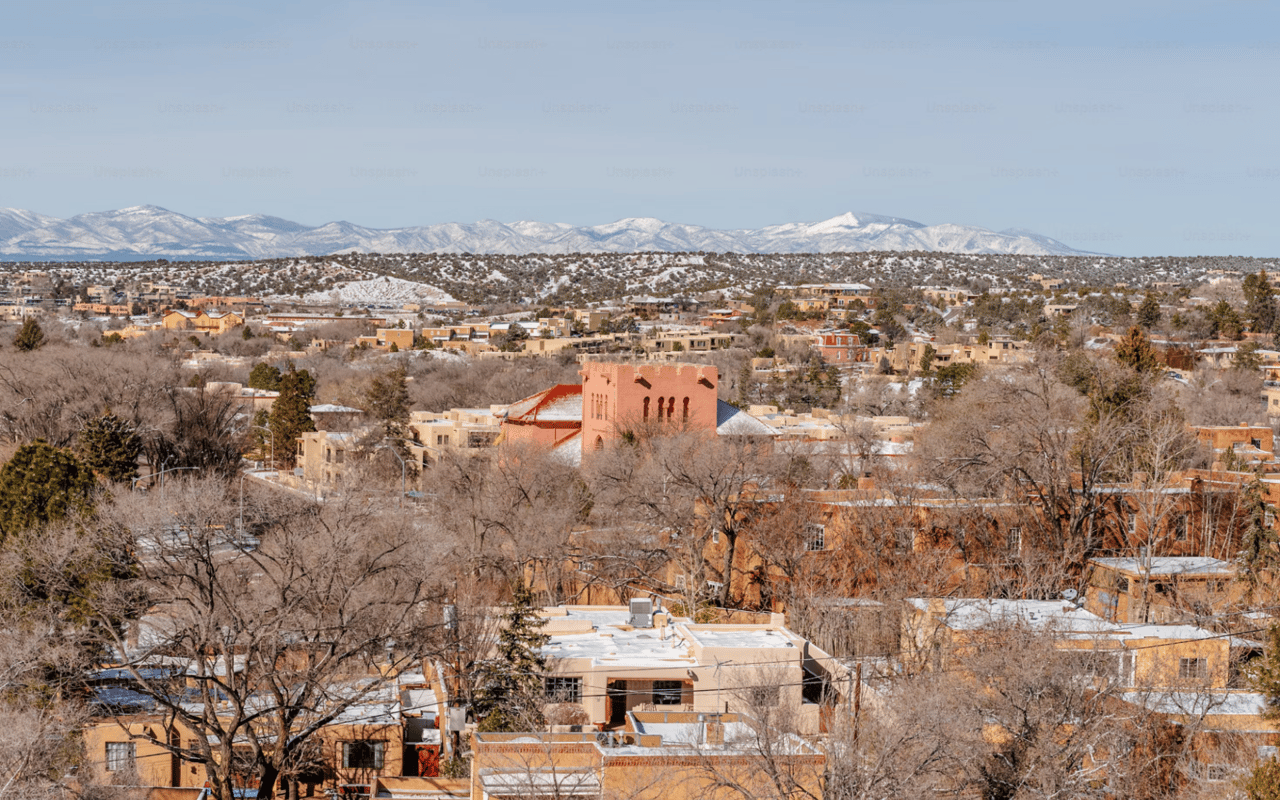
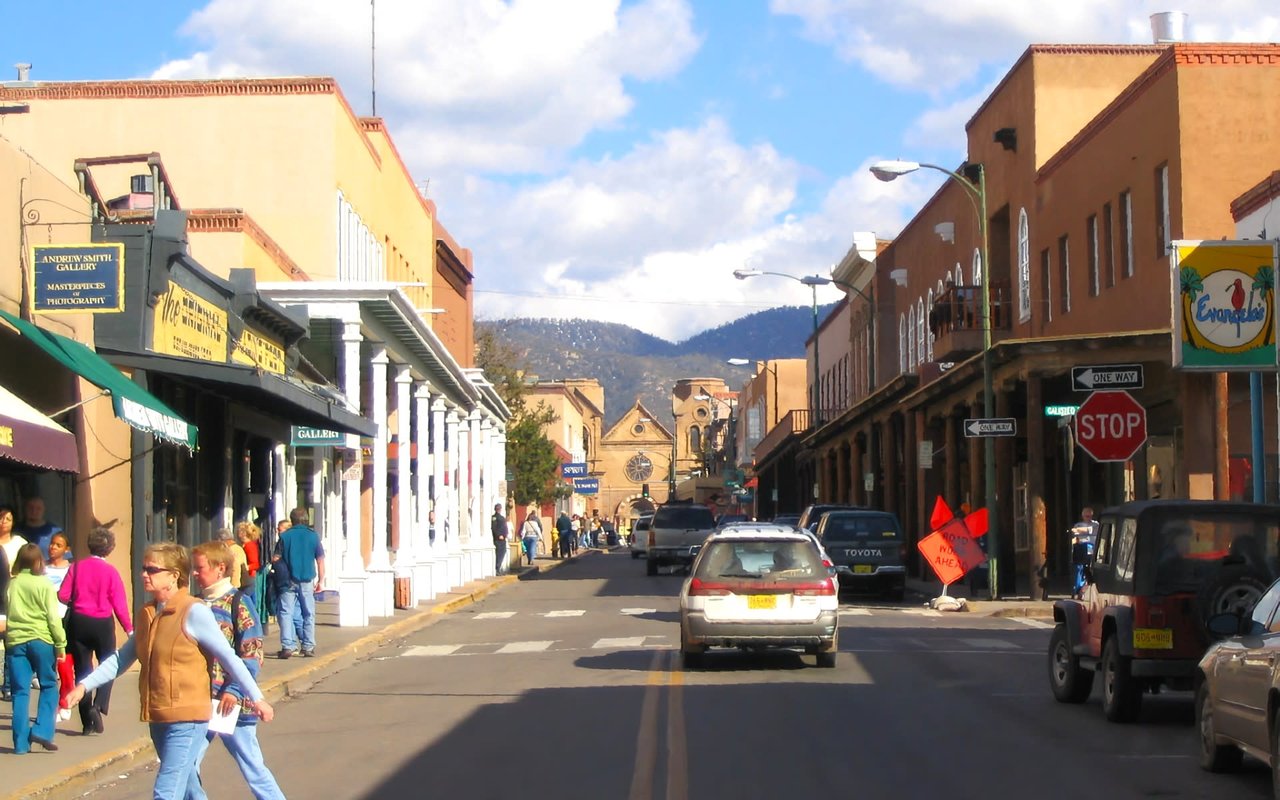
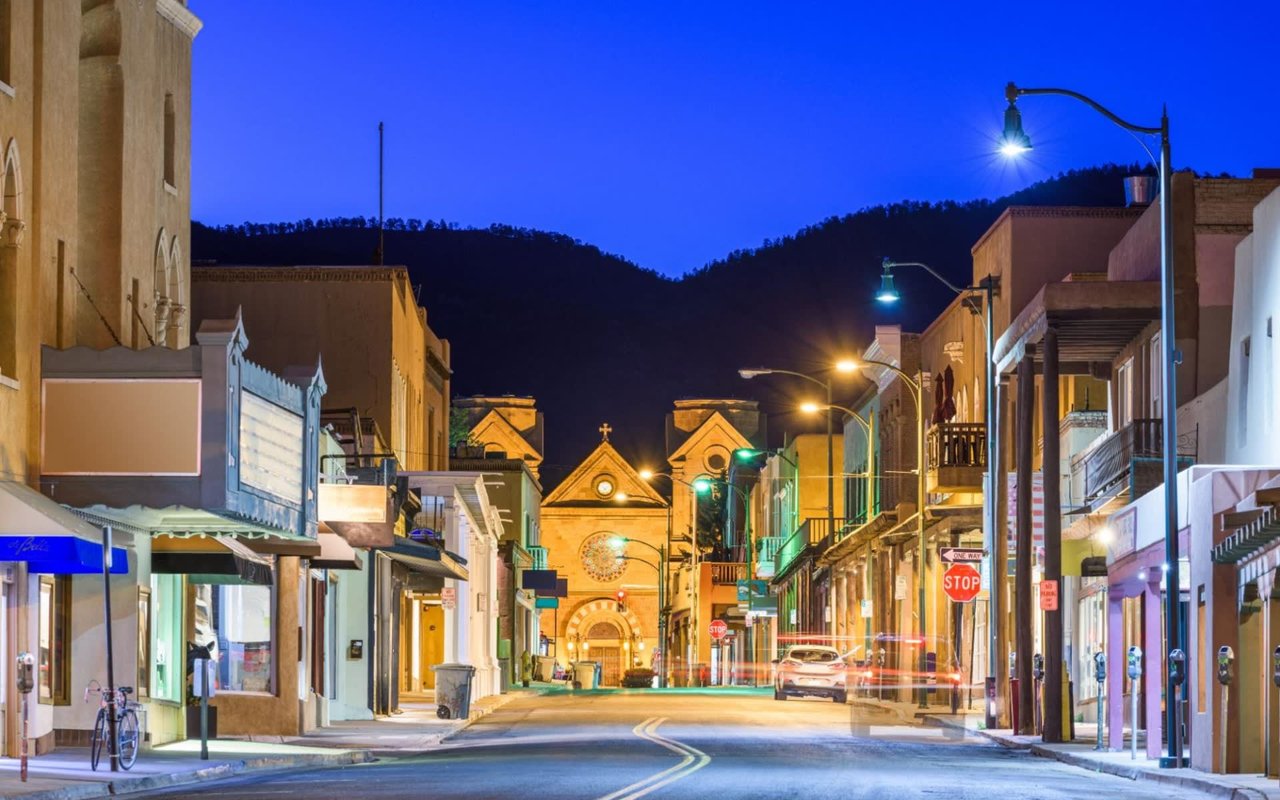
That layered history still shows up in the experience of the street today. Tourism Santa Fe describes Canyon Road as a half-mile, tree-lined, pedestrian-friendly street in the historic district. What makes it unusual is that it was once entirely residential, and even now, private homes still exist alongside galleries, shops, and restaurants.
What Living on Canyon Road Feels Like
The simplest way to describe Canyon Road is this: it is a lifestyle corridor with residential pockets. If you want a quiet, car-centered setting with broad setbacks and a more separated feel, this area may not match that vision. If you want walkability, architectural character, and a strong connection to Santa Fe’s creative identity, Canyon Road offers one of the clearest versions of that lifestyle.
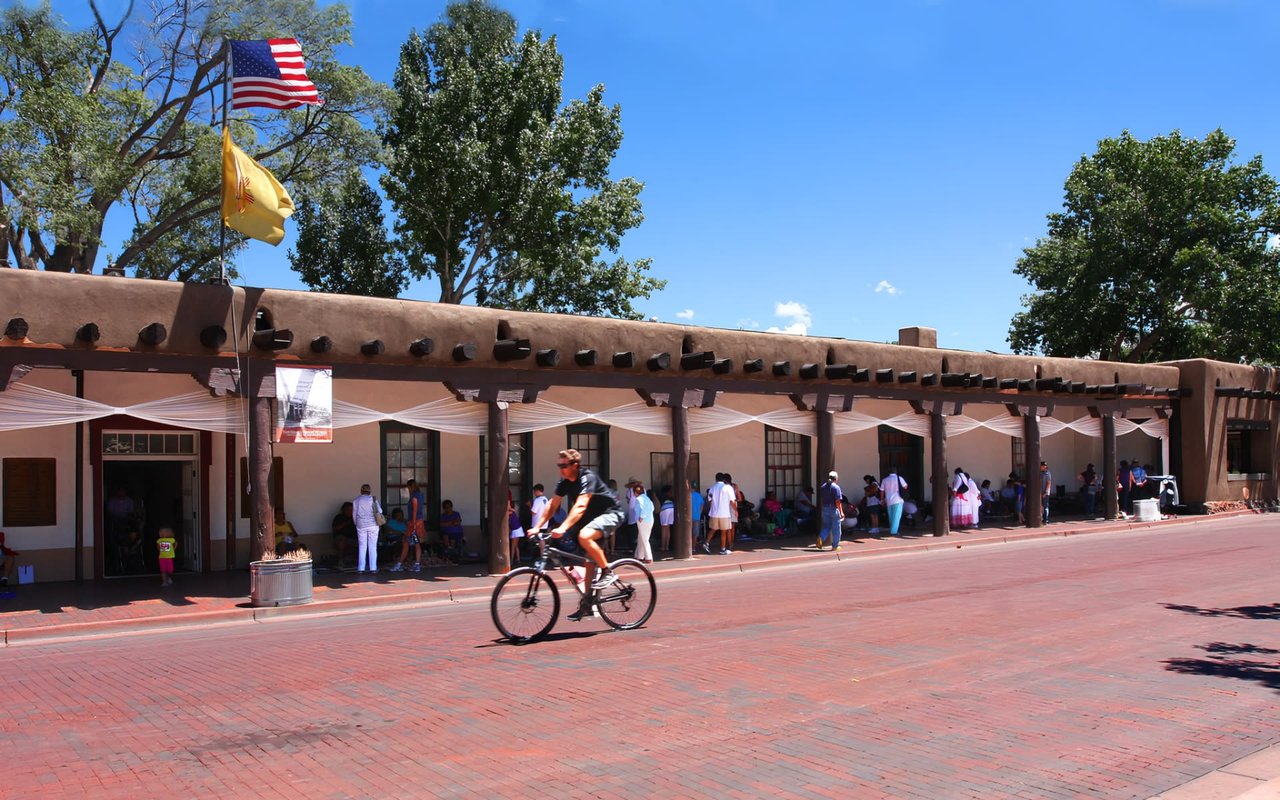
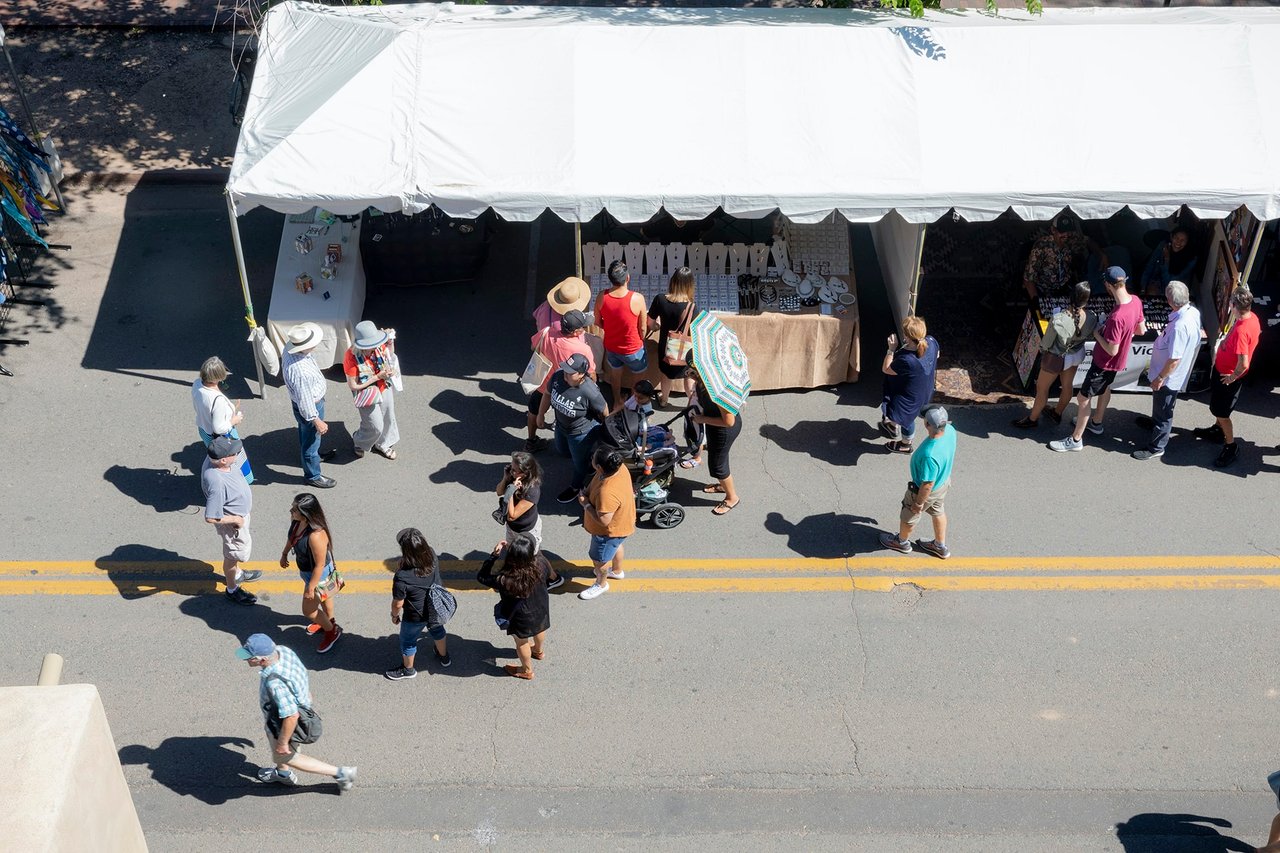
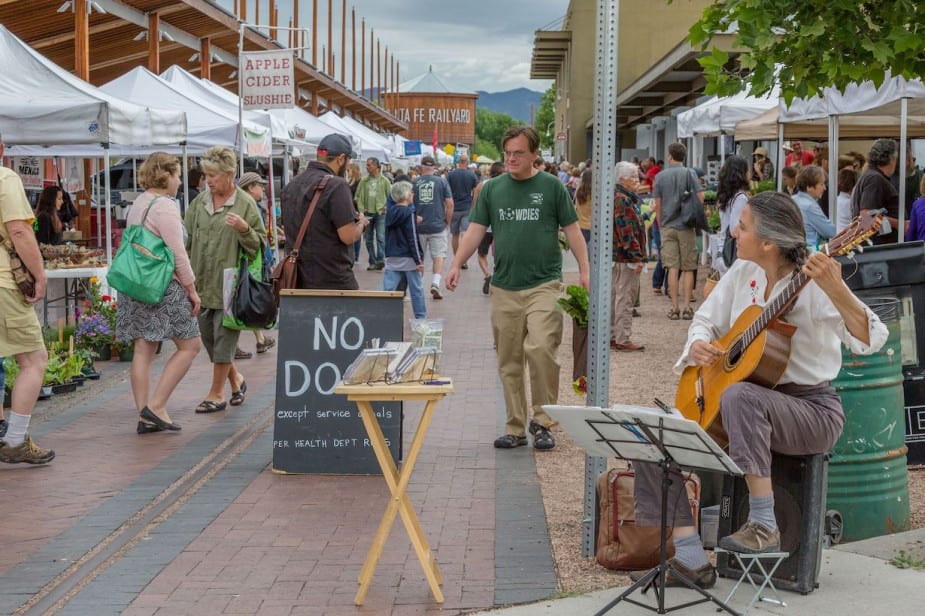
Daily life here tends to be pedestrian and visually rich. You can step outside to a street known for its exceptional concentration of galleries, then continue on to dining, casual stops, or nearby green space. That creates a rhythm that feels different from many other residential areas in Santa Fe.
A Street With Constant Visual Energy
Official sources count Canyon Road’s businesses a little differently, but they agree on one thing: the art concentration is remarkable. Tourism Santa Fe refers to it as the highest-density gallery area in the United States with 100-plus galleries, while other official and district sources cite more than 80 galleries, studios, and designers, or more than 130 galleries, boutiques, and restaurants along a seven-city-block stretch.
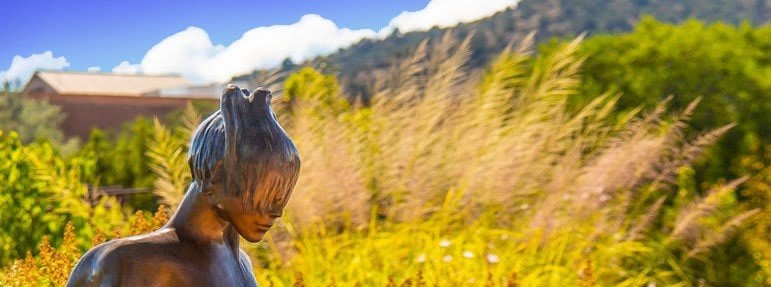
For you as a resident, that means art is not an occasional outing. It becomes part of your regular environment. Window displays, gallery openings, artist demonstrations, and conversations around creative work are woven into the day-to-day identity of the street.
Walkability With Historic Character
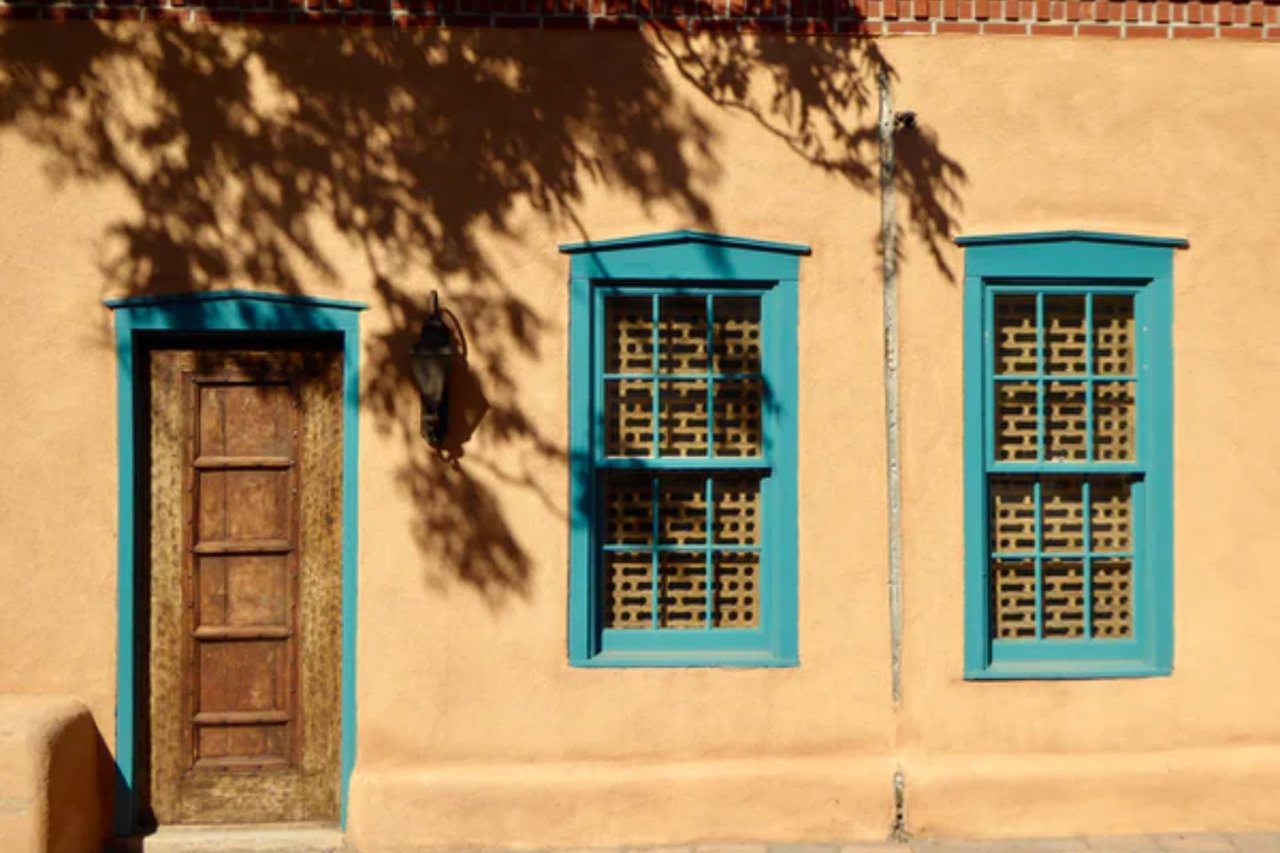
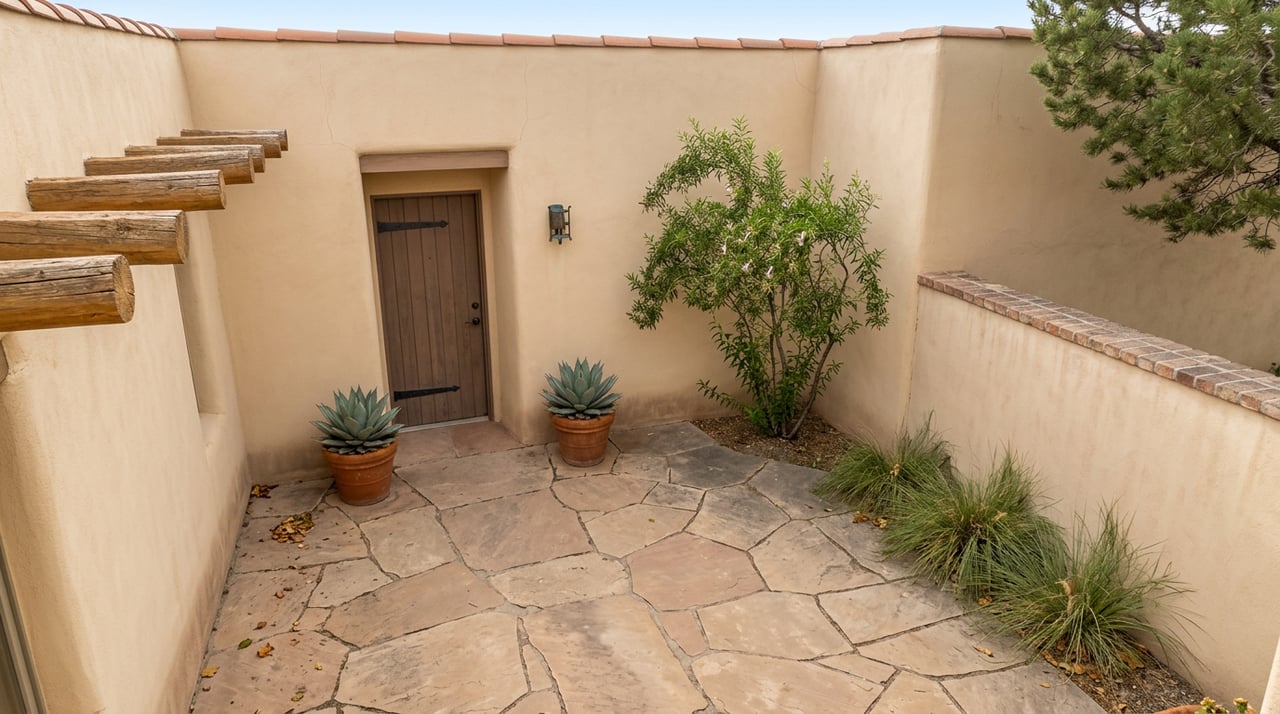
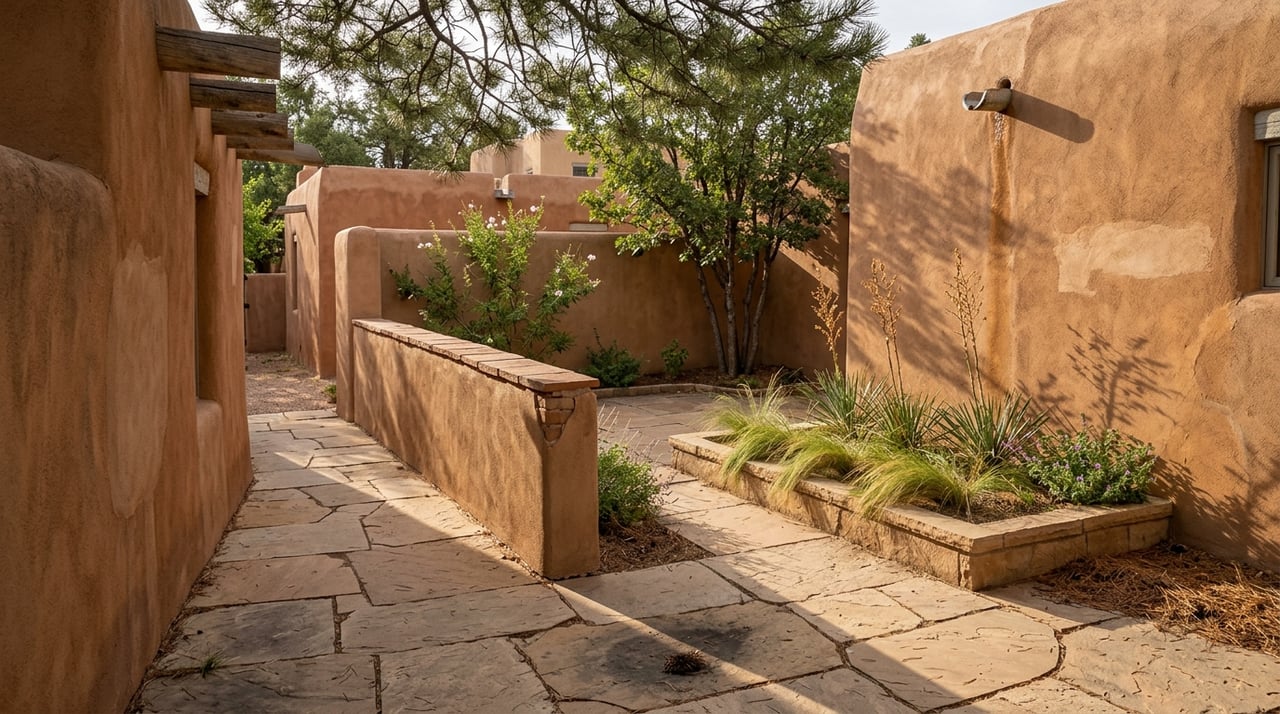
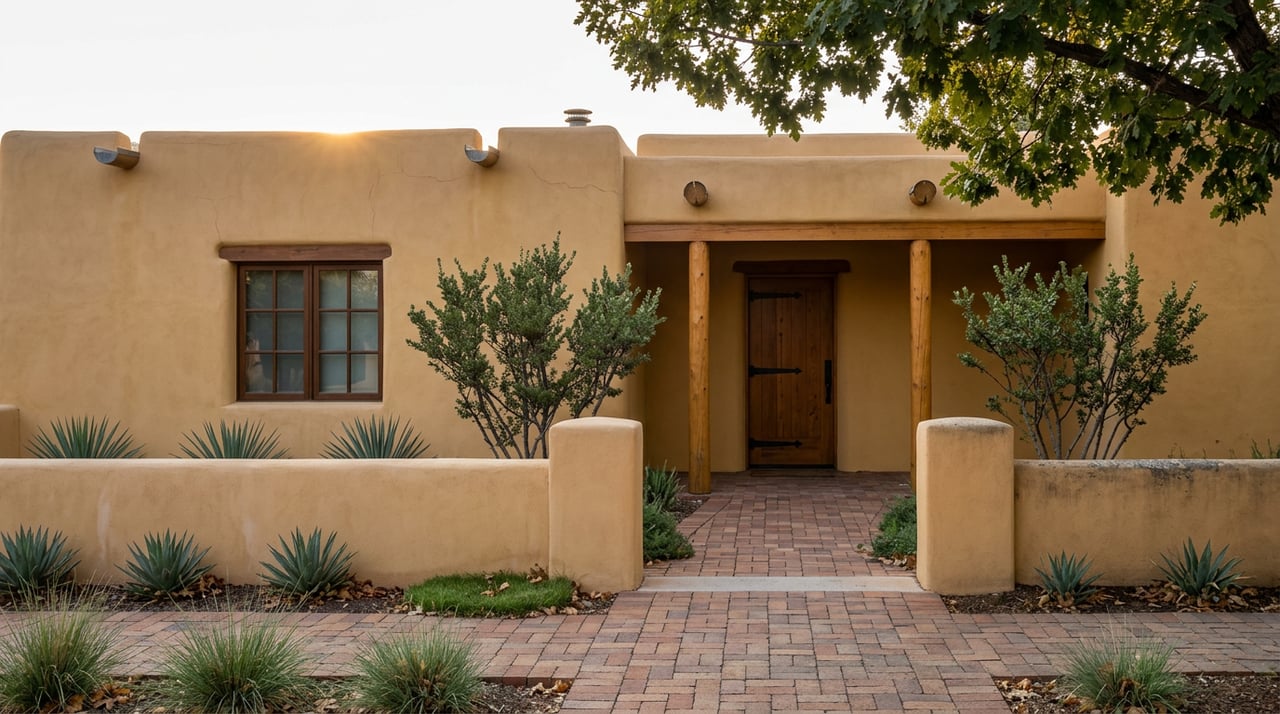
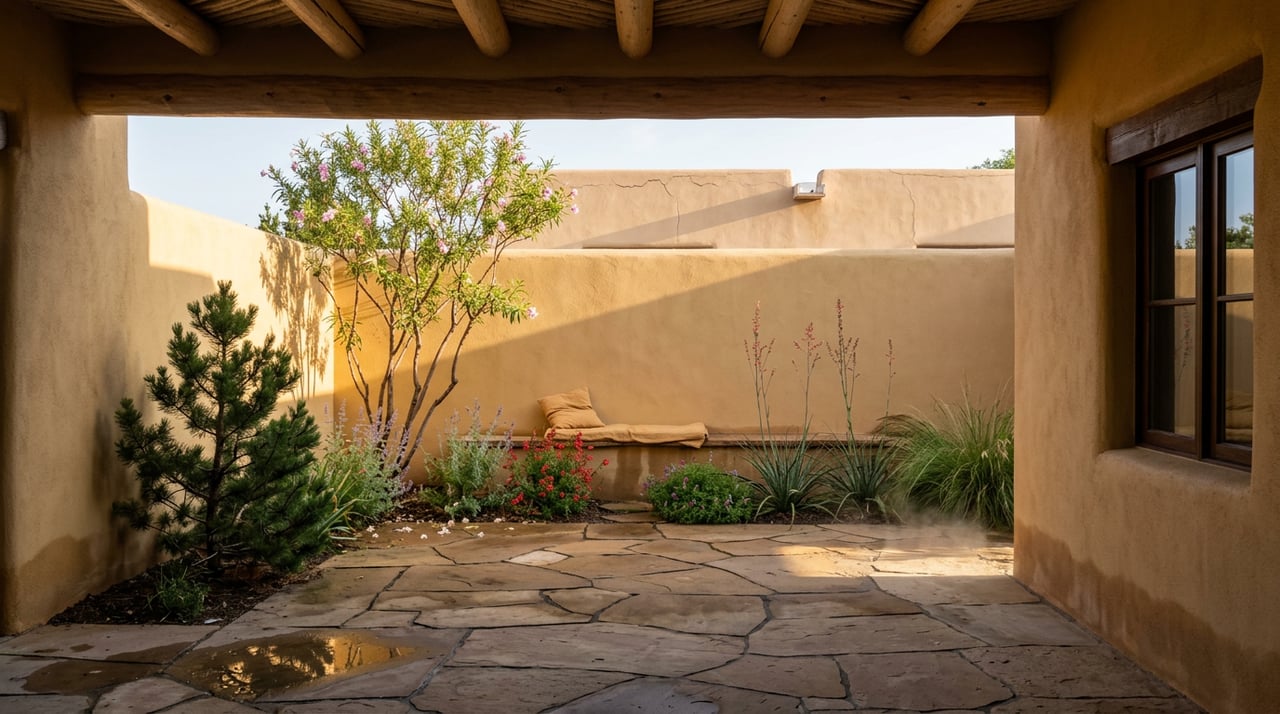
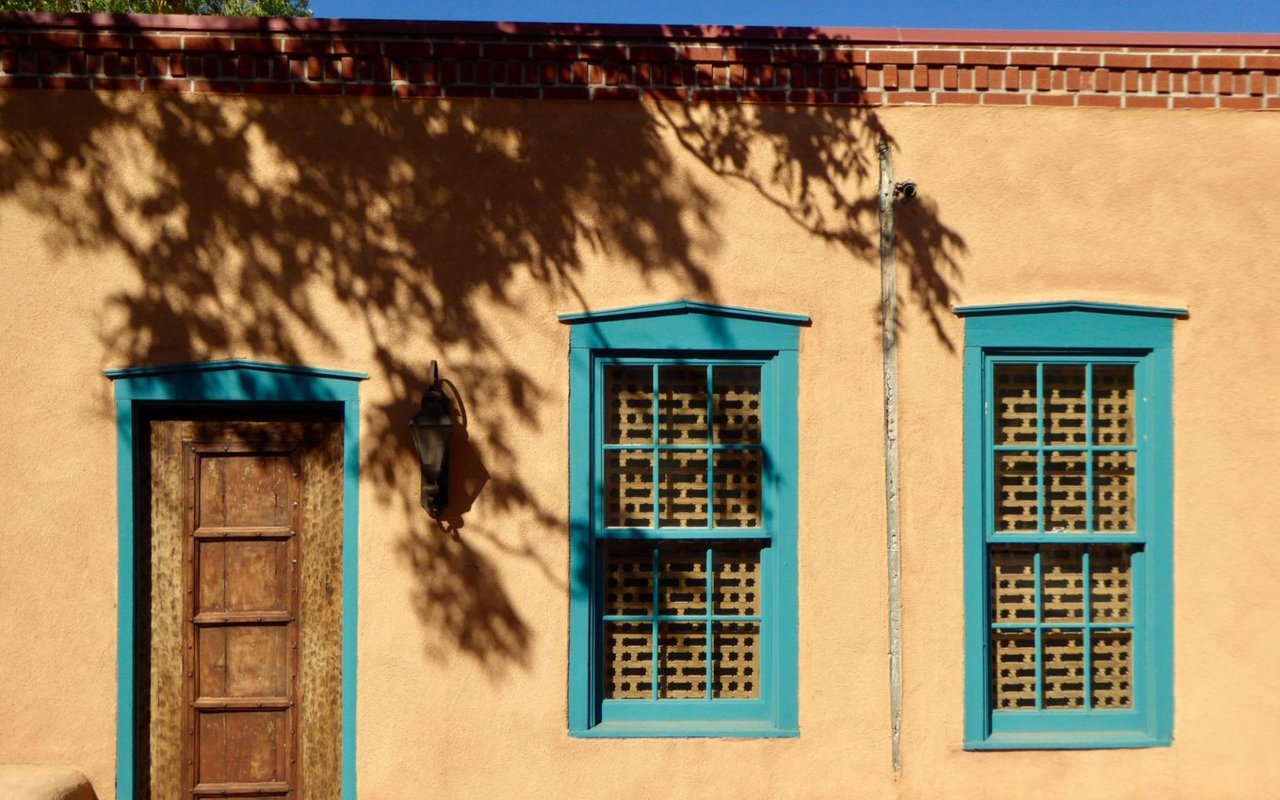
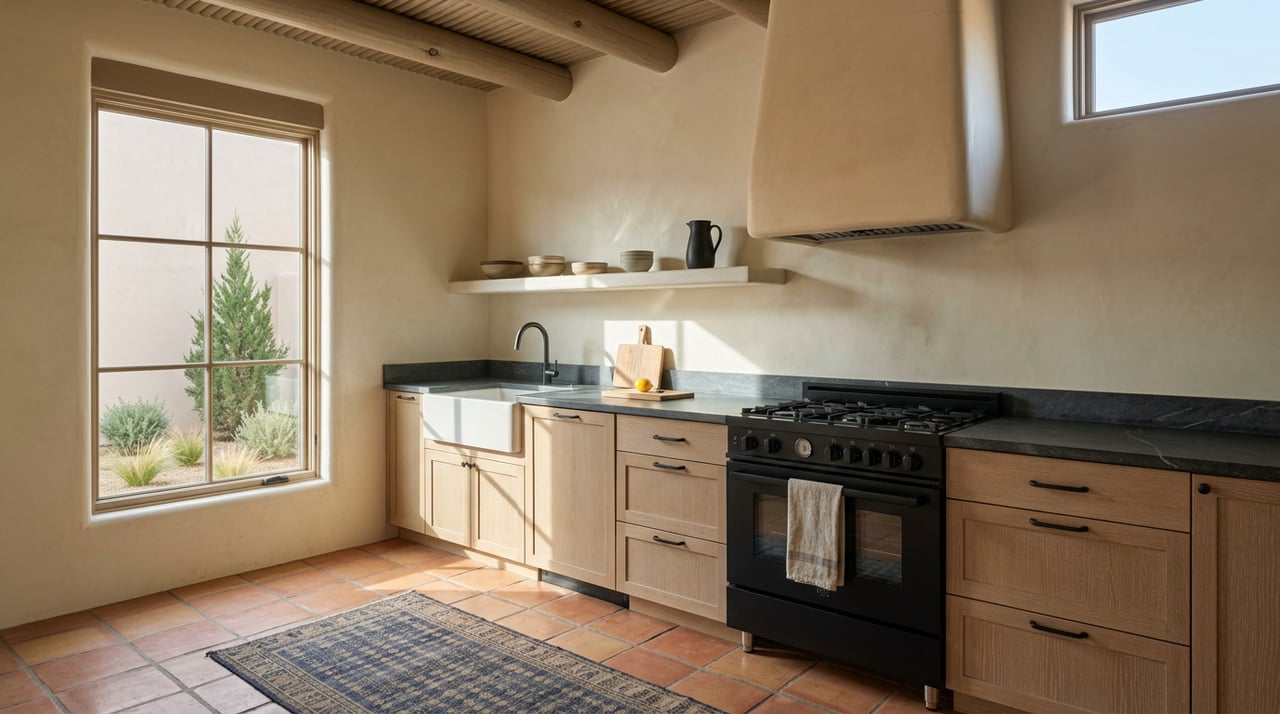
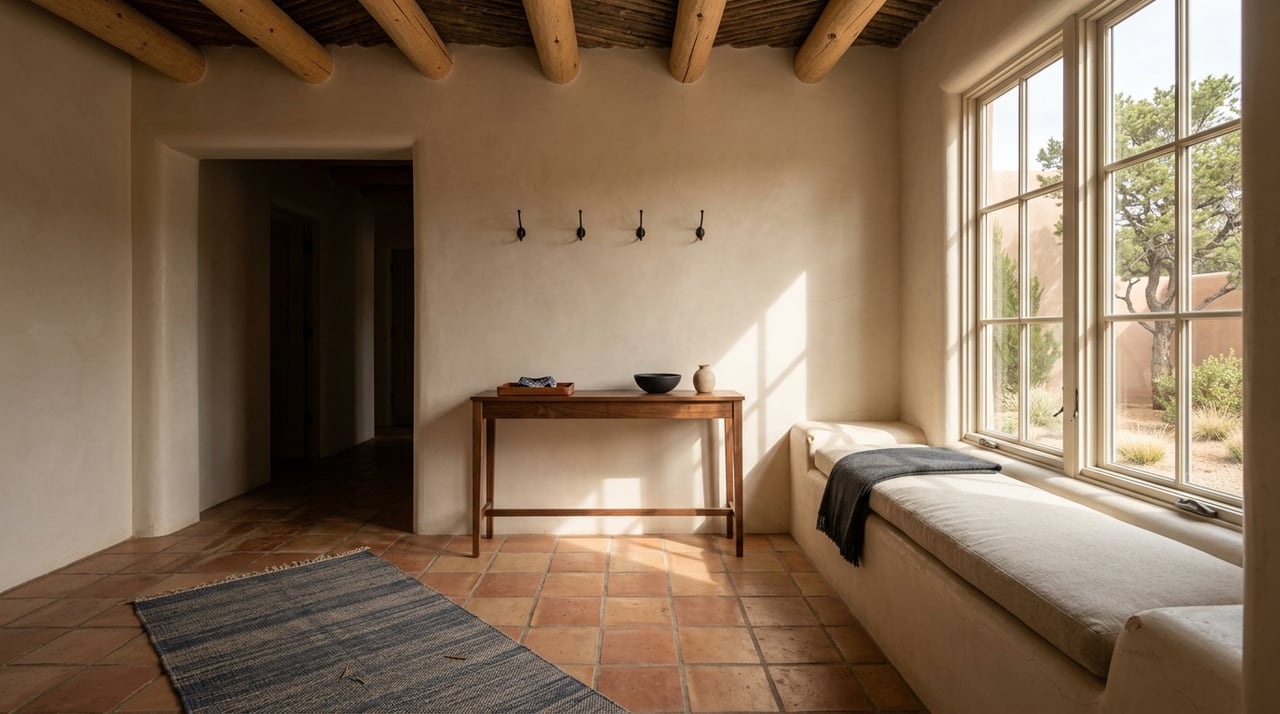
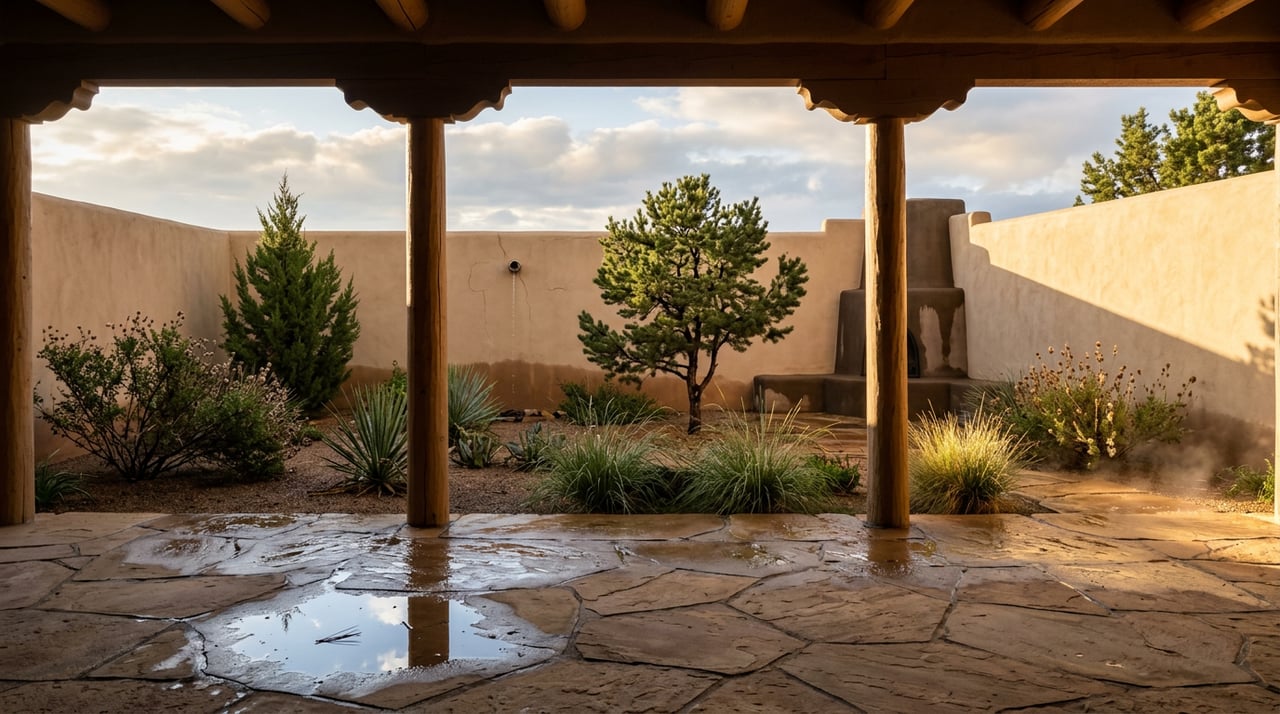
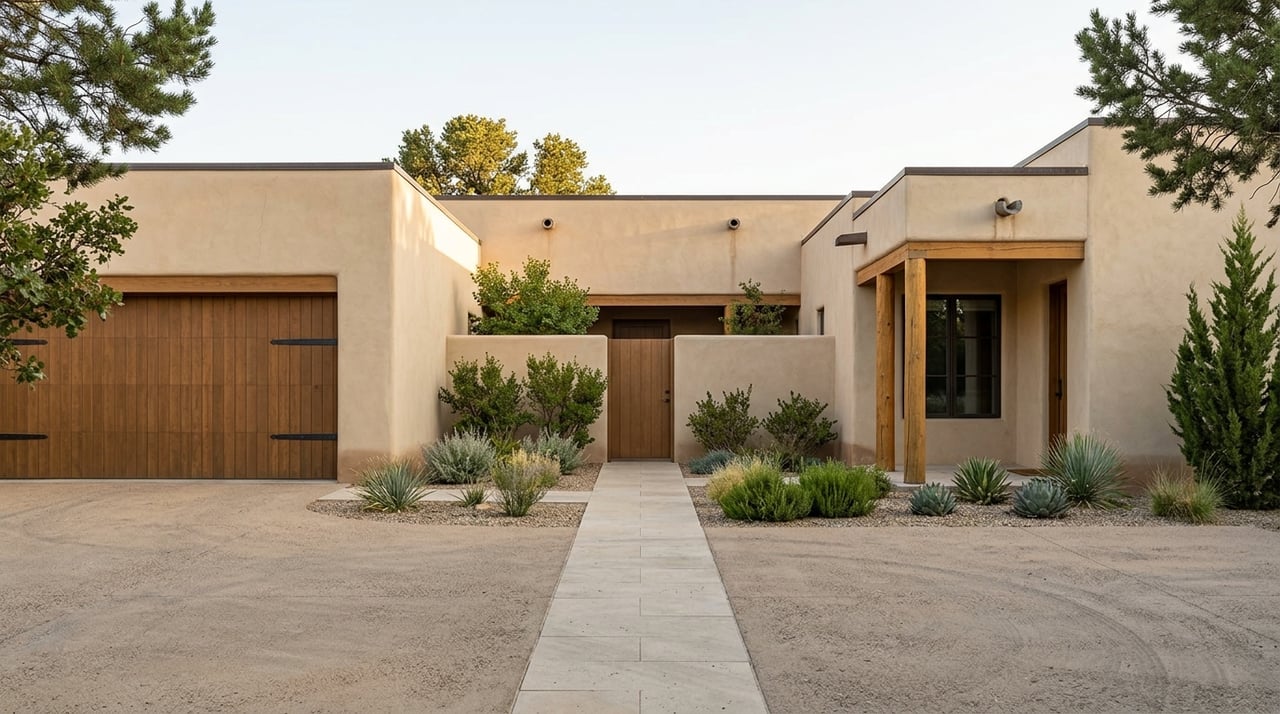
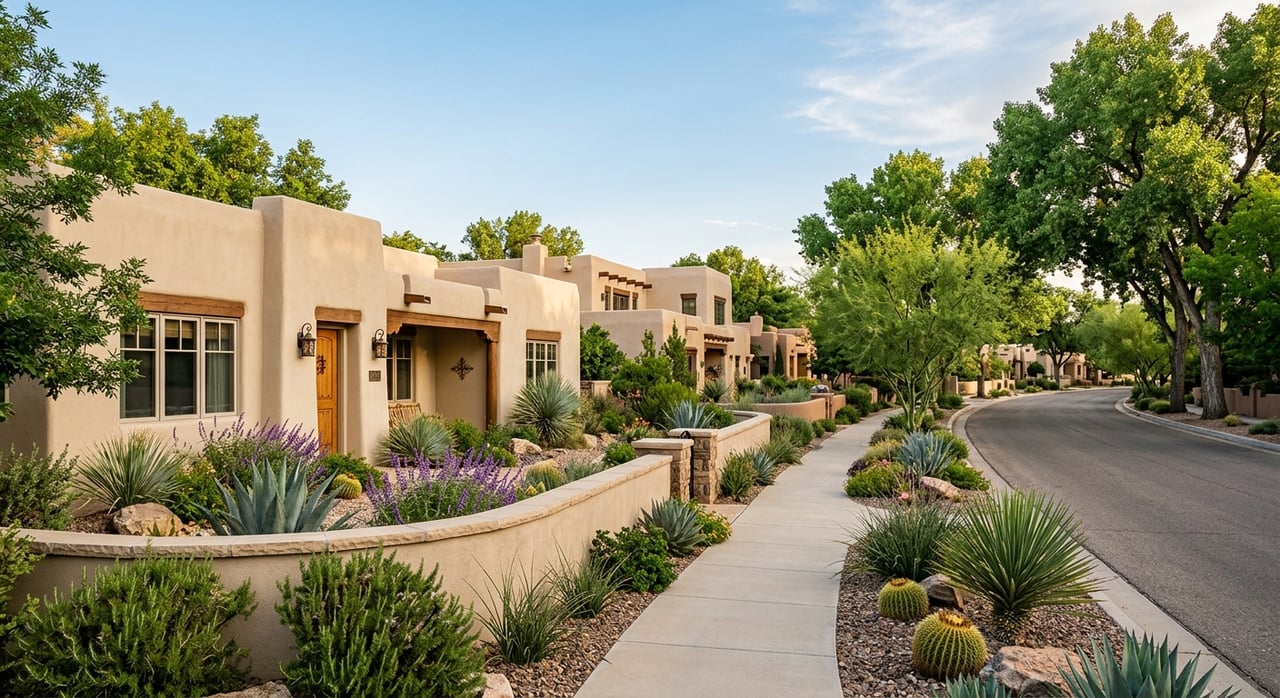
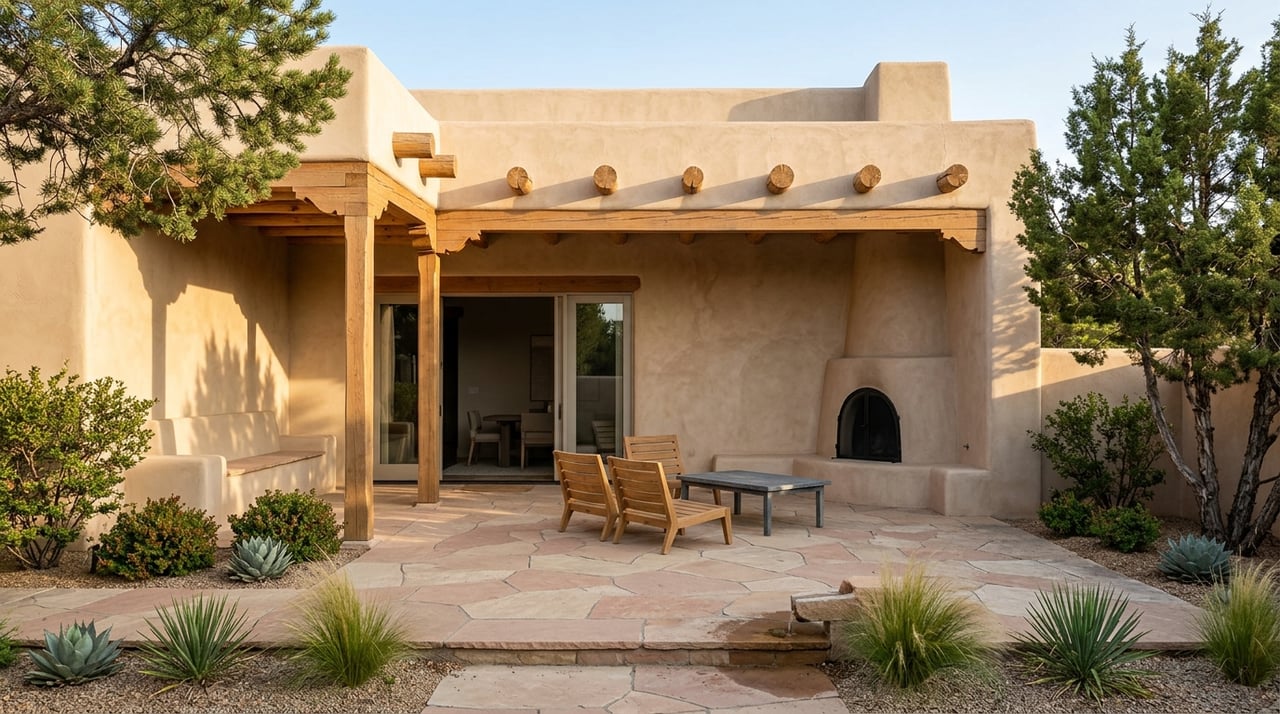
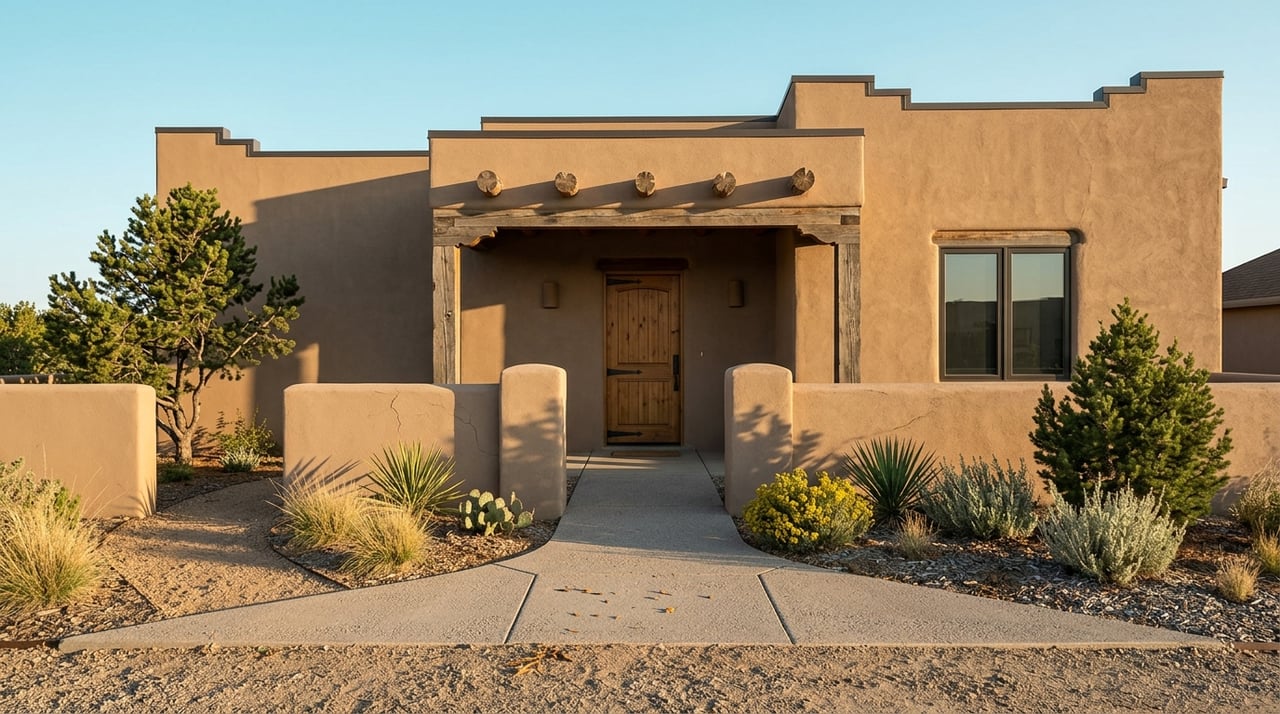
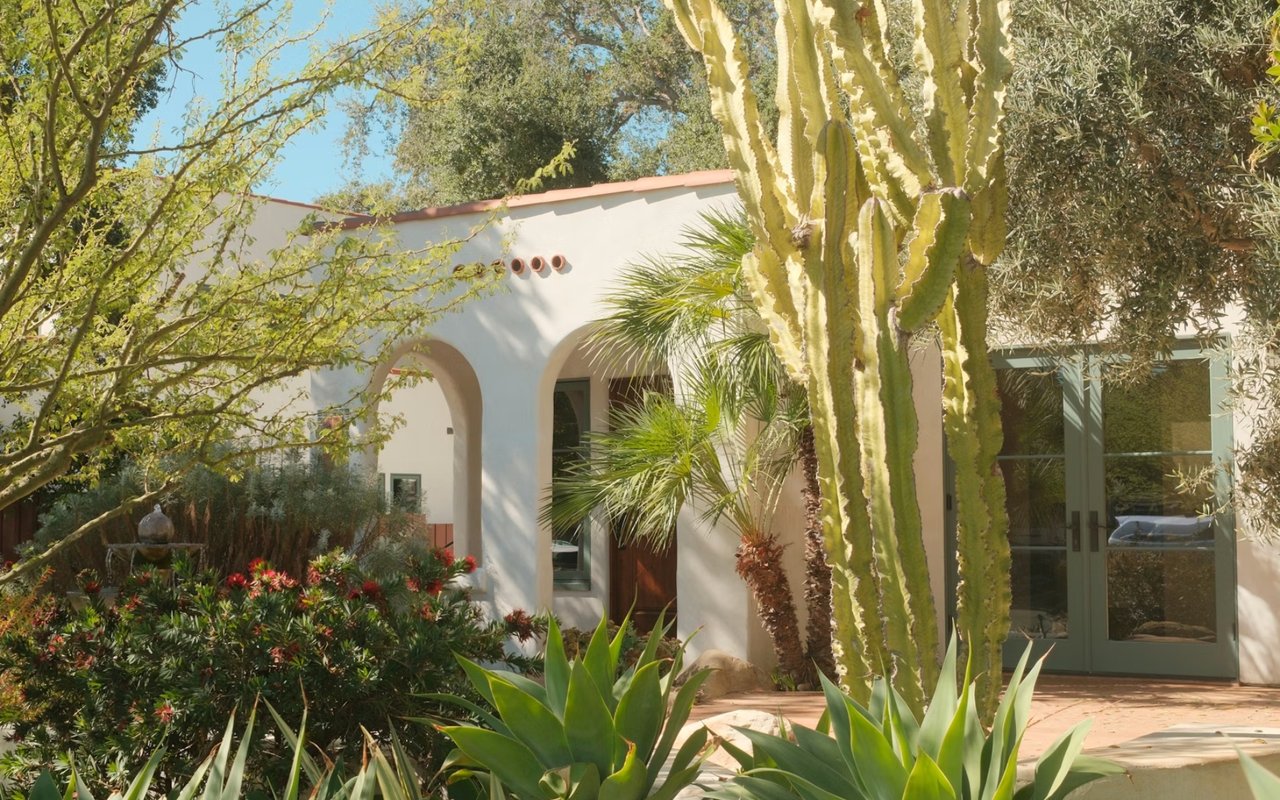
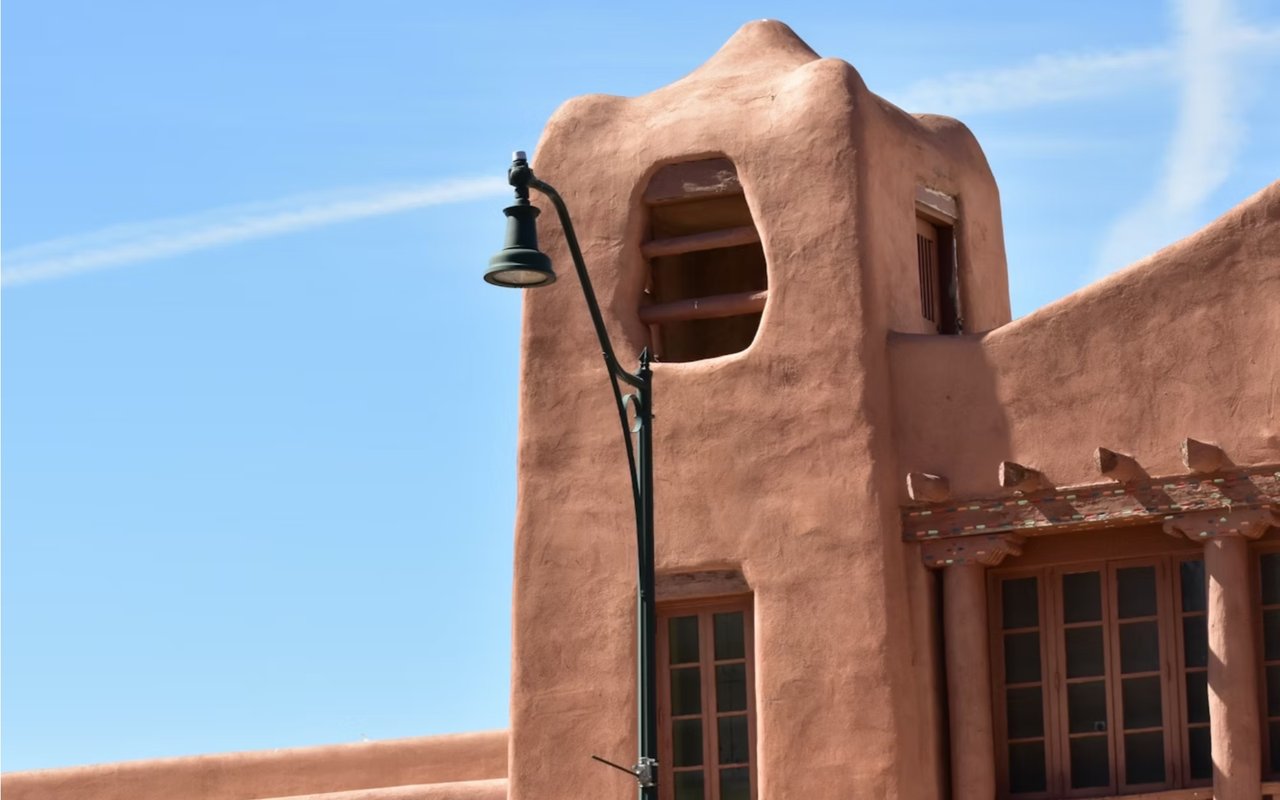
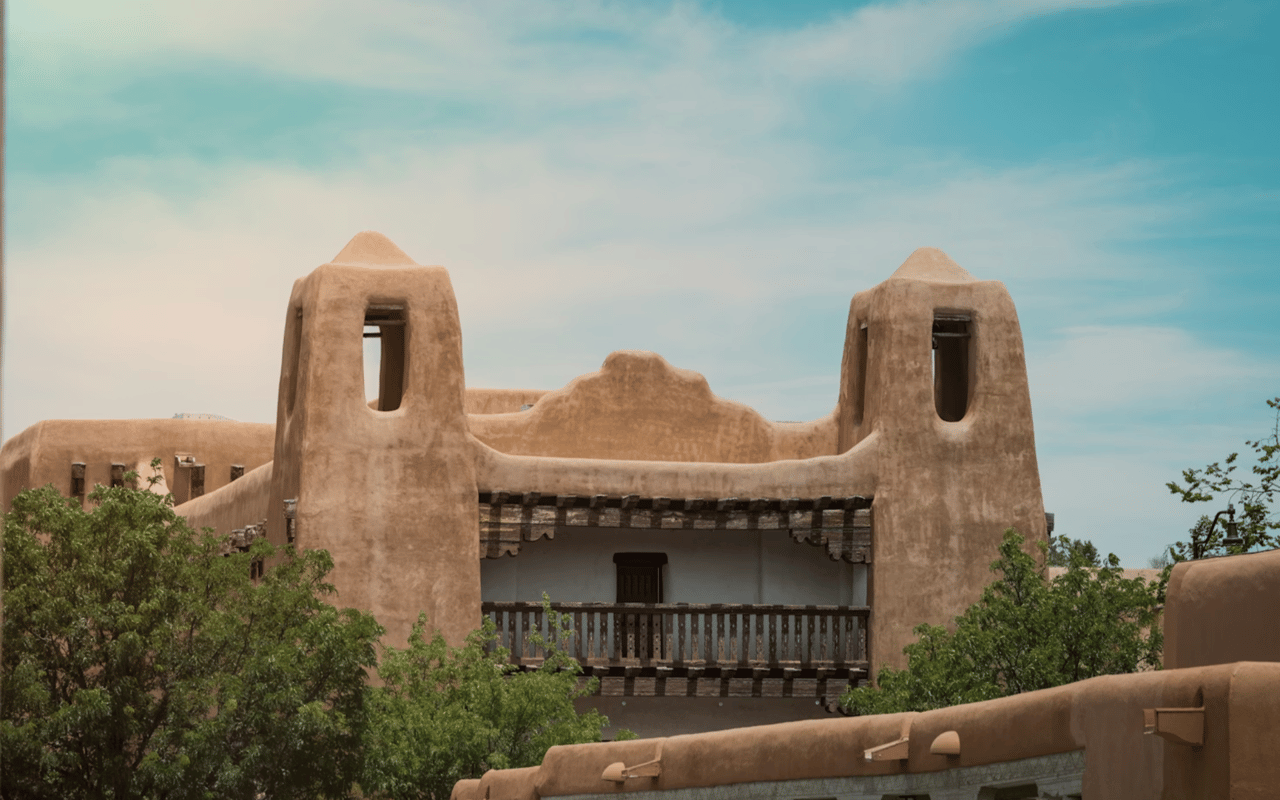
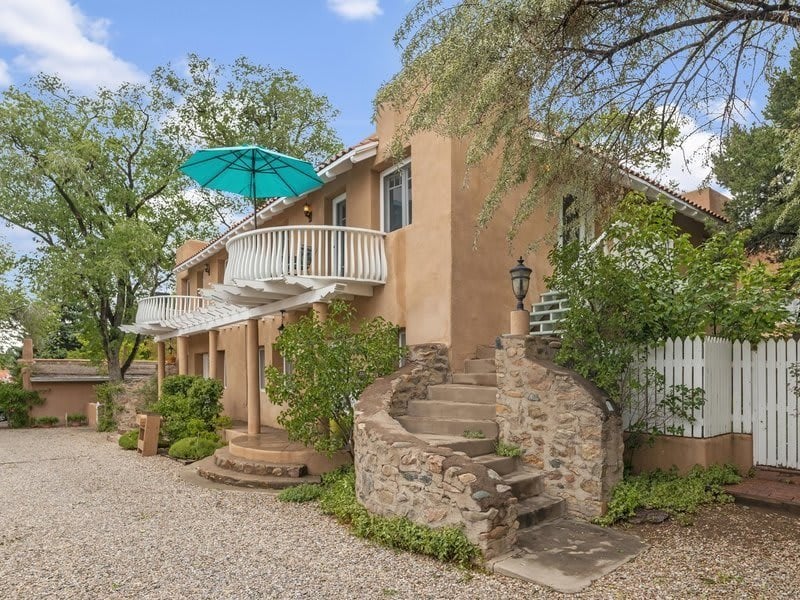
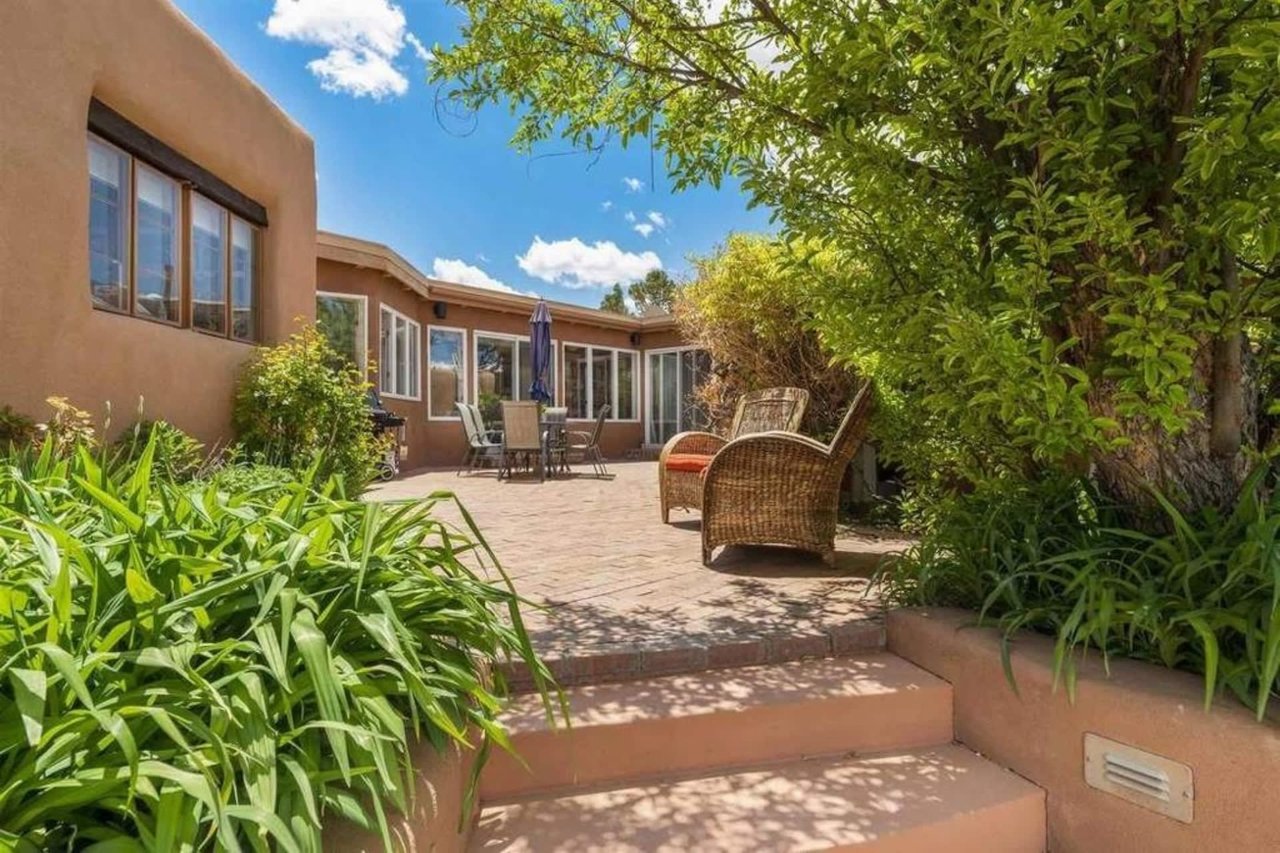
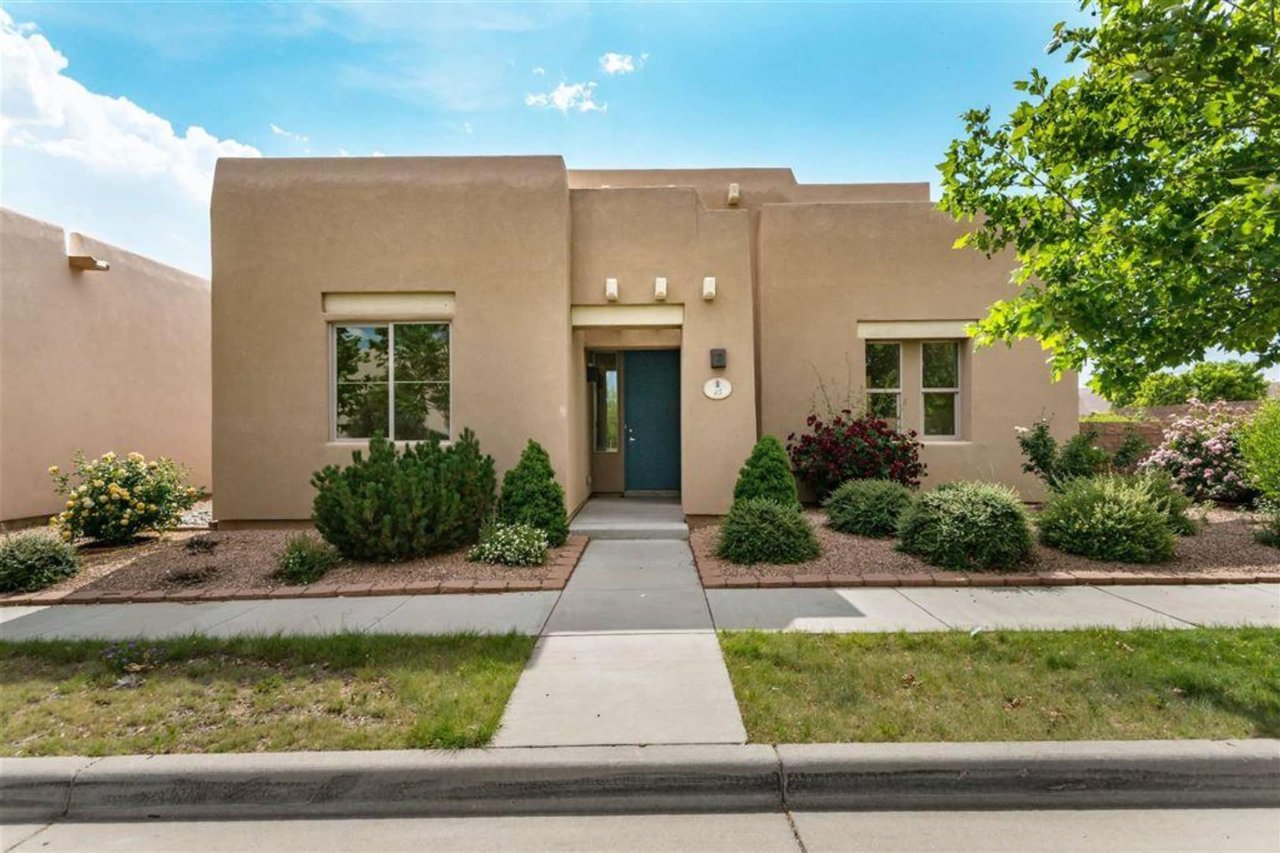
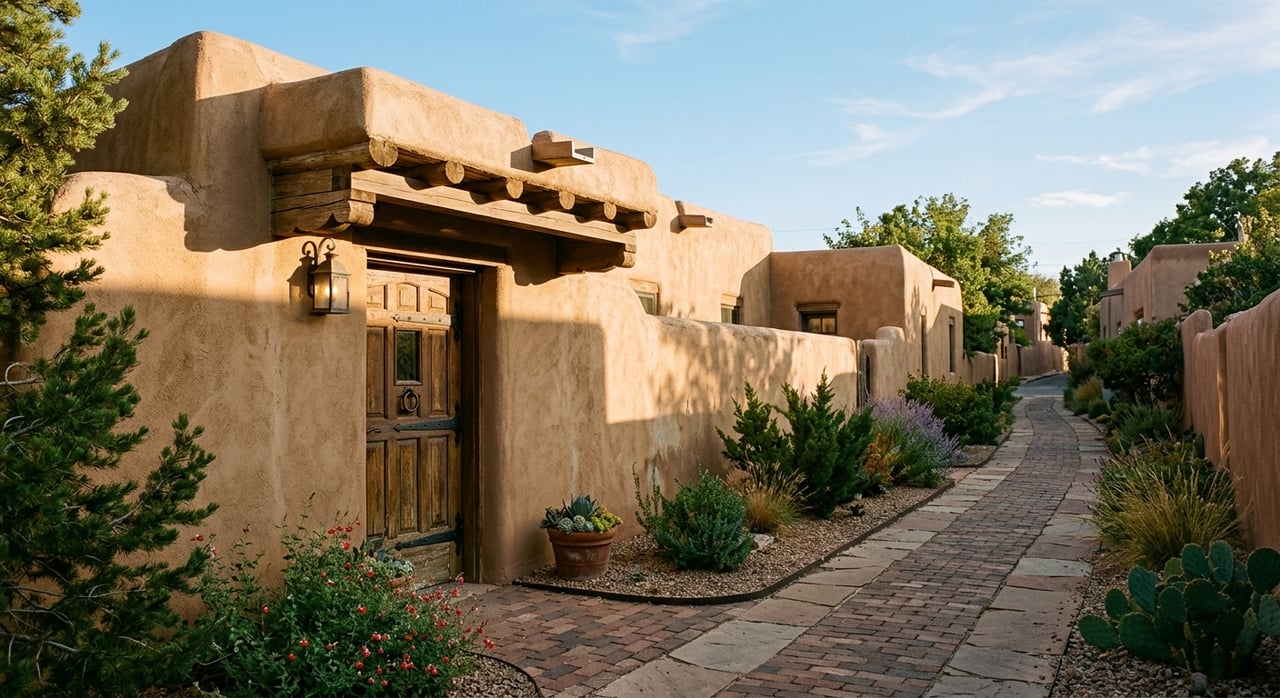
Santa Fe’s urban design guidance describes a traditional pattern of adobe buildings lining narrow streets with no front yard, often arranged around a central patio or placita. Remnants of that pattern remain in the Canyon Road area. This matters because the physical layout shapes how the neighborhood feels.
In practical terms, living here often means stronger architectural presence and a more intimate street relationship. It can also mean less privacy from the street and a layout that feels less car-oriented than newer subdivisions. For many buyers, that is part of the charm, but it is important to understand it clearly.
Historic Homes and Preservation Considerations
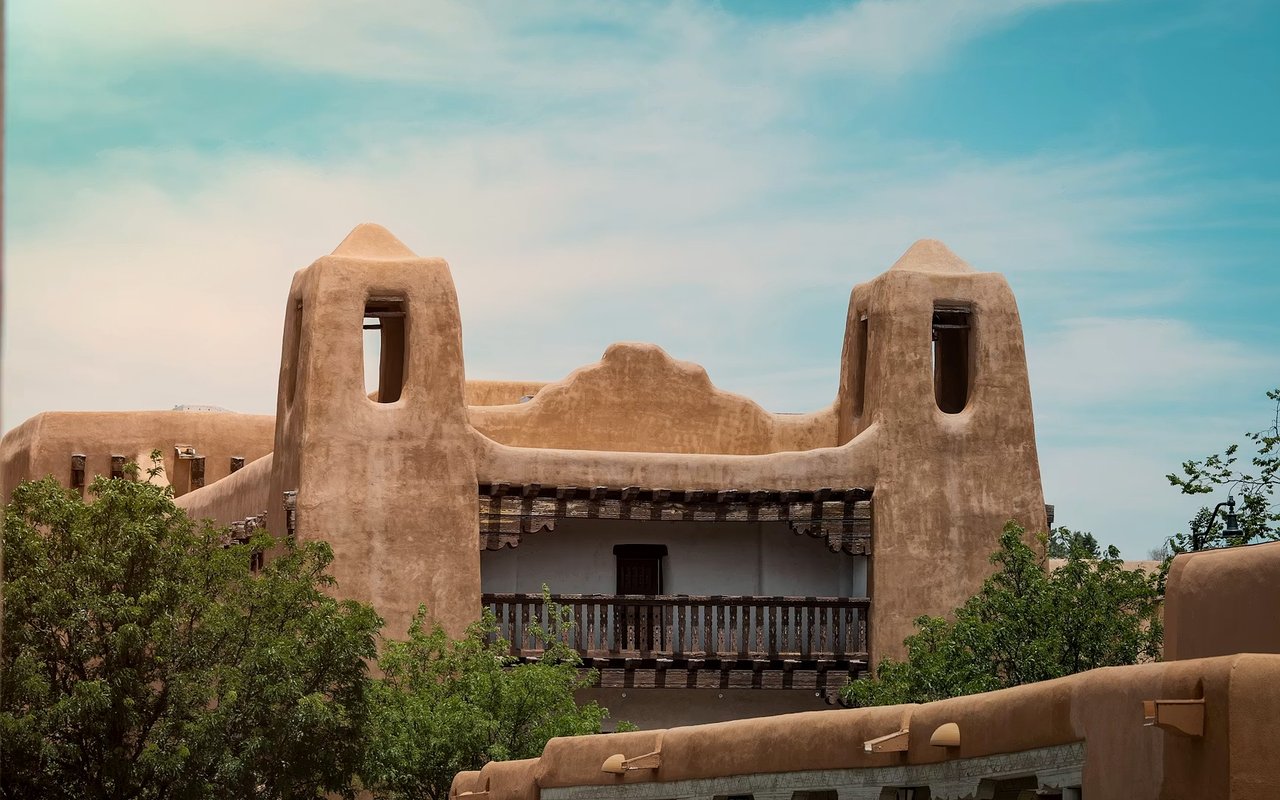
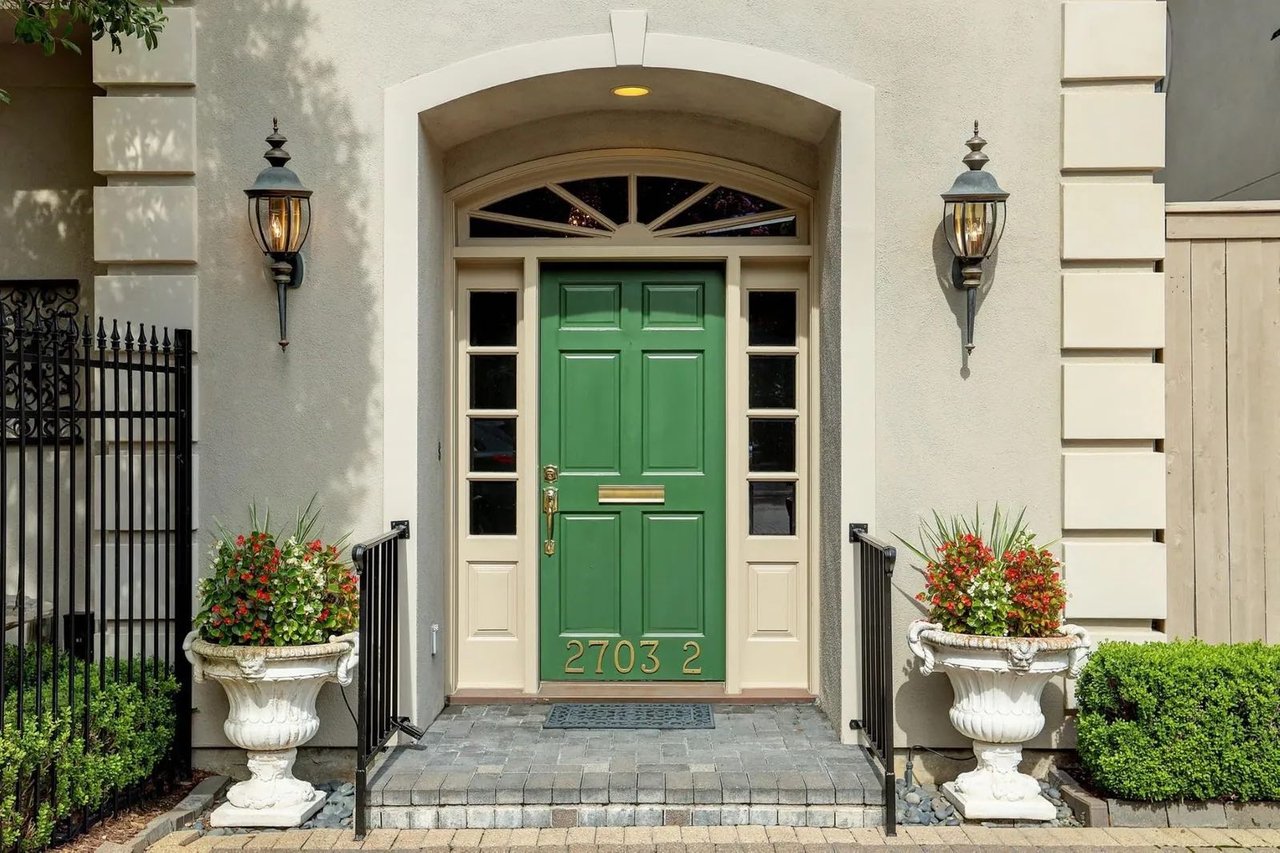
Canyon Road sits within Santa Fe’s Downtown & Eastside Historic District. City records show that homes here may be reviewed as contributing or non-contributing residential structures within that district. If you are considering a purchase, that historic context is not just a point of pride. It can also affect how you plan future changes.
The City of Santa Fe’s Historic Preservation Division states that property owners in historic districts may need applications, administrative approvals, or Historic Districts Review Board review for modifications. That does not make ownership less appealing, but it does mean you should approach updates with care and a good understanding of the local review process.
What That Means for Buyers
If you are drawn to Canyon Road, you are likely responding to qualities that preservation helps protect. Those may include:
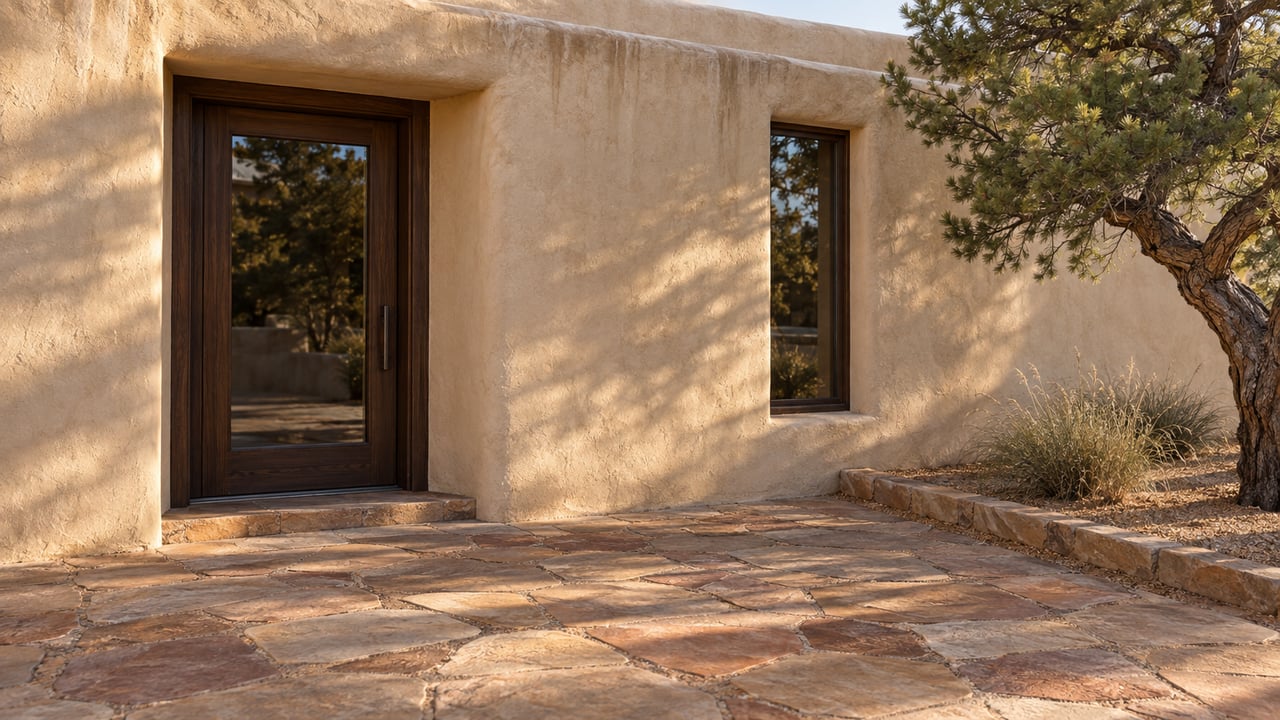
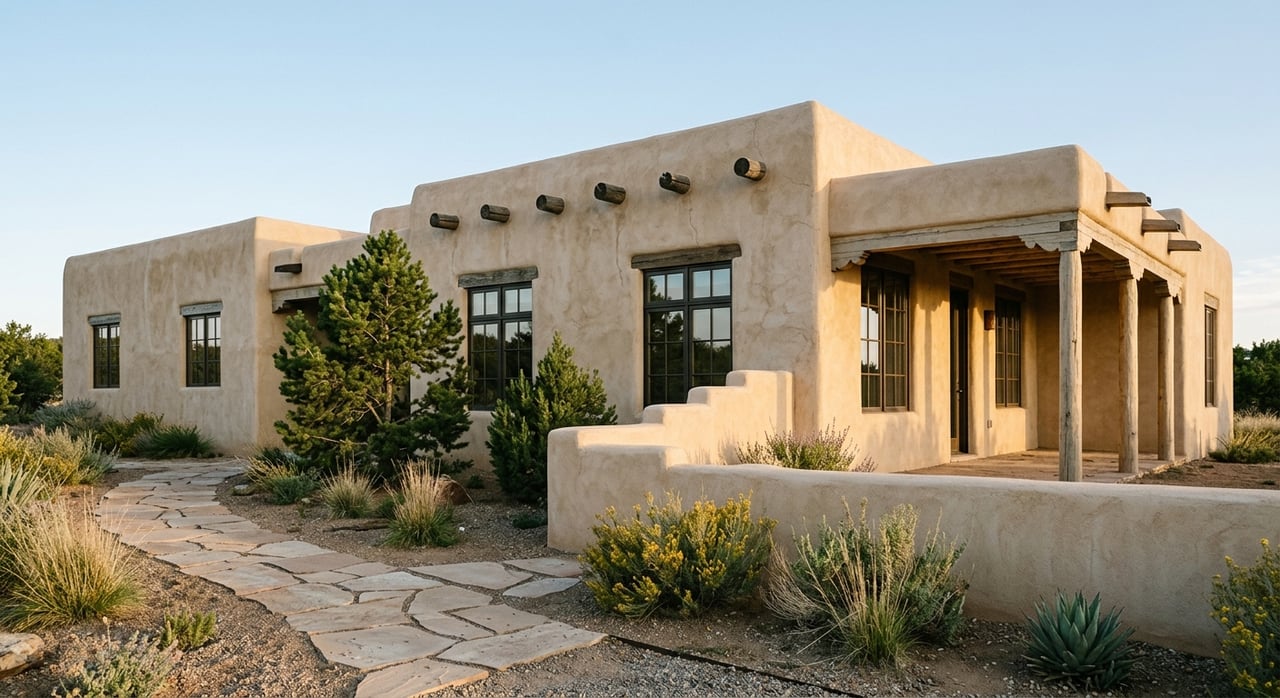
- Adobe character and traditional massing
- A close relationship between home and street
- Patios, placitas, and enclosed outdoor spaces
- A sense of continuity with Santa Fe’s historic fabric
At the same time, preservation review can shape exterior projects and certain alterations. Buyers who are happiest here usually appreciate that balance. They value authenticity and are comfortable planning improvements within a historic framework.
Art, Events, and Seasonal Rhythm
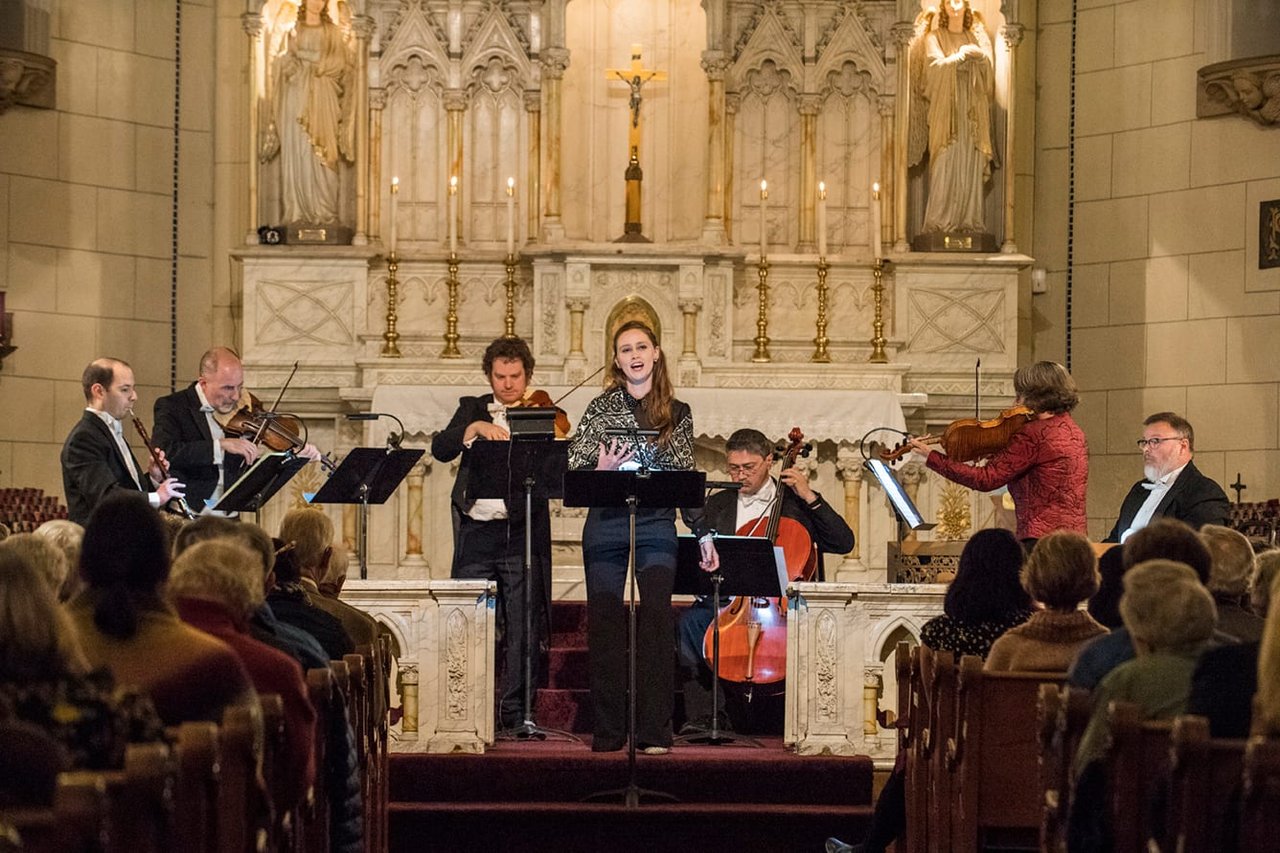
One of the most distinctive parts of Canyon Road living is its seasonal pulse. Visit Canyon Road says most galleries are open daily from 10 to 5, and spring programming often includes artist demonstrations, studio-style visits, and direct conversations with artists. That gives the street an active, cultural rhythm even on a regular weekday.
For residents, this can be energizing. It creates a setting where creative life is visible and accessible, rather than tucked away behind occasional museum visits or special events. If you enjoy the idea of living near working artists and active gallery culture, Canyon Road offers that in a very direct way.
The Farolito Walk Experience
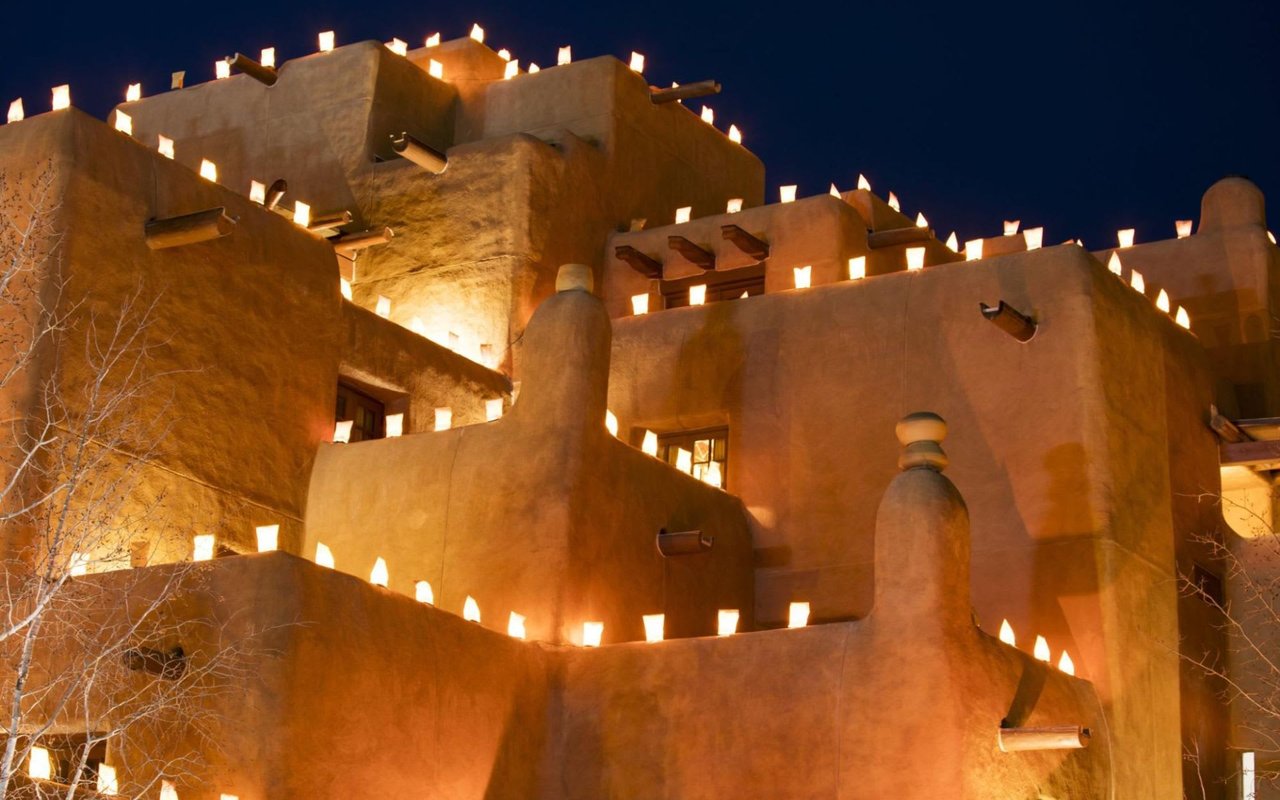
The best-known seasonal event is the Christmas Eve Farolito Walk. Visit Canyon Road describes thousands of people strolling Canyon Road and nearby east-side streets after sundown while farolitos, bonfires, and music line the route. Some streets close to vehicles and parking during the event.
From a lifestyle perspective, this is one of the clearest examples of the Canyon Road trade-off. The setting can feel beautiful and unforgettable in winter, but residents also share that experience with large public crowds. For some owners, that festive energy is part of the magic. For others, it is something to plan around.
Dining as Part of Daily Life
Canyon Road is not only about galleries. The corridor also supports a day-to-night pattern that can make daily life feel easy and textured. Official business sources and Tourism Santa Fe show a mix of tea service, lunch, formal dining, live music, and flamenco on or near the street.
That variety matters if you are thinking about livability, not just atmosphere. It means a casual outing, dinner reservation, or evening entertainment can be part of your immediate surroundings rather than a separate trip across town. In a neighborhood known for art, that added convenience strengthens the case for Canyon Road as a true living environment.
Everyday Favorites and Destination Dining
Canyon Road’s dining identity includes a range of experiences, including:
- The Santa Fe Teahouse at the end of Canyon Road, known for a broad tea selection, scratch-made food, and a year-round patio
- Geronimo, located in the historic Borrego House dating to 1756
- El Farol, identified as a historic Canyon Road restaurant since 1835, with tapas, live music, and flamenco dinner shows
- The Compound, described by Tourism Santa Fe as a cornerstone of the culinary landscape in Santa Fe’s Arts District on Canyon Road
Together, these places help define the street as more than a gallery district. They support a lifestyle where culture, dining, and neighborhood identity all overlap.
Outdoor Access Near Canyon Road
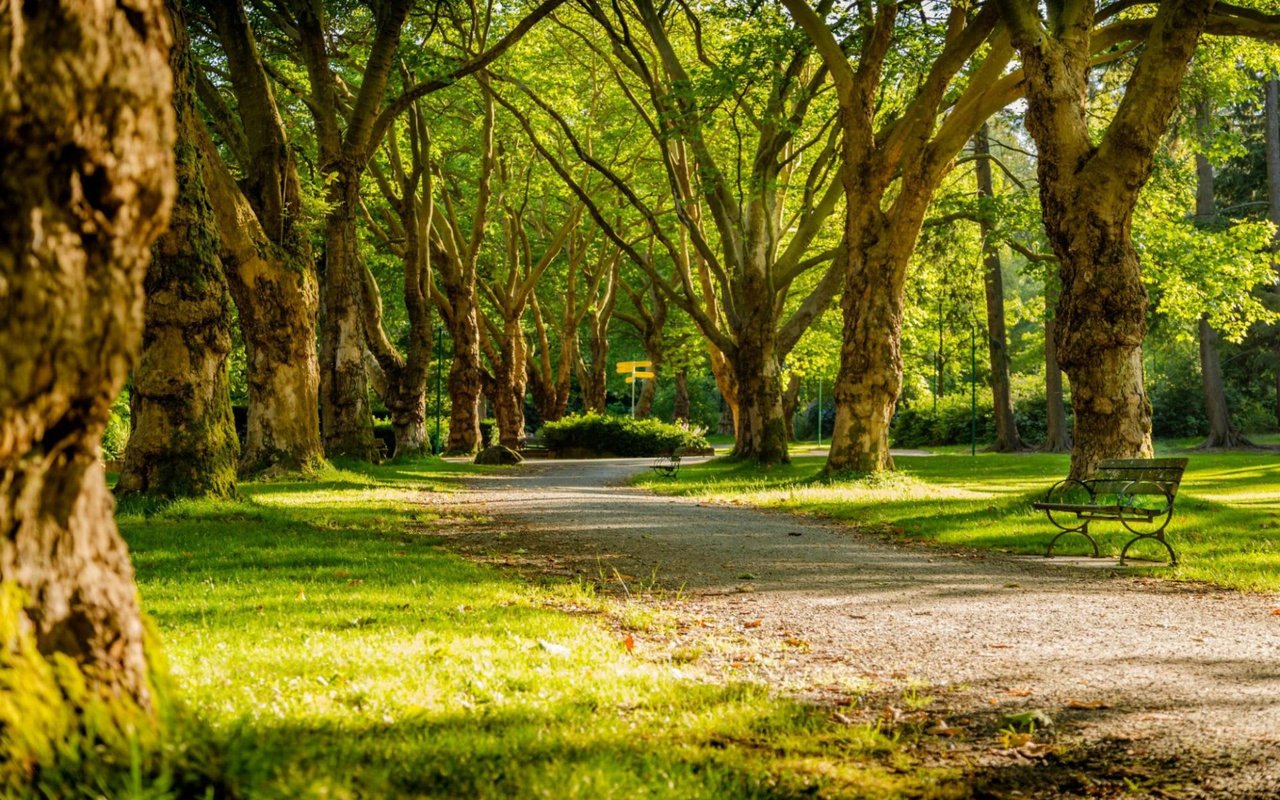
While Canyon Road is known for art and architecture, it also connects to outdoor space. Tourism Santa Fe points to Patrick Smith Park, which is accessible from Canyon Road or Alameda Street. The park includes playgrounds, open green space, and access to the Santa Fe River.
That nearby access adds an important layer to the neighborhood. It shows that the area is not solely inward-looking or event-driven. Even in one of Santa Fe’s most culturally active corridors, you still have a nearby option for fresh air, open space, and a change of pace.
Is Canyon Road Right for You?
Canyon Road tends to appeal to buyers who want their home address to reflect Santa Fe’s artistic and historic identity in a direct, everyday way. This may be especially compelling if you are a second-home buyer, a collector, or someone relocating for a more walkable and visually distinctive setting. The area offers atmosphere that is difficult to replicate elsewhere.
It is also important to be honest about the trade-offs. Canyon Road is not a secluded suburban enclave. Its public life, foot traffic, event activity, and preservation context are all part of the ownership experience.
You May Love Canyon Road If You Want:
- A highly walkable setting in Santa Fe’s historic district
- Daily access to galleries, studios, and cultural activity
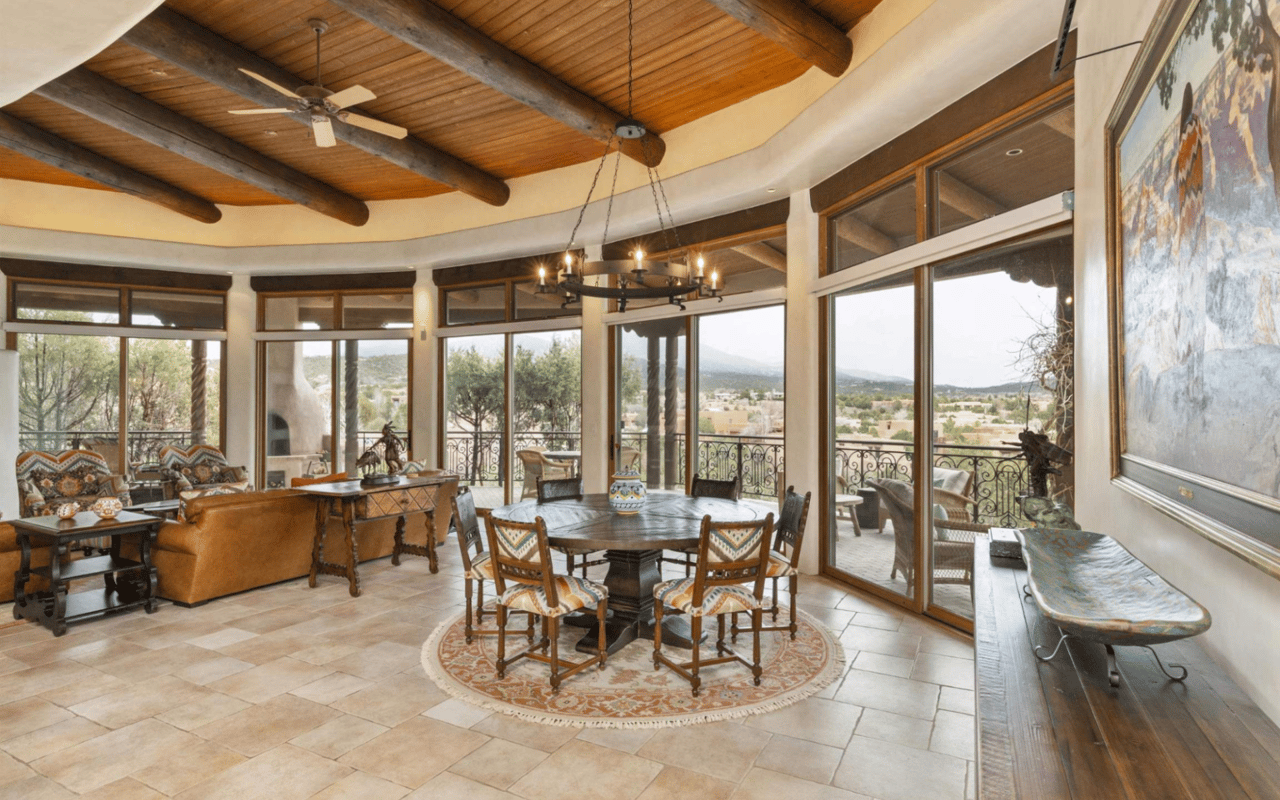
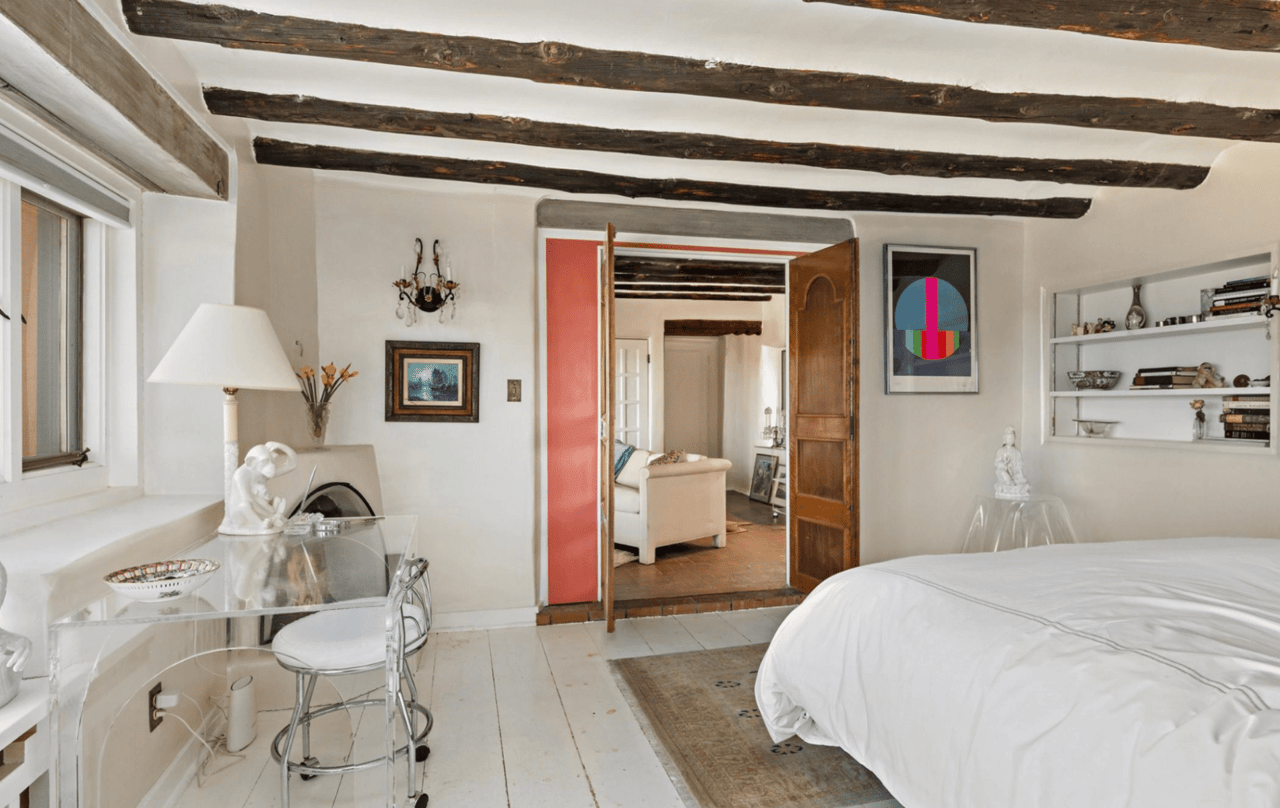
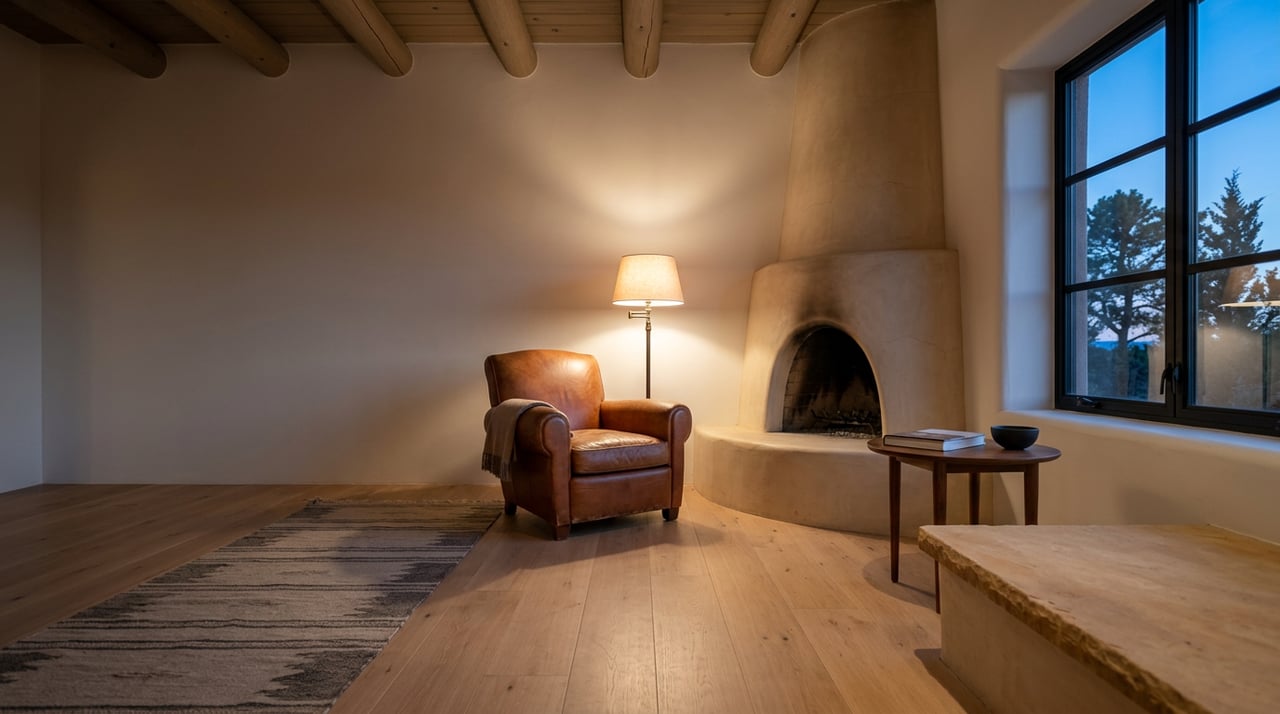
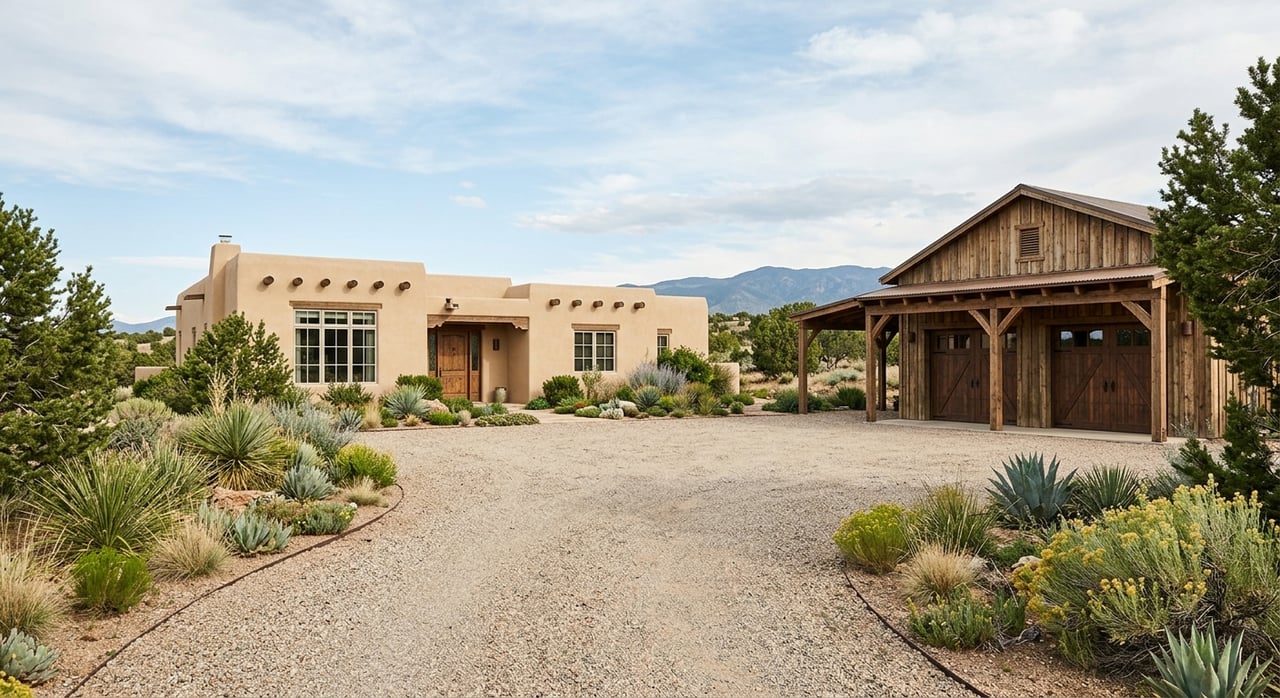
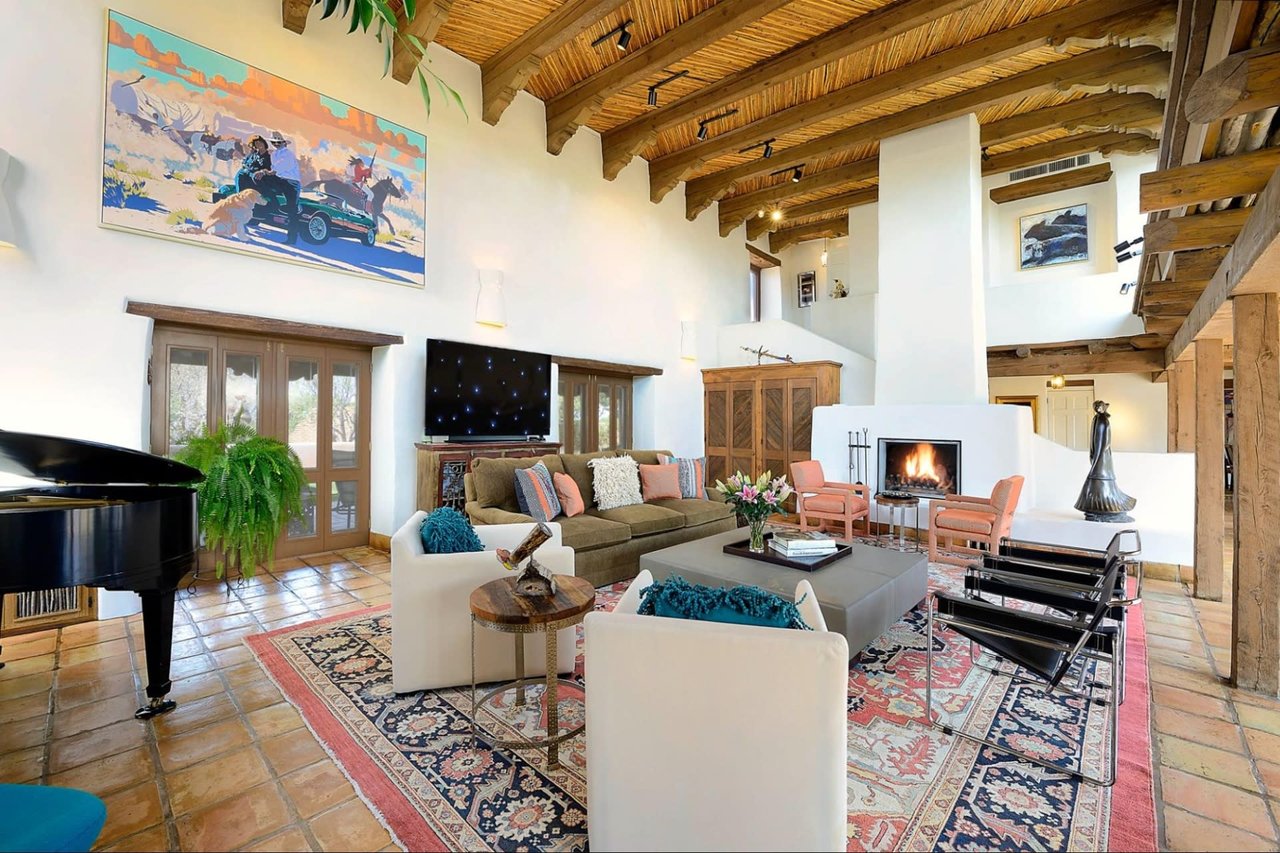
- Historic adobe character and architectural texture
- Dining and social life woven into the neighborhood
- A home that feels connected to Santa Fe’s creative story
You May Need to Think Carefully If You Prefer:
- A quieter, more private street presence
- Fewer visitors and less event activity nearby
- More flexibility for exterior modifications
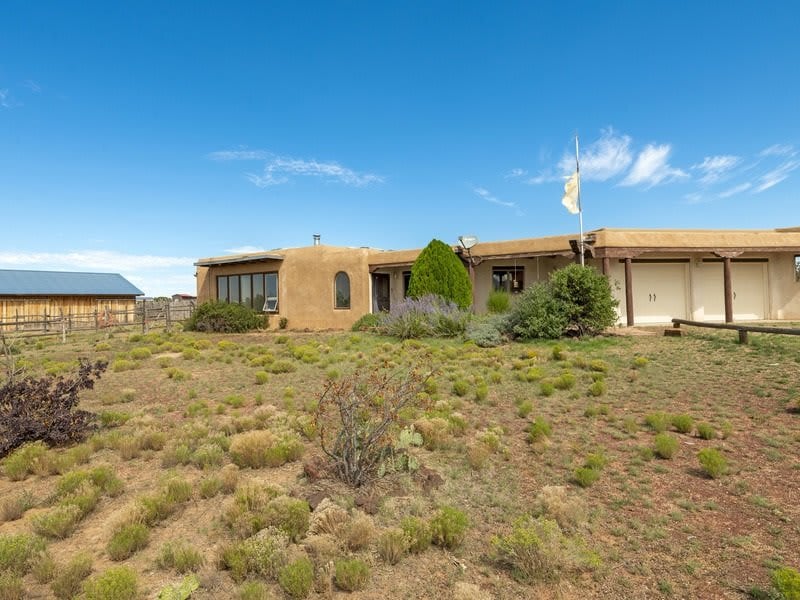
- A newer neighborhood layout with more car-oriented design
Why Local Guidance Matters Here
Buying on or near Canyon Road is often about more than square footage or finishes. You are weighing location, preservation context, street activity, and the feel of a home within one of Santa Fe’s most recognized districts. Those details can make a major difference in whether a property truly matches your goals.
That is why neighborhood-level guidance matters. If you are considering a historic adobe, a second home, or a property that blends residential use with a culturally active setting, it helps to work with a team that understands how Canyon Road lives in real life, not just how it photographs.
If you are exploring Canyon Road or other distinctive Santa Fe neighborhoods, Ricky Allen-Tara Earley Real Estate Group can help you evaluate the lifestyle, property context, and opportunities with the care they deserve.
FAQs
What is it like to live on Santa Fe’s Canyon Road?
- Living on Canyon Road means being in a highly walkable, historic area where private homes exist alongside galleries, restaurants, and regular visitor activity.
Are there still homes on Canyon Road in Santa Fe?
- Yes. Canyon Road was once fully residential, and private residences still remain along the street and in the surrounding area.
Is Canyon Road part of a historic district in Santa Fe?
- Yes. Canyon Road is within Santa Fe’s Downtown & Eastside Historic District, where some property changes may require local review or approval.
How many galleries are on Canyon Road in Santa Fe?
- Official sources vary in their counts, but they consistently describe Canyon Road as having an exceptional concentration of galleries, studios, boutiques, and restaurants.
Does Canyon Road have seasonal events that affect residents?
- Yes. A major example is the Christmas Eve Farolito Walk, when large crowds visit the area and some nearby streets may close to vehicles and parking.
Is Canyon Road a quiet residential neighborhood?
- Canyon Road is better understood as a lifestyle corridor with residential pockets, not a quiet suburban-style enclave.