If you are torn between the texture of Santa Fe’s historic core and the calmer, more open feel along Old Santa Fe Trail, you are asking the right question. Both areas offer a distinct lifestyle, and the difference often comes down to how you want your days to feel once you are home. This guide will help you compare Museum Hill and Historic Eastside living so you can narrow your search with more confidence. Let’s dive in.
Two Santa Fe lifestyles
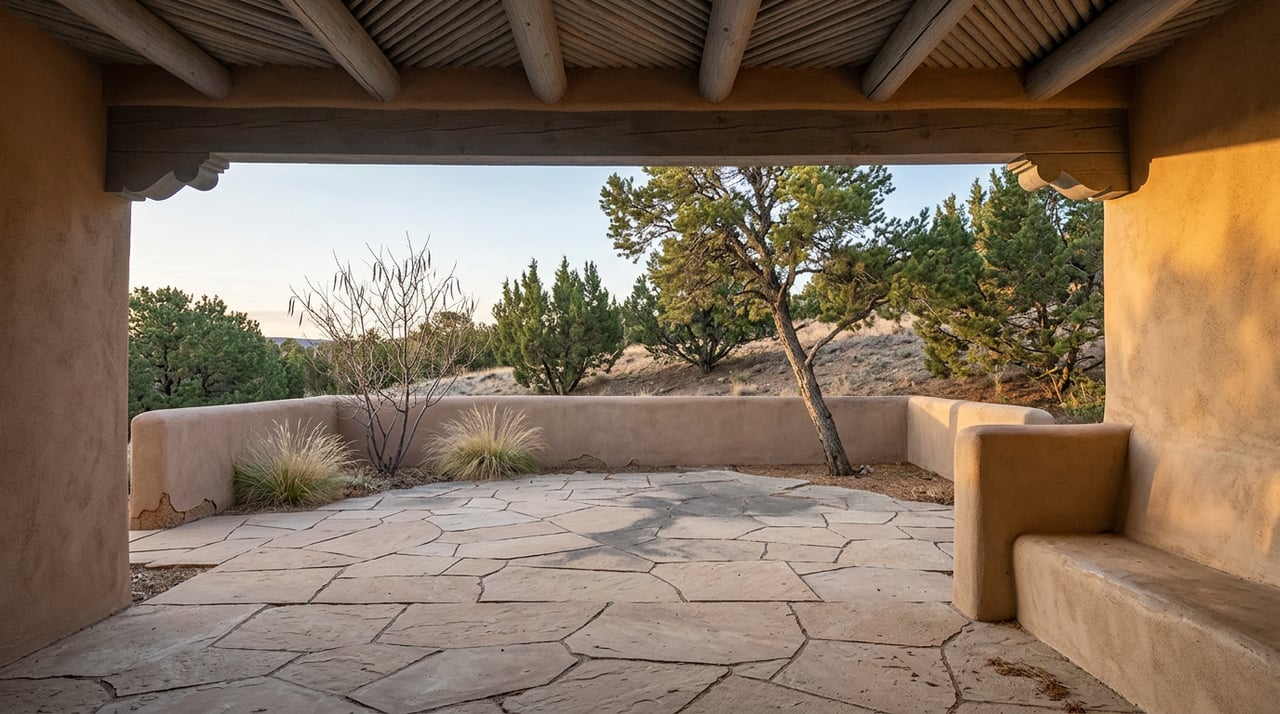
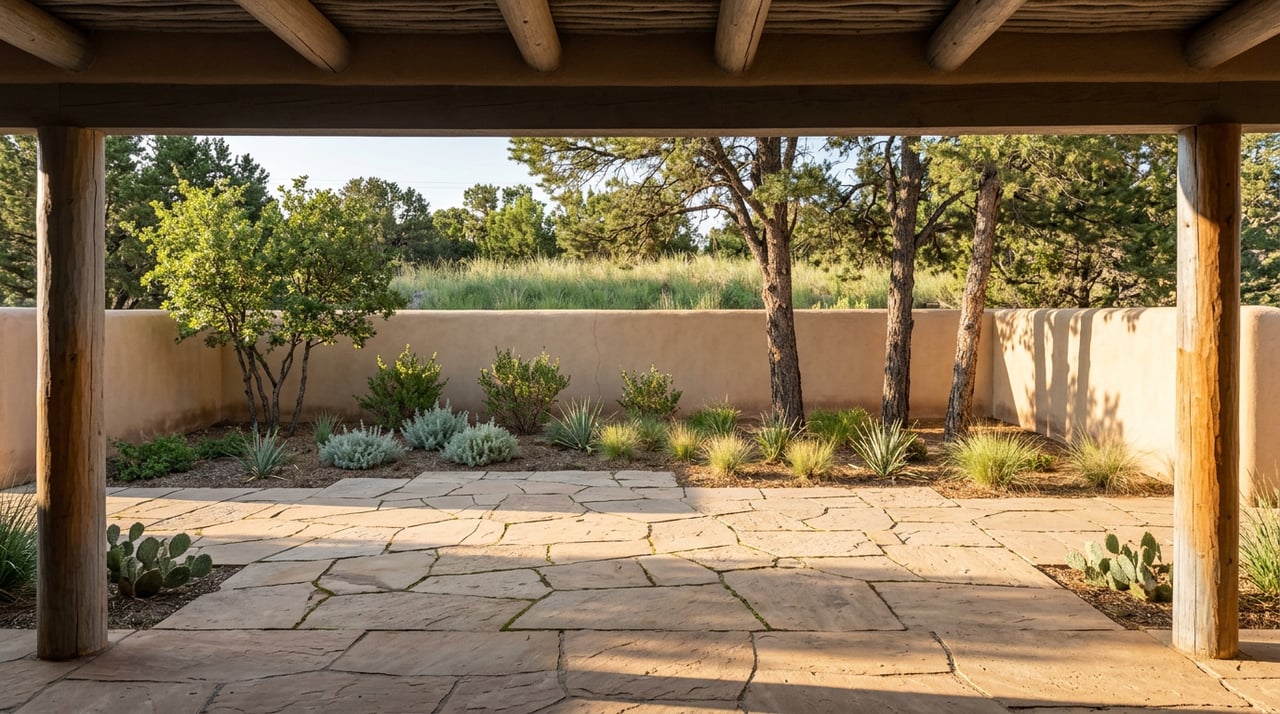
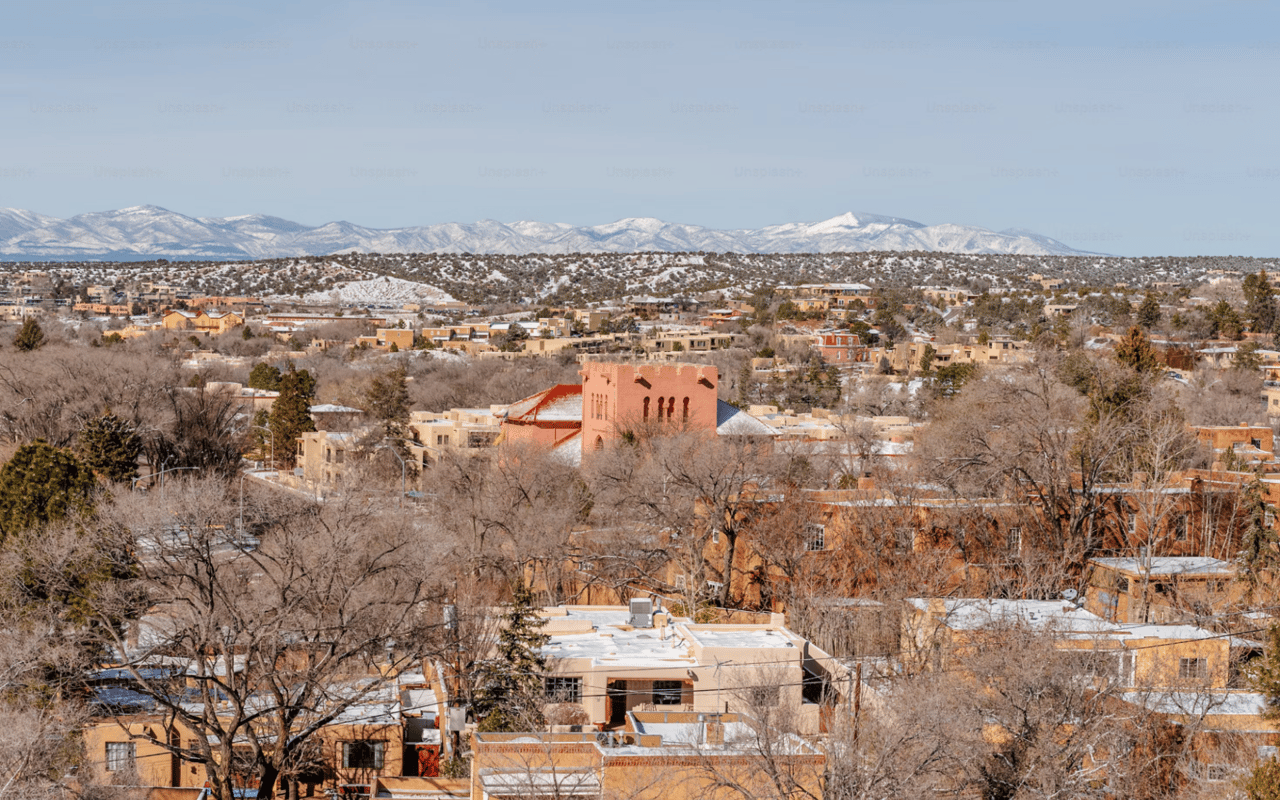
Historic Eastside and the Old Santa Fe Trail corridor near Museum Hill are both closely tied to Santa Fe’s cultural identity, but they live very differently day to day. One is rooted in a dense historic street pattern with strong walkable appeal. The other feels more open, more separated, and more centered around views, museums, and a quieter foothill setting.
If you are deciding between them, the neighborhood label alone is not enough. In both areas, the exact block, parcel, and setting can shape your experience just as much as the broader location.
Historic Eastside at a glance
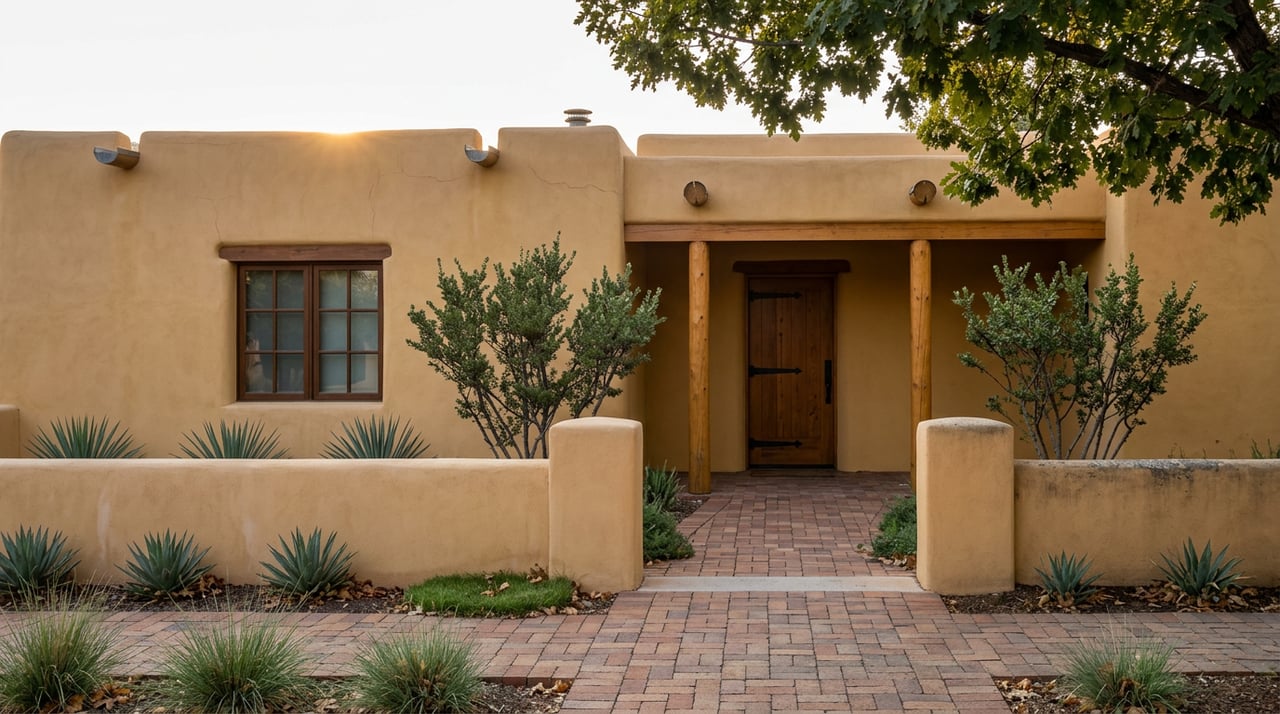
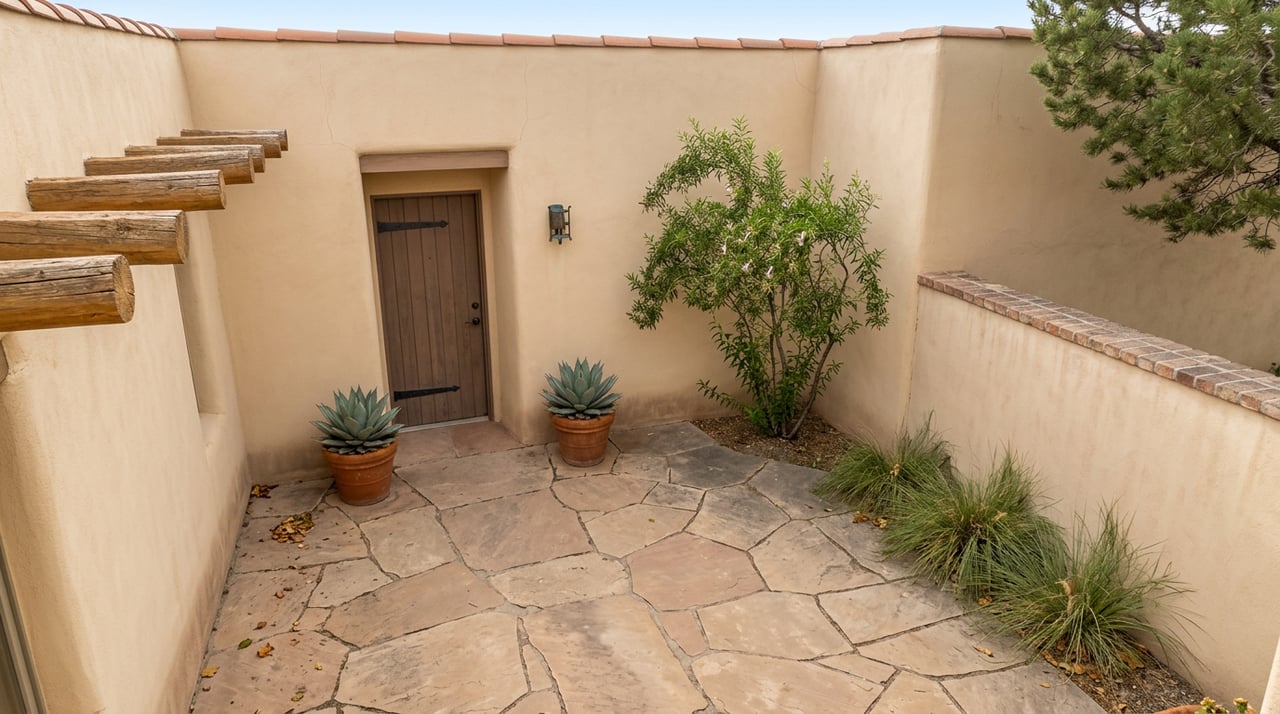
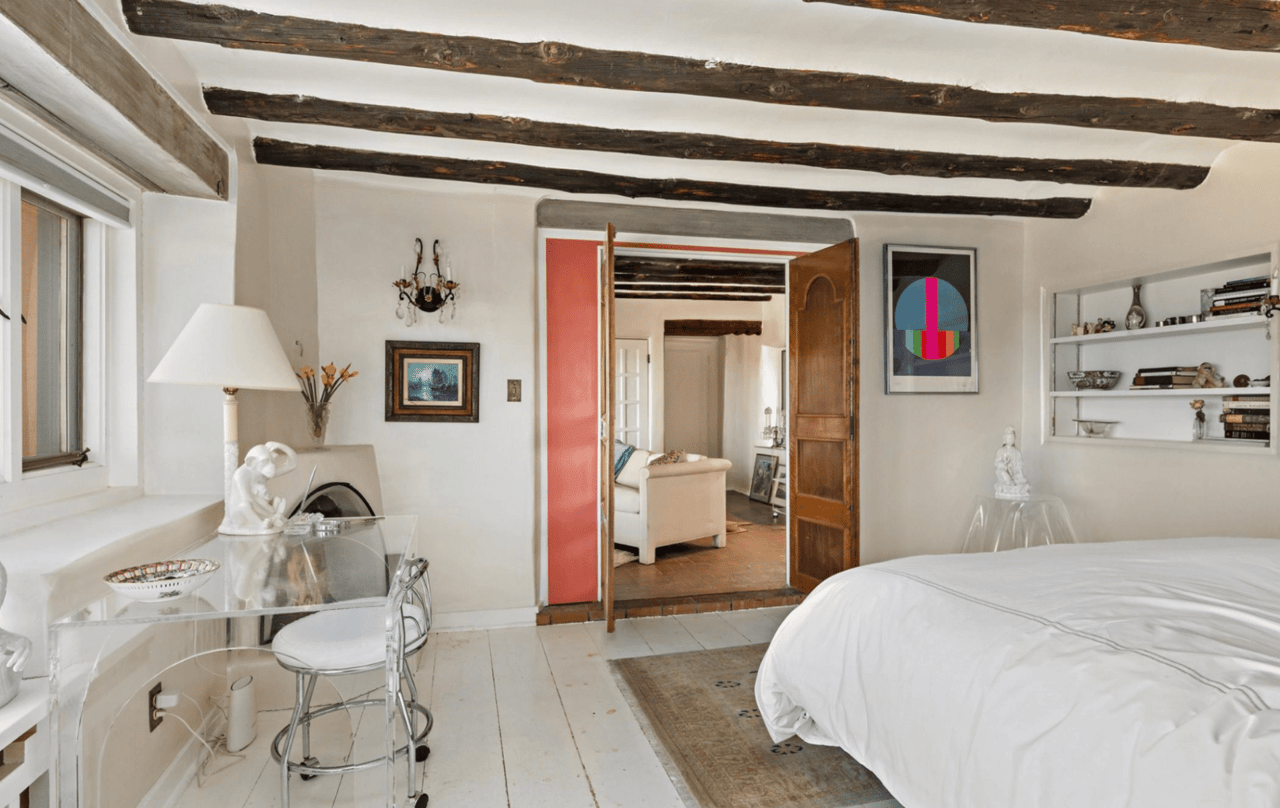
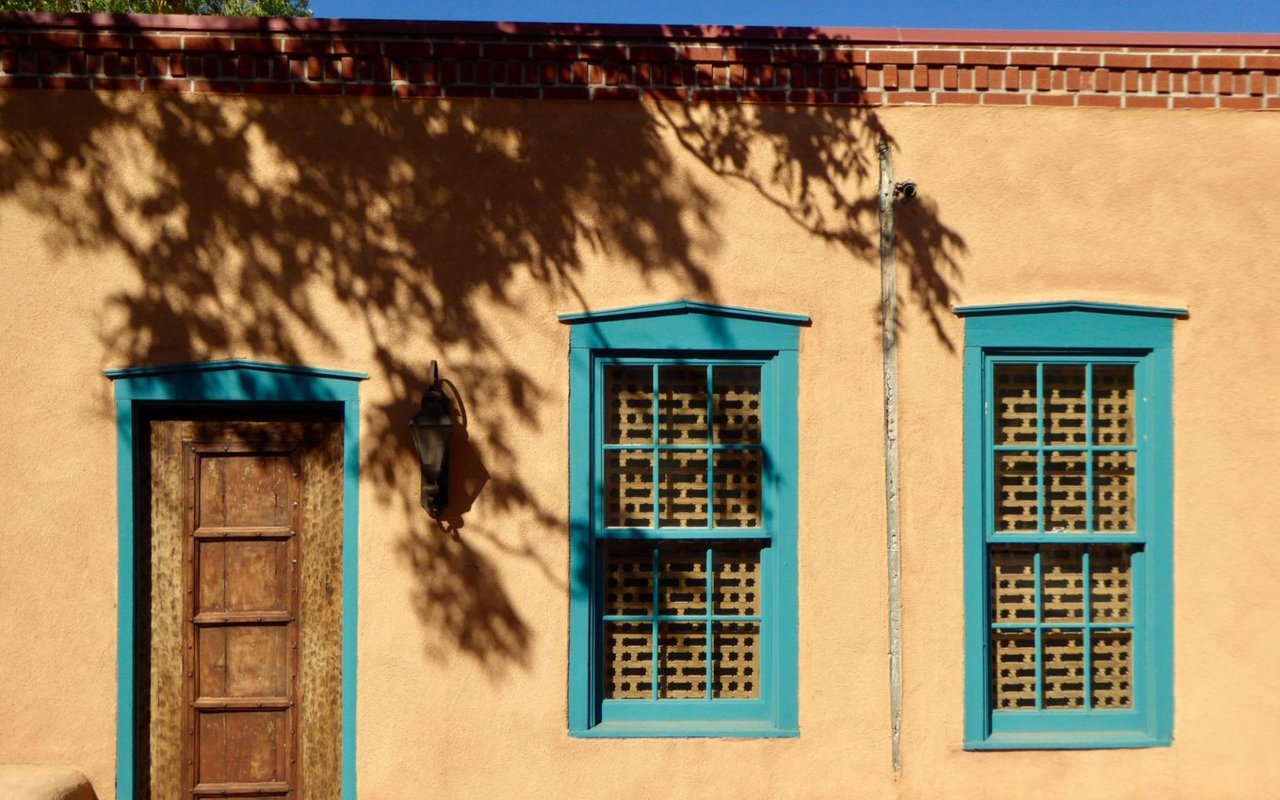
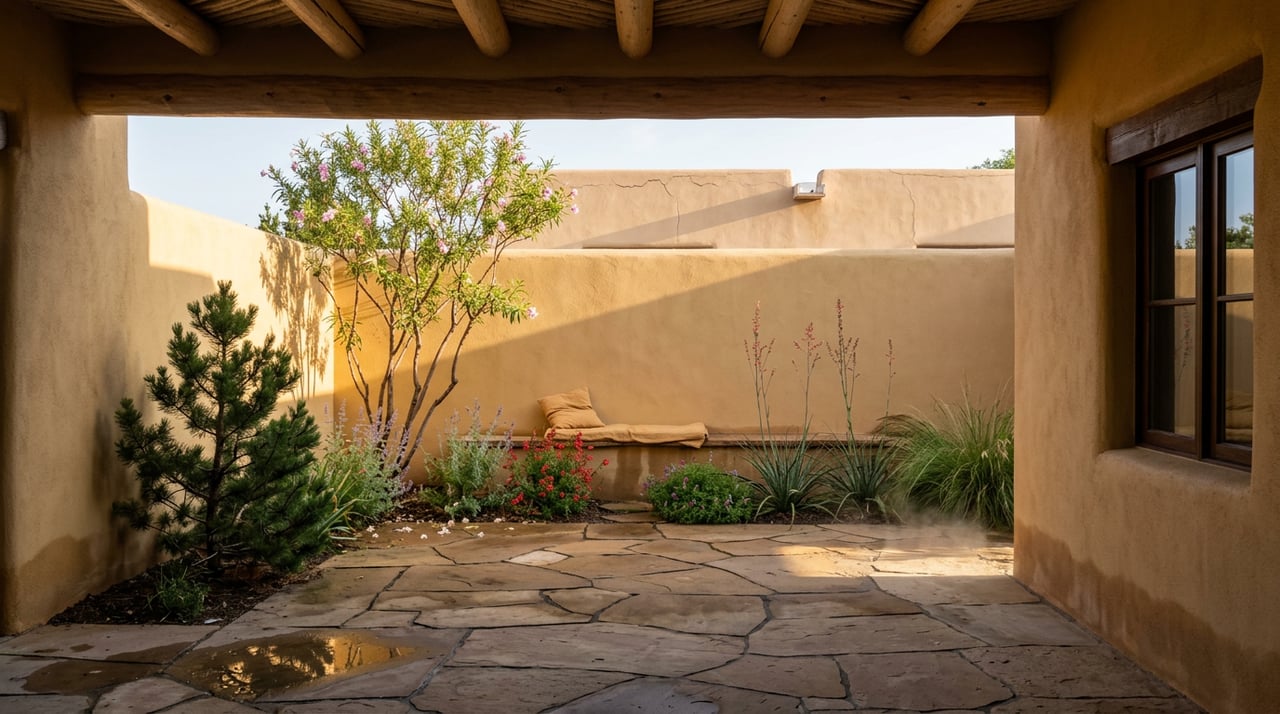
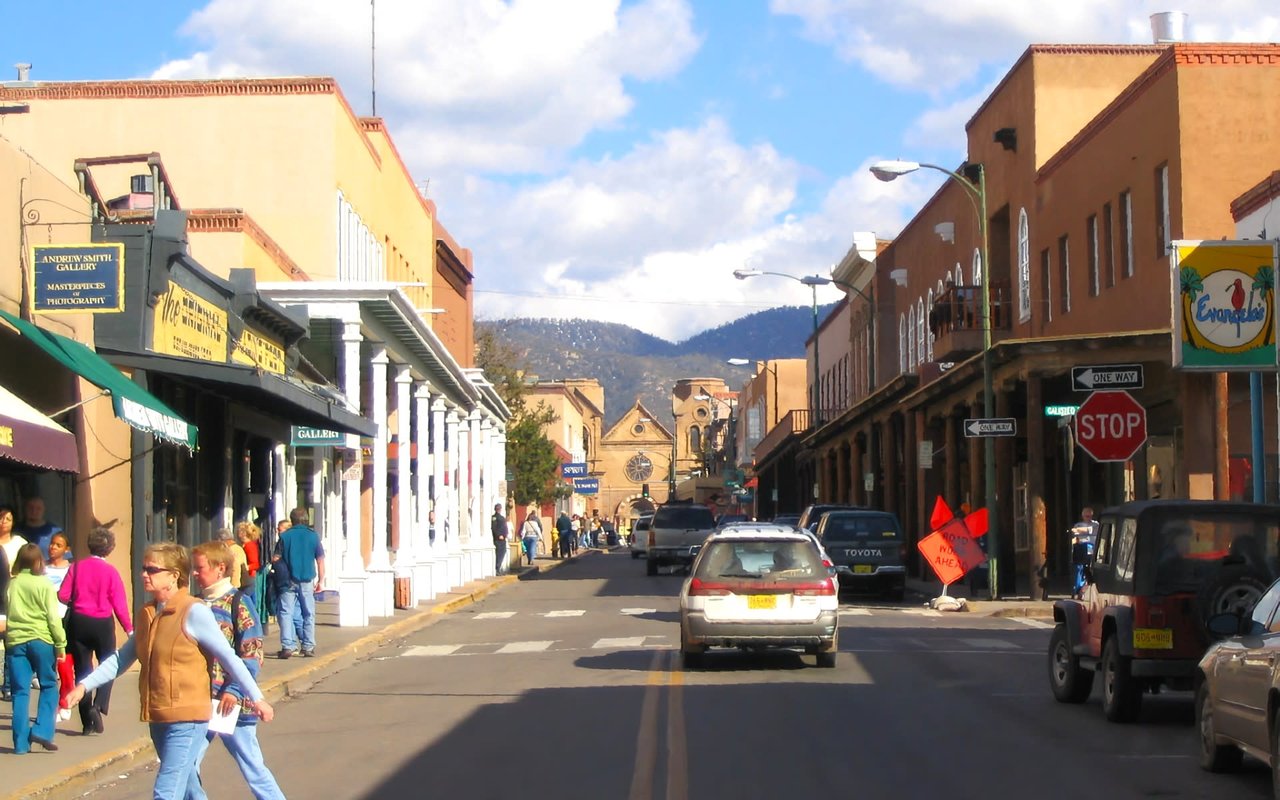
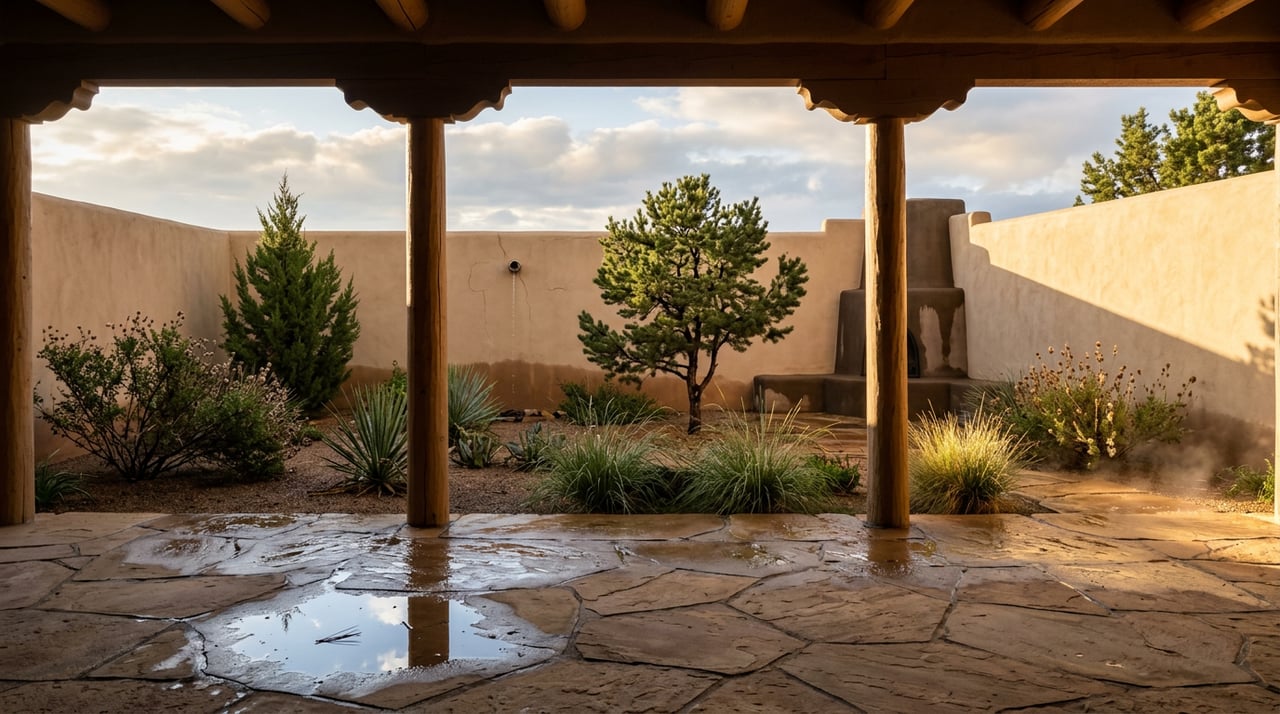
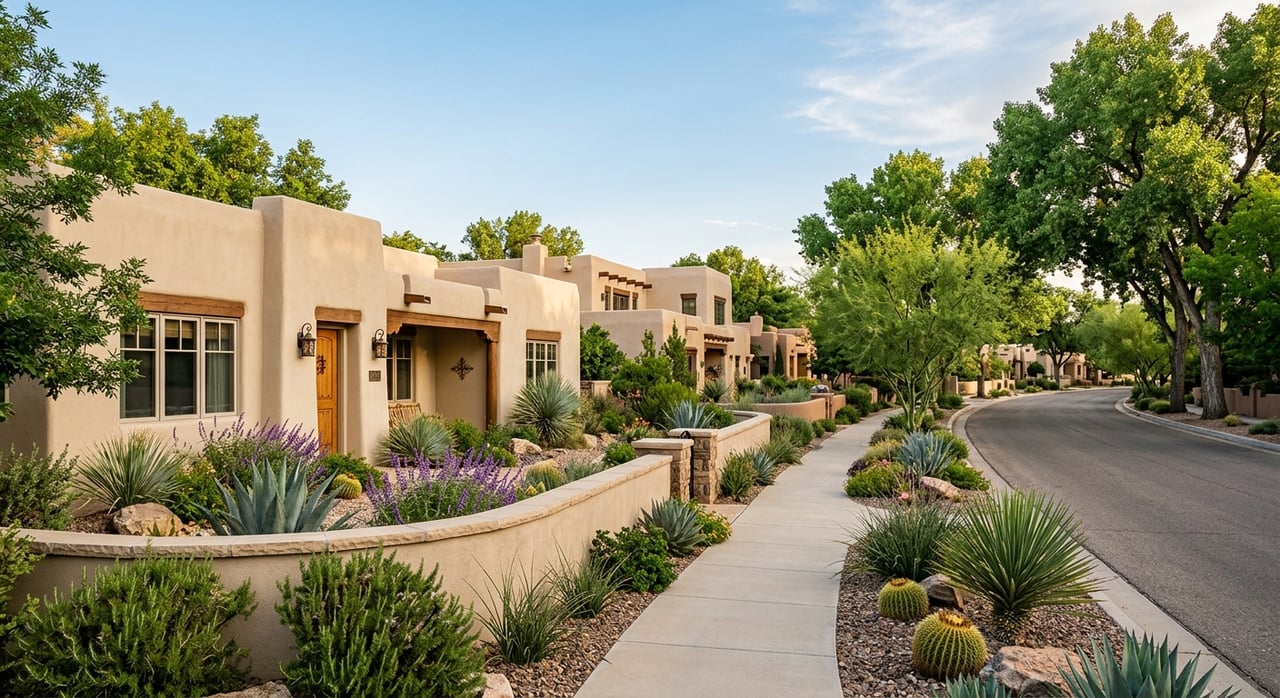
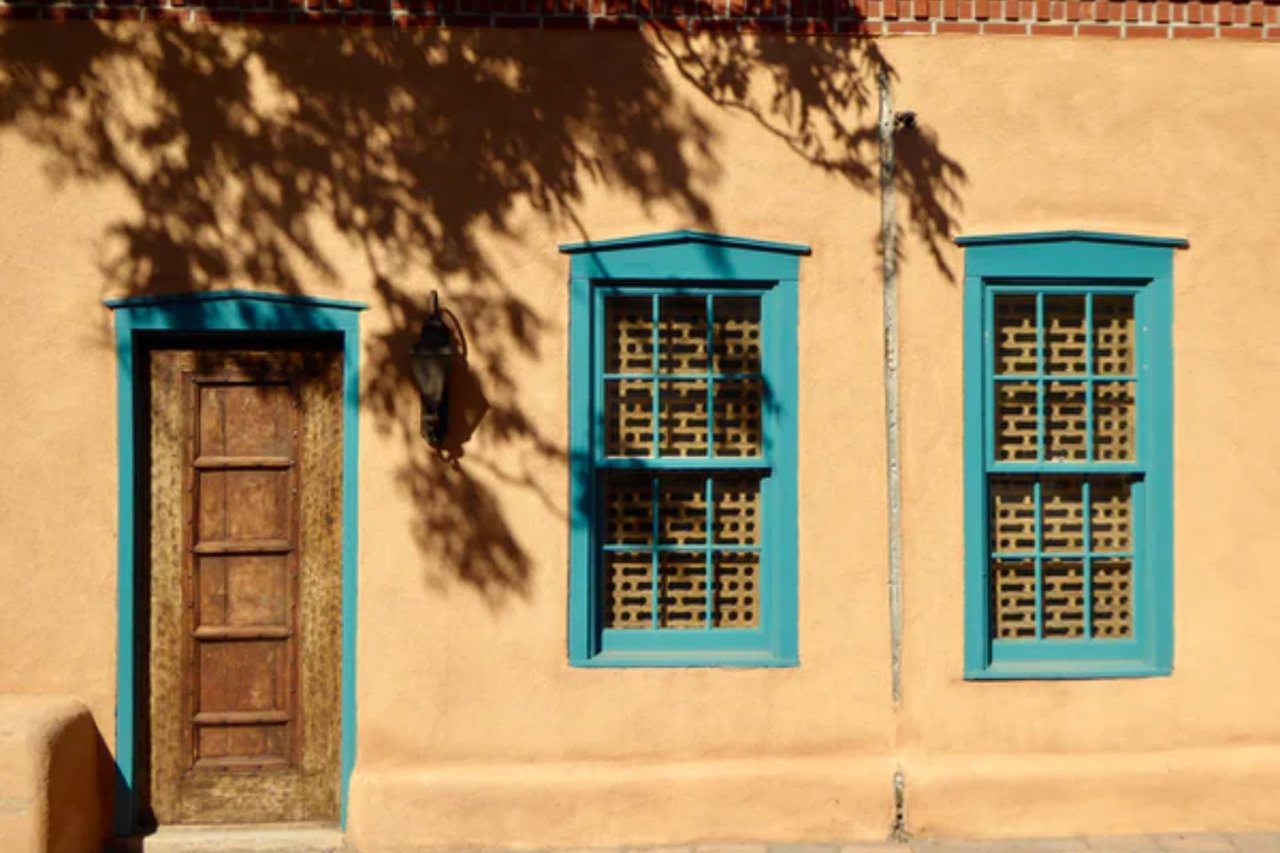
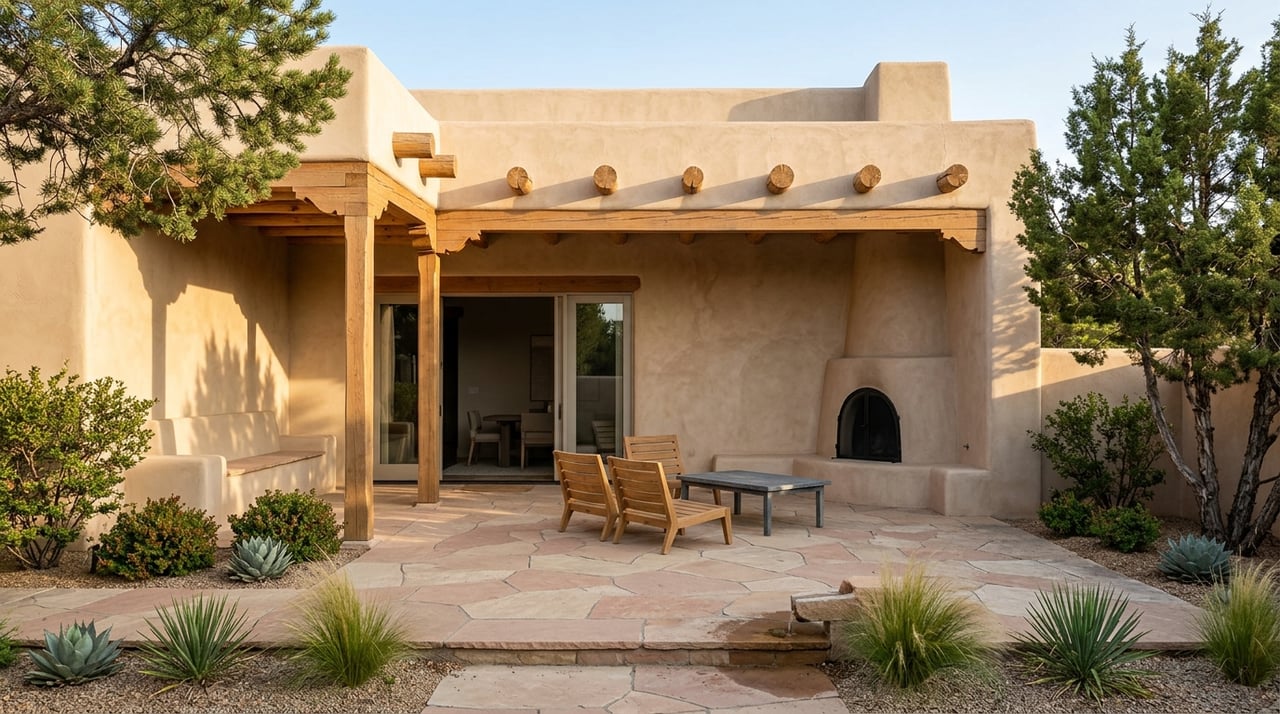
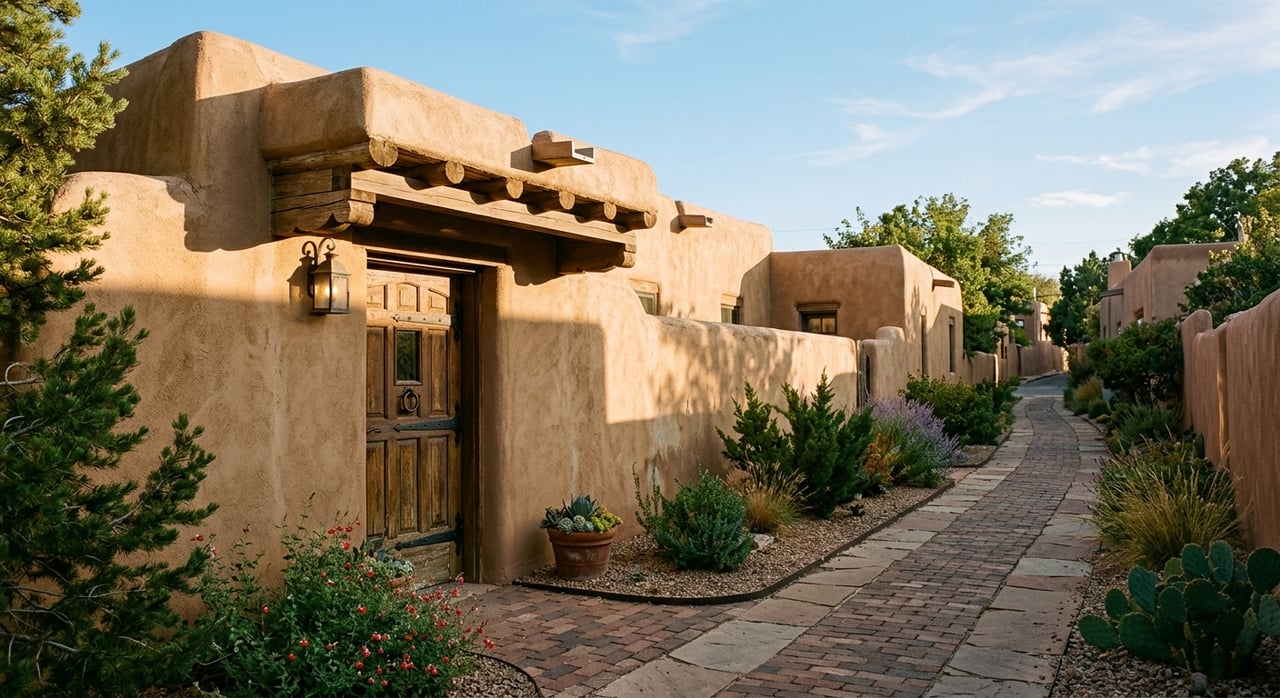
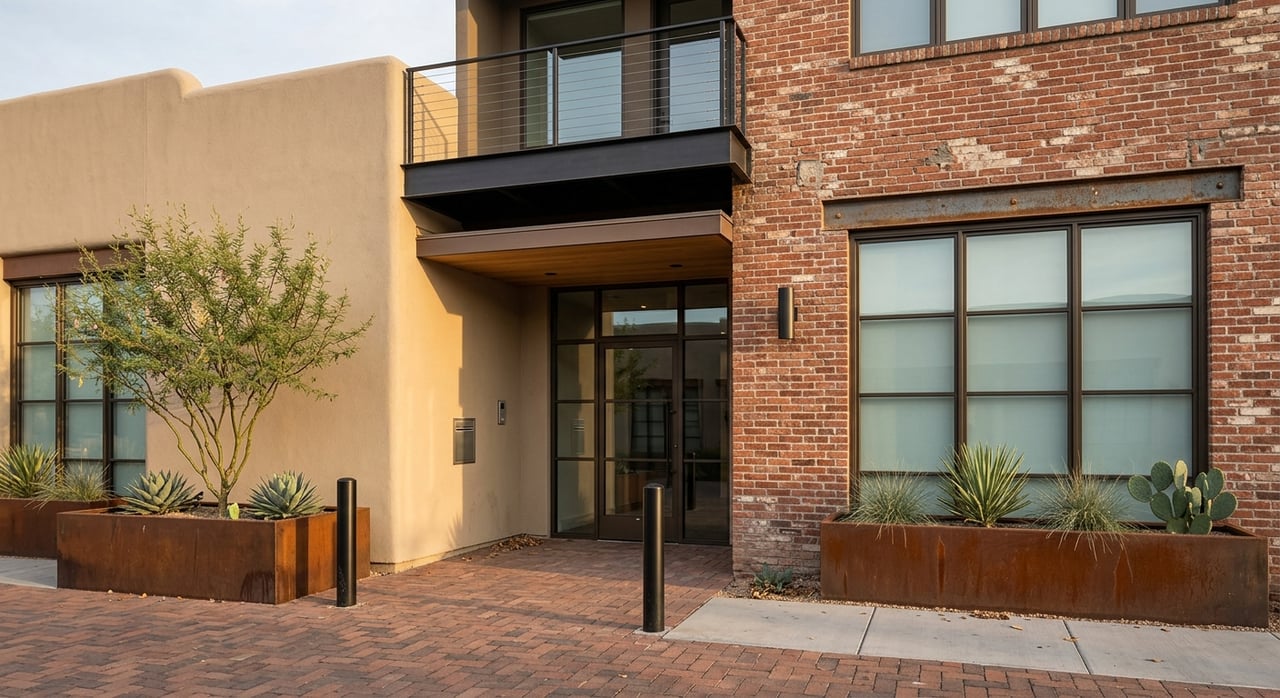
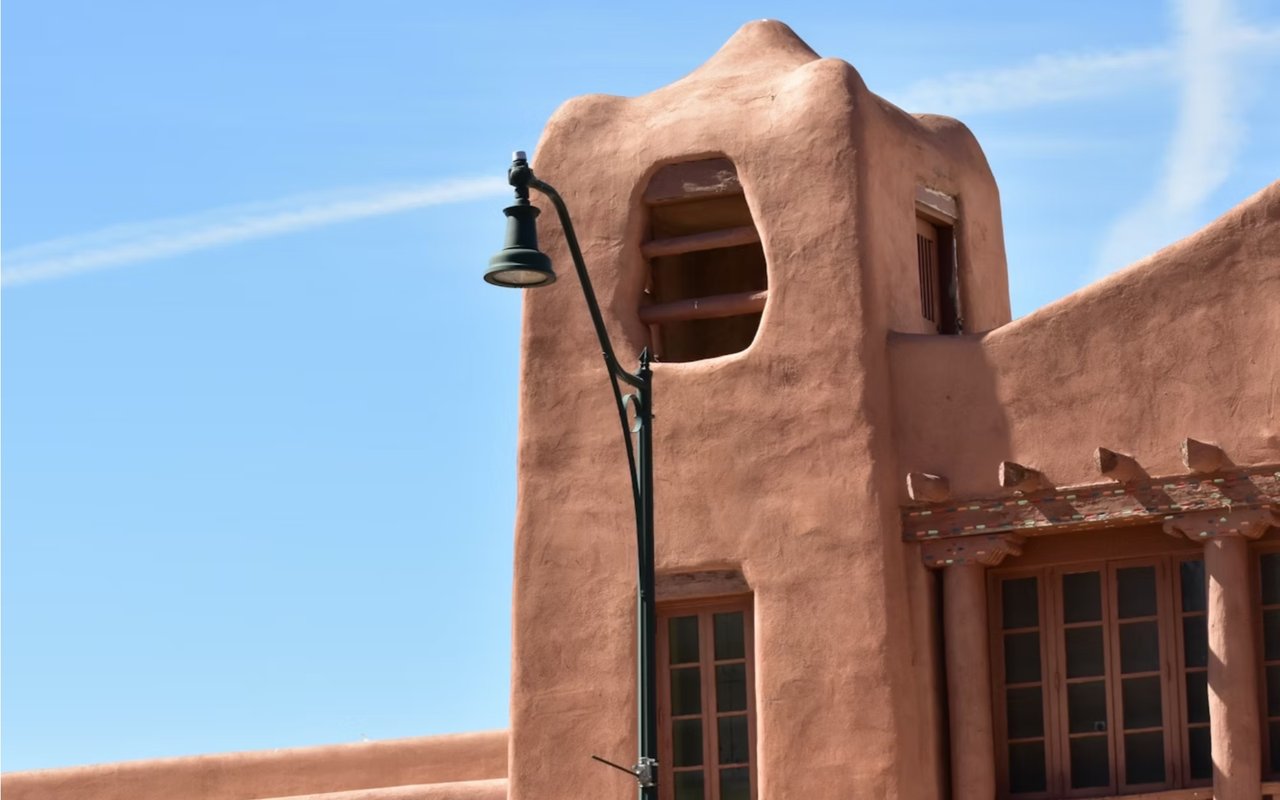
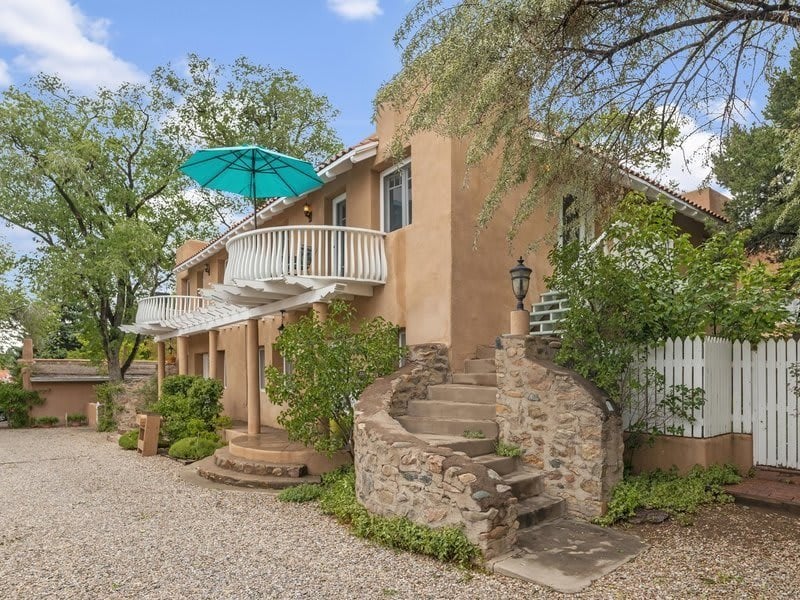
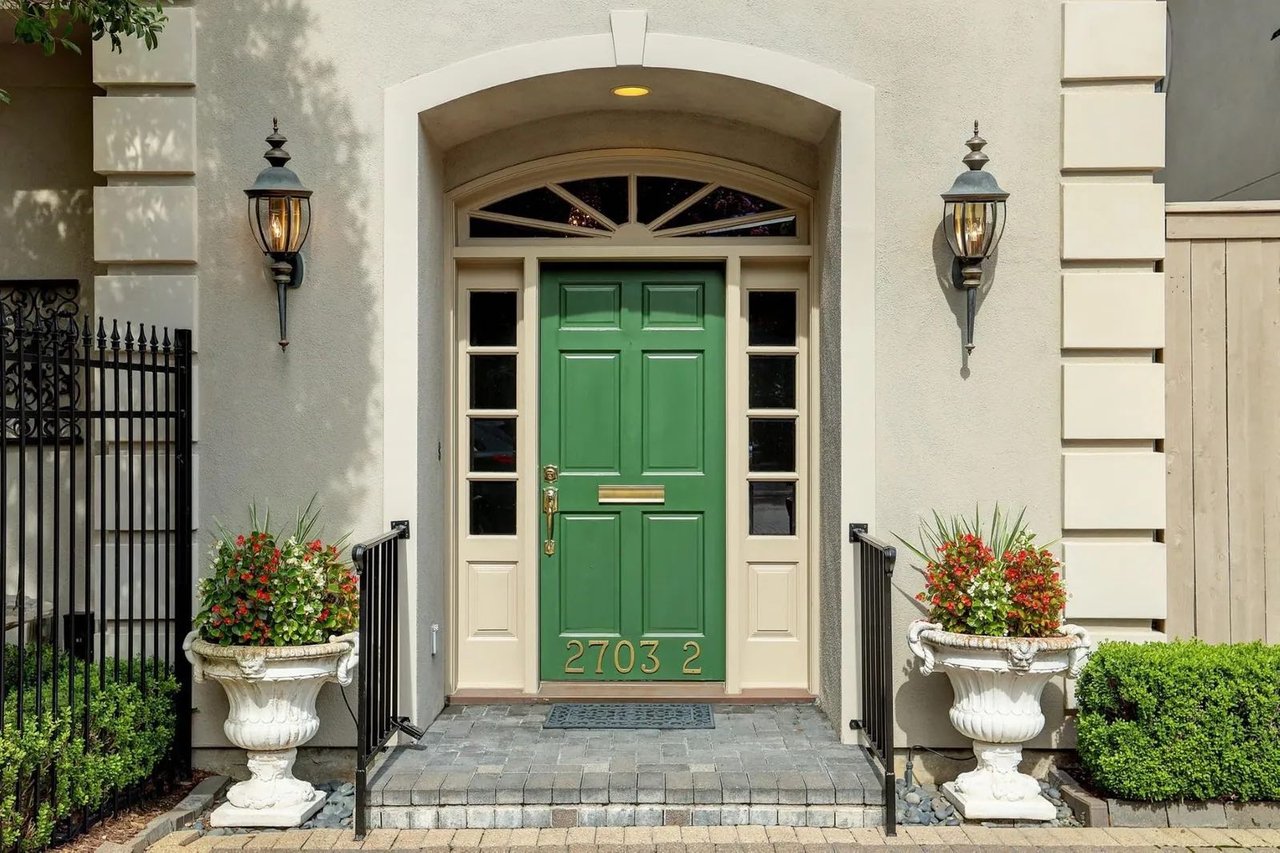
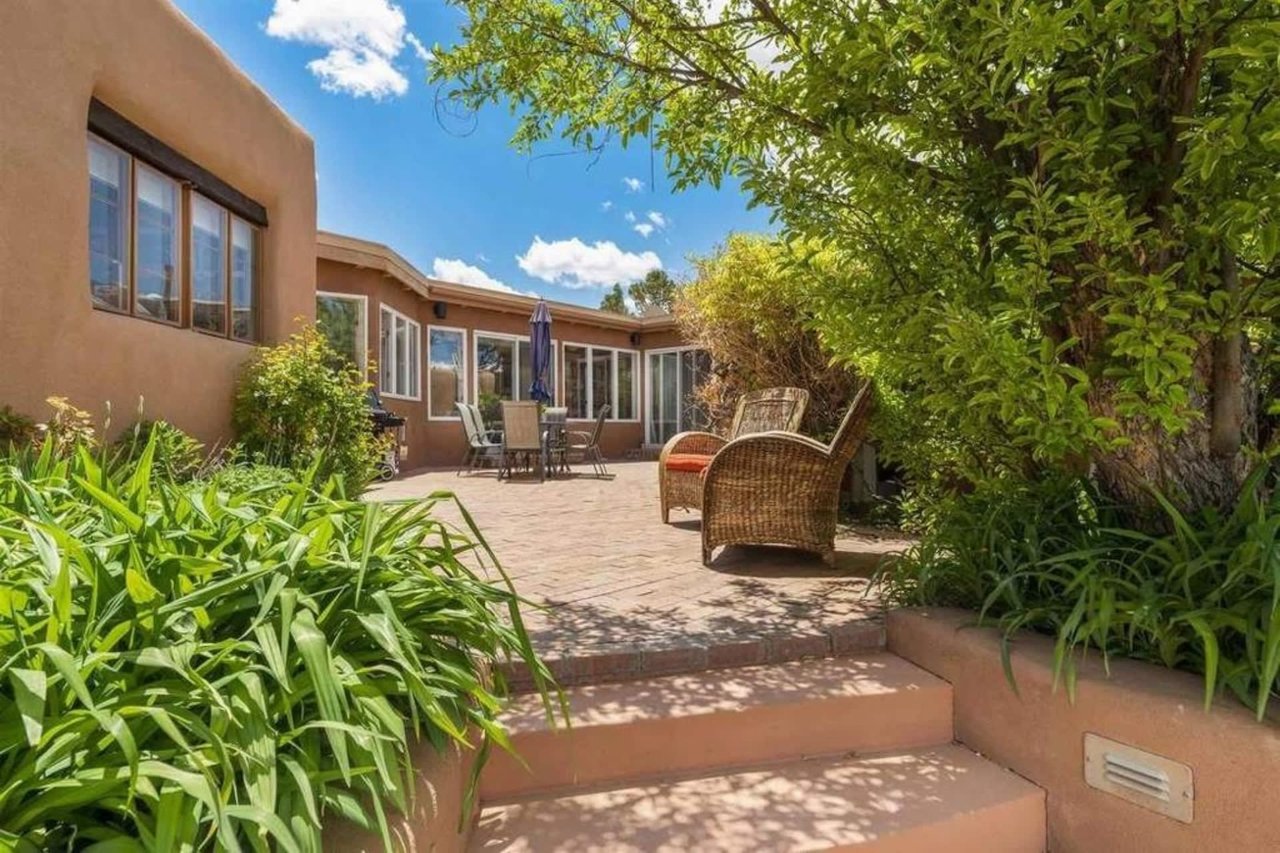
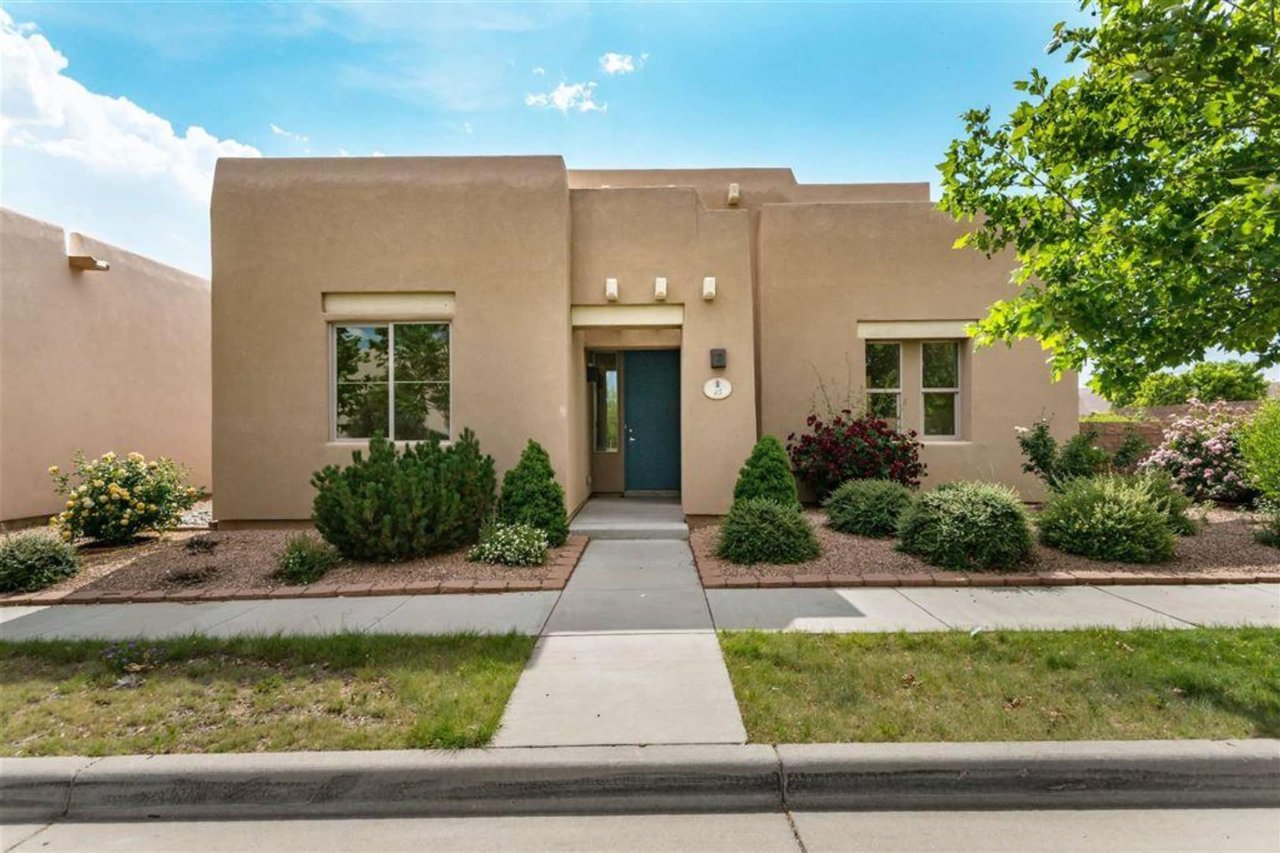
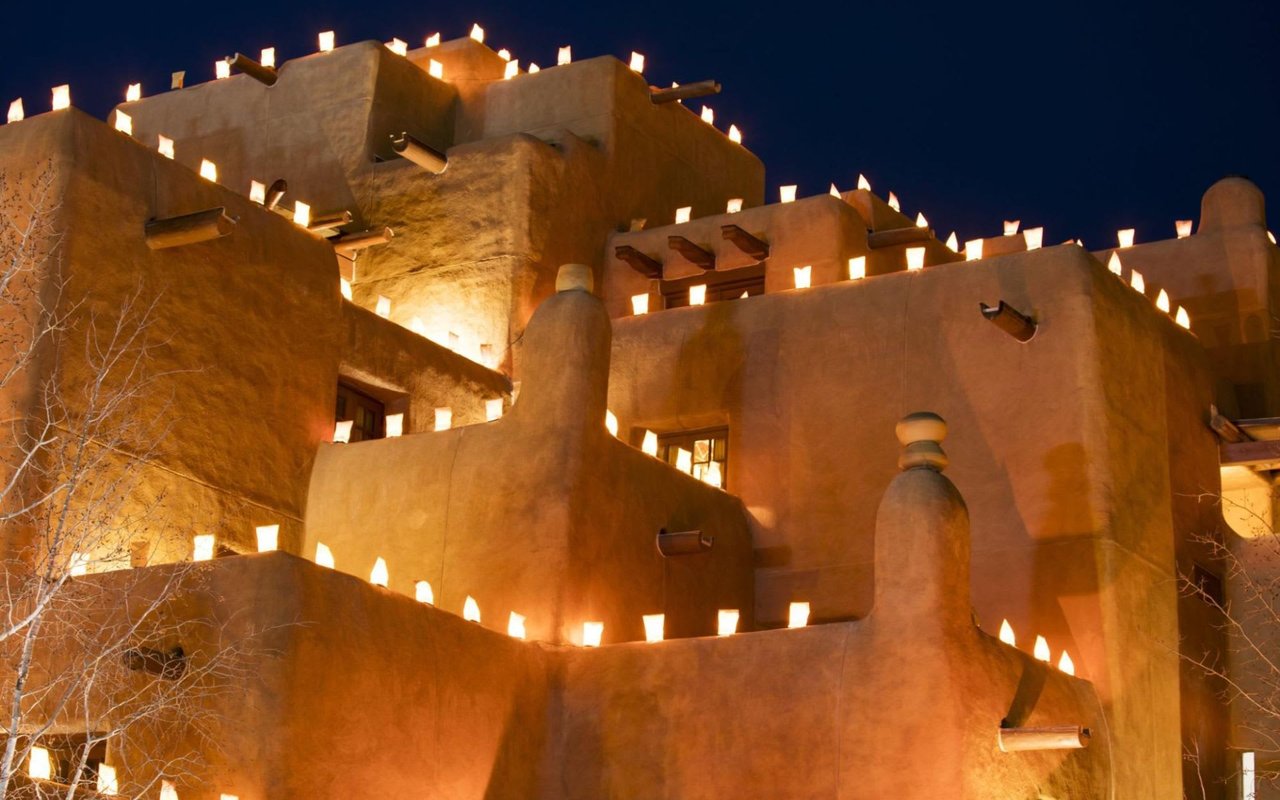
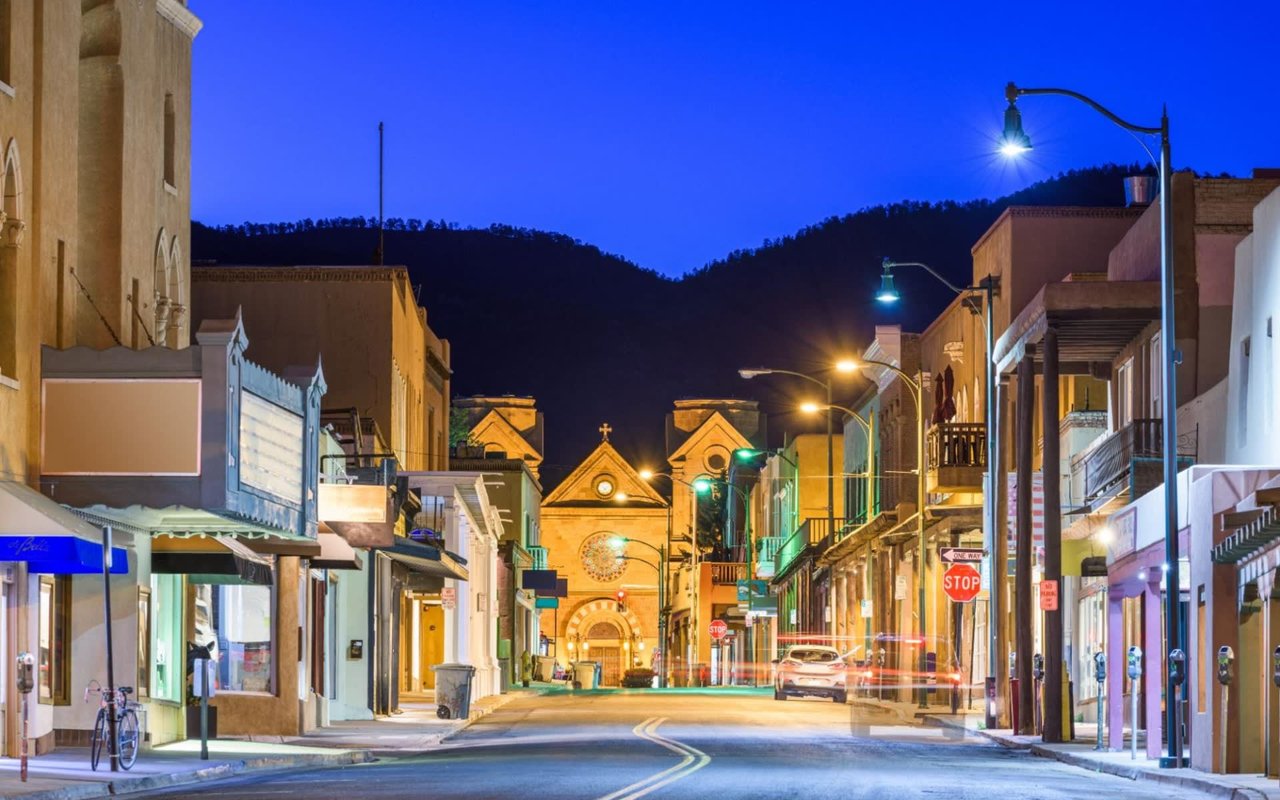
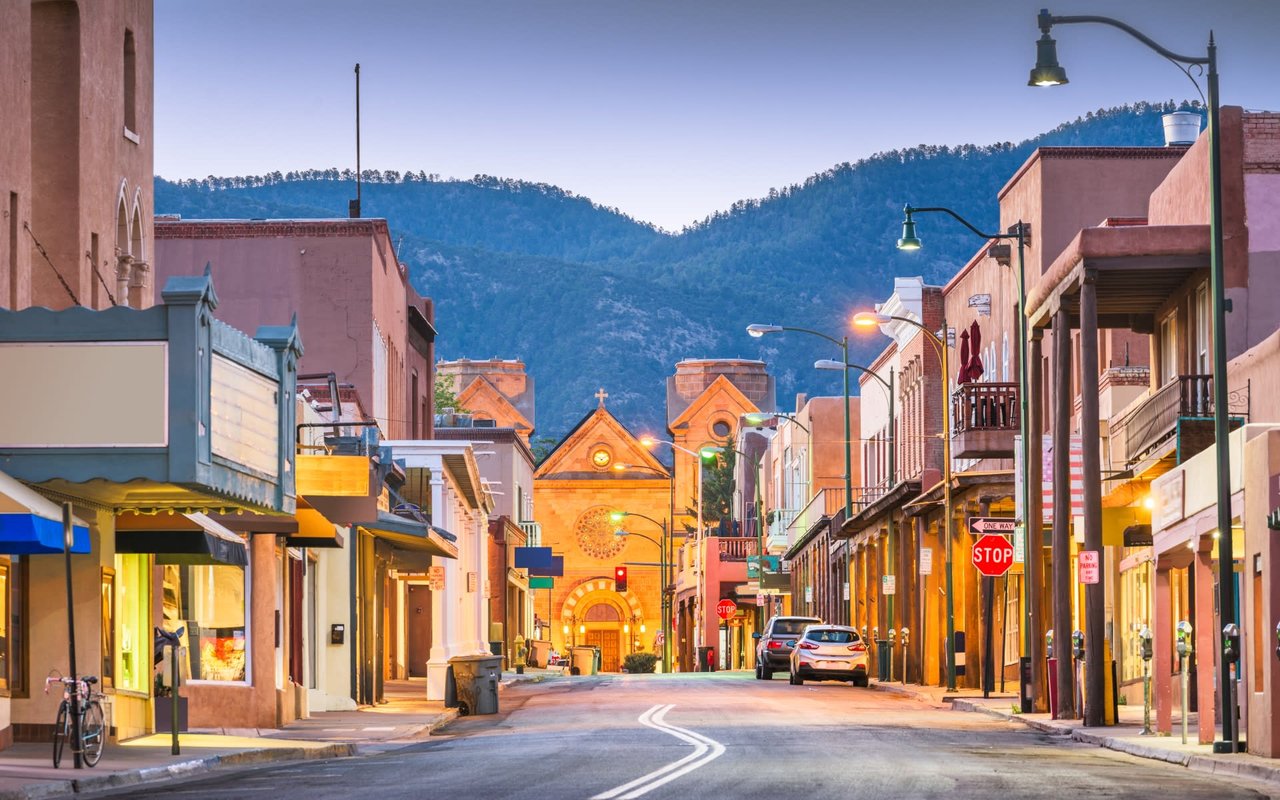
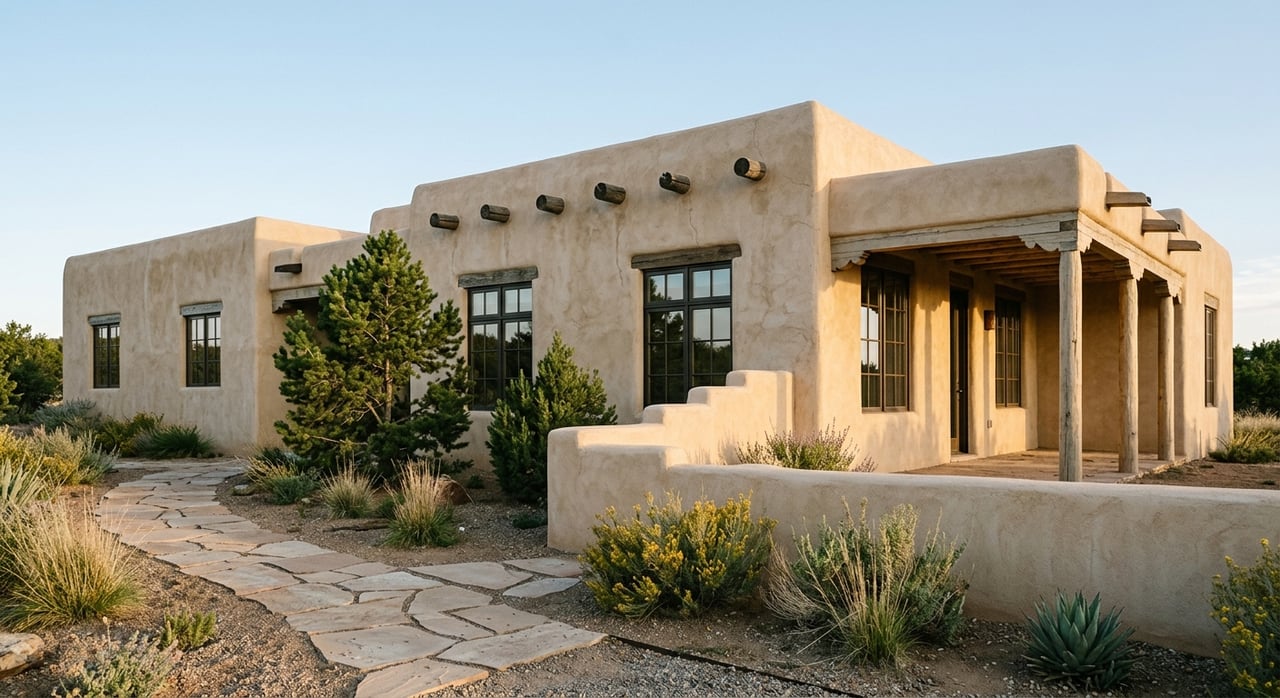
Historic Eastside is the stronger fit if you picture classic Santa Fe architecture, narrow streets, adobe walls, and easy access to galleries and downtown destinations. The City of Santa Fe’s Downtown and Eastside Historic District includes areas such as Canyon Road, Acequia Madre, Camino del Monte Sol, and East Palace Avenue. It contains many of the city’s oldest and best-preserved Spanish-Pueblo and Territorial buildings.
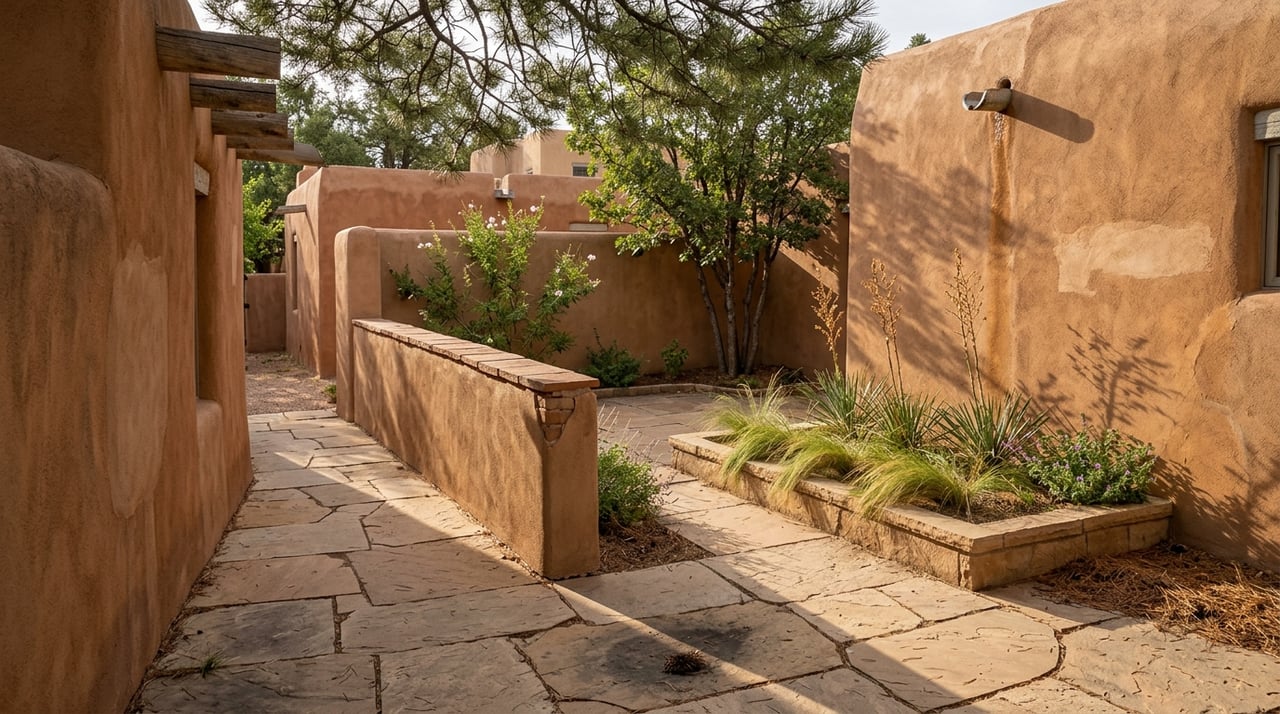
The streetscape is part of the appeal. You get a more enclosed, intimate setting, with a long-established pattern of homes, walls, lanes, and cultural landmarks that feels deeply connected to the city’s history.
What daily life feels like
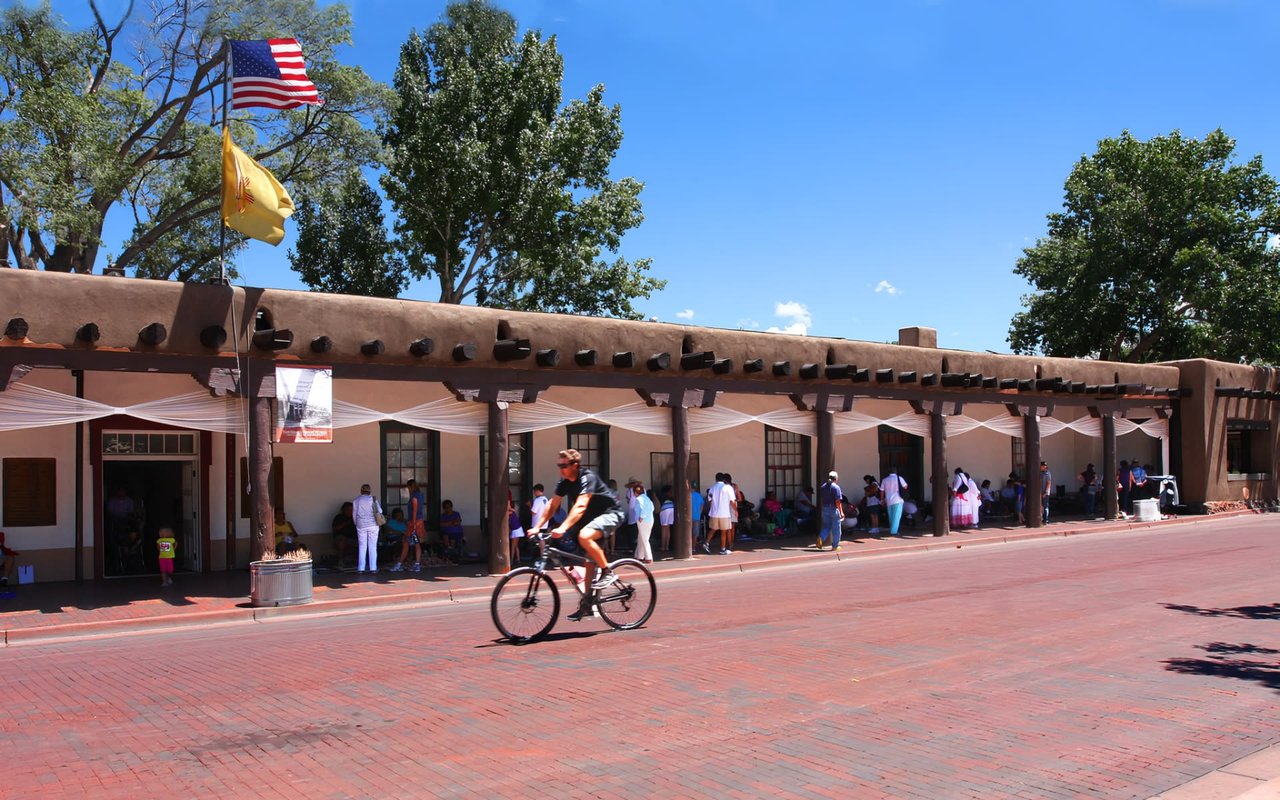
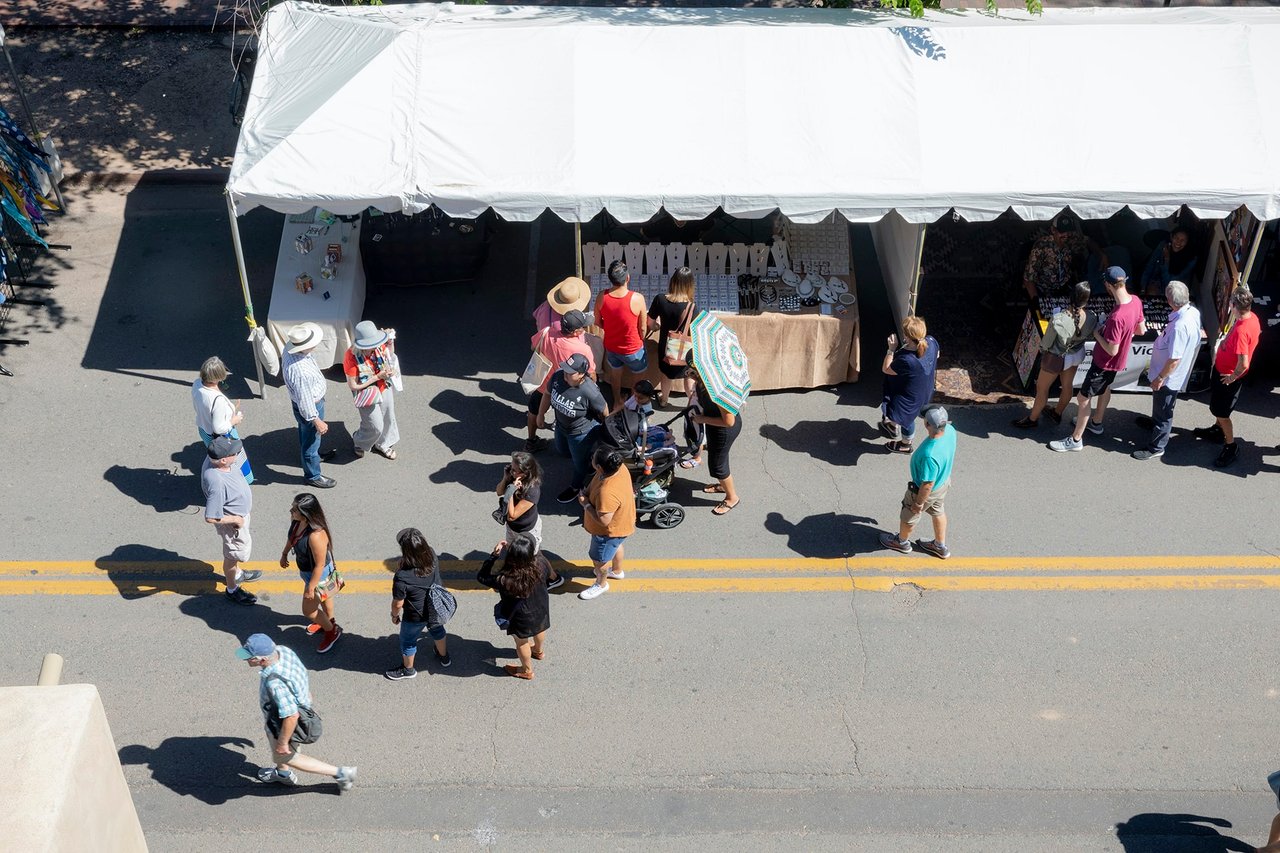
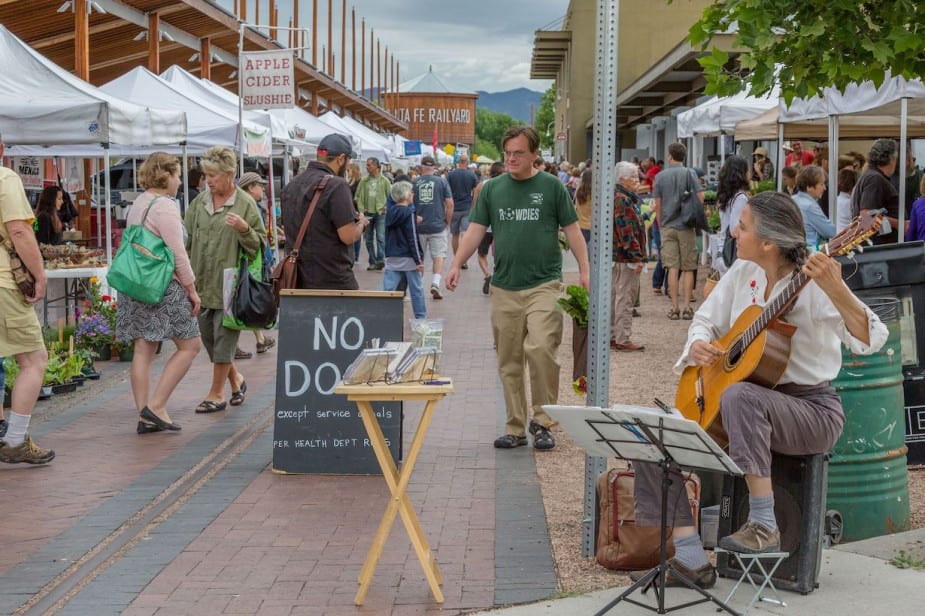
Historic Eastside tends to appeal to buyers who want to be out in the neighborhood, not just in it. Canyon Road is described as a tree-lined, pedestrian-friendly stretch, and the larger historic district blends Plaza access, retail, museums, and nearby park space.
If walk-to-it living matters, this area usually has the edge. Patrick Smith Park offers Santa Fe River access, and several well-known trails are also part of the broader outdoor conversation on this side of town, including Acequia Trail, Atalaya Trail, Dale Ball Trails, and the Santa Fe River Trail.
What to know about historic review
One practical difference is oversight. Because Historic Eastside sits within the city’s historic-district framework, exterior modifications are more likely to go through the Historic Preservation Division, and some changes may require review by the Historic Districts Review Board.
For some buyers, that is a plus because it helps preserve the visual character of the area. For others, it is an important planning factor if they expect to make exterior updates after purchase.
Museum Hill and Old Santa Fe Trail at a glance
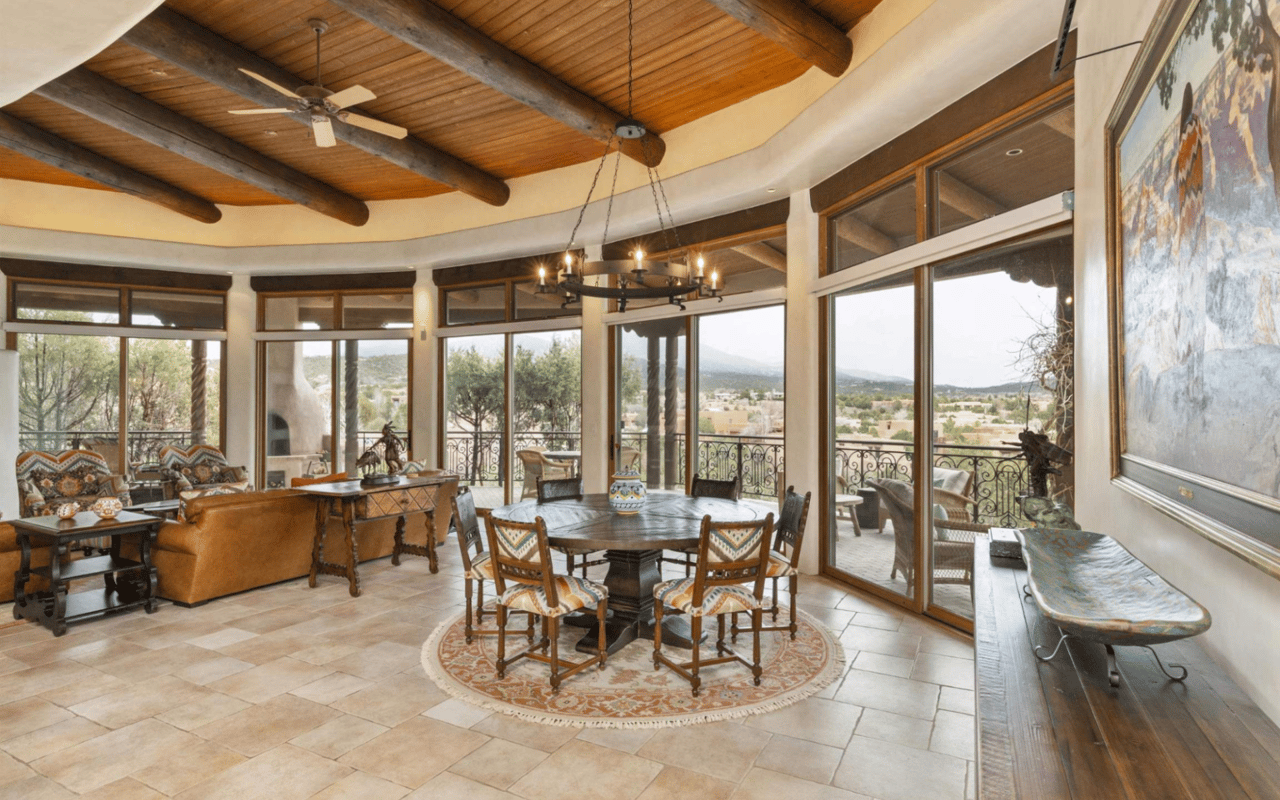
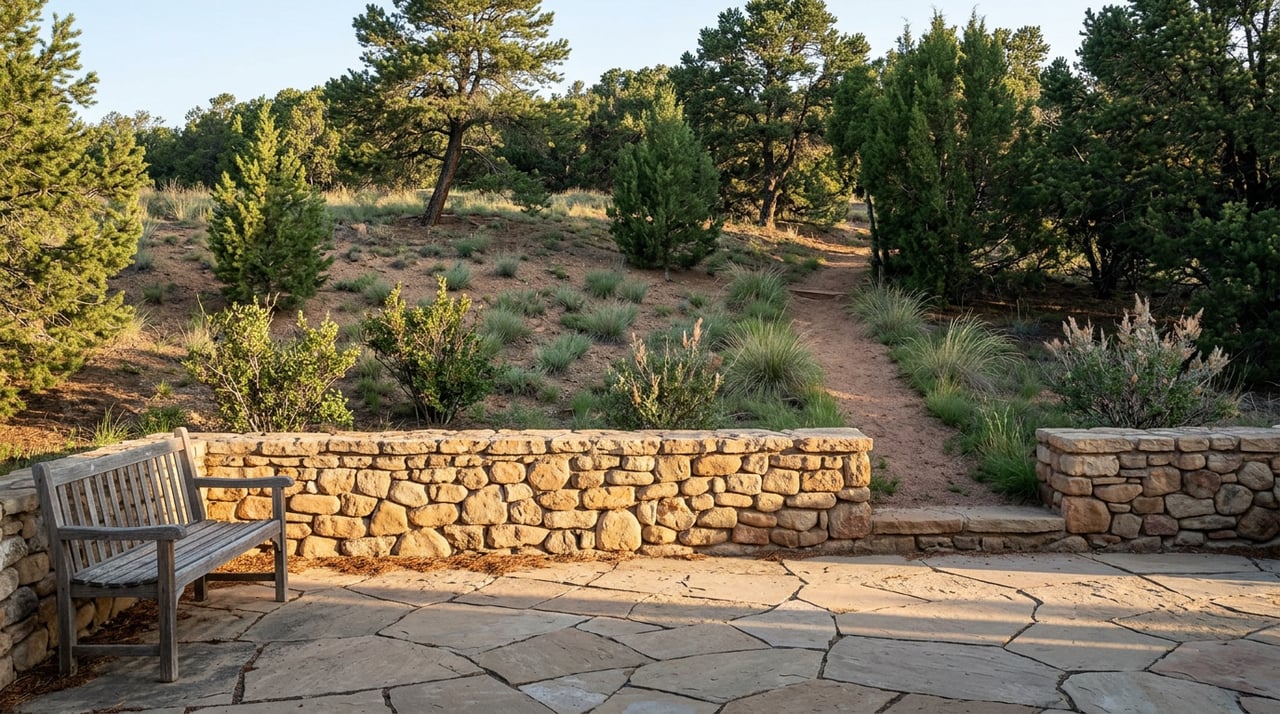
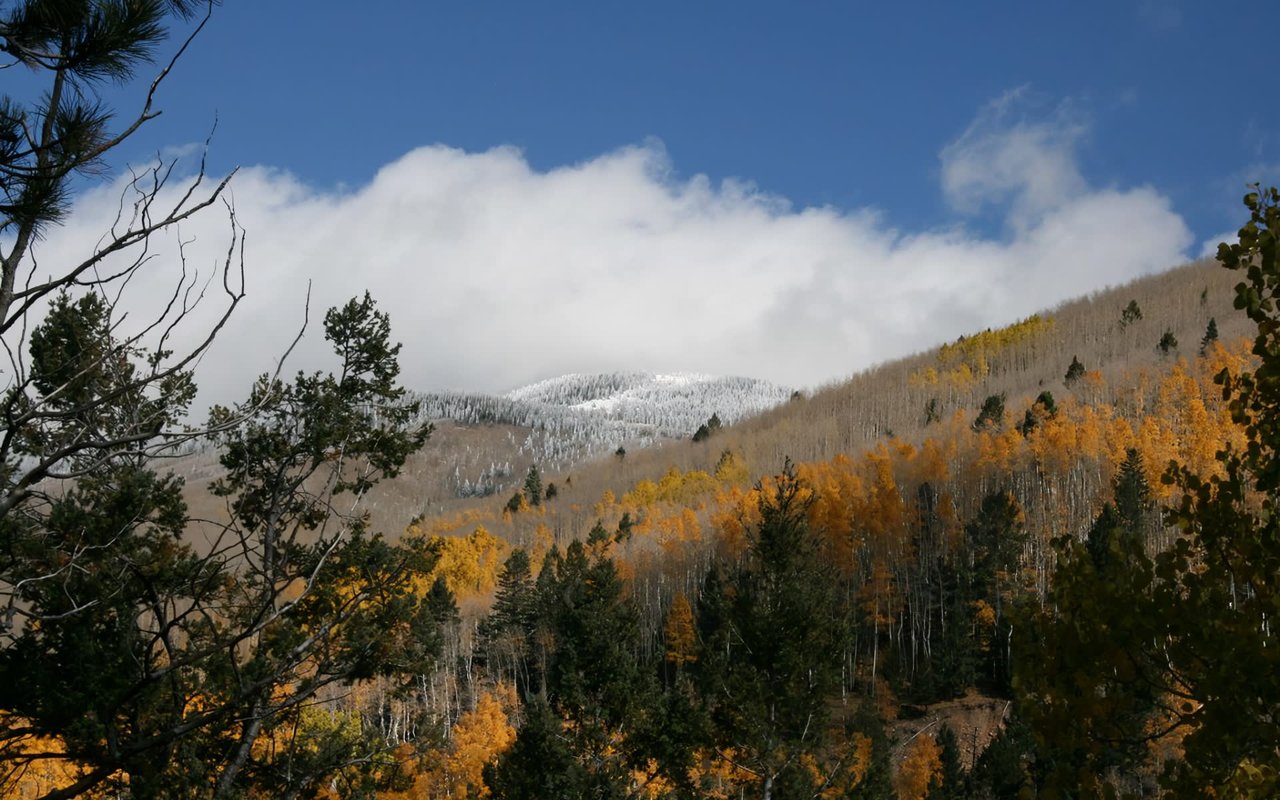
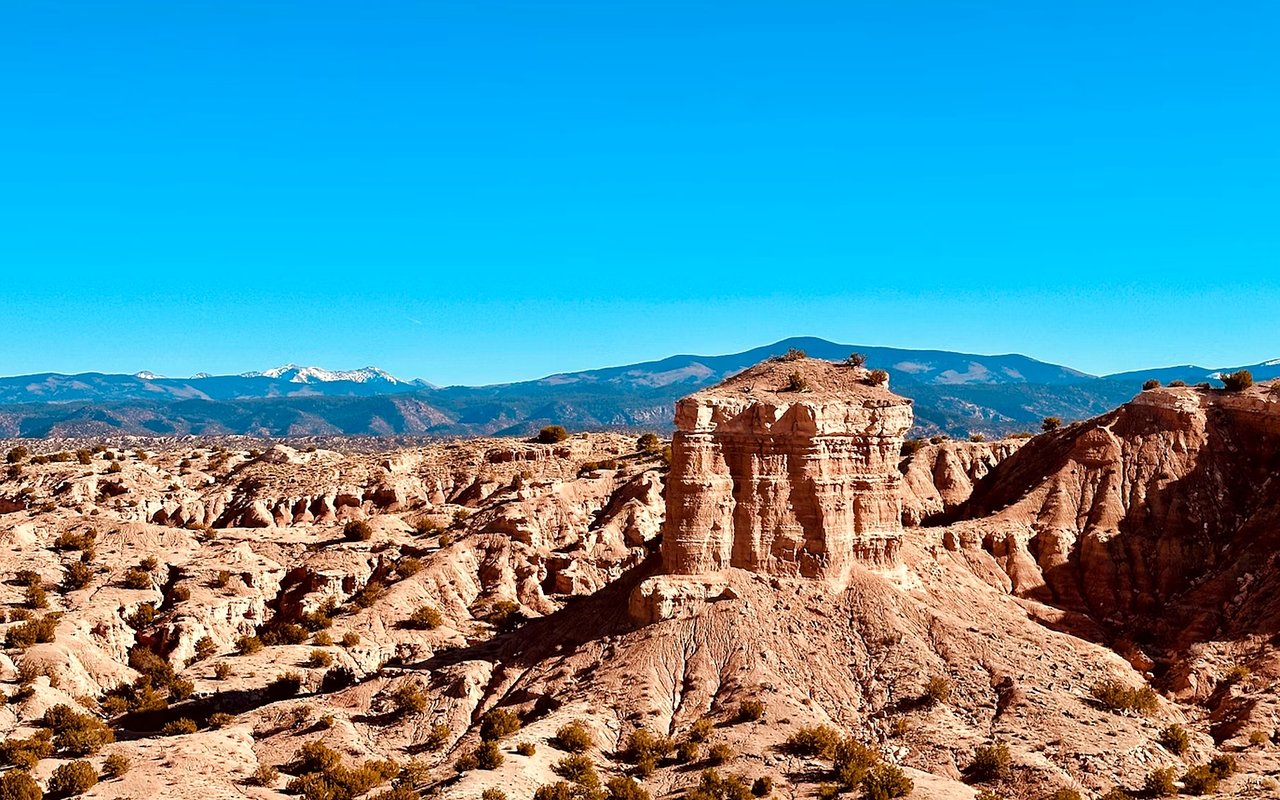
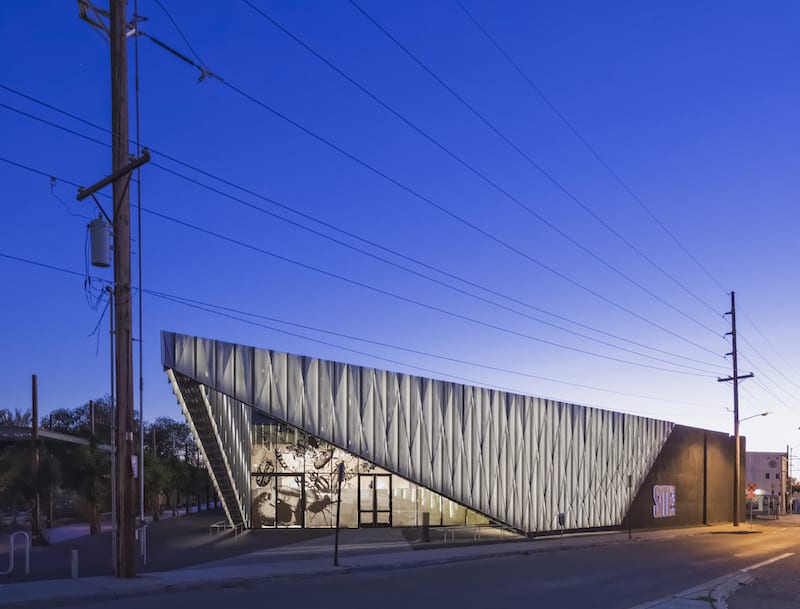
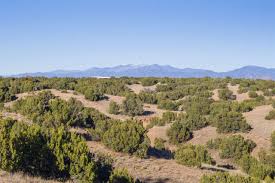
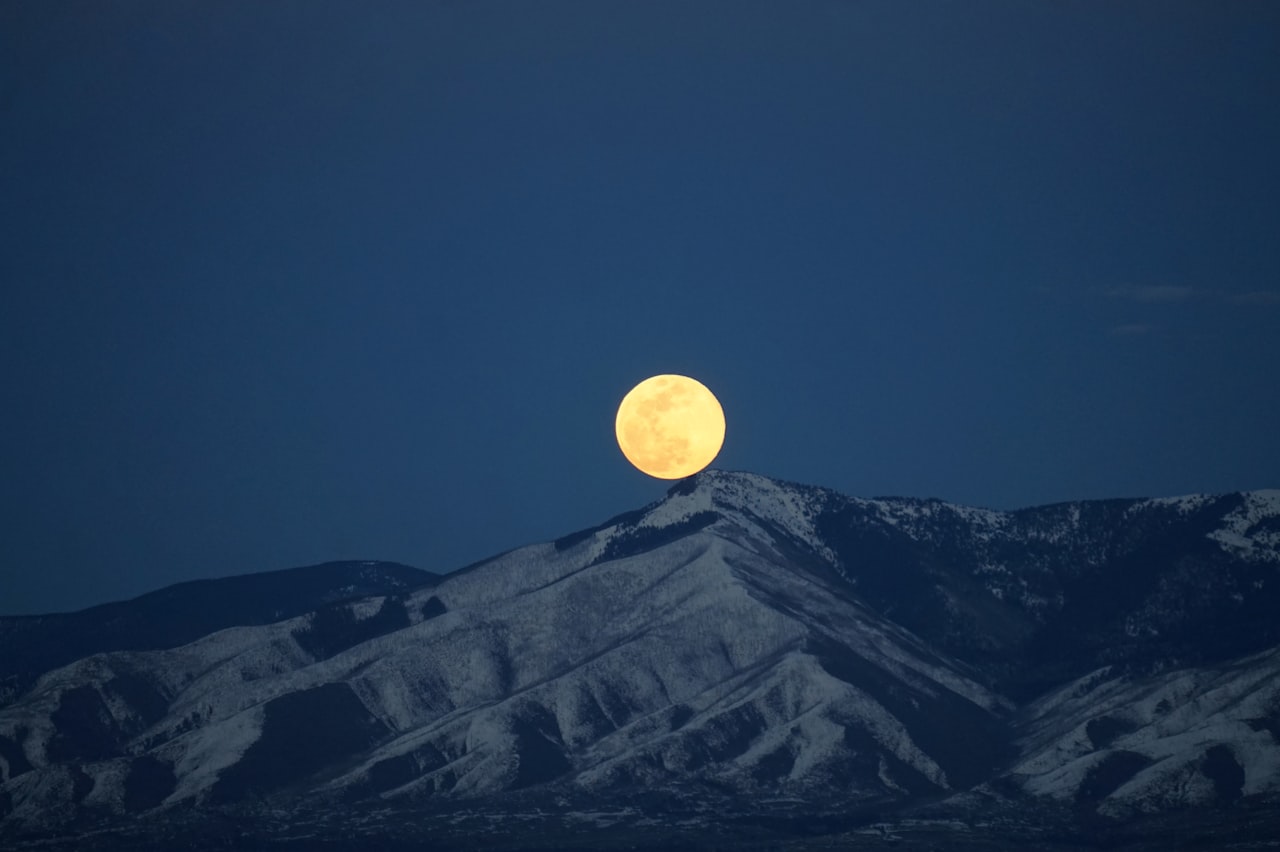
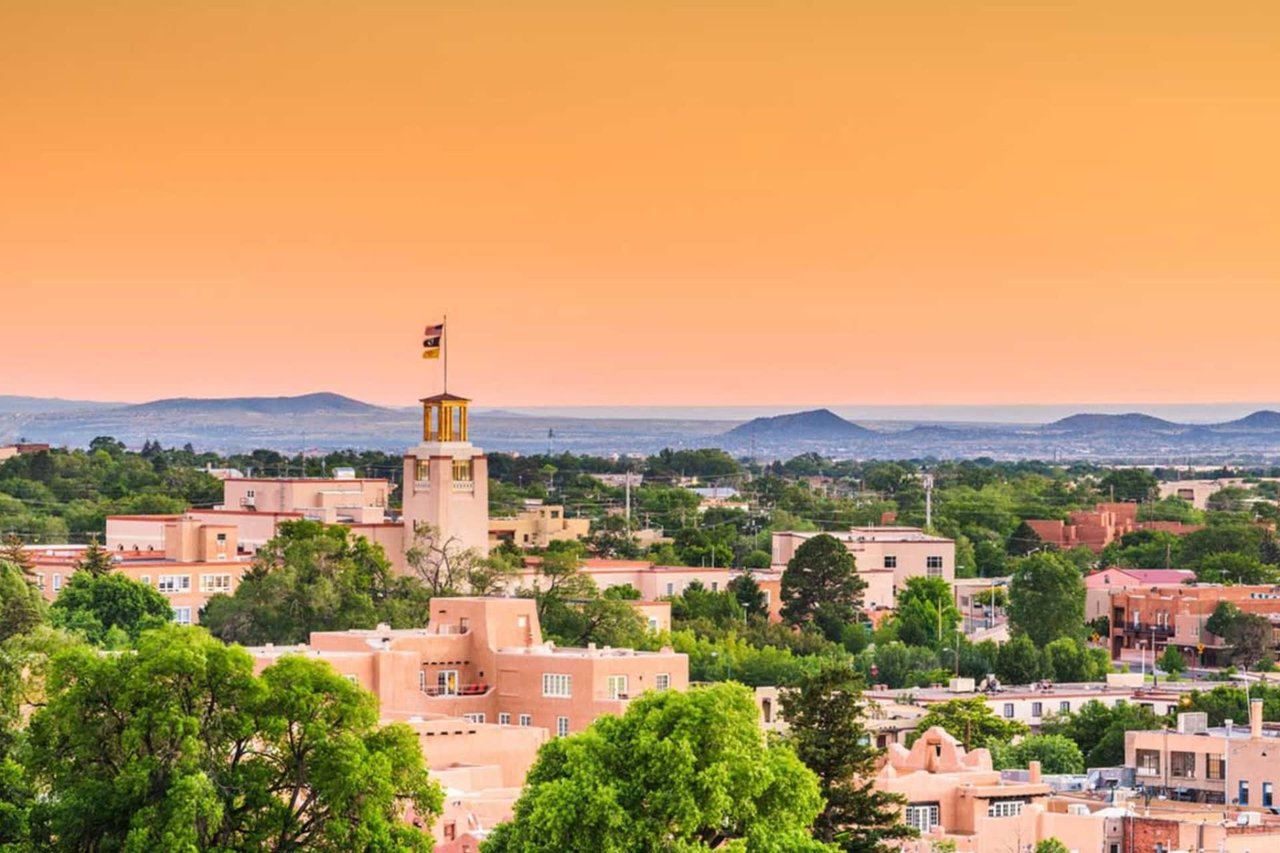
Museum Hill offers a different kind of Santa Fe experience. Tourism Santa Fe describes it as peaceful, scenic, and home to four major museums, with views, a sculpture garden atmosphere, and plenty of parking. The area sits in the foothills of the Sangre de Cristo Mountains and feels more like a cultural campus than a tight historic grid.
Along Old Santa Fe Trail, the residential pattern often feels more spread out than the Eastside core. Downtown is still close, but the lifestyle is framed more as a short drive than an around-the-corner walk.
What daily life feels like
If you value quiet, visual openness, and a little more breathing room, Museum Hill may feel like the better match. The area revolves around institutions and scenery, including the museums, the botanical garden, and hillside views.
This setting often appeals to buyers who want access to Santa Fe culture without as much day-to-day pedestrian activity outside the door. You may still be close to downtown, but the experience is usually more private and less street-centered.
Architecture and setting
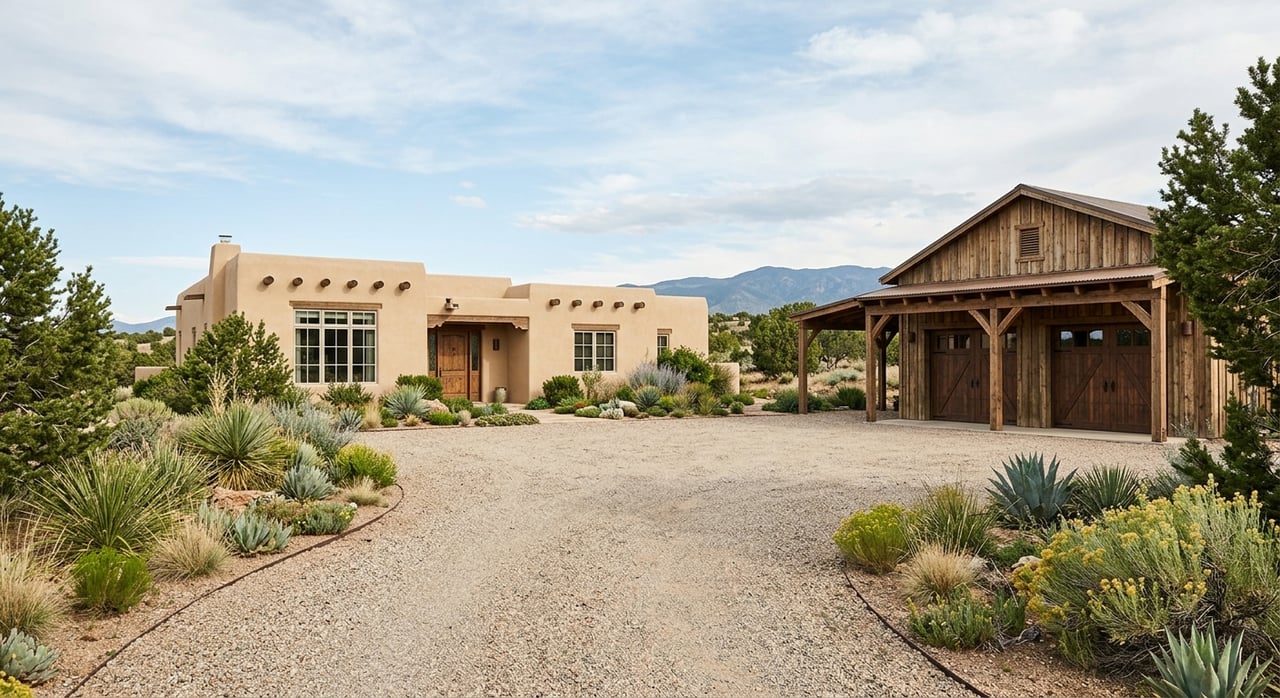
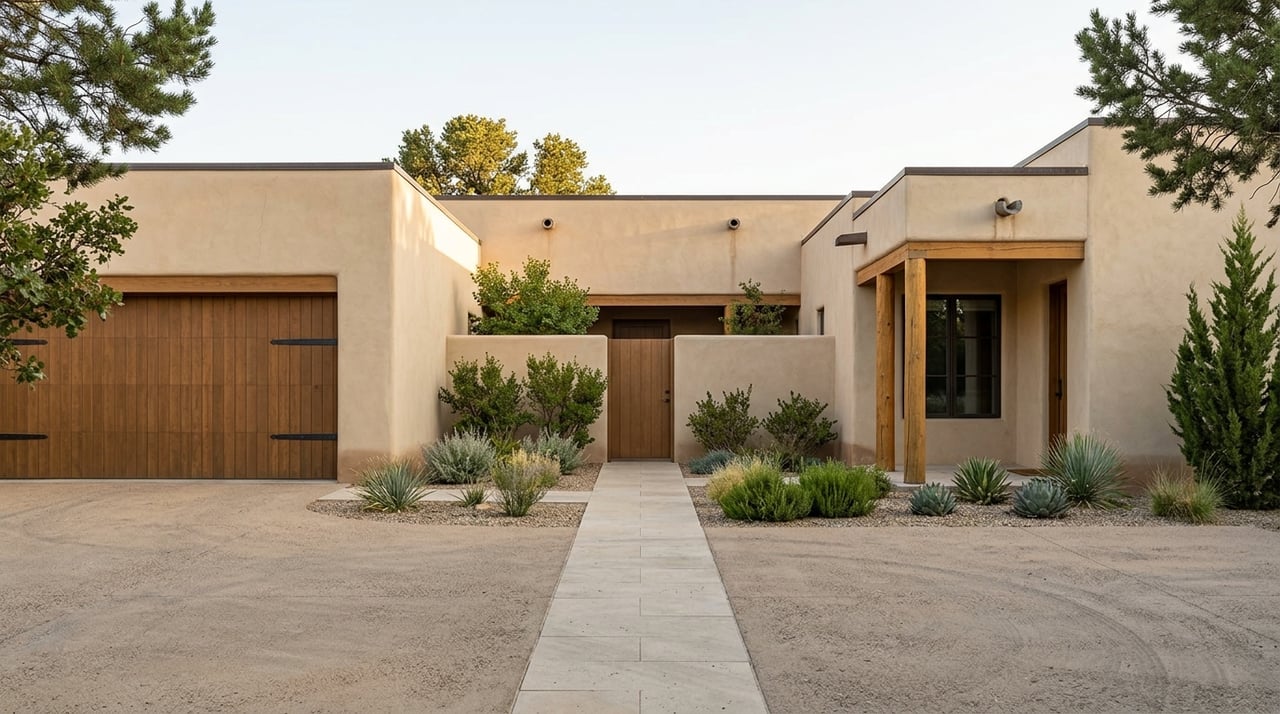
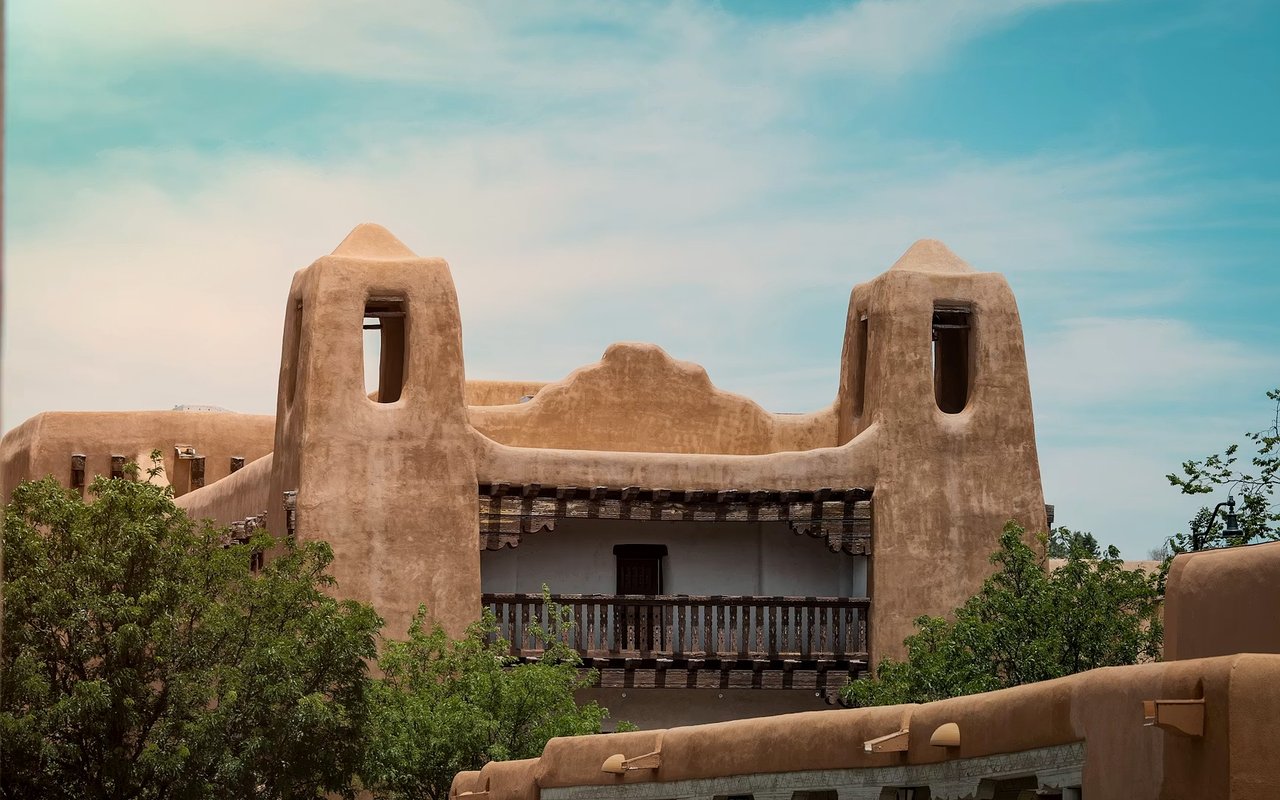
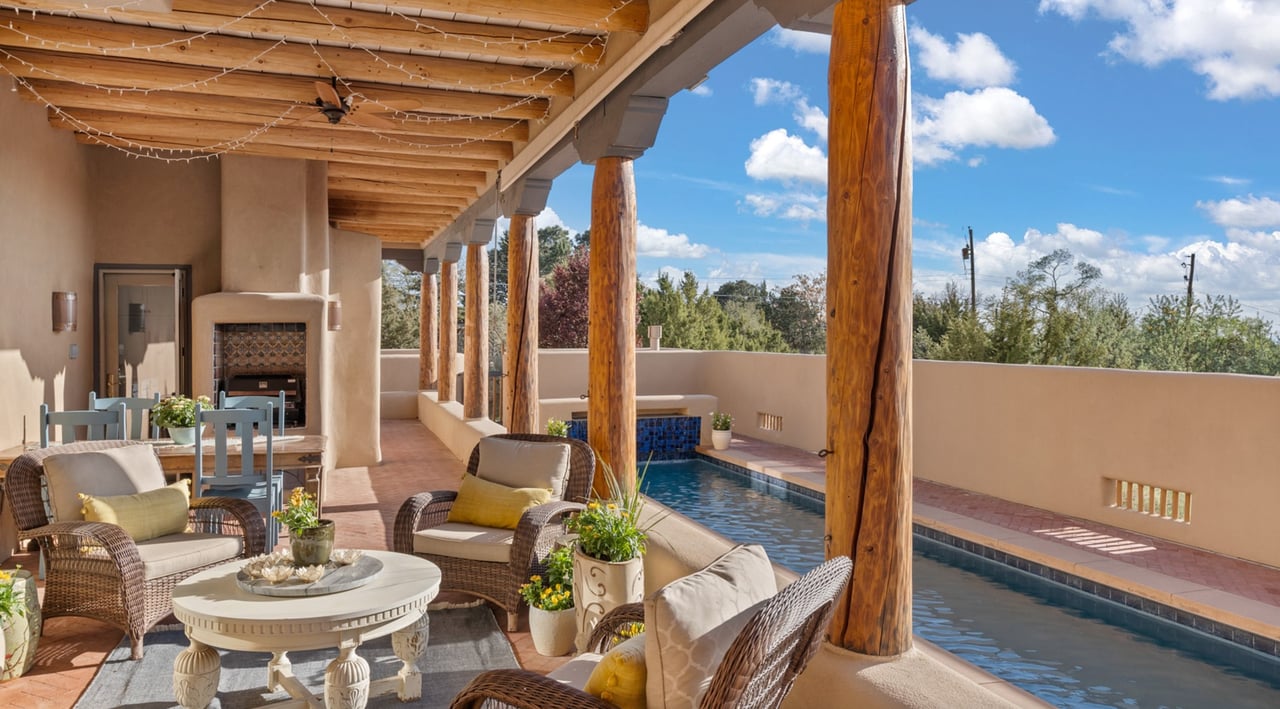
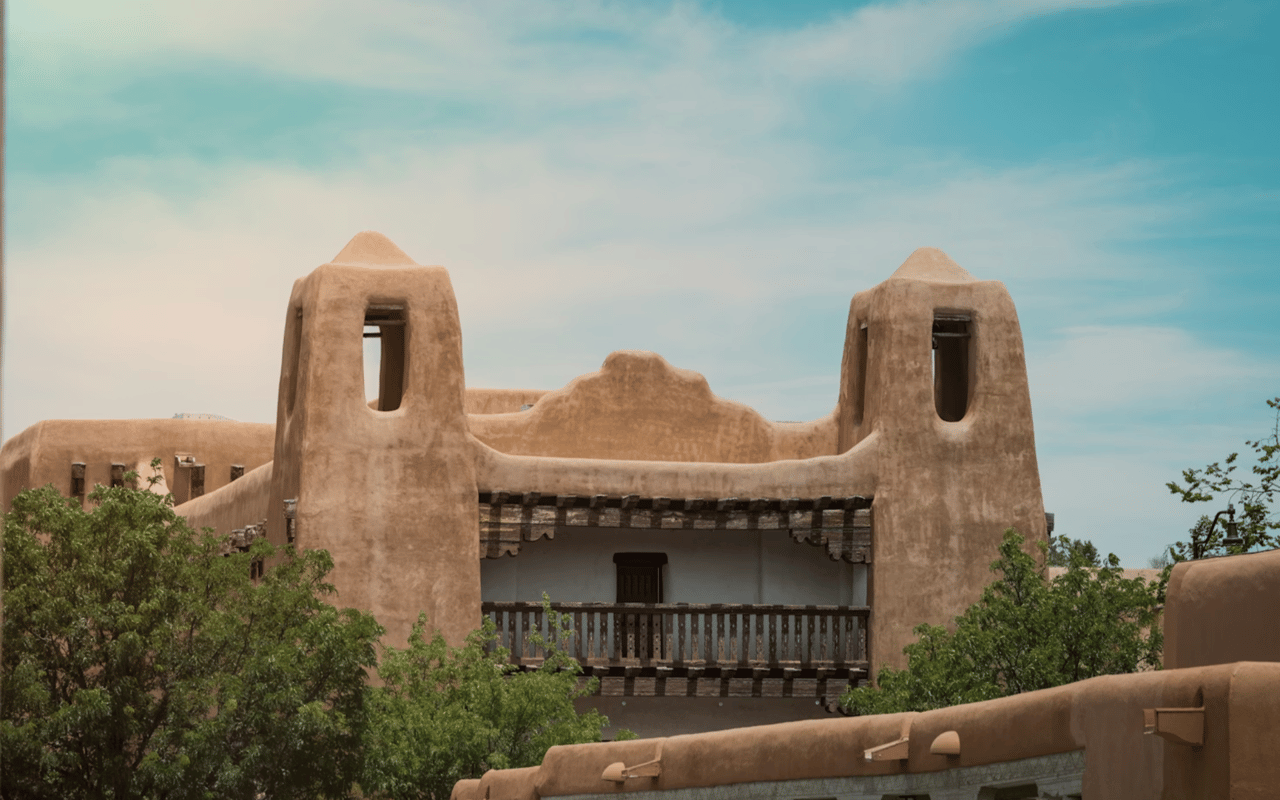
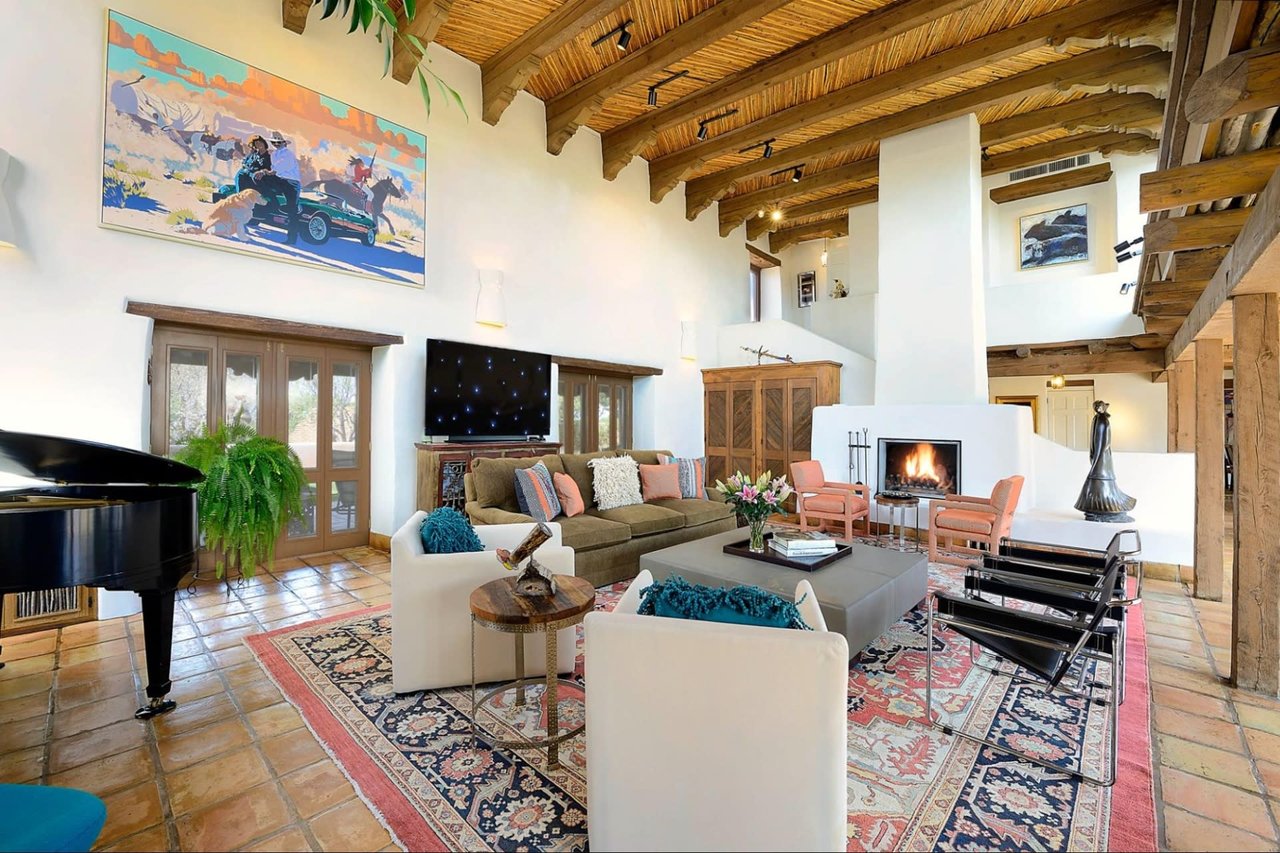
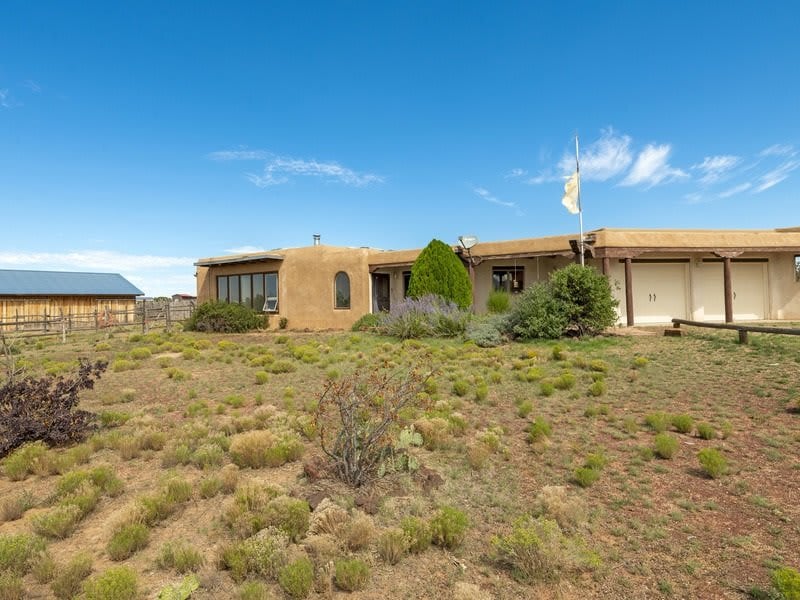
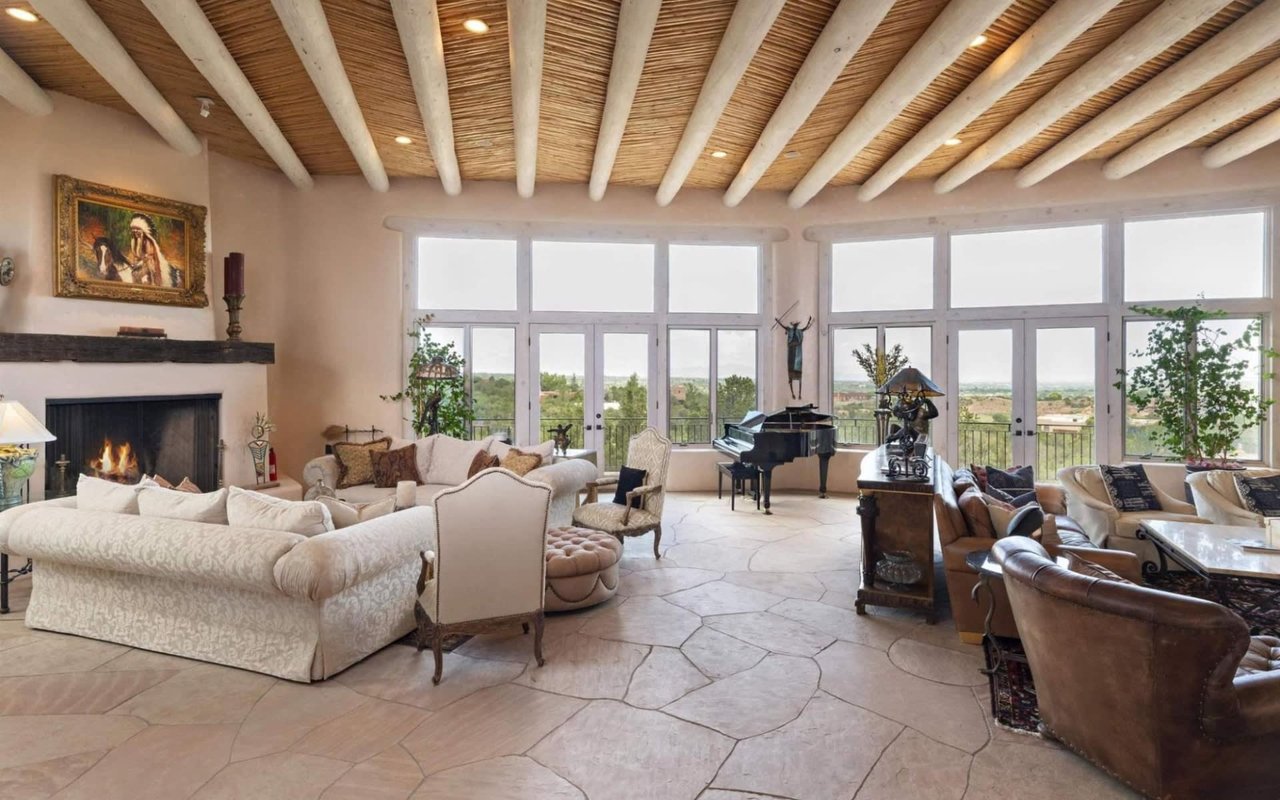
Museum Hill and the Old Santa Fe Trail corridor are more mixed in architectural feel than Historic Eastside. The museum campus includes notable Pueblo-Spanish Revival architecture, while homes in the corridor can range from updated adobe compounds to distinctive hillside residences.
That variety can be a major draw. If you are less focused on one tightly defined historic fabric and more interested in site, views, and separation, this area often gives you more range.
Lot patterns and privacy
One of the clearest differences between these two areas is how the land tends to feel. In Historic Eastside, recent listing examples commonly fall in the range of roughly 5,000 square feet to one-third of an acre, though larger exceptions do exist.
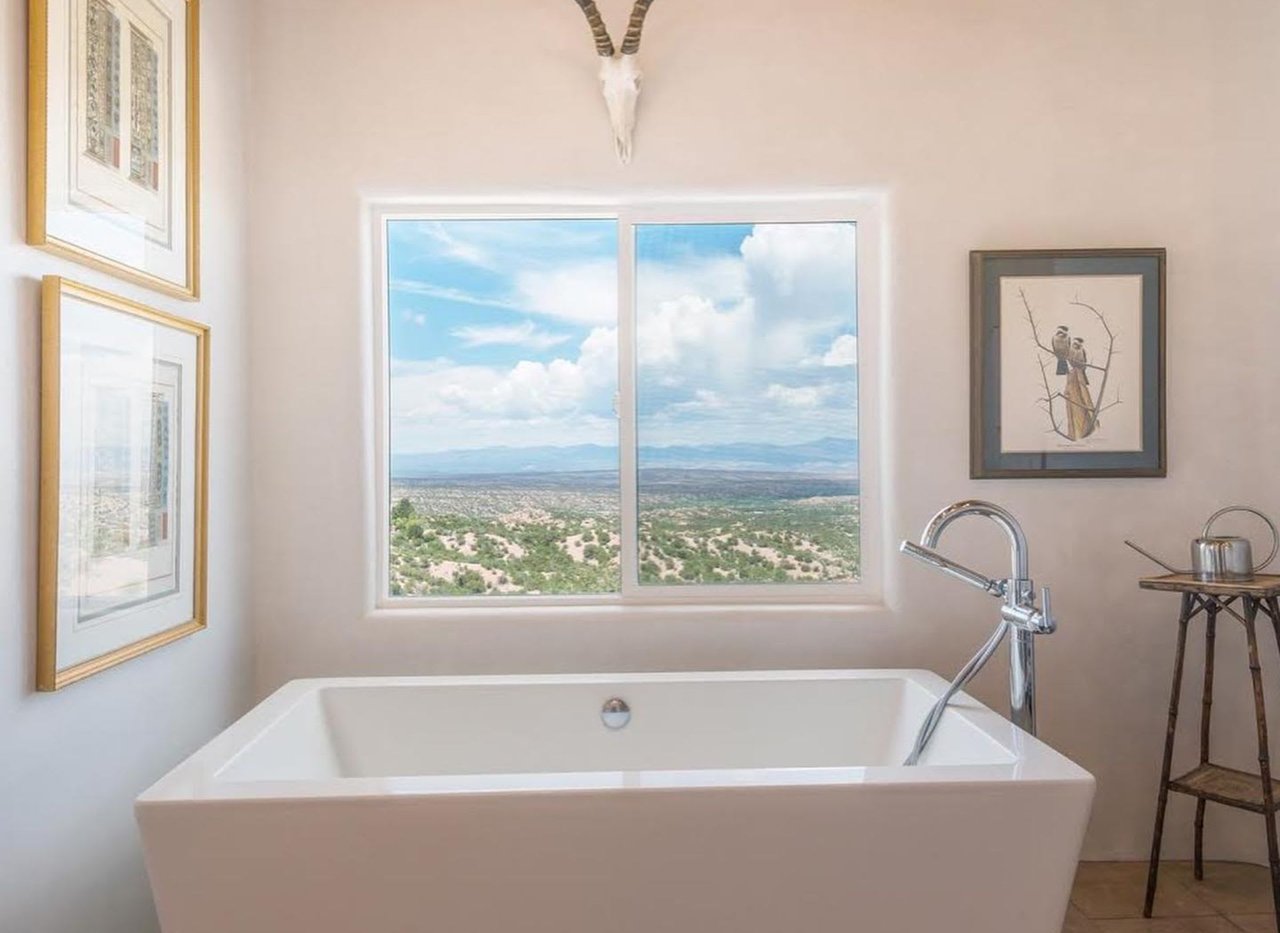
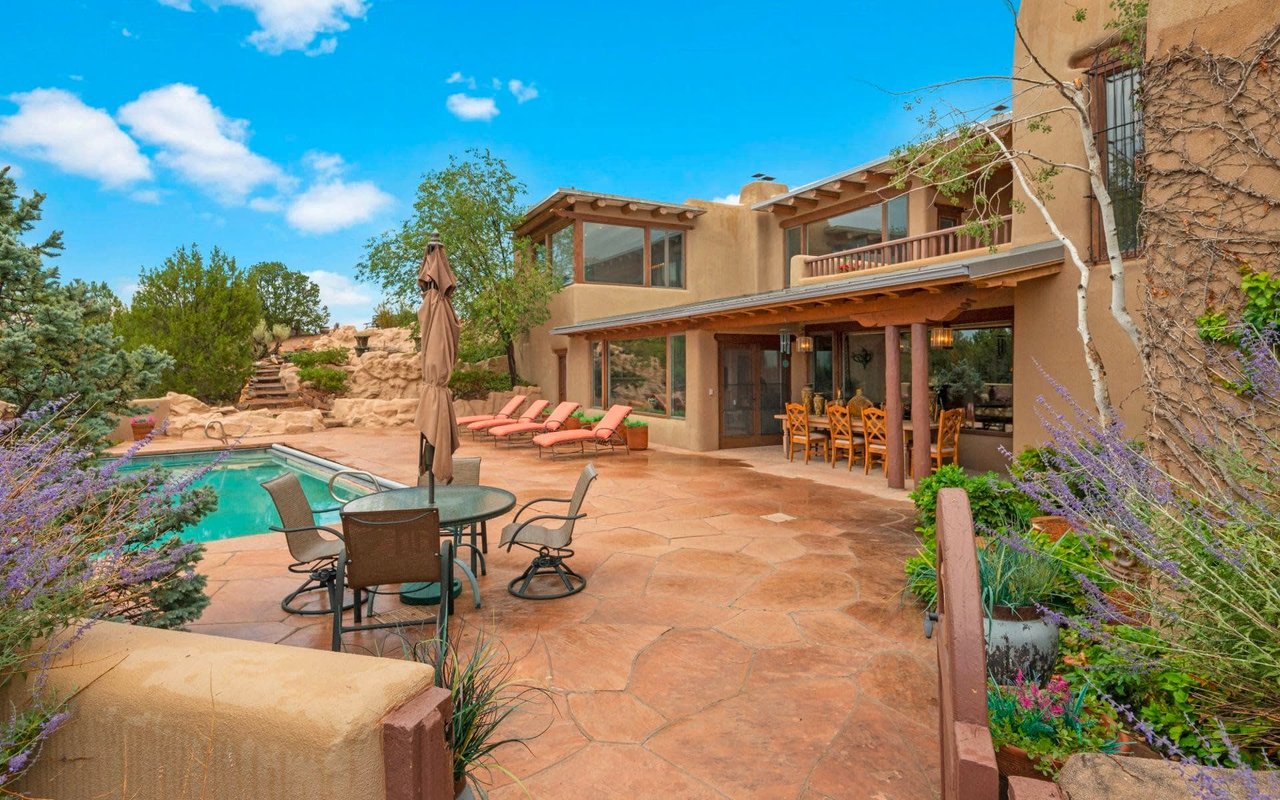
Along Old Santa Fe Trail near Museum Hill, listing examples more often show parcels over one acre, with some stretching well beyond that. These examples are not formal averages, but they support a common buyer impression that the corridor often offers more space, wider setbacks, and stronger view corridors.
Why this matters for buyers
If you want a home that feels tucked into the urban historic fabric, Eastside usually delivers that better. If you want greater separation from neighbors, room to spread out, or a setting shaped more by land and topography, Old Santa Fe Trail often makes more sense.
This can influence everything from your sense of privacy to how your outdoor space functions. It can also affect how much of Santa Fe you experience on foot versus by car.
Walkability versus ease of driving
Many buyers eventually come down to this one tradeoff. Historic Eastside is generally the stronger choice for a lifestyle built around walking to galleries, the Plaza, and nearby cultural spots. The street network and destination density support that rhythm.
Museum Hill offers a different convenience. It is less about stepping into a busy street scene and more about easy access, easier parking, and a quieter return home.
Neither is better in the abstract. It depends on whether you want your neighborhood to feel active and connected at street level or calm and set apart.
Preservation versus flexibility
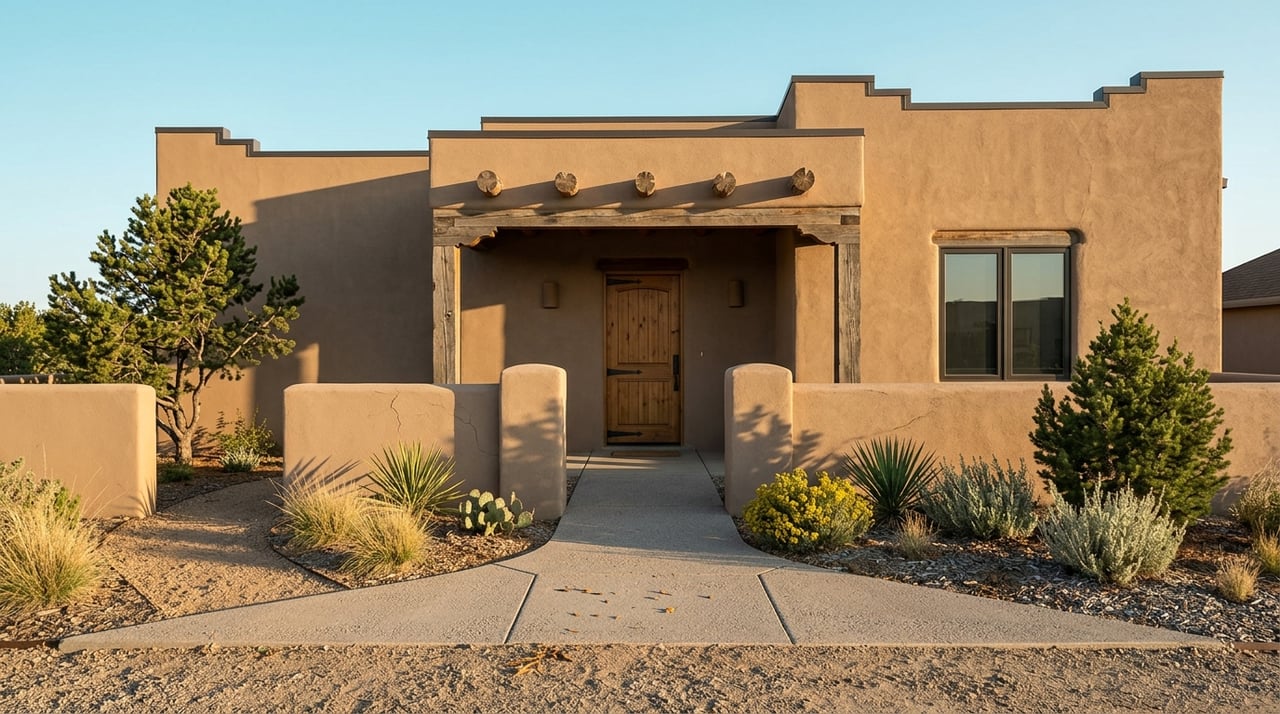
Historic Eastside often wins on authenticity and continuity of character. Buyers drawn to classic adobe, Territorial, and Pueblo Revival forms usually see that as part of the value. The flip side is that exterior changes can involve more review because of the historic-district framework.
Old Santa Fe Trail and Museum Hill can offer a little more variety in how homes relate to their lots and surroundings. While each property should be evaluated on its own terms, the corridor is generally less defined by one preserved streetscape and more by setting, architecture, and views.
Which area fits your priorities?
Here is a simple way to think about the choice.
Choose Historic Eastside if you want:
- Classic Santa Fe historic character
- Narrow streets and a more enclosed neighborhood feel
- Close access to Canyon Road, the Plaza, and downtown activity
- A lifestyle that feels more alive on foot
- A home in a well-defined historic setting
Choose Museum Hill or Old Santa Fe Trail if you want:
- A quieter foothill setting
- Larger parcels or more separation from neighbors
- Views and stronger topographic character
- Immediate access to museums and the botanical garden
- Easier parking and a drive-oriented lifestyle
The block matters as much as the label
This is where local guidance becomes especially valuable. Both Historic Eastside and the Old Santa Fe Trail corridor contain exceptions, and a single property can break the usual pattern of its area.
You may find an unusually large Eastside parcel or a more intimate Old Santa Fe Trail property that feels closer to town than expected. That is why the best decision usually comes from touring homes with a clear understanding of your priorities, not just comparing neighborhood names on a map.
How to decide with confidence
Before you choose between these two Santa Fe lifestyles, ask yourself a few direct questions:
- Do you want to walk to cultural destinations, or are you comfortable driving for most errands and outings?
- Is historic texture your top priority, or do views and space matter more?
- Would you welcome the structure of historic review, or would you rather focus on site flexibility and separation?
- Do you want your home to feel woven into the city, or perched above it?
Your answers will usually point you in the right direction quickly. Once that happens, the search becomes less overwhelming and much more intentional.
If you are weighing Historic Eastside against Museum Hill or the Old Santa Fe Trail corridor, working with a team that understands Santa Fe at the block-by-block level can make the process far more efficient. The Ricky Allen-Tara Earley Real Estate Group helps buyers compare Santa Fe neighborhoods with clarity, discretion, and a deep understanding of the lifestyle each property offers.
FAQs
What is the main difference between Historic Eastside and Museum Hill in Santa Fe?
- Historic Eastside is generally more walkable, more historically intact, and more closely connected to downtown and Canyon Road, while Museum Hill is typically quieter, more open, and more centered around museums, views, and a short-drive lifestyle.
Are lot sizes usually larger near Old Santa Fe Trail in Santa Fe?
- Based on recent listing examples in the research, parcels along Old Santa Fe Trail near Museum Hill more often exceed one acre, while Historic Eastside parcels are commonly smaller and more tightly arranged, though exceptions exist in both areas.
Does Historic Eastside in Santa Fe have renovation review rules?
- Yes. Because Historic Eastside falls within the city’s historic-district framework, exterior changes are more likely to go through the Historic Preservation Division, and some projects may require Historic Districts Review Board review.
Is Museum Hill walkable to downtown Santa Fe?
- The research describes downtown from Museum Hill as a short drive away rather than an immediate walk-down-the-block experience, so most buyers should expect a more drive-oriented pattern of daily access.
Which Santa Fe area is better for classic adobe character?
- Historic Eastside is usually the stronger fit for buyers who want classic Santa Fe historic fabric, including low-slung adobe, Territorial, Pueblo Revival forms, adobe walls, and narrow streets.
Which area should I tour first if I am relocating to Santa Fe?
- If you want to compare a walkable historic setting with a quieter foothill environment, touring both Historic Eastside and Old Santa Fe Trail can quickly clarify which lifestyle better matches your priorities.