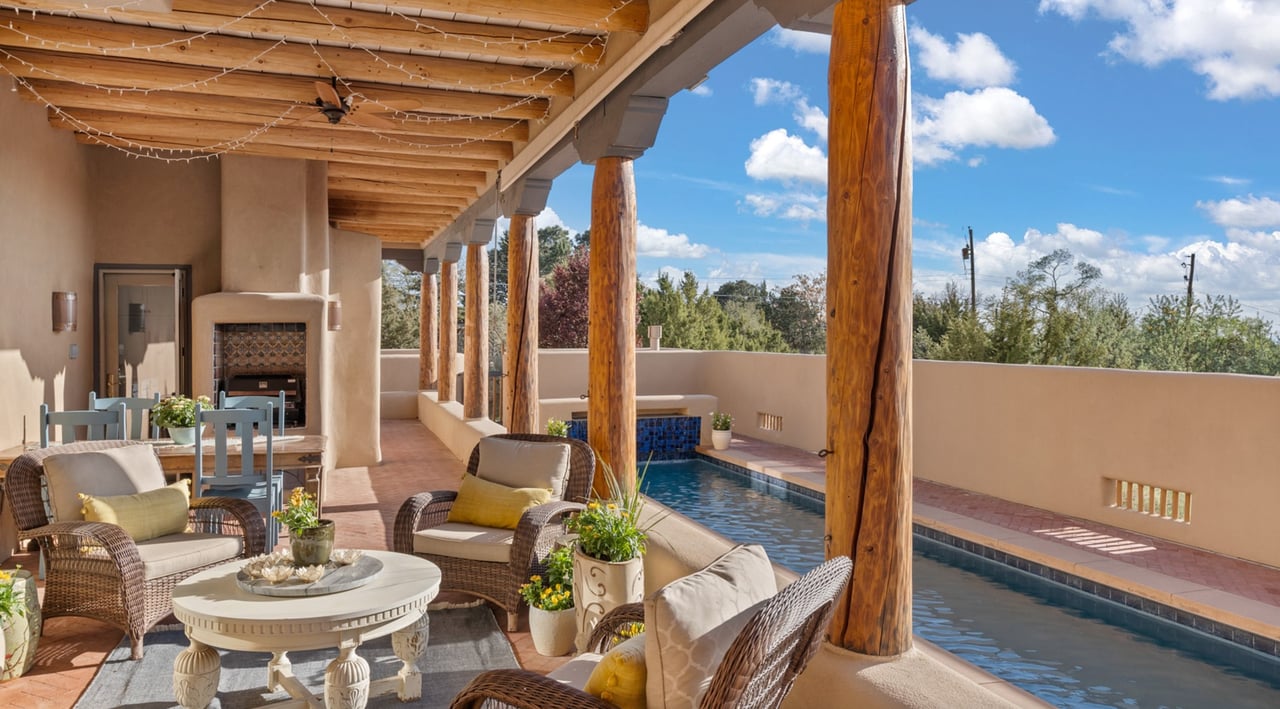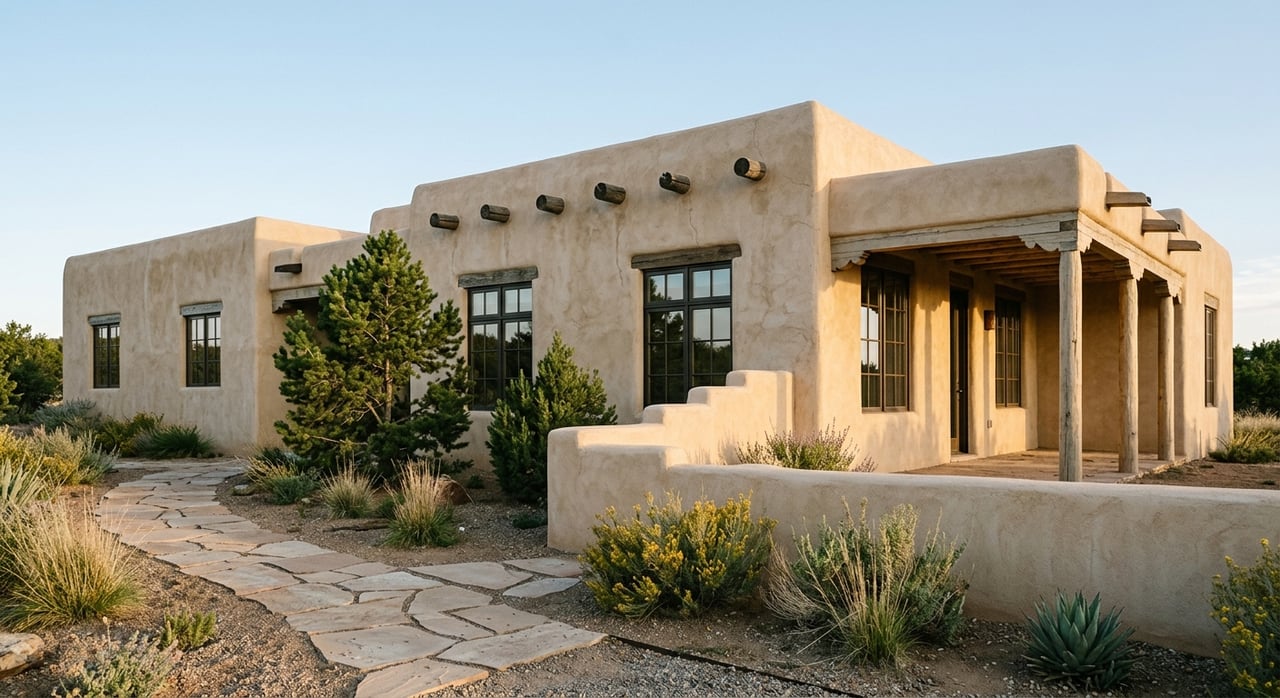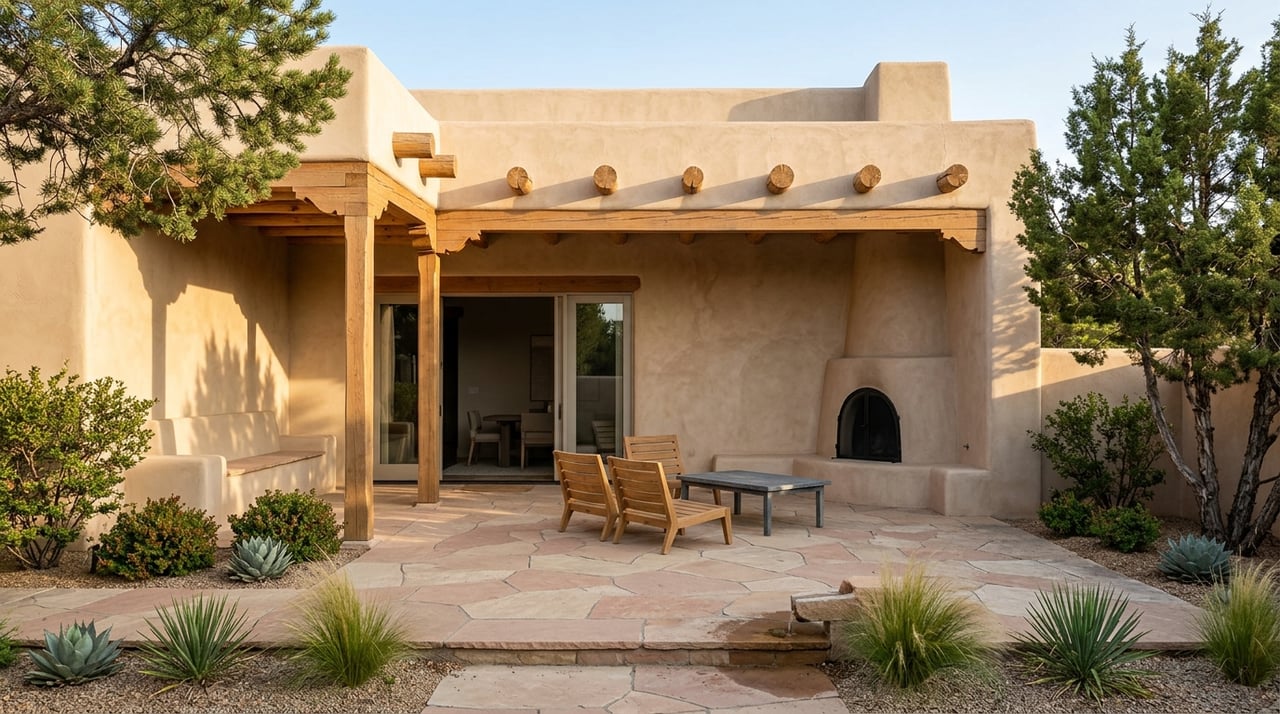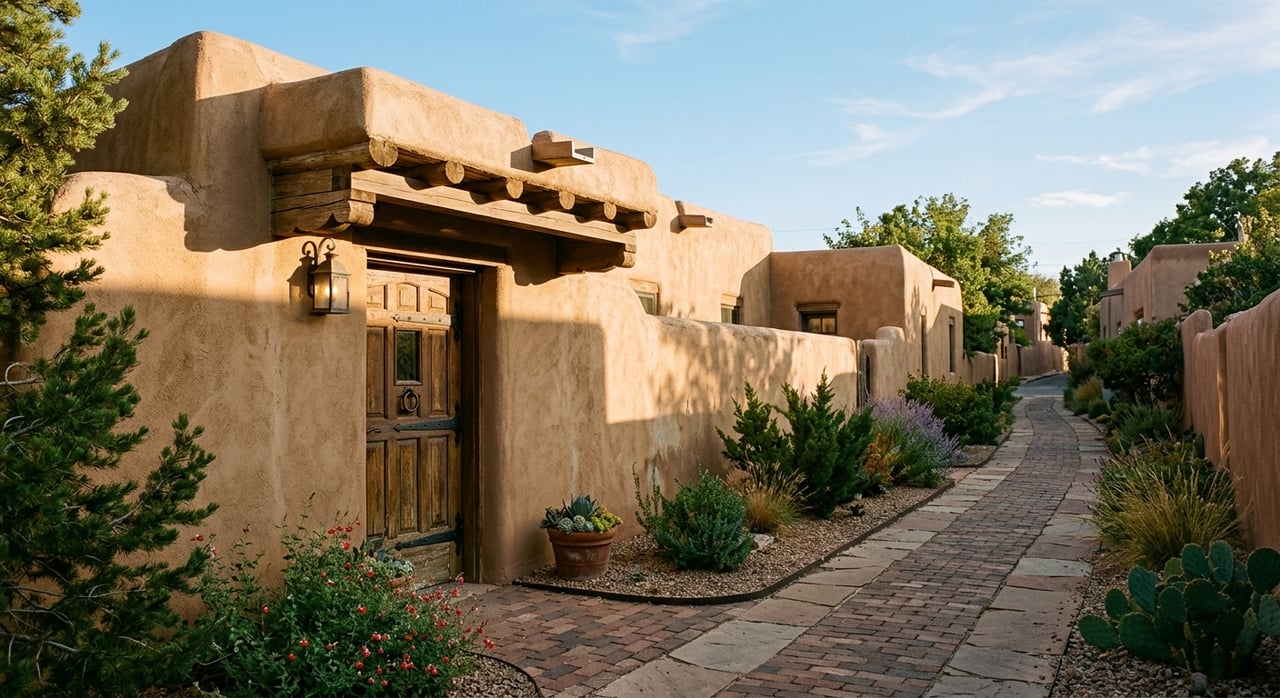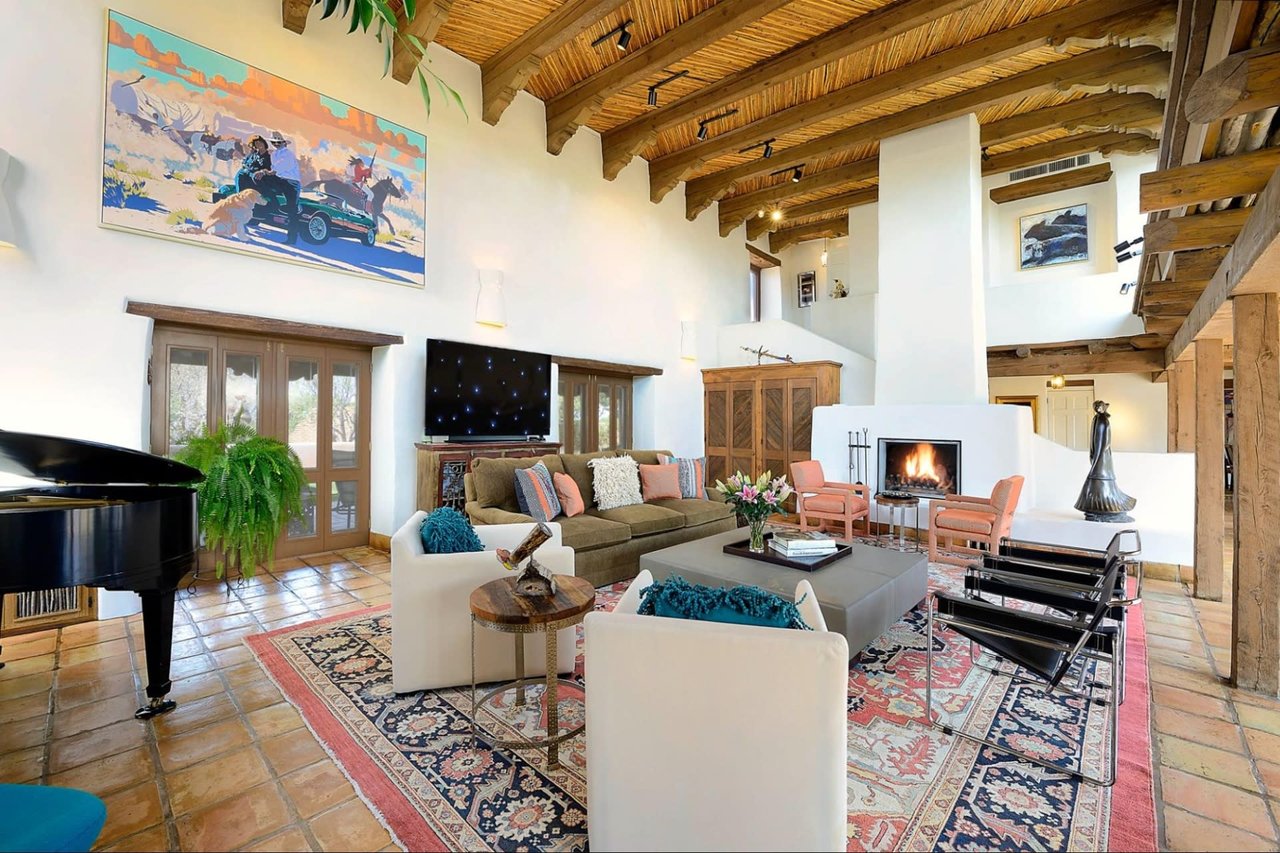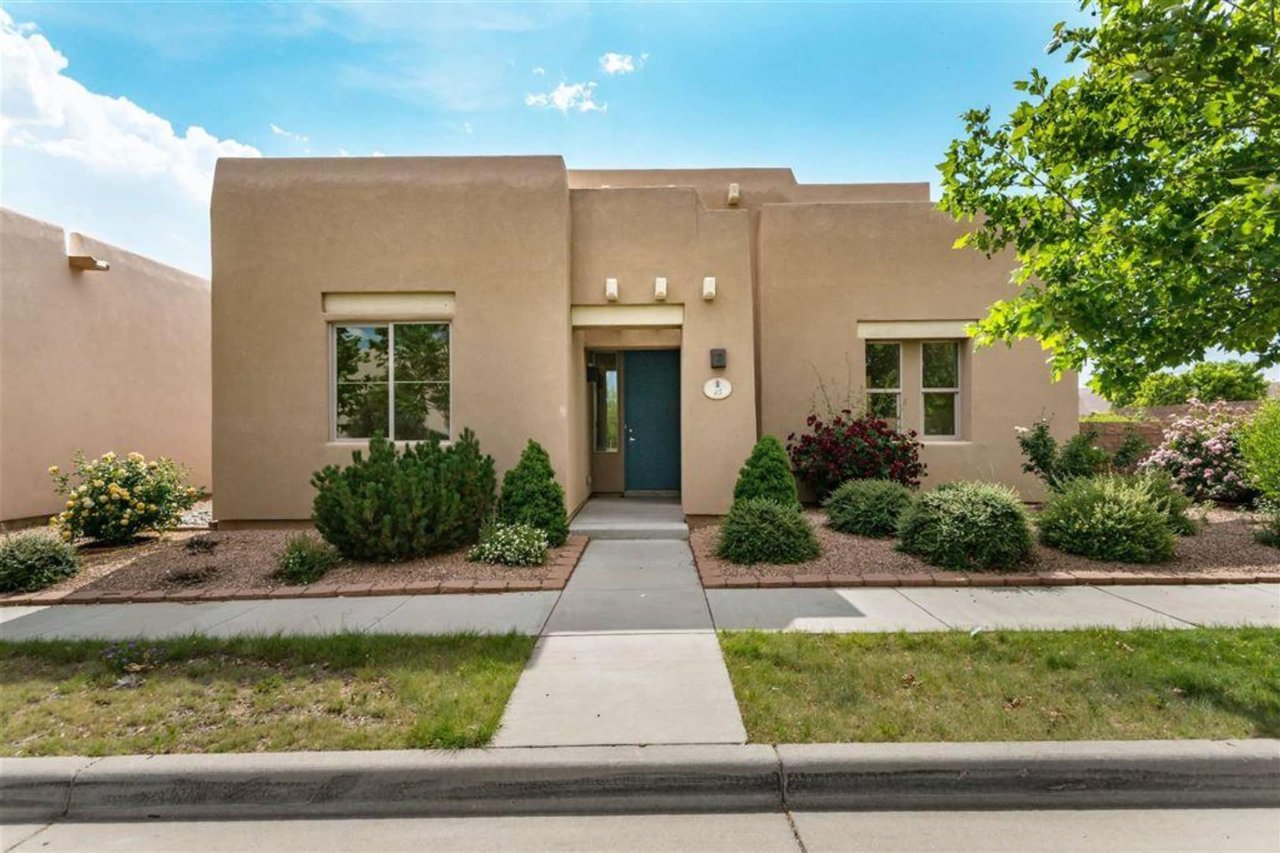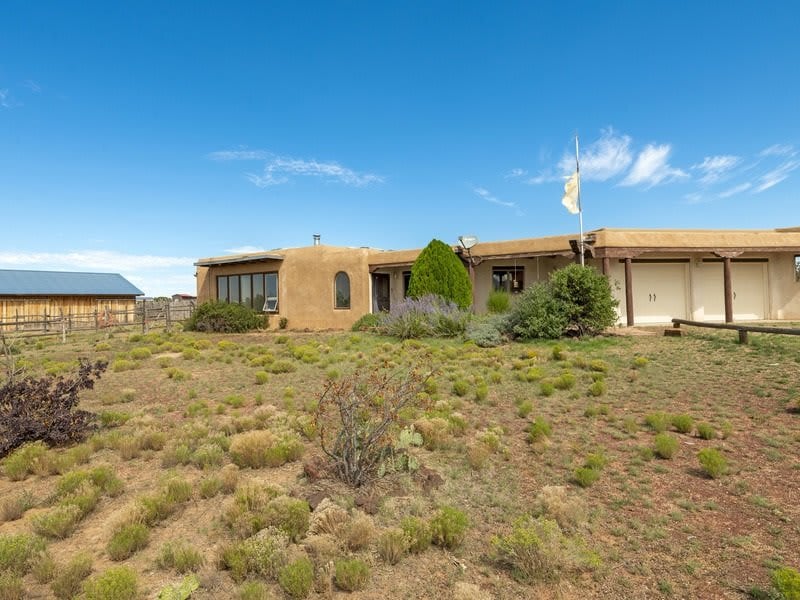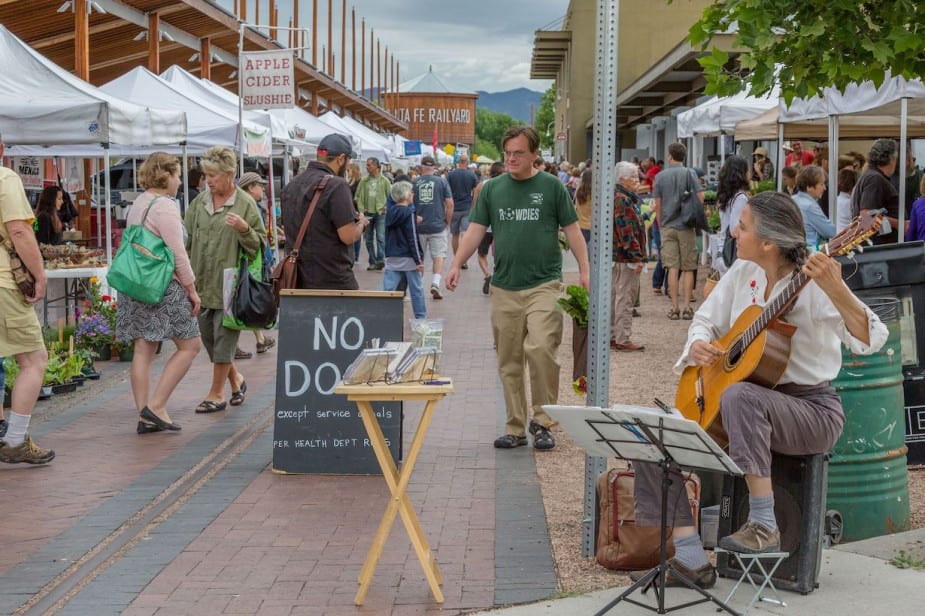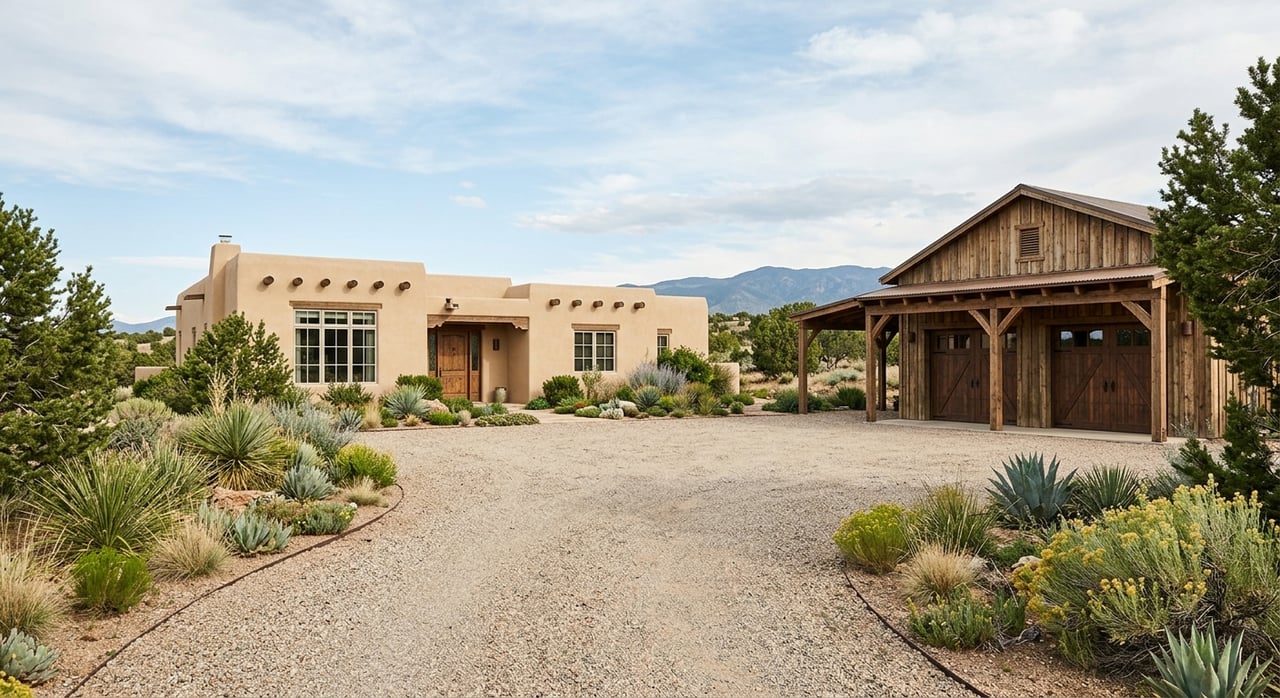
If you are searching for acreage near Santa Fe, the Tano Road, Las Dos, and La Tierra corridor often stands out fast. You get a rural feel, established subdivision patterns, and access to open space, all while staying within reach of the city. But buying here is not just about views and square footage. You also need to understand roads, water, septic, and access before you fall in love with a property. Let’s dive in.
Why this corridor draws acreage buyers
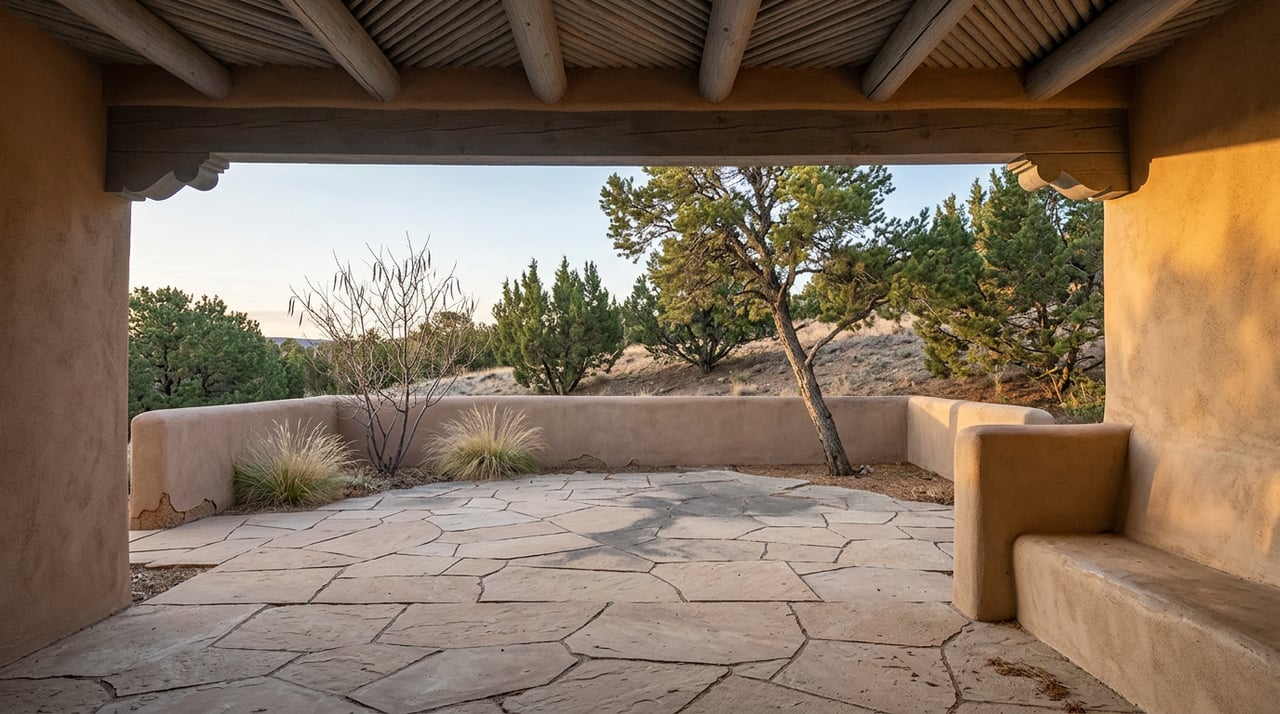
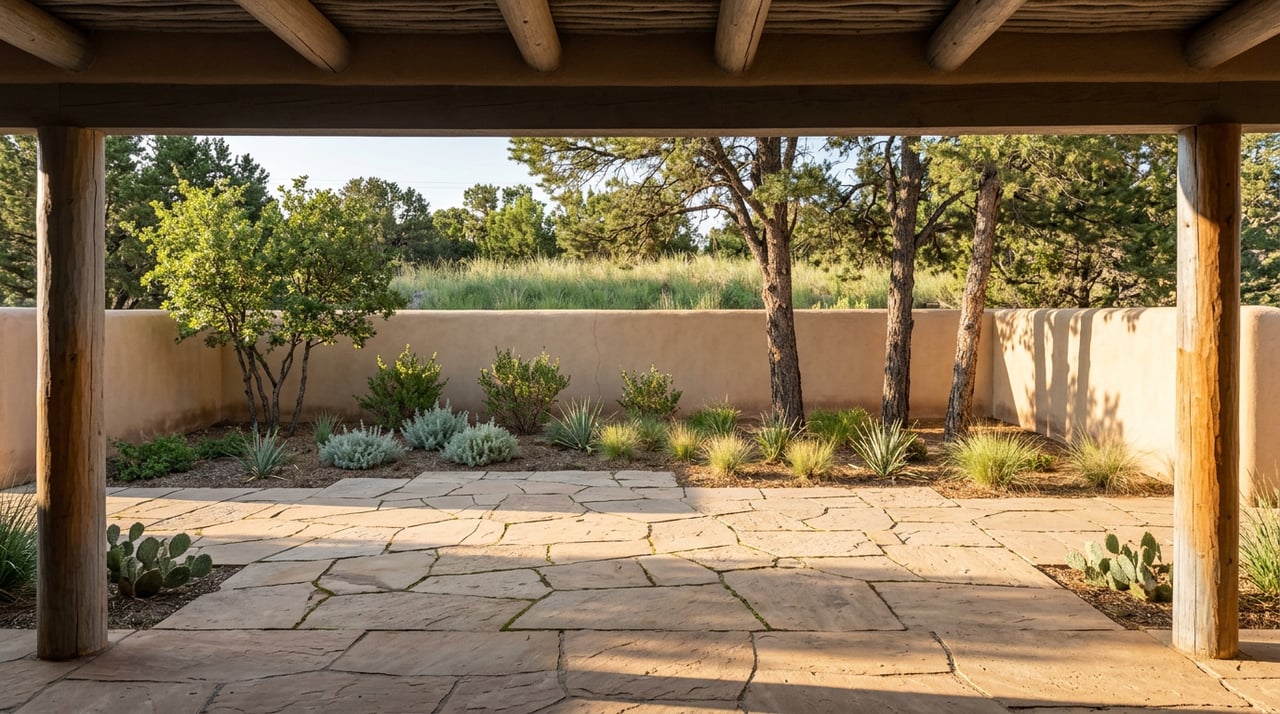
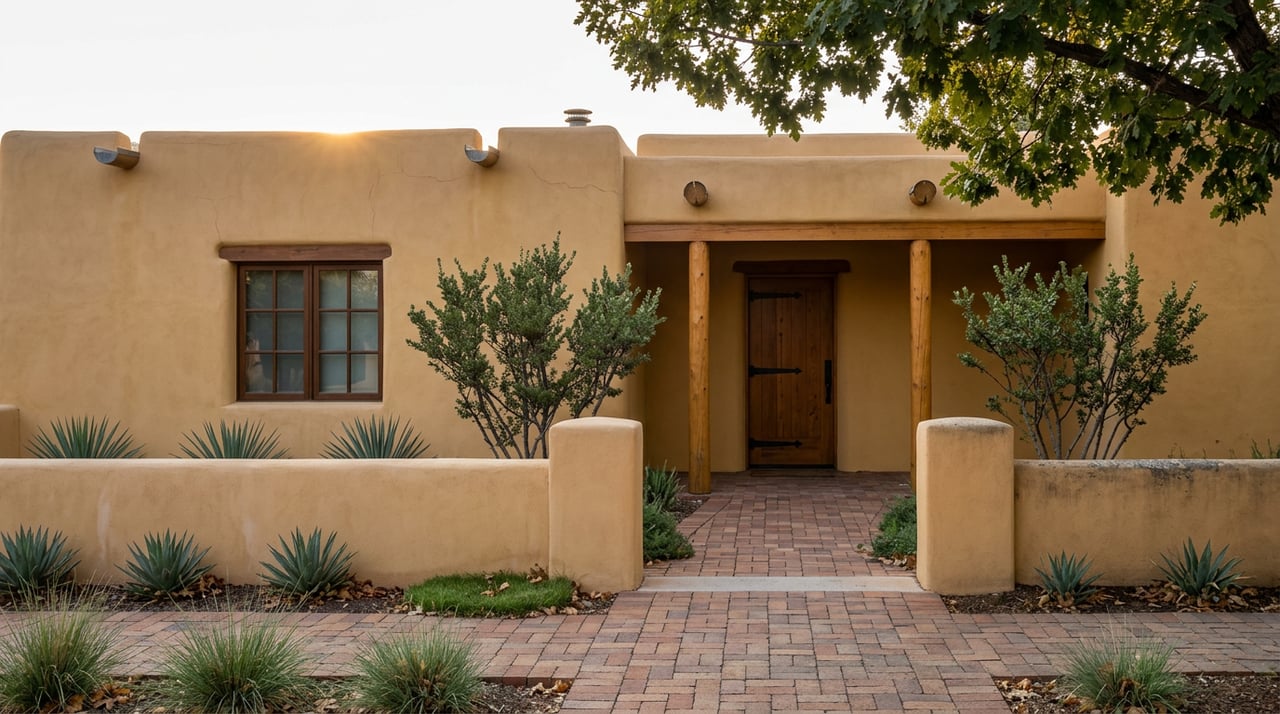
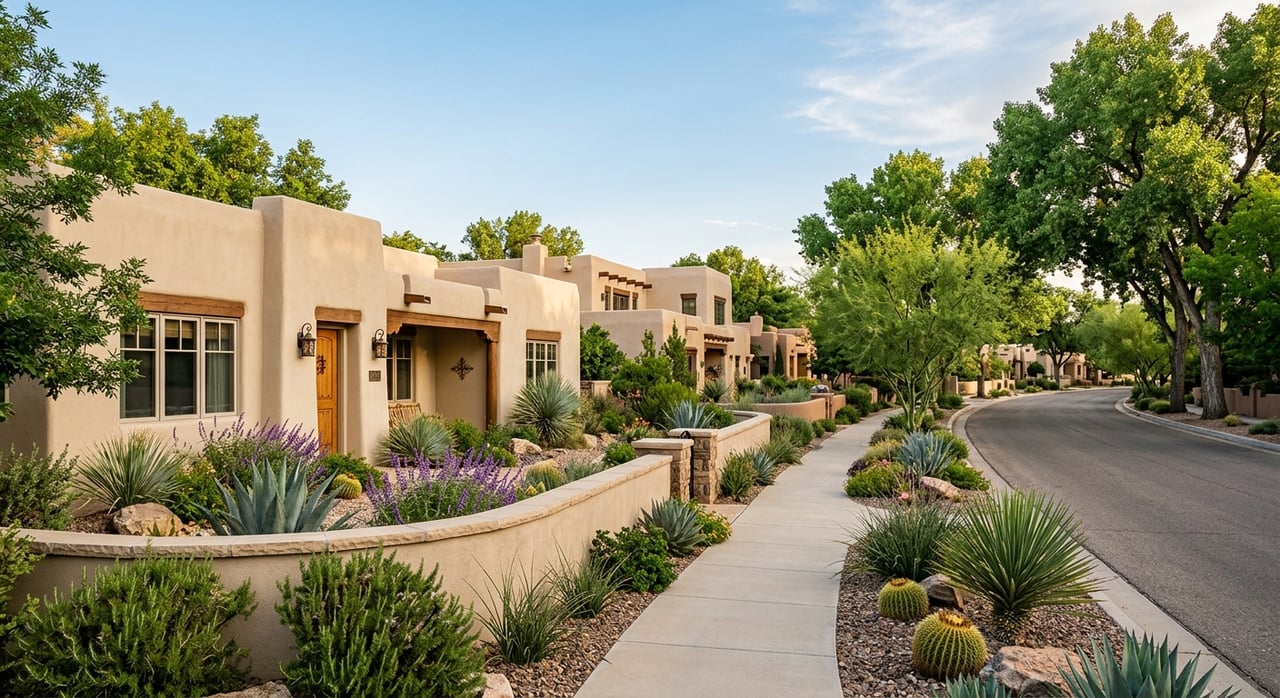
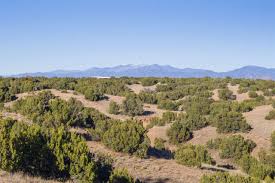
The northwest Santa Fe corridor around Tano Road and Camino La Tierra has a long-established acreage identity. Santa Fe County planning materials describe Tano Road as a principal road to the north and Camino la Tierra as the arterial road through much of the area. Those planning records also note that Las Dos developed as an organized subdivision along the Camino la Tierra axis.
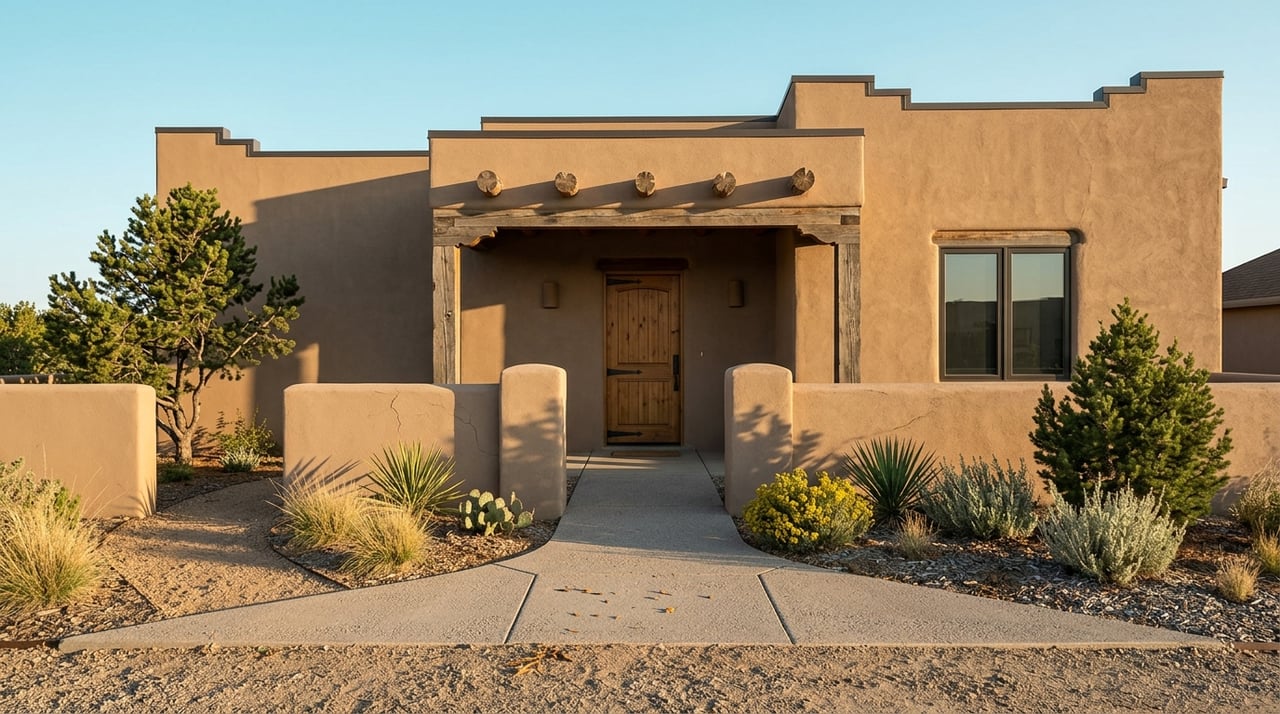
For you as a buyer, that matters. This is not simply a far-edge growth area with brand-new lots and unknown patterns of use. It is a corridor with an established rural residential character, which is a big part of its appeal for second-home buyers, relocators, and anyone looking for more land and breathing room.
La Tierra trails and open space
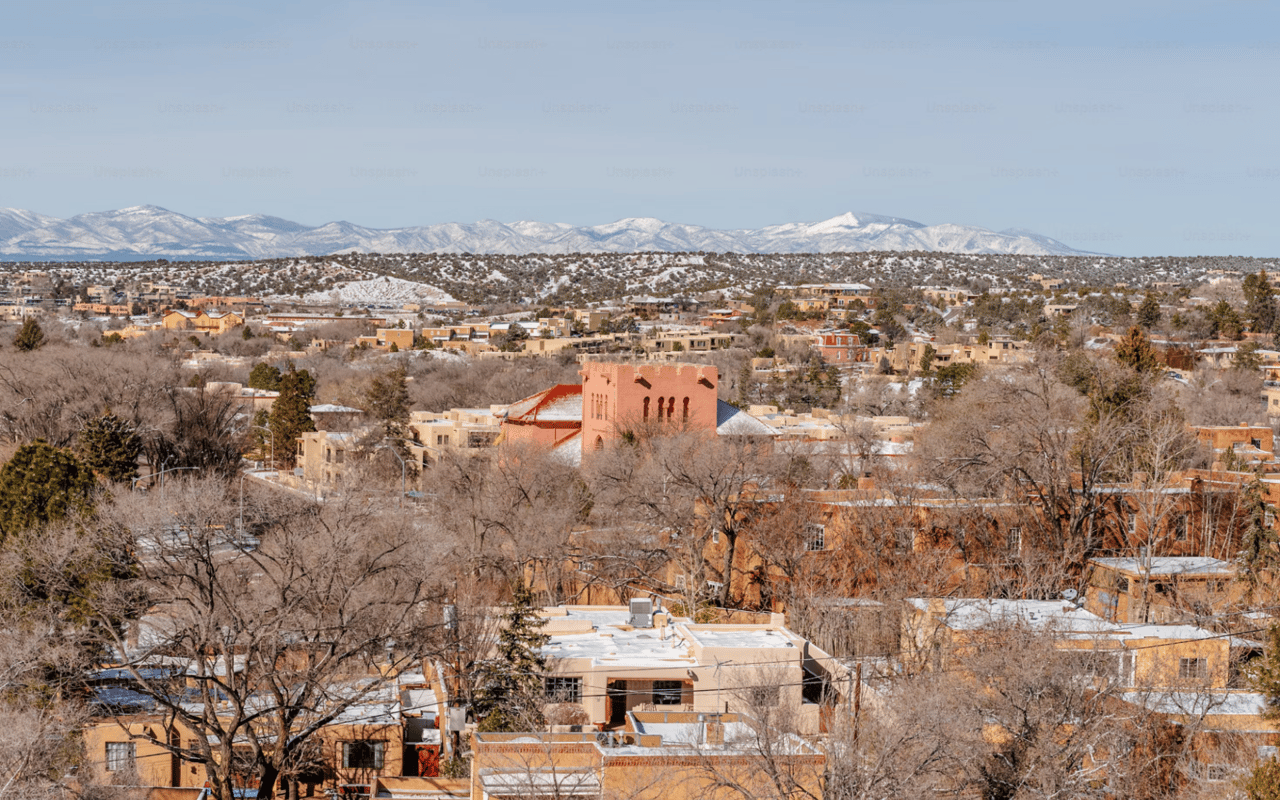
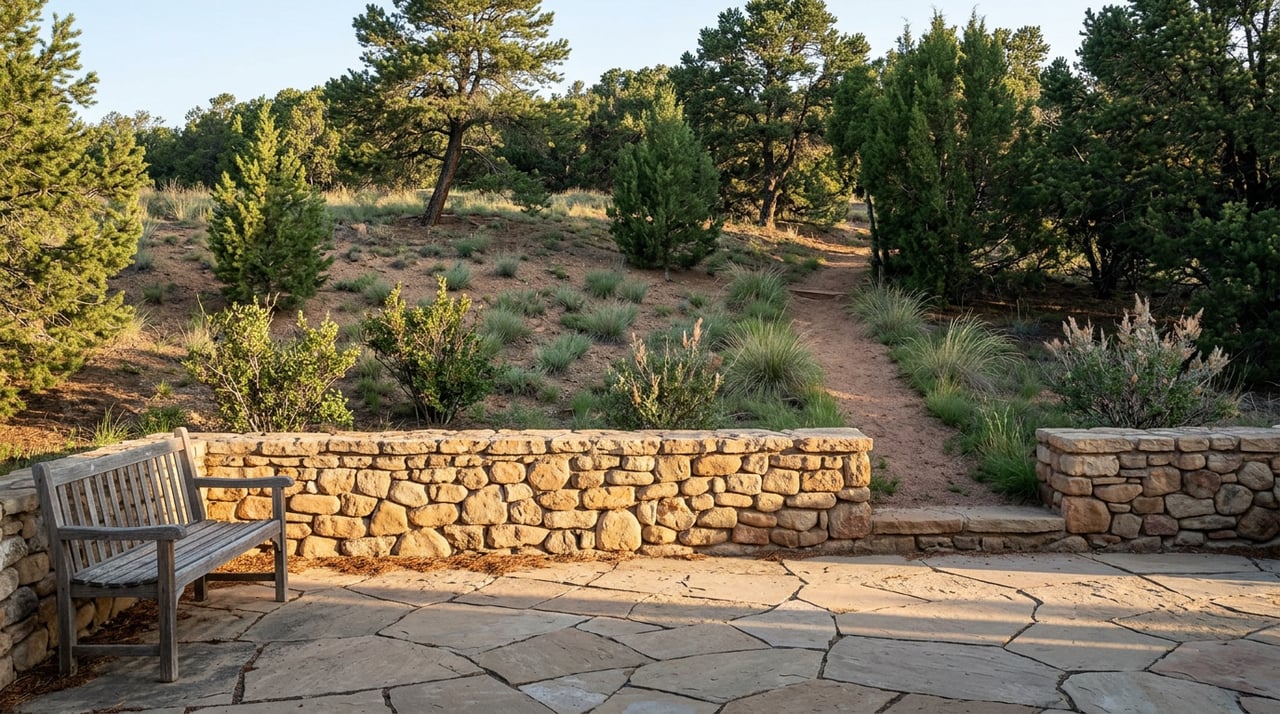
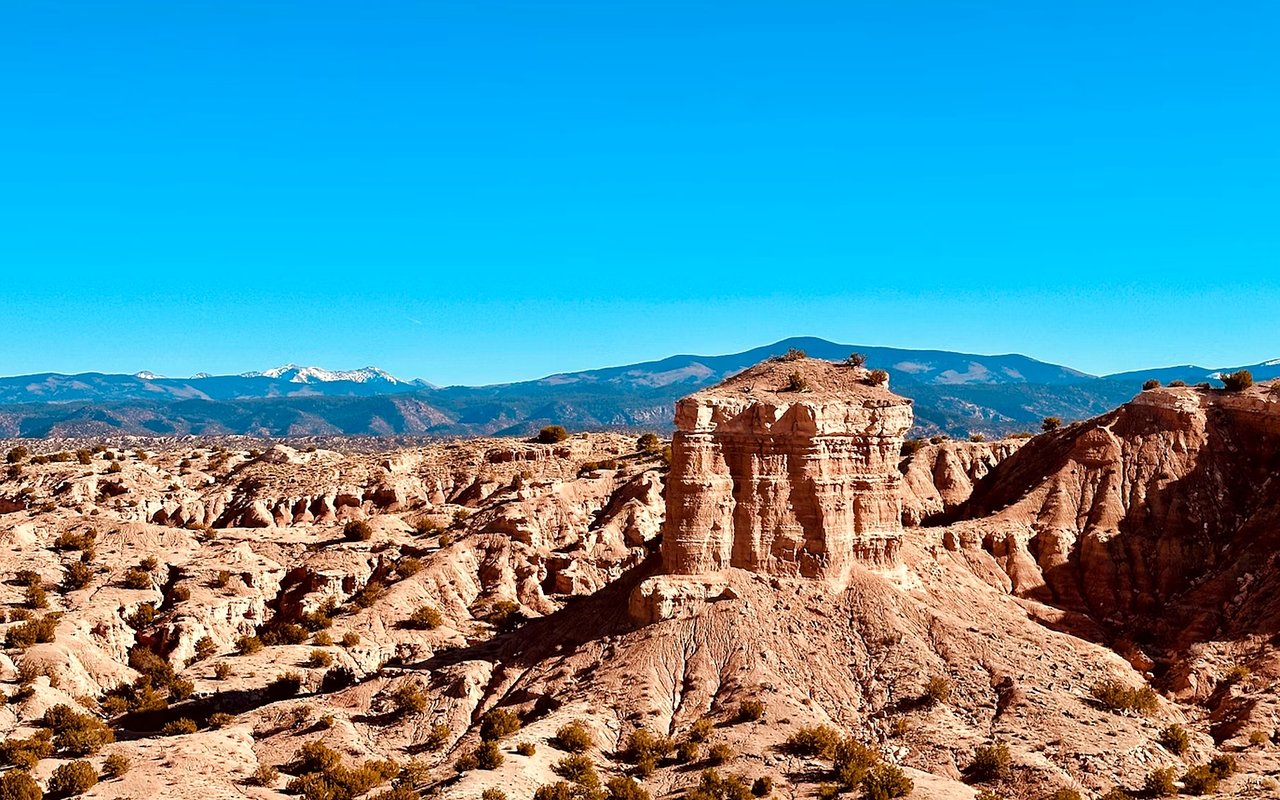
One of the biggest lifestyle advantages here is access to open land and trails. The City of Santa Fe has described the La Tierra Trails area as about 1,500 acres of public land in the Northwest Quadrant, roughly three miles northwest of the Plaza, with more than 25 miles of trails. City sustainability materials also note that the Dale Ball and La Tierra trail systems together offer more than 50 miles of hiking and mountain biking trails, with some multi-use equestrian routes.
That trail setting shapes the feel of the market. If you value room to roam, easy outdoor access, and the visual relief of open space, this area delivers a lifestyle many buyers come to Santa Fe looking for. For equestrian-minded buyers, nearby multi-use trails can be a real plus, though trail access should never replace parcel-level due diligence.
What daily access really looks like
These homes can feel tucked away, but daily life still depends heavily on driving. Santa Fe’s sustainability dashboard notes that the local transportation system remains largely reliant on personal vehicles. In practical terms, your commute, errands, airport runs, and service access will usually happen by car.
That makes road quality and maintenance more important than many out-of-town buyers first expect. A beautiful house at the end of a scenic road can feel very different in winter weather or after heavy use if the maintenance structure is not what you assumed.
Road maintenance matters more here
In this corridor, road status is one of the first things you should verify. Santa Fe County says it maintains only roads it has accepted for county maintenance, and non-county-maintained roads are not maintained except in emergencies. County-maintained roads are typically marked by blue street signs with yellow lettering.
You should confirm whether a specific road is:
- County-maintained
- Lesser county-maintained
- Shared-maintenance
- Private
This affects what you can reasonably expect for grading, chip seal, and snow response. Santa Fe County also states that lots must front on a public or private road and that roads must provide reasonable ingress and egress.
Driveways, permits, and practical access
Beyond the road itself, driveway access can be a key issue on acreage property. Santa Fe County traffic engineering handles driveway access permits, which can matter if a driveway is being modified or if access conditions are unusual.
When you tour a property, look beyond the view. Ask yourself whether the driveway works for guests, delivery vehicles, moving trucks, trailers, and emergency response. If you are considering horses, trailer turning radius and maneuvering space become especially important.
Water service can vary parcel by parcel
One of the biggest differences between acreage homes and in-town homes is utility complexity. In this area, water service is mixed, and it needs to be confirmed for the exact parcel rather than assumed from the neighborhood name.
Santa Fe County’s current West Sector water-quality report states that the West Sector supplies potable water to users outside the western boundary of the City and within Agua Fria. A county advisory from 2017 specifically named La Tierra among West Sector customers, but utility arrangements can change over time.
That is why you should verify:
- The current water provider
- Whether there is a backup water source
- Water pressure details if relevant
- Any storage setup serving the home or lot
In nearby areas, service may also involve the Las Campanas Water and Sewer Cooperative, which says it provides drinking water, wastewater treatment, fire protection, meter service, and line maintenance for the Las Campanas community. The key takeaway is simple: confirm service on the exact property you plan to buy.
Wells require document review
Some acreage properties may rely on a private well. If that applies, Santa Fe County guidance says important records include the well permit, drilling log, water-quality tests, meter readings, and any county water-use restrictions. New Mexico guidance also requires a well permit to drill a new private well.
For you, this means a well should come with a paper trail. You want to know not only that the system exists, but also how it has been documented, monitored, and used over time.
Septic systems deserve close attention
Onsite wastewater treatment is another common due-diligence item in rural and semi-rural property purchases. The New Mexico Environment Department’s Liquid Waste Bureau provides a permit finder for septic and other onsite systems.
Before closing, you should confirm whether the home uses septic, whether permits are on file, and whether the system’s documentation matches the property as improved. This is one of those items that can feel invisible during a showing but become very important once you own the property.
Everyday services may work differently
Acreage living often changes small daily routines. For example, Santa Fe County notes that residents outside city limits may need county solid-waste permits or bag tags to use convenience centers.
That may not shape your decision on its own, but it is part of understanding how the property functions in real life. Rural convenience is wonderful when expectations match reality.
Sun, shade, and orientation count
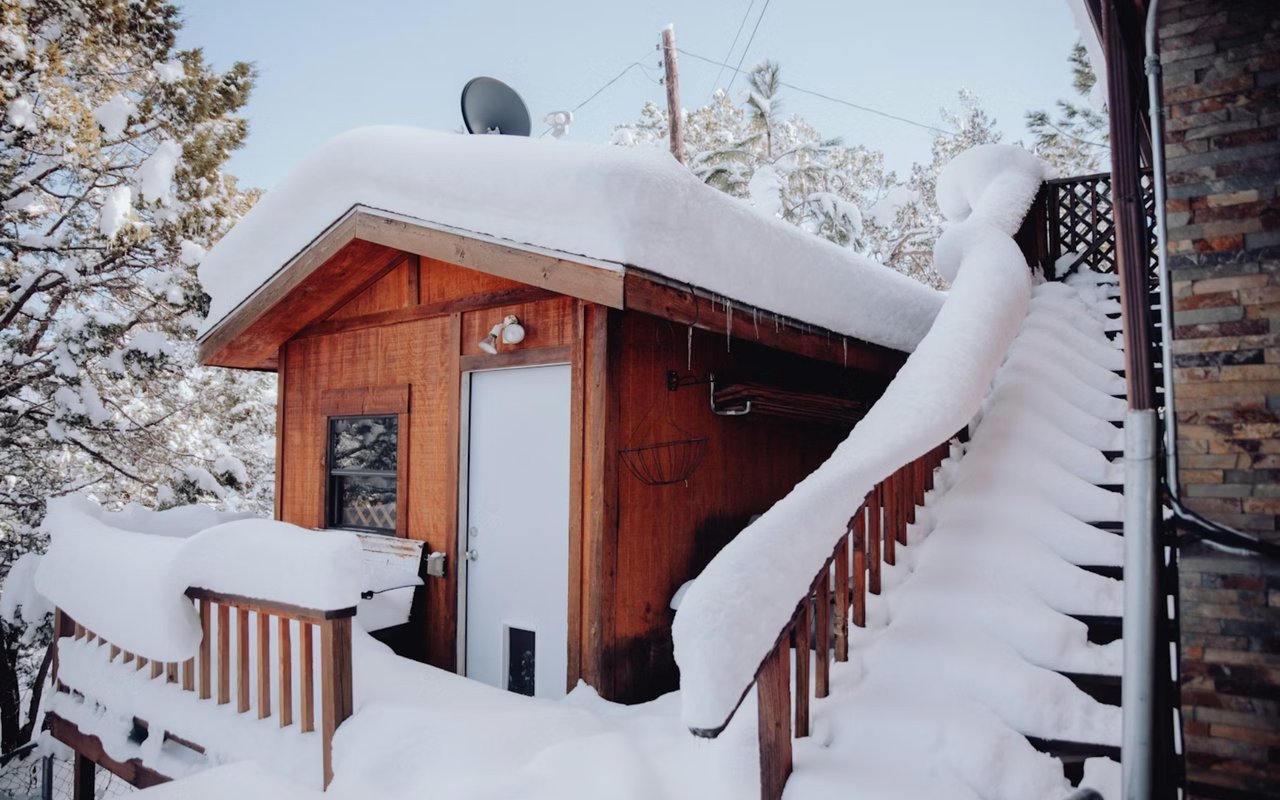
Santa Fe’s climate makes site orientation more important than many buyers realize. Tourism Santa Fe describes the area as semiarid and high-elevation, with more than 320 days of sunshine, average July highs around 86 degrees, and roughly 32 inches of annual snowfall in town.
On acreage homes, those conditions can make solar exposure, winter sun, and shade strategies especially valuable. A home’s siting may affect how outdoor areas feel, how snow melts, and how comfortable the property is through different seasons.
Wildfire readiness should be part of your decision
Wildfire resilience is a core consideration in this part of Santa Fe County. The county says the Agua Fria Fire District provides fire and EMS service for Las Campanas and La Tierra. County wildfire guidance also treats the Wildland/Urban Interface as a real hazard and recommends measures such as fuel reduction, pruning, and removal of dead vegetation.
Santa Fe County states that it adopted the 2021 International Fire Code and the 2021 Wildland-Urban Interface Code in August 2023. For buyers, that means defensible space, vegetation management, and fire apparatus access are not side issues. They are part of evaluating the property responsibly.
Horse property takes more than trail access
This corridor can be appealing if you are looking for equestrian potential. Santa Fe County’s interactive trails map can be filtered for horseback riding, and some nearby routes are multi-use. That said, proximity to trails does not automatically make a parcel suitable for horses.
You still need to verify whether the property can support:
- Turnout space
- Fencing needs
- Trailer access and maneuvering
- Water availability
- Manure handling
- Any restrictions in CCRs or HOA rules
A property can look right for horses at first glance and still fall short in the details. Parcel-specific review is what protects you.
Smart due diligence for acreage homes
Acreage purchases in the Tano Road, Las Dos, and La Tierra area often involve more moving parts than an in-town home. Santa Fe County road policy notes that title insurance and a survey may be required when a road is being dedicated or reclassified. That helps explain why rural transactions often call for deeper document review.
A strong buyer process usually includes coordination with the right professionals for the property. Depending on the parcel, that may include a title company, a New Mexico land surveyor, county public works or traffic engineering, county utilities or the relevant water provider, the New Mexico Environment Department for liquid waste questions, the State Engineer for well-related questions, and the fire district or county wildland staff for defensible-space concerns.
Questions to ask before you buy
When you are evaluating a specific acreage property in this corridor, keep these questions front and center:
- What road maintenance designation applies to the property access?
- Is the parcel served by county water, a cooperative system, or a private well?
- If there is a well, are permits, logs, and test records available?
- Does the home use septic, and are permits on file?
- Are there CCR or HOA restrictions affecting horses, outbuildings, fencing, or rentals?
- Does the driveway support emergency access and, if relevant, trailer access?
- How do sun exposure, shade, and winter conditions affect daily use of the site?
- What wildfire mitigation work appears necessary?
Why local guidance makes a difference
Buying acreage in northwest Santa Fe can be incredibly rewarding. You may find the space, privacy, trail access, and big-sky setting that define the Santa Fe lifestyle for so many buyers. But the best purchases here usually come from careful, parcel-specific guidance rather than assumptions.
That is where a local team can make the process smoother. When you are comparing properties along Tano Road, in Las Dos, or near La Tierra, the details behind the listing matter just as much as the setting itself. If you want experienced help evaluating acreage homes in this part of Santa Fe, connect with the Ricky Allen-Tara Earley Real Estate Group.
FAQs
What makes Tano Road, Las Dos, and La Tierra appealing for acreage buyers?
- This corridor offers an established rural residential setting, access to open space, and proximity to the La Tierra trail system while remaining within reach of Santa Fe.
What should buyers verify about roads on acreage homes in La Tierra and Las Dos?
- You should confirm whether the access road is county-maintained, lesser county-maintained, shared-maintenance, or private, because maintenance expectations can vary significantly.
How do water services work for homes along Tano Road and Camino La Tierra?
- Water service can vary by parcel, so you should confirm whether the property is served by county water, another provider, or a private well, along with any backup source or storage setup.
What septic questions matter when buying acreage in northwest Santa Fe?
- You should verify whether the home uses an onsite wastewater system and confirm that permits and related records are on file for the property.
Are La Tierra area properties good for horses?
- Some nearby trails support equestrian use, but actual horse suitability depends on the parcel’s turnout space, fencing options, water access, trailer maneuvering, manure handling, and any recorded restrictions.
Why is wildfire planning important for acreage homes near La Tierra?
- This area is part of a Wildland/Urban Interface context, so defensible space, vegetation management, and access for fire response are important parts of property evaluation.
Is commuting from Tano Road and La Tierra usually car-dependent?
- Yes, local transportation remains largely reliant on personal vehicles, so most daily travel from this corridor is typically by car.